

CSP Insurance Services was founded in 1939, when Clifford Cormell joined Earnest Streett to sell insurance in Florence. More than 80 years later, we still answer the phone ourselves. No call centers, no chatbots — just a local team that knows your name and your policy.
We compare several carriers to find a policy that fits you, not one company's products.
◆
80+ years local experience
Hospital bills, treatment, and prescriptions for a work-related injury or illness.
Medical expenses
Claims history
Commercial Property for Specialized Equipment
A standard property policy covers your building (if you own it), furniture, and general inventory. But hearing aid centers have specialized equipment that needs proper valuation: audiometers, tympanometers, real-ear measurement systems, and programming hardware can easily total $50,000 to $100,000 or more.
Make sure your property policy covers replacement cost rather than actual cash value. A five-year-old audiometer that cost $15,000 new might have a depreciated value of $5,000, but replacing it still costs $15,000. South Carolina coastal practices should also pay attention to wind and hail exclusions, which are common in standard policies near Myrtle Beach and other coastal areas. You may need a separate windstorm policy through the SC Wind and Hail Underwriting Association.
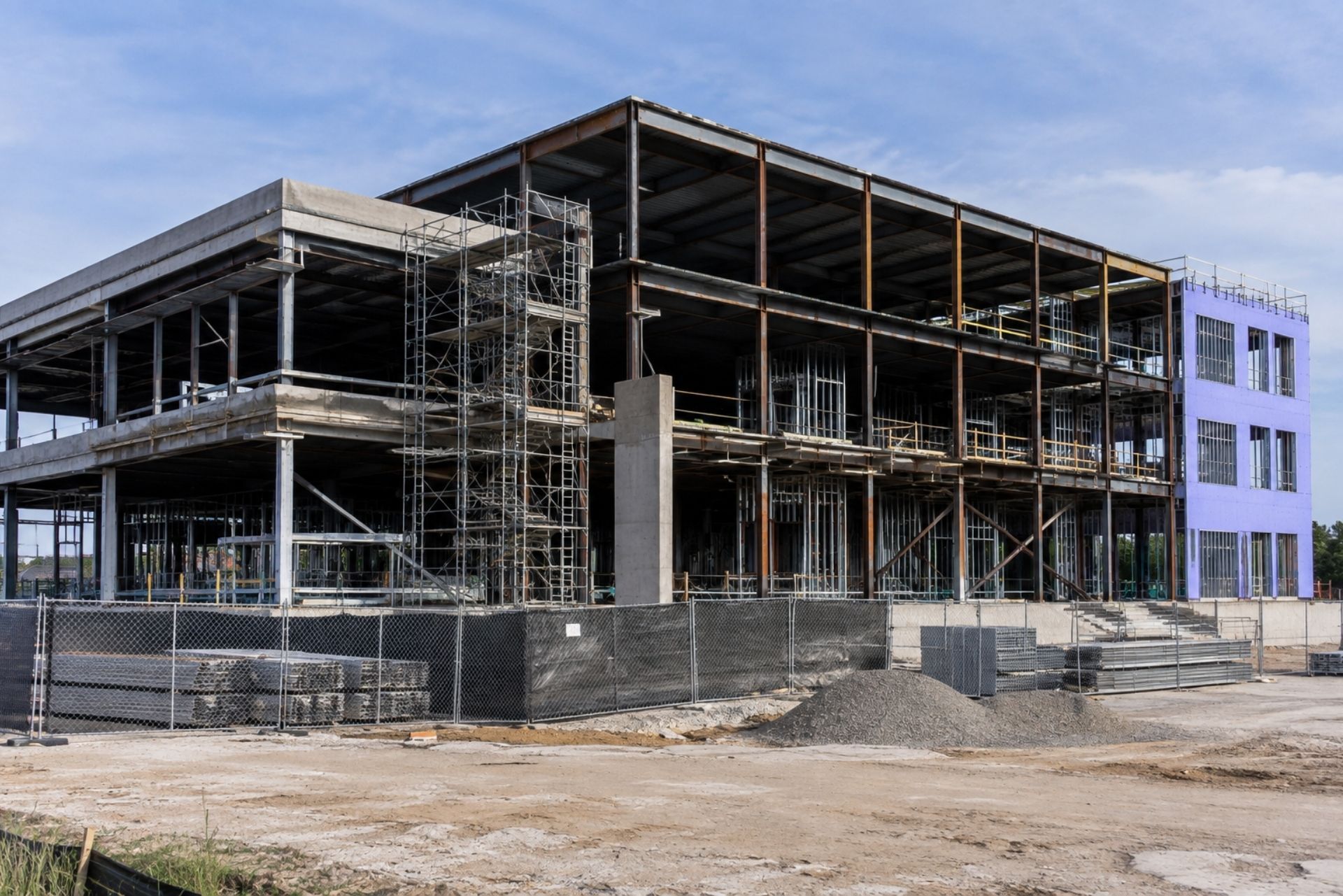
A construction boom is reshaping South Carolina. From mixed-use developments sprouting along the Myrtle Beach coastline to warehouse expansions in the Columbia metro area, builders across the Palmetto State are busier than they've been in years. Construction starts in South Carolina surged by 26% in 2024, and that momentum has carried right through 2026. But with more projects underway comes more exposure to financial loss: a single storm, fire, or theft incident during construction can wipe out months of progress and hundreds of thousands of dollars. That's where builders risk insurance becomes essential. If you're a South Carolina business owner, general contractor, or property developer planning a new build or major renovation, understanding your coverage options, policy limits, and state-specific requirements isn't optional. It's the difference between a setback and a catastrophe. This guide breaks down what SC businesses actually need to know: the real coverage details, coastal risks unique to this state, and how to avoid the gaps that catch people off guard.
Understanding Builders Risk Insurance for SC Projects
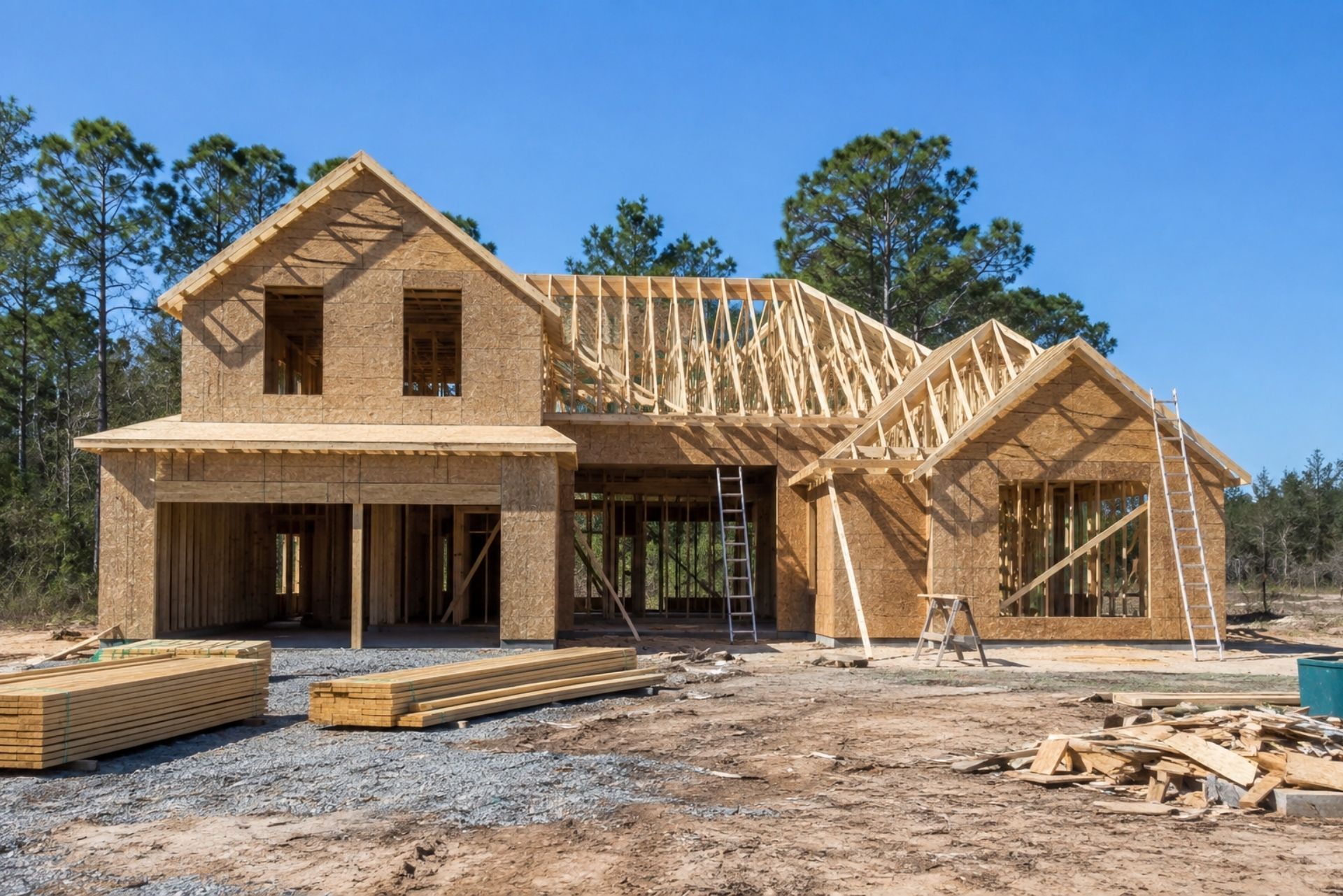
Builders risk insurance is a specialized property policy that covers structures during the construction phase. It protects against losses from fire, wind, vandalism, theft of materials, and certain weather events while a building is going up or being substantially renovated. The policy typically begins on the project start date and expires when construction is complete or the building is occupied, whichever comes first.
What makes this coverage distinct from a standard commercial property policy is its temporary nature and its focus on a structure that doesn't yet exist in finished form. A standard property policy covers a completed building. Builders risk covers the building as it becomes a building: from foundation pour through final inspection.
What Builders Risk Covers in South Carolina
A typical SC builders risk policy covers the structure itself, building materials stored on-site or in transit, and temporary structures like scaffolding. Most policies also cover equipment that will become a permanent part of the building (think HVAC systems or elevators). Soft costs such as architectural fees, permits, and loan interest can sometimes be added as endorsements.
What's usually excluded matters just as much. Standard policies don't cover employee injuries (that's workers' comp), damage from faulty workmanship, or flood and earthquake losses unless you add separate endorsements. In South Carolina specifically, wind and hurricane damage often requires its own deductible or a separate windstorm policy, which we'll get into later.
Who Should Purchase the Policy: Owners vs. General Contractors
This is one of the most common points of confusion. Either the property owner or the general contractor can purchase the policy, but the answer depends on the contract terms. On most commercial projects, the owner purchases the builders risk policy and names the GC and subcontractors as additional insureds. This avoids duplicate coverage and keeps everyone aligned.
On smaller residential projects, the GC often carries the policy. The key is making sure the contract spells out who's responsible. I've seen disputes where both parties assumed the other had coverage, and neither did. That's a nightmare scenario when a half-built home takes wind damage during hurricane season.

Your CSP agent
Lawson Walker, CIC
Insurance Sales
On this page
CSP Insurance Services is a fully licensed independent insurance agency serving individuals, families, and businesses across South Carolina.
From our home in Florence, we proudly serve clients in Florence, Myrtle Beach, Rock Hill, Columbia, and communities throughout South Carolina. As an independent Trusted Choice agency, our team works with a wide range of top-rated carriers to provide personal and commercial coverage — home, auto, business, life, and more — tailored to the real needs of the people and businesses we protect.
Boat and Watercraft Coverage for Weekend Adventures
Your homeowners policy might cover a small kayak or canoe, but anything with a motor typically needs its own policy. Boat insurance covers physical damage to the vessel, liability for injuries or property damage you cause on the water, and sometimes towing and salvage costs.
Lake-specific risks differ from coastal ones. A boat kept at Myrtle Beach faces saltwater corrosion, hurricane exposure, and higher theft rates than one stored at a private dock on Lake Wateree. Your policy should reflect where you keep and operate the boat. An independent agency like CSP Insurance Services can compare quotes across multiple marine carriers to find coverage that actually matches your boating habits rather than forcing you into a one-size-fits-all plan.
| Feature | Admitted (Standard) Carriers | Non-Admitted (E&S) Carriers |
|---|---|---|
| State regulation | Fully regulated; rates filed with state | Exempt from rate filing; flexible pricing |
| Guaranty fund protection | Yes: state fund covers claims if carrier fails | No: no guaranty fund backstop |
| Policy forms | Standardized (ISO forms common) | Manuscript or custom forms |
| Risk appetite | Prefers low-to-moderate risk | Accepts high-risk and unusual exposures |
| Premium cost | Generally lower | Typically 20-75% higher |
| Surplus lines tax | Not applicable | Buyer pays state surplus lines tax (varies 2-5%) |
| Speed of placement | Standard timelines | Can be faster or slower depending on complexity |
| Feature | Basic Liability Only | Full Coverage |
|---|---|---|
| Bodily injury liability | State minimum (25/50) | Higher limits (100/300+) |
| Property damage liability | $25,000 | $100,000+ |
| Collision (your vehicle) | Not included | Included |
| Comprehensive (theft, weather) | Not included | Included |
| Uninsured motorist | Optional | Typically included |
| Rental car reimbursement | Not included | Often included |
| Typical annual cost (SC) | $600-$900 | $1,400-$2,200 |
The price difference is real, but so is the coverage gap. If you're financing or leasing a vehicle, your lender will require full coverage anyway.
| Feature | HMO | PPO | HDHP with HSA |
|---|---|---|---|
| Network Flexibility | Must use in-network providers; referrals needed | In-network and out-of-network options | Broad network; works like PPO |
| Monthly Premiums | Lowest | Highest | Moderate |
| Out-of-Pocket Costs | Low copays | Moderate copays/coinsurance | High deductible before coverage kicks in |
| Best For | Employees who want low costs and don't mind restrictions | Employees who want provider choice | Younger, healthier employees; tax-savvy savers |
| HSA Eligible | No | No | Yes |
South Carolina State Requirements and Regulations
South Carolina doesn't have a blanket state law requiring builders risk insurance on every private construction project. That said, the practical reality is more nuanced. Lenders almost always require it as a condition of financing, and many project contracts mandate it regardless of what the state code says.
Mandatory Coverage for Public and Commercial Works
Public construction projects in South Carolina typically require builders risk coverage as part of the contract. State and municipal entities issuing construction contracts will specify insurance requirements in their bid documents, and builders risk is nearly always on the list. Commercial projects funded by banks or institutional investors follow a similar pattern: no coverage, no financing.
The South Carolina Department of Insurance regulates the carriers writing these policies, but it doesn't set minimum coverage amounts for builders risk specifically. That's left to the contracting parties. What the state does regulate is the licensing and insurance requirements for contractors themselves, which directly affects who can even bid on insured projects.
Licensing Requirements for Contractors in the Palmetto State
South Carolina requires contractors working on projects valued over $5,000 to hold a valid license from the SC Contractors' Licensing Board. Contractors must carry general liability insurance meeting minimum thresholds set by the state, and workers' compensation coverage is mandatory for businesses with four or more employees.
These licensing requirements matter for builders risk because most policies and project owners require proof that all contractors on the job are properly licensed and insured. An unlicensed sub working on your project can void coverage or create gaps that leave you exposed. CSP Insurance Services works with SC contractors regularly and can help verify that your insurance stack meets both state requirements and contract obligations before you break ground.
| Feature | Basic Coverage | Extended Coverage |
|---|---|---|
| Liability | State minimums (25/50/25 in SC) | $500K-$1M+ limits |
| Collision | Often excluded or high deductible | Included with lower deductible |
| Comprehensive | May be excluded | Included (theft, weather, vandalism) |
| HNOA | Not included | Typically included |
| Uninsured Motorist | State minimum only | Higher limits available |
| Roadside/Towing | Not included | Available as add-on |
| Rental Reimbursement | Not included | Available as add-on |
For a restaurant owner in Florence with one delivery vehicle, basic coverage might seem sufficient. But if that driver causes a serious injury, the state minimum liability won't come close to covering the medical bills and legal costs. Extended coverage costs more upfront but prevents the kind of catastrophic out-of-pocket expense that closes businesses.
More hearing aid centers are offering in-home fitting and testing services, especially for elderly or mobility-limited patients. If any employee drives a company vehicle, or even their personal car, for business purposes, your personal auto policy won't cover accidents that happen during work-related trips.
A commercial auto policy covers liability, collision, and comprehensive damage for vehicles used in your business operations. South Carolina's minimum auto liability limits are 25/50/25 ($25,000 per person, $50,000 per accident for bodily injury, $25,000 for property damage), but most businesses should carry significantly higher limits. A serious accident during a house call could easily exceed those minimums.
Commercial Auto for Mobile Services
Coastal Risks and Coverage Extensions
Building anywhere within 50 miles of the South Carolina coast introduces a set of risks that inland projects simply don't face. Hurricane season runs from June through November, and the state has taken direct hits from major storms multiple times in the past decade. If your project is in Charleston, Myrtle Beach, Hilton Head, or anywhere in the Lowcountry, your builders risk policy needs to account for these exposures.
Managing Windstorm and Hurricane Deductibles
Here's something that catches a lot of first-time builders off guard: most builders risk policies in coastal SC carry a separate named-storm or hurricane deductible. This deductible is typically a percentage of the total insured value, not a flat dollar amount. On a $2 million project, a 5% hurricane deductible means you're absorbing the first $100,000 of storm damage out of pocket.
Some carriers offer flat deductible options, but they come with higher premiums. Builders risk insurance typically costs between 1% and 4% of total construction value, and coastal projects tend to land on the higher end of that range. Timing your project to minimize exposure during peak hurricane months (August through October) can help, but it's not a substitute for proper coverage.
Flood Insurance Needs in Lowcountry Construction
Standard builders risk policies exclude flood damage. Period. If your project sits in a FEMA-designated flood zone, and many SC coastal properties do, you'll need a separate flood policy or a flood endorsement added to your builders risk coverage. The National Flood Insurance Program (NFIP) offers coverage for structures under construction, but limits cap at $250,000 for residential and $500,000 for commercial, which often isn't enough for larger projects.
Private flood insurance markets have expanded significantly in South Carolina, offering higher limits and sometimes more flexible terms. Myrtle Beach and surrounding areas have seen ongoing insurance cost pressures that make shopping multiple carriers essential. An independent agency like CSP Insurance Services can compare NFIP options against private flood markets to find the right fit for your project's risk profile and budget.
Boat and Watercraft Coverage for Weekend Adventures
Your homeowners policy might cover a small kayak or canoe, but anything with a motor typically needs its own policy. Boat insurance covers physical damage to the vessel, liability for injuries or property damage you cause on the water, and sometimes towing and salvage costs.
Lake-specific risks differ from coastal ones. A boat kept at Myrtle Beach faces saltwater corrosion, hurricane exposure, and higher theft rates than one stored at a private dock on Lake Wateree. Your policy should reflect where you keep and operate the boat. An independent agency like CSP Insurance Services can compare quotes across multiple marine carriers to find coverage that actually matches your boating habits rather than forcing you into a one-size-fits-all plan.
Boat and Watercraft Coverage for Weekend Adventures
Your homeowners policy might cover a small kayak or canoe, but anything with a motor typically needs its own policy. Boat insurance covers physical damage to the vessel, liability for injuries or property damage you cause on the water, and sometimes towing and salvage costs.
Lake-specific risks differ from coastal ones. A boat kept at Myrtle Beach faces saltwater corrosion, hurricane exposure, and higher theft rates than one stored at a private dock on Lake Wateree. Your policy should reflect where you keep and operate the boat. An independent agency like CSP Insurance Services can compare quotes across multiple marine carriers to find coverage that actually matches your boating habits rather than forcing you into a one-size-fits-all plan.
| Feature | Admitted (Standard) Carriers | Non-Admitted (E&S) Carriers |
|---|---|---|
| State regulation | Fully regulated; rates filed with state | Exempt from rate filing; flexible pricing |
| Guaranty fund protection | Yes: state fund covers claims if carrier fails | No: no guaranty fund backstop |
| Policy forms | Standardized (ISO forms common) | Manuscript or custom forms |
| Risk appetite | Prefers low-to-moderate risk | Accepts high-risk and unusual exposures |
| Premium cost | Generally lower | Typically 20-75% higher |
| Surplus lines tax | Not applicable | Buyer pays state surplus lines tax (varies 2-5%) |
| Speed of placement | Standard timelines | Can be faster or slower depending on complexity |
Comparing Coverage: Basic vs. Broad Form Policies
Not all builders risk policies are created equal. The two main categories are named-peril (basic) policies and all-risk (broad form) policies. The difference is significant and directly affects how well you're protected.
A named-peril policy only covers losses from risks specifically listed in the policy: fire, lightning, windstorm, hail, explosion, and a handful of others. If the cause of loss isn't on the list, you're not covered. An all-risk policy flips that logic: it covers everything except what's specifically excluded. The exclusion list is shorter, and the protection is wider.
Comparison Chart: Standard vs. Extended Coverage Features
| Coverage Feature | Basic (Named Peril) | Broad Form (All-Risk) |
|---|---|---|
| Fire and Lightning | Covered | Covered |
| Windstorm / Hail | Covered | Covered |
| Theft of Materials | Often excluded | Covered |
| Vandalism | Often excluded | Covered |
| Collapse During Construction | Not covered | Typically covered |
| Water Damage (non-flood) | Limited | Covered |
| Soft Cost Coverage | Not included | Available as endorsement |
| Debris Removal | Limited or excluded | Included with sub-limits |
| Transit Coverage | Not included | Often included |
| Typical Premium Cost | Lower | 15-30% higher |
For most commercial projects in South Carolina, the broad form policy is worth the added premium. The gaps in a basic policy can be expensive to discover after a loss.
Specialty Lines: Flood, Earthquake, and Valuable Items
Flood insurance is a separate policy, typically written through FEMA's National Flood Insurance Program or a private carrier. If your home sits in a designated flood zone anywhere along the SC coast or near inland rivers, your mortgage lender will require it. But even homes outside mapped flood zones can flood: roughly 25% of flood claims come from properties in low-to-moderate risk areas.
Earthquake coverage is less common in South Carolina, but the state sits near the Charleston fault zone, which produced a magnitude 7.3 quake in 1886. A rider or standalone earthquake policy is worth considering if you're in the Lowcountry.
Scheduled personal property endorsements cover high-value items like jewelry, art, firearms, or musical instruments that exceed standard policy sub-limits. Most homeowners policies cap jewelry coverage at $1,500-$2,500 per item. If your engagement ring is worth $8,000, you need a scheduled endorsement or inland marine floater to cover the difference.
ERISA Requirements for Life Insurance Plans
If you offer employer-paid group life insurance, your plan almost certainly falls under the Employee Retirement Income Security Act. ERISA requires you to provide employees with a Summary Plan Description that explains benefits, eligibility, and claims procedures in plain language. You also need to file Form 5500 annually with the Department of Labor if your plan covers 100 or more participants. The ERISA compliance checklist for employers includes maintaining a written plan document, designating a plan fiduciary, and following proper claims and appeals procedures. Skipping any of these steps creates real liability.
South Carolina doesn't have its own mini-ERISA statute, so federal rules govern most employer-sponsored plans. But the SC Department of Insurance does regulate the carriers themselves, so make sure your insurer is licensed to operate in the state. Employers who fail to meet ERISA's fiduciary standards can face personal liability, not just corporate penalties.
Determining Your Coverage Limits and Valuation
Setting the right coverage limit is one of the most critical decisions you'll make when purchasing a builders risk policy. Underinsure, and you'll face a coinsurance penalty that reduces your claim payout. Overinsure, and you're paying premiums on coverage you'll never collect.
The coverage limit should reflect the completed value of the structure at the time of project completion, not the current value of work in place. Most policies are written on a completed-value basis, meaning the limit equals the total finished cost of the building.
Hard Costs vs. Soft Costs in Construction Budgeting
Hard costs are the physical construction expenses: materials, labor, equipment permanently installed in the building. These are always included in your builders risk coverage limit. Soft costs are the indirect expenses: architect fees, engineering, permits, loan interest, and lease obligations that continue even if construction stops due to a covered loss.
Soft cost coverage isn't automatic. You need to add it as an endorsement, and it's worth every penny on projects where a delay could trigger loan default or lost rental income. On a $3 million apartment project in Florence, for example, a six-month delay from storm damage could mean $150,000 or more in carrying costs. Without soft cost coverage, that comes straight out of your pocket.
Boat and Watercraft Coverage for Weekend Adventures
Your homeowners policy might cover a small kayak or canoe, but anything with a motor typically needs its own policy. Boat insurance covers physical damage to the vessel, liability for injuries or property damage you cause on the water, and sometimes towing and salvage costs.
Lake-specific risks differ from coastal ones. A boat kept at Myrtle Beach faces saltwater corrosion, hurricane exposure, and higher theft rates than one stored at a private dock on Lake Wateree. Your policy should reflect where you keep and operate the boat. An independent agency like CSP Insurance Services can compare quotes across multiple marine carriers to find coverage that actually matches your boating habits rather than forcing you into a one-size-fits-all plan.
Boat and Watercraft Coverage for Weekend Adventures
Your homeowners policy might cover a small kayak or canoe, but anything with a motor typically needs its own policy. Boat insurance covers physical damage to the vessel, liability for injuries or property damage you cause on the water, and sometimes towing and salvage costs.
Lake-specific risks differ from coastal ones. A boat kept at Myrtle Beach faces saltwater corrosion, hurricane exposure, and higher theft rates than one stored at a private dock on Lake Wateree. Your policy should reflect where you keep and operate the boat. An independent agency like CSP Insurance Services can compare quotes across multiple marine carriers to find coverage that actually matches your boating habits rather than forcing you into a one-size-fits-all plan.
| Feature | Admitted (Standard) Carriers | Non-Admitted (E&S) Carriers |
|---|---|---|
| State regulation | Fully regulated; rates filed with state | Exempt from rate filing; flexible pricing |
| Guaranty fund protection | Yes: state fund covers claims if carrier fails | No: no guaranty fund backstop |
| Policy forms | Standardized (ISO forms common) | Manuscript or custom forms |
| Risk appetite | Prefers low-to-moderate risk | Accepts high-risk and unusual exposures |
| Premium cost | Generally lower | Typically 20-75% higher |
| Surplus lines tax | Not applicable | Buyer pays state surplus lines tax (varies 2-5%) |
| Speed of placement | Standard timelines | Can be faster or slower depending on complexity |
Does this cover me if a hacker steals my data?
Not exactly. Crime insurance covers financial theft, like funds transferred fraudulently. Data breaches and the costs associated with them (notification, credit monitoring, regulatory fines) fall under cyber liability insurance. Some overlap exists with computer fraud coverage, but a standalone cyber policy is the right tool for data-related incidents. The FBI found that 85% of cybercrime losses in 2025 traced back to human error, which underscores why both crime and cyber policies matter.
Common Questions About SC Builders Risk Insurance
Frequently Asked Questions
How long does a builders risk policy last? Most policies are written for 6 to 12 months, matching the expected construction timeline. If your project runs longer, you can typically extend the policy for an additional premium, but you need to request the extension before the original policy expires.
Does my general liability policy cover construction damage? No. General liability covers third-party bodily injury and property damage claims. It does not cover damage to the structure you're building. These are two separate coverages that work together, and South Carolina construction defect claims can involve complex insurance coverage questions that make having both policies essential.
Can I get builders risk insurance for a home renovation? Yes, but only if the renovation is substantial enough to warrant it. Most insurers require the project to involve structural changes or a value of at least $25,000 to $50,000. A kitchen remodel might not qualify, but a full gut renovation or addition would.
Who gets paid if there's a claim? The policy typically lists the property owner, the general contractor, and the lender (if applicable) as insureds. Claim proceeds are usually paid jointly or directed per the construction contract terms.
Are subcontractors covered under the policy? They can be, but only if the policy specifically names them or includes blanket coverage for all subcontractors working on the project. Always verify this before work begins.
What happens to the policy when construction is finished? The builders risk policy ends, and you transition to a standard commercial property or homeowners policy. There's no gap period: you need the permanent policy in place the day construction wraps up or the building is occupied.
Specialty Lines: Flood, Earthquake, and Valuable Items
Flood insurance is a separate policy, typically written through FEMA's National Flood Insurance Program or a private carrier. If your home sits in a designated flood zone anywhere along the SC coast or near inland rivers, your mortgage lender will require it. But even homes outside mapped flood zones can flood: roughly 25% of flood claims come from properties in low-to-moderate risk areas.
Earthquake coverage is less common in South Carolina, but the state sits near the Charleston fault zone, which produced a magnitude 7.3 quake in 1886. A rider or standalone earthquake policy is worth considering if you're in the Lowcountry.
Scheduled personal property endorsements cover high-value items like jewelry, art, firearms, or musical instruments that exceed standard policy sub-limits. Most homeowners policies cap jewelry coverage at $1,500-$2,500 per item. If your engagement ring is worth $8,000, you need a scheduled endorsement or inland marine floater to cover the difference.
ERISA Requirements for Life Insurance Plans
If you offer employer-paid group life insurance, your plan almost certainly falls under the Employee Retirement Income Security Act. ERISA requires you to provide employees with a Summary Plan Description that explains benefits, eligibility, and claims procedures in plain language. You also need to file Form 5500 annually with the Department of Labor if your plan covers 100 or more participants. The ERISA compliance checklist for employers includes maintaining a written plan document, designating a plan fiduciary, and following proper claims and appeals procedures. Skipping any of these steps creates real liability.
South Carolina doesn't have its own mini-ERISA statute, so federal rules govern most employer-sponsored plans. But the SC Department of Insurance does regulate the carriers themselves, so make sure your insurer is licensed to operate in the state. Employers who fail to meet ERISA's fiduciary standards can face personal liability, not just corporate penalties.
Making the Right Choice for Your Build
Getting builders risk coverage right in South Carolina means understanding your project's specific exposures, not just checking a box for your lender. Coastal projects need windstorm and flood endorsements. Larger commercial builds need soft cost coverage and adequate limits set to the completed value. Every contractor on the job needs proper licensing and insurance.
The single biggest mistake I see is treating builders risk as an afterthought: something to grab quickly right before breaking ground. The best time to shop for this coverage is during the project planning phase, when you can match policy terms to your construction timeline and contract requirements.
Because every project is different, working with an independent agency that can compare options across multiple carriers saves both money and headaches. CSP Insurance Services has been helping South Carolina businesses find the right coverage since 1939, and their team can walk you through the specifics of your build. If you're planning a project, request a quote to get a policy tailored to your timeline, budget, and risk exposure. A quick conversation now can prevent a very expensive surprise later.
About the author
Lawson Walker, CIC
I'm proud to be part of an agency that's served Florence since 1939. CSP Insurance Services started as Cormell-Streett & Patterson, built by people who believed insurance should be personal — and more than eight decades later, that conviction still drives everything we do. Commitment, Service, Protection isn't just what CSP stands for; it's how I approach every client relationship.
As an independent, Trusted Choice agency, we aren't tied to any single carrier. That means I work for you — shopping multiple companies to match you with coverage that actually fits your family, your business, and your budget. No call centers, no chatbots. Just a local expert who takes the time to understand what matters to you and stands by you when it counts.
Whether you're protecting your home, your car, or a business you've spent years building, I'd be glad to help you find the right coverage.
We compare several carriers to find a policy that fits you, not one company's products.
◆
80+ years local experience
1939
Serving SC
Most Requested
Core business coverage.
The policies most South Carolina businesses start with.

Commercial Property
Protect the building, equipment, and inventory your business runs on, so a covered fire, theft, or storm doesn’t become a closed door.

Workers Compensation
Required for most South Carolina employers with staff. It covers medical bills and lost wages when an employee is hurt on the job.

Commercial Auto
Cars, trucks, and fleets used for work need more than a personal policy. This handles liability, damage, and your drivers.

General Liability
Accidents happen on the job and on your property. General liability covers third-party injury and property damage claims against your business.

Inland Marine
Tools, equipment, and goods on the move aren’t covered by standard property policies. Inland marine protects them wherever they travel.

Business Owners (BOP)
A business owners policy bundles property and liability coverage into one package, often at a better price for small businesses.
We compare several carriers to find a policy that fits you, not one company's products.
◆
80+ years local experience
1939
Serving SC

Insurance Sales
J. Roger Jordan, CIC
[CONFIRM bio]
Personal Insurance
Coverage for your home, vehicles, and family.
Protect what matters most with personal policies shopped across our carriers.
Home
Your house is likely your largest investment. Home insurance helps rebuild after covered damage and protects you from liability.
Auto
South Carolina drivers need real protection. Auto coverage handles liability, collision, medical costs, and uninsured drivers.
Umbrella
When a serious claim climbs past your home or auto limits, umbrella coverage adds an extra layer of liability protection.
Boat
Time on the water should be worry-free. Boat coverage protects your vessel, your passengers, and your liability on the lake or coast.
Motorcycle
Riders need coverage built for the road. Motorcycle insurance protects your bike, your gear, and you after an accident.
Condo
Your association covers the building, but not what’s inside. Condo insurance protects your belongings, improvements, and liability.
We compare several carriers to find a policy that fits you, not one company's products.
◆
80+ years local experience
1939
Serving SC
Insurance Sales
J. Roger Jordan, CIC
[CONFIRM bio]
Boat
Your association covers the building, but not what’s inside. Condo insurance protects your belongings, improvements, and liability.
Time on the water should be worry-free. Boat coverage protects your vessel, your passengers, and your liability on the lake or coast.
Condo
Motorcycle
Riders need coverage built for the road. Motorcycle insurance protects your bike, your gear, and you after an accident.
Industries We Serve
Specialized coverage for your industry.
Every industry carries its own risk. We help South Carolina businesses protect what they've built.

Restaurants
Kitchens, customers, and staff create daily exposure. We protect your property, equipment, liquor liability, and employees.

Manufacturers
From equipment breakdown to product liability, manufacturers face risk on the floor and beyond. We help cover property, machinery, and goods.

Healthcare Providers
Practices and clinics carry patient, property, and professional risk. We help cover liability, equipment, and the people who run your practice.
We compare several carriers to find a policy that fits you, not one company's products.
◆
80+ years local experience
1939
Serving SC
Commercial Property
Protect the building, equipment, and inventory your business runs on, so a covered fire, theft, or storm doesn’t become a closed door.
Commercial Auto
Cars, trucks, and fleets used for work need more than a personal policy. This handles liability, damage, and your drivers.
How It Works
Getting covered is simple.
Four steps, one real person from start to finish.
We compare carriers
We shop options across our carriers to find strong protection at a fair price.
We compare several carriers to find a policy that fits you, not one company's products.
Multi-carrier choice
Claims advocacy
When a claim happens, we stand in your corner and help move it forward with your carrier.
Local SC roots
We live and work in Florence and understand the risks your community faces because we face them too.
Client Reviews
Why clients choose CSP.
Independent advice, real people, and decades of local roots.
We compare several carriers to find a policy that fits you, not one company's products.
◆
80+ years local experience
1939
Serving SC
Insurance Sales
J. Roger Jordan, CIC
[CONFIRM bio]
Boat
Your association covers the building, but not what’s inside. Condo insurance protects your belongings, improvements, and liability.
Time on the water should be worry-free. Boat coverage protects your vessel, your passengers, and your liability on the lake or coast.
Condo
Motorcycle
Riders need coverage built for the road. Motorcycle insurance protects your bike, your gear, and you after an accident.
FAQs
Questions, answered.
Straight answers about working with an independent agency.

What does an independent insurance agency do?
An independent agency represents several carriers instead of one. We compare coverage and pricing across companies, then recommend the policy that fits you best.
Do you cover both personal and business insurance?
Yes. CSP writes personal lines like home and auto, and commercial lines for businesses across South Carolina.
How long has CSP been in business?
CSP traces its roots to 1939, with more than 80 years serving South Carolina families and businesses.
Will I work with a real person?
Always. No call centers and no chatbots — you work with a local team member who knows your account.
Which areas do you serve?
We’re based in Florence and serve clients statewide, including Myrtle Beach, Rock Hill, and Columbia.
How do I get a quote?
Request a quote online, call us, or stop by the office. A real person will review your needs and follow up.
How It Works
Insurance tips & updates.
Plain-language guidance to help you make confident decisions.
We compare several carriers to find a policy that fits you, not one company's products.
◆
80+ years local experience
1939
Serving SC
Insurance Sales
J. Roger Jordan, CIC
[CONFIRM bio]
Boat
Your association covers the building, but not what’s inside. Condo insurance protects your belongings, improvements, and liability.
Time on the water should be worry-free. Boat coverage protects your vessel, your passengers, and your liability on the lake or coast.
Condo
Motorcycle
Riders need coverage built for the road. Motorcycle insurance protects your bike, your gear, and you after an accident.
Get a Quote
Let's find your coverage.
Tell us a little about what you need to protect. A real person from our Florence team will review it and follow up.
2420 Hoffmeyer Road, Suite D
Florence, SC 29501
Mon–Fri 8:30am – 5:00pm