

South Carolina Wind and Hail Insurance

CSP Insurance Services was founded in 1939, when Clifford Cormell joined Earnest Streett to sell insurance in Florence. More than 80 years later, we still answer the phone ourselves. No call centers, no chatbots — just a local team that knows your name and your policy.

We compare several carriers to find a policy that fits you, not one company's products.

80+ years local experience

Hospital bills, treatment, and prescriptions for a work-related injury or illness.

Medical expenses

Claims history

South Carolina's coastline stretches over 2,800 miles of tidal shoreline, and every inch of it sits in the path of Atlantic hurricanes. If you own property anywhere from Myrtle Beach to Hilton Head, you already know that wind and hail coverage is one of the trickiest parts of insuring your home or business. Between named-storm deductibles that can hit five figures, a state-run insurer of last resort, and private carriers that sometimes refuse to write coastal policies altogether, the whole system can feel like it was designed to confuse people. This guide breaks down how wind and hail insurance works in South Carolina, what the coastal wind coverage options actually look like, and how to figure out whether the South Carolina Wind and Hail Underwriting Association (SCWHUA) is the right fit for your situation - or whether a private market policy makes more sense. The goal here is to help you understand what you're buying before the next storm season, not after.

Understanding Wind and Hail Risks in South Carolina

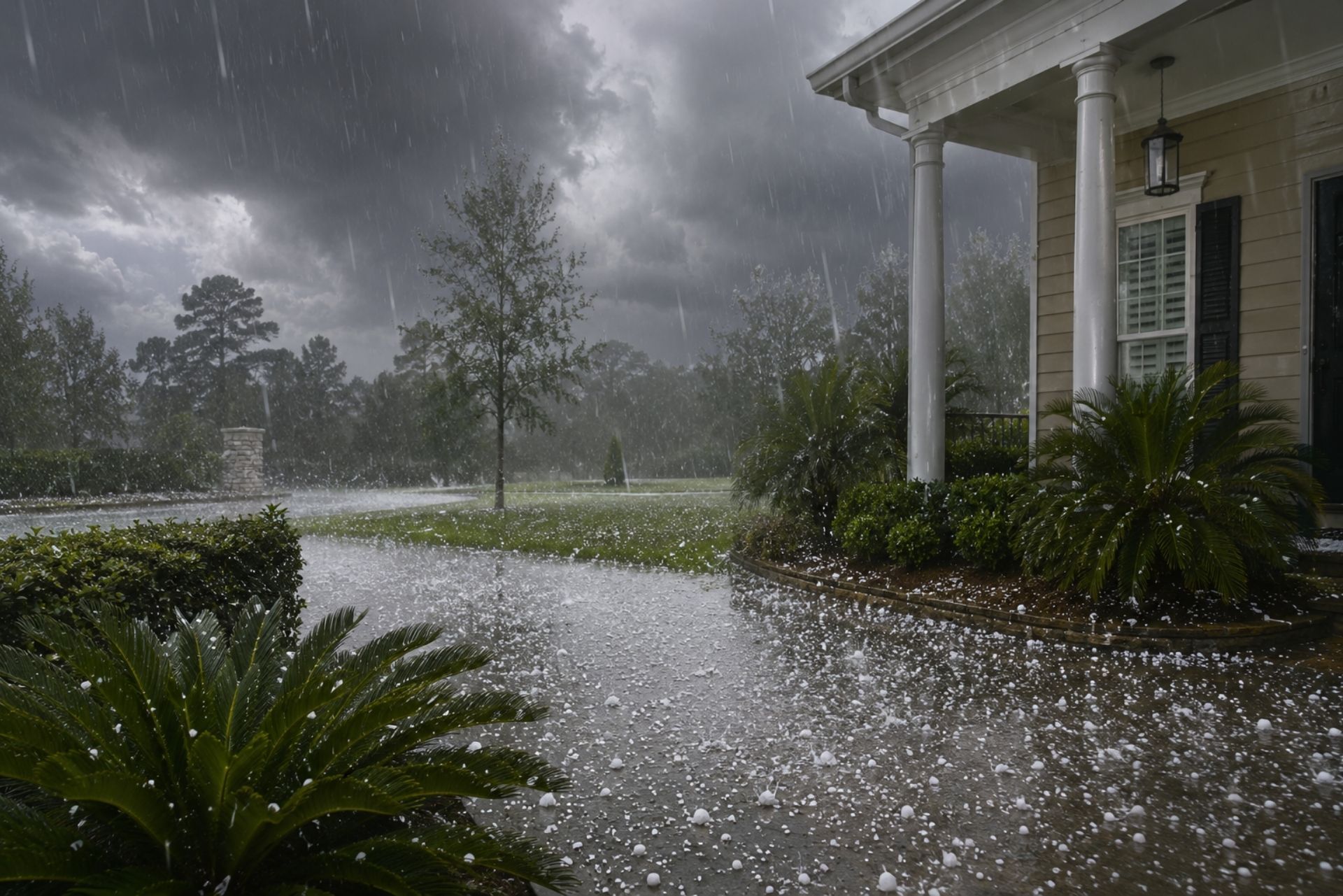
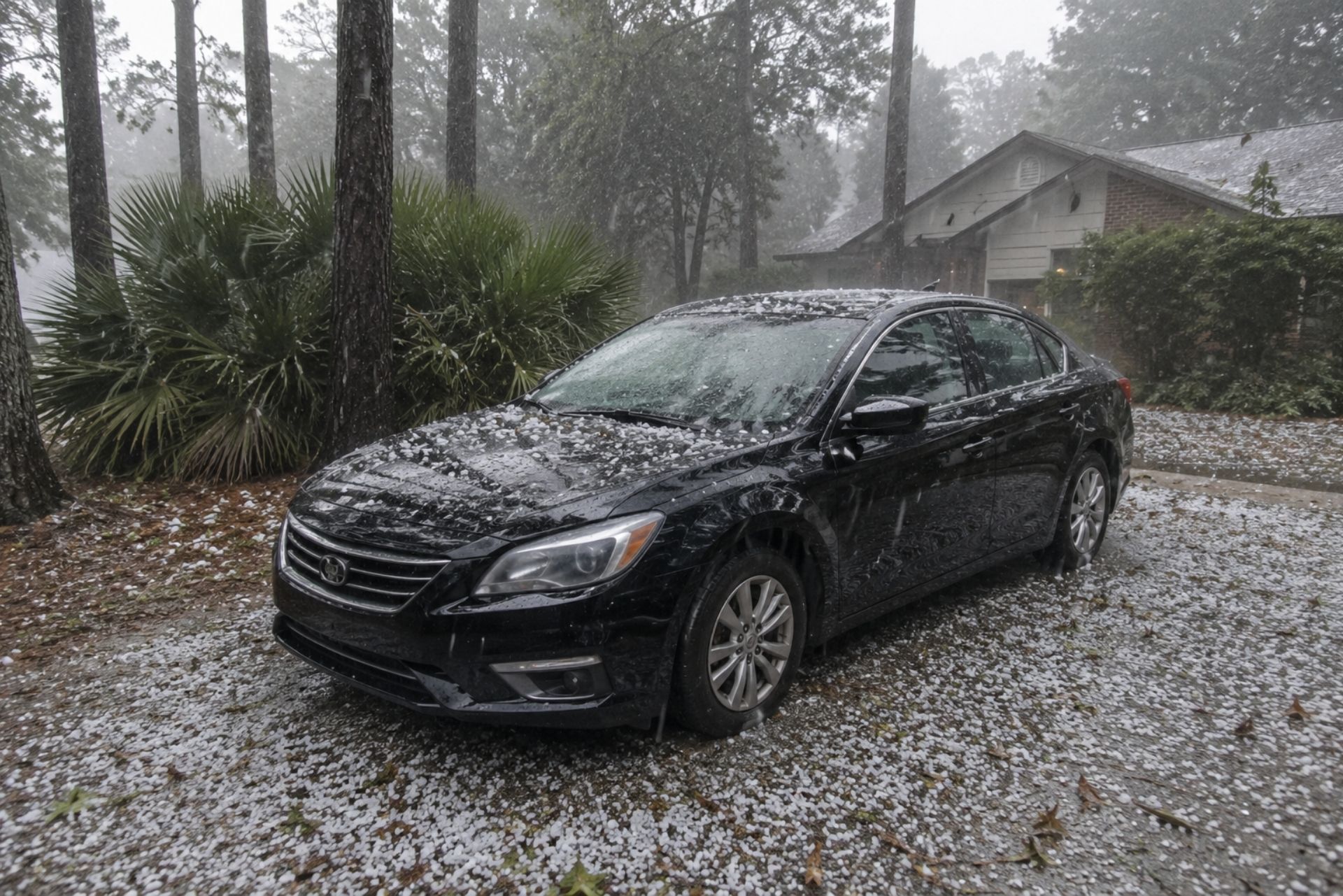
South Carolina faces a unique combination of weather threats. Hurricane season runs from June through November, and the state has been hit by several significant storms in recent memory, including Hurricane Ian's remnants in 2022 and the devastating impacts of Hurricane Florence in 2018. But hurricanes aren't the only concern. Severe thunderstorms produce damaging hail across the Midlands and Upstate, and even inland counties see wind events that can strip roofs and topple trees.


The result is an insurance market where carriers price risk very differently depending on where your property sits. A home in Florence might carry a straightforward wind deductible, while an identical home in Garden City Beach could require a separate named-storm policy with a percentage-based deductible. That geographic split is the single biggest factor in how much you'll pay and what your policy actually covers.

The Geographical Impact on Insurance Rates

The closer you are to the coast, the more you'll pay for wind coverage. Insurers divide South Carolina into wind zones, and properties within the coastal zone - roughly the area east of the Intracoastal Waterway - face the steepest premiums. Home insurance costs in South Carolina have risen sharply in recent years, driven by increased storm activity and rising reinsurance costs.


Myrtle Beach, Charleston, and Beaufort County properties often see wind premiums that are two to four times higher than comparable homes in Columbia or Rock Hill. Elevation, construction type, roof age, and proximity to the shoreline all factor into the calculation. A concrete block home with a hip roof and hurricane straps will cost significantly less to insure against wind than a wood-frame home with a gable roof and 20-year-old shingles.

Standard Homeowners Policies vs. Wind-Only Coverage

Here's where most homeowners get confused: your standard HO-3 homeowners policy might not cover wind damage if you're in a coastal zone. Many carriers either exclude wind and hail from coastal policies entirely or offer it with a separate, higher deductible. That means you could have two deductibles on the same property - one for "all other perils" and one specifically for wind and hail.


If your carrier excludes wind, you'll need a standalone wind-only policy. This is where the SCWHUA (often called the "Beach Plan") comes into play, though private market options exist too. The key takeaway: never assume your homeowners policy covers wind damage. Read the declarations page, and if you see a wind exclusion, you need a separate policy before hurricane season starts.

Your CSP agent

Lawson Walker, CIC

Insurance Sales

CSP Insurance Services is a fully licensed independent insurance agency serving individuals, families, and businesses across South Carolina.

From our home in Florence, we proudly serve clients in Florence, Myrtle Beach, Rock Hill, Columbia, and communities throughout South Carolina. As an independent Trusted Choice agency, our team works with a wide range of top-rated carriers to provide personal and commercial coverage — home, auto, business, life, and more — tailored to the real needs of the people and businesses we protect.

Boat and Watercraft Coverage for Weekend Adventures

Your homeowners policy might cover a small kayak or canoe, but anything with a motor typically needs its own policy. Boat insurance covers physical damage to the vessel, liability for injuries or property damage you cause on the water, and sometimes towing and salvage costs.


Lake-specific risks differ from coastal ones. A boat kept at Myrtle Beach faces saltwater corrosion, hurricane exposure, and higher theft rates than one stored at a private dock on Lake Wateree. Your policy should reflect where you keep and operate the boat. An independent agency like CSP Insurance Services can compare quotes across multiple marine carriers to find coverage that actually matches your boating habits rather than forcing you into a one-size-fits-all plan.

Feature Admitted (Standard) Carriers Non-Admitted (E&S) Carriers
State regulation Fully regulated; rates filed with state Exempt from rate filing; flexible pricing
Guaranty fund protection Yes: state fund covers claims if carrier fails No: no guaranty fund backstop
Policy forms Standardized (ISO forms common) Manuscript or custom forms
Risk appetite Prefers low-to-moderate risk Accepts high-risk and unusual exposures
Premium cost Generally lower Typically 20-75% higher
Surplus lines tax Not applicable Buyer pays state surplus lines tax (varies 2-5%)
Speed of placement Standard timelines Can be faster or slower depending on complexity

Businesses increasingly rely on portable tech: laptops, tablets, external drives, and mobile servers. A computer equipment floater covers these items when employees take them off-site, whether that's a sales rep carrying a laptop to a client meeting in Columbia or a nonprofit transporting presentation equipment to a fundraiser. Some policies even cover the cost of data restoration, which can be more expensive than the hardware itself.

How Named-Storm and Hurricane Deductibles Work

Named-storm deductibles are one of the most misunderstood parts of South Carolina insurance. Unlike a standard $1,000 or $2,500 deductible, a named-storm deductible is typically calculated as a percentage of your home's insured value. That percentage can turn into a very large number very quickly.

Percentage-Based vs. Flat-Dollar Deductibles

Most wind policies in coastal South Carolina use percentage-based deductibles for named storms, typically ranging from 1% to 5% of your dwelling coverage amount. On a home insured for $400,000, a 5% hurricane deductible means you're responsible for the first $20,000 of damage before insurance pays a dime.

Deductible Type Example (on $400,000 home) Best For
1% Named Storm $4,000 out of pocket Lower risk tolerance, higher premiums
2% Named Storm $8,000 out of pocket Moderate balance of cost and coverage
5% Named Storm $20,000 out of pocket Budget-conscious, higher risk tolerance
Flat $2,500 $2,500 out of pocket Non-coastal or non-named-storm events

Some carriers offer the option to buy down your percentage deductible, meaning you pay a higher premium in exchange for a lower deductible. This is worth exploring if you don't have $10,000 to $20,000 in liquid savings to cover a deductible after a storm.

Triggers for Named-Storm Claims

A named-storm deductible only kicks in when the National Weather Service officially names a tropical system. If a thunderstorm with 70 mph straight-line winds damages your roof in July but it's not a named storm, your standard "all other perils" deductible applies instead. The moment a storm gets a name - whether it's a tropical storm or a full hurricane - the higher percentage deductible takes effect.


The SC Department of Insurance has published guidance on how these deductibles are triggered, and the trigger window matters. Some policies apply the named-storm deductible from the moment a hurricane watch is issued until 72 hours after the storm passes. Others use different windows. Read your policy language carefully, because a claim filed one day too late or too early could mean the difference between a $2,500 deductible and a $15,000 one.

The South Carolina Wind and Hail Underwriting Association (SCWHUA)

The SCWHUA exists because the private market can't - or won't - cover every coastal property. Created by the state legislature, it functions as a residual market insurer, providing wind and hail coverage to property owners who can't find it elsewhere. Think of it as the safety net, not the first option.

The Role of the 'Beach Plan' for Coastal Residents

Locals call it the "Beach Plan," and it covers properties in the 17 coastal counties most exposed to hurricane risk. The SCWHUA writes wind-only and hail-only policies for residential and commercial properties, filling the gap left when private carriers exclude wind from their policies.


That said, the SCWHUA only holds about an 8% market share, meaning 92% of coastal property owners find wind coverage through private insurers. The Beach Plan tends to be more expensive than private market alternatives, and its coverage limits may be lower. It's designed as a last resort, not a first choice. But for some properties - especially older homes near the beach or commercial buildings in high-exposure zones - it may be the only option available.

Eligibility and Application for the Residual Market

To qualify for SCWHUA coverage, you generally need to demonstrate that you've been turned down by at least one private carrier. Your property must be located in an eligible coastal county, and it needs to meet basic building code requirements. Properties that are severely deteriorated or don't meet minimum wind-resistance standards may be declined even by the Beach Plan.


The application process typically goes through a licensed insurance agent. An independent agency like CSP Insurance Services can handle this for you, checking the private market first and then moving to the SCWHUA if no other options exist. The process isn't instant - inspections may be required, and coverage can take several weeks to bind during peak season. Don't wait until June to start looking.

Boat and Watercraft Coverage for Weekend Adventures

Your homeowners policy might cover a small kayak or canoe, but anything with a motor typically needs its own policy. Boat insurance covers physical damage to the vessel, liability for injuries or property damage you cause on the water, and sometimes towing and salvage costs.


Lake-specific risks differ from coastal ones. A boat kept at Myrtle Beach faces saltwater corrosion, hurricane exposure, and higher theft rates than one stored at a private dock on Lake Wateree. Your policy should reflect where you keep and operate the boat. An independent agency like CSP Insurance Services can compare quotes across multiple marine carriers to find coverage that actually matches your boating habits rather than forcing you into a one-size-fits-all plan.

Boat and Watercraft Coverage for Weekend Adventures

Your homeowners policy might cover a small kayak or canoe, but anything with a motor typically needs its own policy. Boat insurance covers physical damage to the vessel, liability for injuries or property damage you cause on the water, and sometimes towing and salvage costs.


Lake-specific risks differ from coastal ones. A boat kept at Myrtle Beach faces saltwater corrosion, hurricane exposure, and higher theft rates than one stored at a private dock on Lake Wateree. Your policy should reflect where you keep and operate the boat. An independent agency like CSP Insurance Services can compare quotes across multiple marine carriers to find coverage that actually matches your boating habits rather than forcing you into a one-size-fits-all plan.

Feature Admitted (Standard) Carriers Non-Admitted (E&S) Carriers
State regulation Fully regulated; rates filed with state Exempt from rate filing; flexible pricing
Guaranty fund protection Yes: state fund covers claims if carrier fails No: no guaranty fund backstop
Policy forms Standardized (ISO forms common) Manuscript or custom forms
Risk appetite Prefers low-to-moderate risk Accepts high-risk and unusual exposures
Premium cost Generally lower Typically 20-75% higher
Surplus lines tax Not applicable Buyer pays state surplus lines tax (varies 2-5%)
Speed of placement Standard timelines Can be faster or slower depending on complexity

Comparing Private Market vs. SCWHUA Coverage

Since 92% of coastal property owners secure wind coverage through private insurers, the private market clearly works for most people. But how do you know which route is right for you?


Private carriers typically offer broader coverage options, lower premiums, and the ability to bundle wind coverage with your homeowners policy. They're also more likely to offer deductible buydown options and replacement cost coverage. The SCWHUA, by contrast, offers actual cash value coverage on some policies, which means depreciation reduces your payout. That's a significant difference on a 15-year-old roof.

Feature Private Market SCWHUA (Beach Plan)
Premium Cost Generally lower Generally higher
Deductible Options More flexible Limited options
Coverage Valuation Replacement cost available May be actual cash value
Bundling Can bundle with HO policy Wind-only, separate policy
Availability May decline high-risk properties Accepts most eligible properties
Claims Service Varies by carrier State-administered

The catch is that private carriers can be selective. If your home is older, has a roof past its expected lifespan, or sits directly on the beachfront, you may find that private options dry up. This is where working with an independent agency pays off - agencies like CSP Insurance Services can shop across multiple carriers to find coverage before resorting to the residual market. Being prepared before the next storm is far easier when you have someone checking all available options on your behalf.

Specialty Lines: Flood, Earthquake, and Valuable Items

Flood insurance is a separate policy, typically written through FEMA's National Flood Insurance Program or a private carrier. If your home sits in a designated flood zone anywhere along the SC coast or near inland rivers, your mortgage lender will require it. But even homes outside mapped flood zones can flood: roughly 25% of flood claims come from properties in low-to-moderate risk areas.


Earthquake coverage is less common in South Carolina, but the state sits near the Charleston fault zone, which produced a magnitude 7.3 quake in 1886. A rider or standalone earthquake policy is worth considering if you're in the Lowcountry.


Scheduled personal property endorsements cover high-value items like jewelry, art, firearms, or musical instruments that exceed standard policy sub-limits. Most homeowners policies cap jewelry coverage at $1,500-$2,500 per item. If your engagement ring is worth $8,000, you need a scheduled endorsement or inland marine floater to cover the difference.

Frequently Asked Questions About SC Wind Insurance

Do I need a separate wind and hail policy if I live inland? Probably not. Most standard homeowners policies include wind and hail coverage for properties outside the coastal zone. Check your declarations page to confirm.


When does hurricane season start in South Carolina? Hurricane season officially runs June 1 through November 30, though storms can form outside that window. Most carriers stop writing or modifying wind policies once a named storm enters the Gulf or Atlantic, so plan ahead.


Can I lower my named-storm deductible? Yes. Many private carriers offer deductible buydown endorsements. You'll pay a higher annual premium, but your out-of-pocket cost after a hurricane drops significantly.


Does the SCWHUA cover flood damage? No. The Beach Plan covers wind and hail only. Flood insurance is a completely separate policy, typically through the National Flood Insurance Program (NFIP) or a private flood insurer.


What happens if my private carrier drops my wind coverage? You'll receive a nonrenewal notice, usually 60 to 90 days before your policy expires. Use that time to shop for a new private carrier. If none will write your wind coverage, apply to the SCWHUA through a licensed agent.


Are there coverage gaps businesses commonly overlook? Yes. Business owners often forget about business interruption coverage tied to wind events, debris removal costs, and ordinance or law coverage that pays for code upgrades required after storm damage. These gaps can be financially devastating.

Boat and Watercraft Coverage for Weekend Adventures

Your homeowners policy might cover a small kayak or canoe, but anything with a motor typically needs its own policy. Boat insurance covers physical damage to the vessel, liability for injuries or property damage you cause on the water, and sometimes towing and salvage costs.


Lake-specific risks differ from coastal ones. A boat kept at Myrtle Beach faces saltwater corrosion, hurricane exposure, and higher theft rates than one stored at a private dock on Lake Wateree. Your policy should reflect where you keep and operate the boat. An independent agency like CSP Insurance Services can compare quotes across multiple marine carriers to find coverage that actually matches your boating habits rather than forcing you into a one-size-fits-all plan.

Boat and Watercraft Coverage for Weekend Adventures

Your homeowners policy might cover a small kayak or canoe, but anything with a motor typically needs its own policy. Boat insurance covers physical damage to the vessel, liability for injuries or property damage you cause on the water, and sometimes towing and salvage costs.


Lake-specific risks differ from coastal ones. A boat kept at Myrtle Beach faces saltwater corrosion, hurricane exposure, and higher theft rates than one stored at a private dock on Lake Wateree. Your policy should reflect where you keep and operate the boat. An independent agency like CSP Insurance Services can compare quotes across multiple marine carriers to find coverage that actually matches your boating habits rather than forcing you into a one-size-fits-all plan.

Feature Admitted (Standard) Carriers Non-Admitted (E&S) Carriers
State regulation Fully regulated; rates filed with state Exempt from rate filing; flexible pricing
Guaranty fund protection Yes: state fund covers claims if carrier fails No: no guaranty fund backstop
Policy forms Standardized (ISO forms common) Manuscript or custom forms
Risk appetite Prefers low-to-moderate risk Accepts high-risk and unusual exposures
Premium cost Generally lower Typically 20-75% higher
Surplus lines tax Not applicable Buyer pays state surplus lines tax (varies 2-5%)
Speed of placement Standard timelines Can be faster or slower depending on complexity

Making the Right Choice for Your Coastal Property

Choosing the right wind and hail coverage comes down to three things: where your property sits, what your budget can handle for a deductible, and whether the private market will write your risk. Start by reading your current homeowners policy to see if wind is included or excluded. If it's excluded, get quotes from multiple private carriers before turning to the SCWHUA.


Roof condition matters more than almost anything else. If your roof is approaching 15 to 20 years old, replacing it before you shop for wind coverage can dramatically improve your options and pricing. Carriers are far more willing to write coastal wind policies on homes with newer, impact-rated roofing systems.


If you're unsure where to start, CSP Insurance Services works with multiple carriers across South Carolina and can compare private market options against Beach Plan pricing for your specific property. Having an independent agent in your corner means you're not locked into one carrier's answer. You can request a quote to see what's available for your home or business before storm season narrows your options.

About the author

Lawson Walker, CIC

I'm proud to be part of an agency that's served Florence since 1939. CSP Insurance Services started as Cormell-Streett & Patterson, built by people who believed insurance should be personal — and more than eight decades later, that conviction still drives everything we do. Commitment, Service, Protection isn't just what CSP stands for; it's how I approach every client relationship.


As an independent, Trusted Choice agency, we aren't tied to any single carrier. That means I work for you — shopping multiple companies to match you with coverage that actually fits your family, your business, and your budget. No call centers, no chatbots. Just a local expert who takes the time to understand what matters to you and stands by you when it counts.


Whether you're protecting your home, your car, or a business you've spent years building, I'd be glad to help you find the right coverage.

We compare several carriers to find a policy that fits you, not one company's products.

80+ years local experience

1939

Serving SC

Meet Richard

Most Requested

Core business coverage.

The policies most South Carolina businesses start with.

Commercial Property

Protect the building, equipment, and inventory your business runs on, so a covered fire, theft, or storm doesn’t become a closed door.

Workers Compensation

Required for most South Carolina employers with staff. It covers medical bills and lost wages when an employee is hurt on the job.

Commercial Auto

Cars, trucks, and fleets used for work need more than a personal policy. This handles liability, damage, and your drivers.

General Liability

Accidents happen on the job and on your property. General liability covers third-party injury and property damage claims against your business.

Inland Marine

Tools, equipment, and goods on the move aren’t covered by standard property policies. Inland marine protects them wherever they travel.

Business Owners (BOP)

A business owners policy bundles property and liability coverage into one package, often at a better price for small businesses.

We compare several carriers to find a policy that fits you, not one company's products.

80+ years local experience

1939

Serving SC

Insurance Sales

J. Roger Jordan, CIC

Meet Richard

[CONFIRM bio]

Personal Insurance

Coverage for your home, vehicles, and family.

Protect what matters most with personal policies shopped across our carriers.

Home

Your house is likely your largest investment. Home insurance helps rebuild after covered damage and protects you from liability.

Auto

South Carolina drivers need real protection. Auto coverage handles liability, collision, medical costs, and uninsured drivers.

Umbrella

When a serious claim climbs past your home or auto limits, umbrella coverage adds an extra layer of liability protection.

Boat

Time on the water should be worry-free. Boat coverage protects your vessel, your passengers, and your liability on the lake or coast.

Motorcycle

Riders need coverage built for the road. Motorcycle insurance protects your bike, your gear, and you after an accident.

Condo

Your association covers the building, but not what’s inside. Condo insurance protects your belongings, improvements, and liability.

We compare several carriers to find a policy that fits you, not one company's products.

80+ years local experience

1939

Serving SC

Insurance Sales

J. Roger Jordan, CIC

Meet Richard

[CONFIRM bio]

Get a Quote

Boat

Your association covers the building, but not what’s inside. Condo insurance protects your belongings, improvements, and liability.

Time on the water should be worry-free. Boat coverage protects your vessel, your passengers, and your liability on the lake or coast.

Condo

Get a Quote

Motorcycle

Riders need coverage built for the road. Motorcycle insurance protects your bike, your gear, and you after an accident.

Get a Quote

Industries We Serve

Specialized coverage for your industry.

Every industry carries its own risk. We help South Carolina businesses protect what they've built.

Restaurants

Kitchens, customers, and staff create daily exposure. We protect your property, equipment, liquor liability, and employees.

Manufacturers

From equipment breakdown to product liability, manufacturers face risk on the floor and beyond. We help cover property, machinery, and goods.

Healthcare Providers

Practices and clinics carry patient, property, and professional risk. We help cover liability, equipment, and the people who run your practice.

We compare several carriers to find a policy that fits you, not one company's products.

80+ years local experience

1939

Serving SC

Commercial Property

Protect the building, equipment, and inventory your business runs on, so a covered fire, theft, or storm doesn’t become a closed door.

Meet Richard View all business coverage Get a Quote

Commercial Auto

Get a Quote

Cars, trucks, and fleets used for work need more than a personal policy. This handles liability, damage, and your drivers.

How It Works

Getting covered is simple.

Four steps, one real person from start to finish.

Tell us about you

Share a few details about what you need to protect. A real person reviews it.

We compare carriers

We shop options across our carriers to find strong protection at a fair price.

We recommend coverage

We walk you through the policy in plain language and answer every question.

You get covered

Sign with confidence — and we stay on for changes, claims, and yearly reviews.

We compare several carriers to find a policy that fits you, not one company's products.

Multi-carrier choice

Claims advocacy

When a claim happens, we stand in your corner and help move it forward with your carrier.

Local SC roots

We live and work in Florence and understand the risks your community faces because we face them too.

Client Reviews

Why clients choose CSP.

Independent advice, real people, and decades of local roots.

We compare several carriers to find a policy that fits you, not one company's products.

80+ years local experience

1939

Serving SC

Insurance Sales

J. Roger Jordan, CIC

Meet Richard

[CONFIRM bio]

Get a Quote

Boat

Your association covers the building, but not what’s inside. Condo insurance protects your belongings, improvements, and liability.

Time on the water should be worry-free. Boat coverage protects your vessel, your passengers, and your liability on the lake or coast.

Condo

Get a Quote

Motorcycle

Riders need coverage built for the road. Motorcycle insurance protects your bike, your gear, and you after an accident.

Get a Quote

FAQs

Questions, answered.

Straight answers about working with an independent agency.

  • What does an independent insurance agency do?

    An independent agency represents several carriers instead of one. We compare coverage and pricing across companies, then recommend the policy that fits you best.

  • Do you cover both personal and business insurance?

    Yes. CSP writes personal lines like home and auto, and commercial lines for businesses across South Carolina.

  • How long has CSP been in business?

    CSP traces its roots to 1939, with more than 80 years serving South Carolina families and businesses.

  • Will I work with a real person?

    Always. No call centers and no chatbots — you work with a local team member who knows your account.

  • Which areas do you serve?

    We’re based in Florence and serve clients statewide, including Myrtle Beach, Rock Hill, and Columbia.

  • How do I get a quote?

    Request a quote online, call us, or stop by the office. A real person will review your needs and follow up.

How It Works

Insurance tips & updates.

Plain-language guidance to help you make confident decisions.

How Much Does Business Insurance Cost for a Small Business in Florence, SC?
6 August 2026
Learn how much small business insurance costs in Florence, SC, including GL, workers’ comp, property coverage, pricing factors, and ways to save.
What Insurance Does a Small Business in South Carolina Legally Need?
6 August 2026
Learn what insurance South Carolina small businesses legally need, including workers’ comp, commercial auto, and essential coverage beyond state requirements.
Group Health Insurance vs. Individual Plans: Which Is Right for SC Employers?
6 August 2026
Compare group health insurance vs. individual plans for SC employers. Learn costs, tax benefits, ICHRA options, and the best fit for your team.

We compare several carriers to find a policy that fits you, not one company's products.

80+ years local experience

1939

Serving SC

Insurance Sales

J. Roger Jordan, CIC

Meet Richard

[CONFIRM bio]

Get a Quote

Boat

Your association covers the building, but not what’s inside. Condo insurance protects your belongings, improvements, and liability.

Time on the water should be worry-free. Boat coverage protects your vessel, your passengers, and your liability on the lake or coast.

Condo

Get a Quote

Motorcycle

Riders need coverage built for the road. Motorcycle insurance protects your bike, your gear, and you after an accident.


Get a Quote

Get a Quote

Let's find your coverage.

Tell us a little about what you need to protect. A real person from our Florence team will review it and follow up.

2420 Hoffmeyer Road, Suite D
Florence, SC 29501

Mon–Fri 8:30am – 5:00pm