

CSP Insurance Services was founded in 1939, when Clifford Cormell joined Earnest Streett to sell insurance in Florence. More than 80 years later, we still answer the phone ourselves. No call centers, no chatbots — just a local team that knows your name and your policy.
We compare several carriers to find a policy that fits you, not one company's products.
◆
80+ years local experience
Hospital bills, treatment, and prescriptions for a work-related injury or illness.
Medical expenses
Claims history
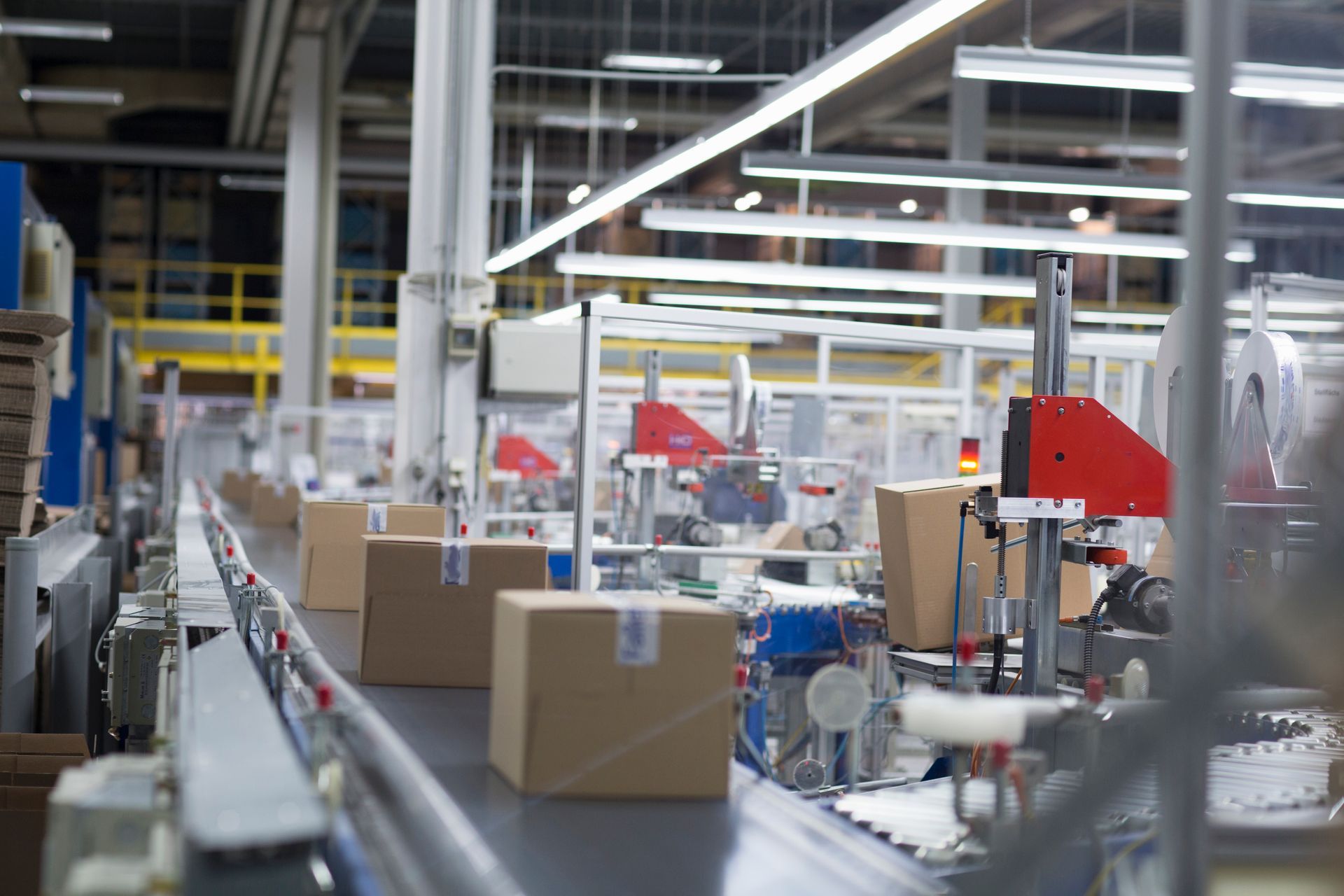
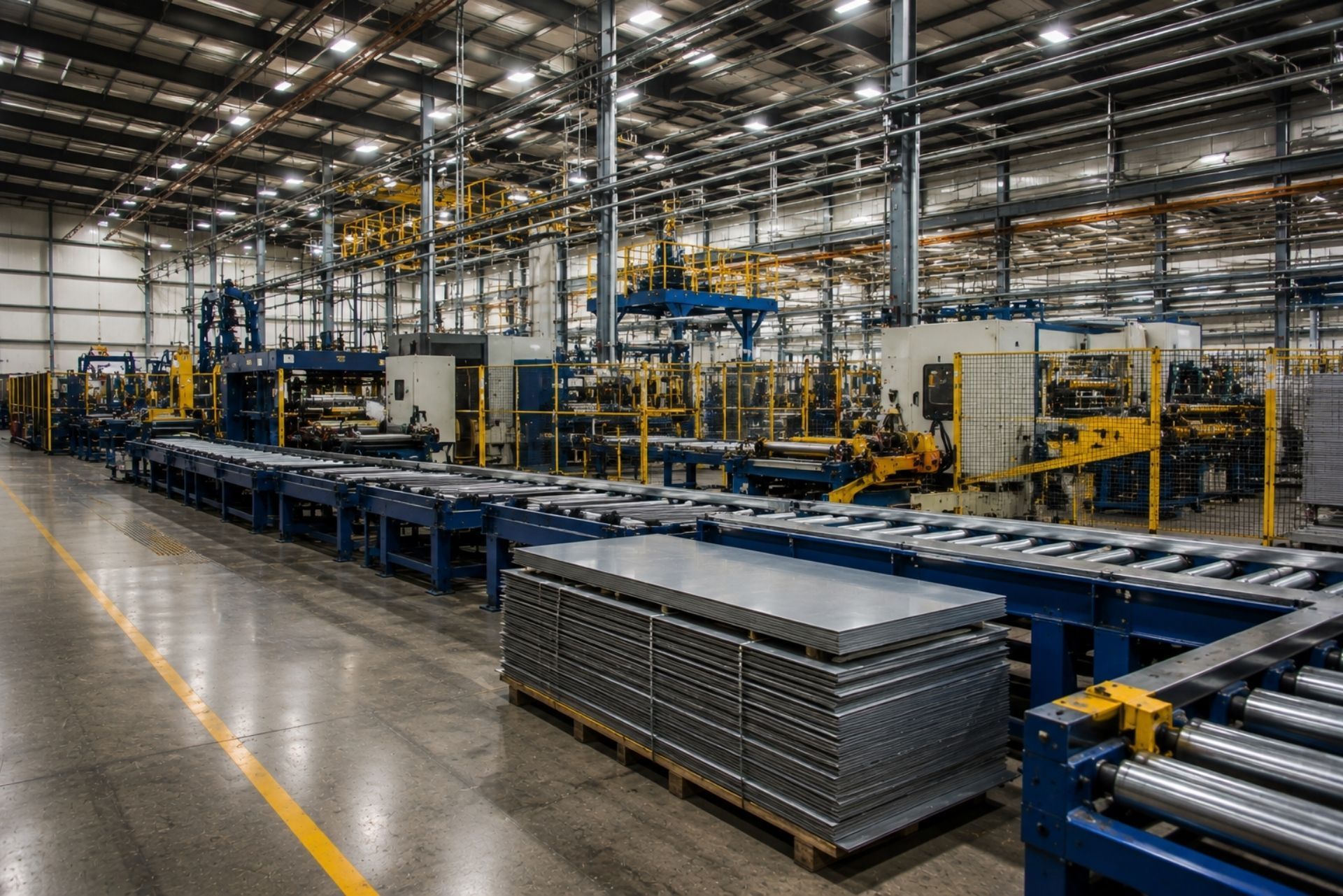
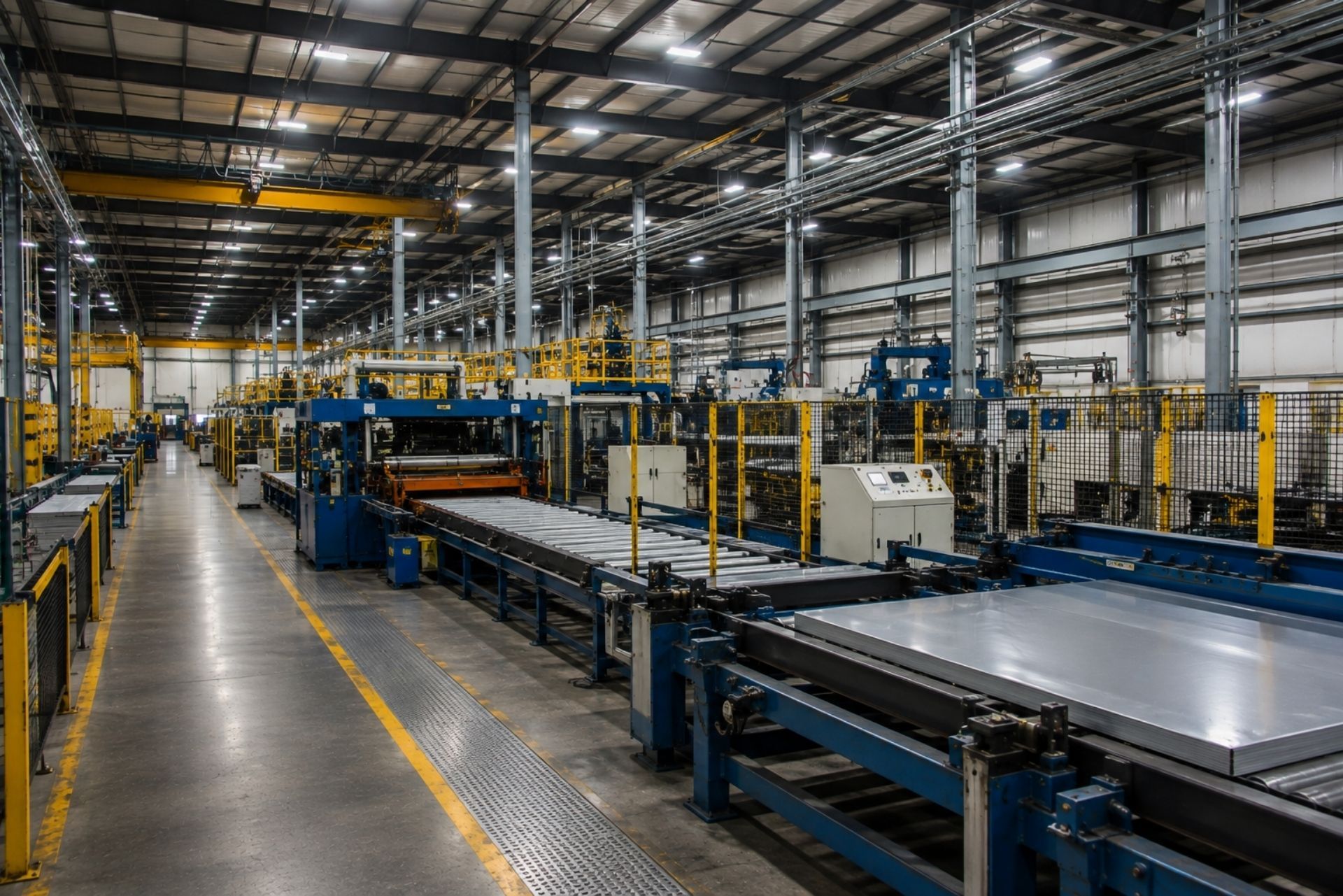
A single fire at a textile plant in Upstate South Carolina can shut down production for months. A forklift accident at a Florence distribution center can generate six-figure medical bills before the end of the week. And a defective component shipped from your facility in Rock Hill? That product liability claim could outlast your entire fiscal year. Manufacturing is one of the most exposure-heavy industries in the country, and the insurance program protecting your operation needs to reflect that reality.
This guide to manufacturer insurance covers the essential policies every production facility should carry: general liability, workers' compensation, commercial auto, and the industry-specific coverages that fill the gaps standard packages leave wide open. Whether you're running a food processing line along the Grand Strand or fabricating metal parts in Columbia, the right combination of policies is what stands between your business and a catastrophe that no amount of good management can absorb.
The good news? The market is actually working in your favor right now. Global commercial insurance rates fell by an average of 6% in Q2 2026, marking the eighth consecutive quarter of declining rates. That means manufacturers shopping for coverage in 2026 have more room to negotiate and more options to consider than they've had in years. But cheaper premiums don't help if you're buying the wrong policies.
Understanding Risk in the Manufacturing Sector
Manufacturing plants face a unique intersection of hazards that most commercial insurance packages weren't designed to handle. Heavy machinery, chemical storage, repetitive motion injuries, supply chain dependencies, environmental exposure, and product liability all converge under one roof. A standard business owner's policy (BOP) might cover a retail shop or a consulting firm just fine, but it leaves a manufacturer dangerously underinsured.
South Carolina's manufacturing sector is the backbone of the state's economy, with over 250,000 workers employed across automotive, aerospace, plastics, food processing, and textile operations. Each sub-sector carries its own risk profile, and the policies protecting a chemical manufacturer in the Lowcountry look nothing like those covering an electronics assembler in the Upstate.
Why Standard Business Policies Aren't Enough
A typical BOP bundles general liability with property coverage and maybe a small business interruption rider. That sounds reasonable until you realize it probably excludes pollution events, limits equipment breakdown coverage to a fraction of your machinery's replacement cost, and caps product liability at levels that wouldn't cover a single multi-state recall.
Manufacturers also deal with regulatory exposure that retail and service businesses don't face. OSHA citations, EPA compliance, DOT requirements for fleet vehicles: each of these creates a potential liability that a standard policy either excludes or sub-limits into irrelevance. The cost of filling those gaps with endorsements and standalone policies is almost always less than the cost of discovering them during a claim.
The Real Cost of Equipment Failure and Product Recalls
Equipment failure doesn't just mean repair bills. A blown compressor or failed CNC machine can halt an entire production line, and every hour of downtime translates directly to lost revenue and missed delivery deadlines. Business interruption losses from a single major equipment failure routinely exceed $500,000 for mid-size manufacturers.
Product recalls present an even more alarming picture. While the frequency of recalls has actually dipped slightly, the scale has surged: units recalled have hit a four-year high, meaning each individual recall event affects far more consumers and costs exponentially more to manage. The product recall insurance market in 2026 reflects this shift, with carriers paying closer attention to supply chain traceability and quality control documentation before writing policies.


Your CSP agent
Lawson Walker, CIC
Insurance Sales
On this page
CSP Insurance Services is a fully licensed independent insurance agency serving individuals, families, and businesses across South Carolina.
From our home in Florence, we proudly serve clients in Florence, Myrtle Beach, Rock Hill, Columbia, and communities throughout South Carolina. As an independent Trusted Choice agency, our team works with a wide range of top-rated carriers to provide personal and commercial coverage — home, auto, business, life, and more — tailored to the real needs of the people and businesses we protect.
Core Coverage: General Liability, Workers Comp, and Commercial Auto
These three policies form the foundation of any manufacturer's insurance program. Think of them as the minimum viable coverage: not sufficient on their own, but absolutely non-negotiable.
General Liability and Product Liability Differences
General liability (GL) covers third-party bodily injury and property damage that occurs on your premises or as a result of your operations. If a visitor slips on your warehouse floor, GL responds. Product liability is a related but distinct coverage that kicks in when a product you manufactured causes harm after it leaves your facility.
Some GL policies include product liability as a built-in coverage, but the limits are often shared. That means a premises injury claim could eat into the coverage available for a product defect claim in the same policy year. For manufacturers with significant distribution, a standalone product liability policy or a higher aggregate limit is worth the additional premium. The distinction matters most when you're selling into multiple states, because each jurisdiction has its own statute of limitations and standards for product defect claims.
Workers' Compensation for High-Risk Environments
South Carolina requires workers' compensation for any employer with four or more employees. Manufacturing operations typically fall into higher classification codes, which means higher base rates. A metal fabrication shop, for example, pays significantly more per $100 of payroll than an office-based business.
The real cost driver isn't the premium, though: it's the experience modification rate (EMR). Your EMR reflects your actual claims history against the industry average. An EMR above 1.0 means you're paying a surcharge; below 1.0 means you're getting a credit. Investing in safety programs, proper training, and return-to-work protocols directly reduces your EMR over time. An agency like CSP Insurance Services, which has been writing commercial policies in South Carolina since 1939, can help you identify which loss control measures will have the biggest impact on your mod rate.
Commercial Auto for Logistics and Distribution
If your operation includes delivery trucks, service vehicles, or even employee-driven company cars, you need commercial auto coverage. South Carolina's minimum auto liability limits are 25/50/25 (that's $25,000 per person, $50,000 per accident for bodily injury, and $25,000 for property damage), but those minimums are dangerously low for a commercial fleet.
A loaded delivery truck that causes a multi-vehicle accident on I-95 can generate claims well into seven figures. Most manufacturers should carry at least $1 million in combined single-limit coverage, with an umbrella policy layered on top. Don't forget hired and non-owned auto coverage if employees ever use personal vehicles for company errands: that gap catches more businesses off guard than you'd expect.

Industry-Specific Policies for Specialized Manufacturers
The core policies handle the broad strokes. These specialized coverages address the risks unique to production environments.
Equipment Breakdown and Business Interruption
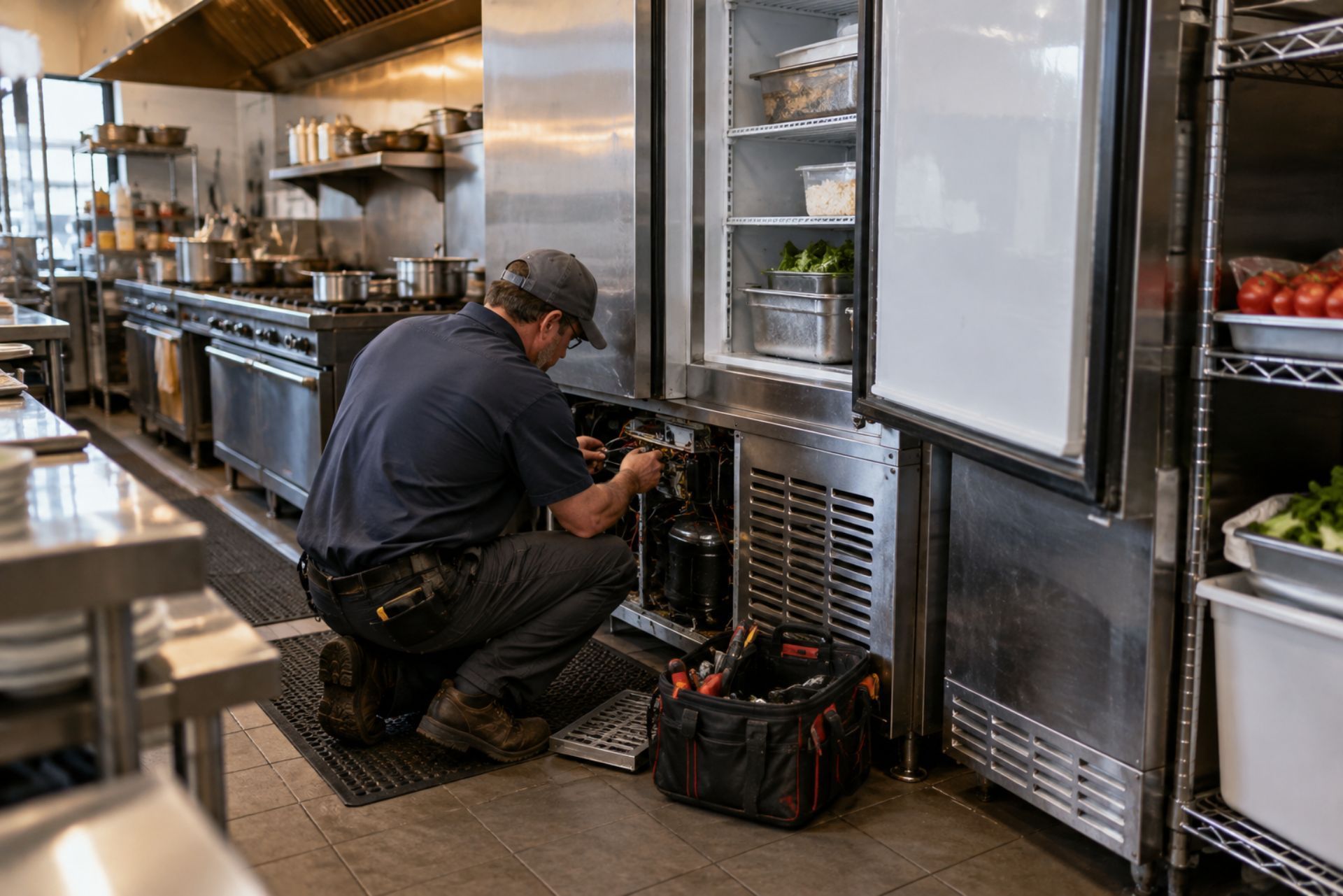
Equipment breakdown insurance (sometimes called boiler and machinery coverage) pays for the repair or replacement of failed equipment and, critically, covers the resulting business interruption losses. Standard property policies typically exclude mechanical and electrical breakdown, so this is a separate purchase.
Business interruption coverage within this policy reimburses lost income and extra expenses during the downtime period. For manufacturers running tight production schedules, even 48 hours of unplanned downtime can cascade into contract penalties, expedited shipping costs, and lost customers. The manufacturing insurance cycle in 2026 has made these policies more competitively priced, so there's less excuse than ever to go without one.
Inland Marine Insurance for Goods in Transit
If your raw materials or finished products travel between locations: whether by your own trucks or third-party carriers: inland marine insurance fills a critical gap. Standard property coverage protects goods at your facility, but once they're loaded onto a truck or sitting in a temporary storage location, that coverage often stops.
Inland marine policies cover goods in transit, at temporary locations, and sometimes even at customer sites before delivery is accepted. For South Carolina manufacturers shipping along the I-85 corridor or through the Port of Charleston, this coverage is essential.
Environmental and Pollution Liability
Environmental claims are no longer a problem reserved for chemical plants and refineries. Environmental litigation is reshaping earnings forecasts across multiple manufacturing sectors in 2026, and manufacturers should be monitoring new regulatory developments closely.
Pollution liability insurance covers cleanup costs, third-party bodily injury, and legal defense expenses arising from pollution events. In South Carolina, where many manufacturing facilities sit near wetlands or in flood-prone coastal areas, the risk of a contamination event spreading beyond your property line is real. Standard GL policies almost universally exclude pollution, so this is a standalone purchase.
Comparing Coverage Levels for Your Facility
Comparison Table: Basic vs. Comprehensive Manufacturing Plans
| Coverage Area | Basic Plan | Comprehensive Plan |
|---|---|---|
| General Liability | $1M per occurrence / $2M aggregate | $2M per occurrence / $4M aggregate |
| Product Liability | Included in GL limits (shared) | Standalone policy with separate limits |
| Workers' Comp | State minimum; no loss control support | Enhanced with safety program credits and return-to-work protocols |
| Commercial Auto | State minimum (25/50/25) | $1M CSL with hired/non-owned auto |
| Equipment Breakdown | Not included | Full replacement cost with business interruption |
| Inland Marine | Not included | Covers goods in transit and at temporary locations |
| Environmental Liability | Excluded | Standalone pollution policy |
| Umbrella/Excess | None | $2M-$5M umbrella over primary policies |
The basic plan might keep you technically legal, but it leaves enormous gaps. Most manufacturers with annual revenue above $2 million should be building toward the comprehensive column.
Common Questions About Manufacturing Insurance
FAQ: Cost, Compliance, and Claim Basics
How much does manufacturing insurance cost in South Carolina? Premiums vary widely based on your sub-industry, payroll, revenue, claims history, and specific operations. A small plastics manufacturer might pay $15,000-$30,000 annually for a solid program, while a larger food processing facility could see six-figure premiums. Working with an independent agency that shops multiple carriers is the fastest way to find competitive pricing.
Is product liability insurance required by law? No state law mandates it, but many contracts and distribution agreements require it. If you're selling to retailers, government agencies, or large OEMs, you'll almost certainly need proof of product liability coverage to maintain those relationships.
What happens if I don't carry workers' comp in South Carolina? Employers with four or more workers who fail to carry workers' compensation face penalties from the SC Workers' Compensation Commission, including fines and potential criminal charges. You also lose the exclusive remedy protection that shields employers from employee lawsuits.
Does my property policy cover flood damage? Almost never. Flood coverage requires a separate policy, typically through the National Flood Insurance Program or a private flood carrier. This is especially relevant for manufacturers in Myrtle Beach, Georgetown, and other coastal areas.
Can I bundle all my manufacturing coverages into one policy? Some carriers offer manufacturer's package policies that bundle GL, property, equipment breakdown, and inland marine. These can offer premium savings, but the limits and terms may not be as flexible as standalone policies. An independent agent can compare both approaches.
Making the Right Choice for Your Factory
Getting manufacturer insurance right isn't about buying the cheapest policy or checking a compliance box. It's about understanding where your specific operation is most vulnerable and building a program that responds when those vulnerabilities become real losses. A food manufacturer in Florence faces different risks than an automotive parts supplier in Rock Hill, and their insurance programs should reflect that.
The declining rate environment in 2026 gives manufacturers a genuine opportunity to improve their coverage without breaking the budget. CSP Insurance Services works with multiple carriers across South Carolina and can provide an objective comparison of your options: no call centers, no chatbots, just direct access to people who understand manufacturing risk. If your current program hasn't been reviewed in the last 12 months, now is the time. Request a quote and find out what better coverage actually looks like for your facility.
About the author
Lawson Walker, CIC
I'm proud to be part of an agency that's served Florence since 1939. CSP Insurance Services started as Cormell-Streett & Patterson, built by people who believed insurance should be personal — and more than eight decades later, that conviction still drives everything we do. Commitment, Service, Protection isn't just what CSP stands for; it's how I approach every client relationship.
As an independent, Trusted Choice agency, we aren't tied to any single carrier. That means I work for you — shopping multiple companies to match you with coverage that actually fits your family, your business, and your budget. No call centers, no chatbots. Just a local expert who takes the time to understand what matters to you and stands by you when it counts.
Whether you're protecting your home, your car, or a business you've spent years building, I'd be glad to help you find the right coverage.
We compare several carriers to find a policy that fits you, not one company's products.
◆
80+ years local experience


1939
Serving SC

Most Requested
Core business coverage.
The policies most South Carolina businesses start with.

Commercial Property
Protect the building, equipment, and inventory your business runs on, so a covered fire, theft, or storm doesn’t become a closed door.

Workers Compensation
Required for most South Carolina employers with staff. It covers medical bills and lost wages when an employee is hurt on the job.

Commercial Auto
Cars, trucks, and fleets used for work need more than a personal policy. This handles liability, damage, and your drivers.

General Liability
Accidents happen on the job and on your property. General liability covers third-party injury and property damage claims against your business.

Inland Marine
Tools, equipment, and goods on the move aren’t covered by standard property policies. Inland marine protects them wherever they travel.

Business Owners (BOP)
A business owners policy bundles property and liability coverage into one package, often at a better price for small businesses.
We compare several carriers to find a policy that fits you, not one company's products.
◆
80+ years local experience


1939
Serving SC

Insurance Sales
J. Roger Jordan, CIC
[CONFIRM bio]
Personal Insurance
Coverage for your home, vehicles, and family.
Protect what matters most with personal policies shopped across our carriers.
Home
Your house is likely your largest investment. Home insurance helps rebuild after covered damage and protects you from liability.
Auto
South Carolina drivers need real protection. Auto coverage handles liability, collision, medical costs, and uninsured drivers.
Umbrella
When a serious claim climbs past your home or auto limits, umbrella coverage adds an extra layer of liability protection.
Boat
Time on the water should be worry-free. Boat coverage protects your vessel, your passengers, and your liability on the lake or coast.
Motorcycle
Riders need coverage built for the road. Motorcycle insurance protects your bike, your gear, and you after an accident.
Condo
Your association covers the building, but not what’s inside. Condo insurance protects your belongings, improvements, and liability.
We compare several carriers to find a policy that fits you, not one company's products.
◆
80+ years local experience


1939
Serving SC

Insurance Sales
J. Roger Jordan, CIC
[CONFIRM bio]
Boat
Your association covers the building, but not what’s inside. Condo insurance protects your belongings, improvements, and liability.
Time on the water should be worry-free. Boat coverage protects your vessel, your passengers, and your liability on the lake or coast.
Condo
Motorcycle
Riders need coverage built for the road. Motorcycle insurance protects your bike, your gear, and you after an accident.
Industries We Serve
Specialized coverage for your industry.
Every industry carries its own risk. We help South Carolina businesses protect what they've built.

Restaurants
Kitchens, customers, and staff create daily exposure. We protect your property, equipment, liquor liability, and employees.

Manufacturers
From equipment breakdown to product liability, manufacturers face risk on the floor and beyond. We help cover property, machinery, and goods.

Healthcare Providers
Practices and clinics carry patient, property, and professional risk. We help cover liability, equipment, and the people who run your practice.
We compare several carriers to find a policy that fits you, not one company's products.
◆
80+ years local experience


1939
Serving SC

Commercial Property
Protect the building, equipment, and inventory your business runs on, so a covered fire, theft, or storm doesn’t become a closed door.
Commercial Auto
Cars, trucks, and fleets used for work need more than a personal policy. This handles liability, damage, and your drivers.
How It Works
Getting covered is simple.
Four steps, one real person from start to finish.
We compare carriers
We shop options across our carriers to find strong protection at a fair price.
We compare several carriers to find a policy that fits you, not one company's products.
Multi-carrier choice
Claims advocacy
When a claim happens, we stand in your corner and help move it forward with your carrier.
Local SC roots
We live and work in Florence and understand the risks your community faces because we face them too.
Client Reviews
Why clients choose CSP.
Independent advice, real people, and decades of local roots.
We compare several carriers to find a policy that fits you, not one company's products.
◆
80+ years local experience


1939
Serving SC

Insurance Sales
J. Roger Jordan, CIC
[CONFIRM bio]
Boat
Your association covers the building, but not what’s inside. Condo insurance protects your belongings, improvements, and liability.
Time on the water should be worry-free. Boat coverage protects your vessel, your passengers, and your liability on the lake or coast.
Condo
Motorcycle
Riders need coverage built for the road. Motorcycle insurance protects your bike, your gear, and you after an accident.
FAQs
Questions, answered.
Straight answers about working with an independent agency.

What does an independent insurance agency do?
An independent agency represents several carriers instead of one. We compare coverage and pricing across companies, then recommend the policy that fits you best.
Do you cover both personal and business insurance?
Yes. CSP writes personal lines like home and auto, and commercial lines for businesses across South Carolina.
How long has CSP been in business?
CSP traces its roots to 1939, with more than 80 years serving South Carolina families and businesses.
Will I work with a real person?
Always. No call centers and no chatbots — you work with a local team member who knows your account.
Which areas do you serve?
We’re based in Florence and serve clients statewide, including Myrtle Beach, Rock Hill, and Columbia.
How do I get a quote?
Request a quote online, call us, or stop by the office. A real person will review your needs and follow up.
How It Works
Insurance tips & updates.
Plain-language guidance to help you make confident decisions.
We compare several carriers to find a policy that fits you, not one company's products.
◆
80+ years local experience


1939
Serving SC

Insurance Sales
J. Roger Jordan, CIC
[CONFIRM bio]
Boat
Your association covers the building, but not what’s inside. Condo insurance protects your belongings, improvements, and liability.
Time on the water should be worry-free. Boat coverage protects your vessel, your passengers, and your liability on the lake or coast.
Condo
Motorcycle
Riders need coverage built for the road. Motorcycle insurance protects your bike, your gear, and you after an accident.

Get a Quote
Let's find your coverage.
Tell us a little about what you need to protect. A real person from our Florence team will review it and follow up.
2420 Hoffmeyer Road, Suite D
Florence, SC 29501
Mon–Fri 8:30am – 5:00pm