


CSP Insurance Services was founded in 1939, when Clifford Cormell joined Earnest Streett to sell insurance in Florence. More than 80 years later, we still answer the phone ourselves. No call centers, no chatbots — just a local team that knows your name and your policy.
We compare several carriers to find a policy that fits you, not one company's products.
◆
80+ years local experience

Hospital bills, treatment, and prescriptions for a work-related injury or illness.
Medical expenses
Claims history
A single workplace injury can cost a small business tens of thousands of dollars in medical bills, legal fees, and lost productivity. For a restaurant in Florence dealing with a kitchen burn or a manufacturer in Rock Hill handling a machinery accident, the financial exposure is real and immediate. Workers compensation insurance exists to protect both sides of that equation: covering injured employees while shielding employers from devastating lawsuits. Here's what South Carolina business owners actually need to know about coverage, limits, and the claims process to make smart decisions and stay compliant.
What is Workers Compensation and Why Does Your Business Need It?
Workers compensation is a form of insurance that pays for medical treatment, rehabilitation, and a portion of lost wages when an employee is injured or becomes ill because of their job. It's not optional in most states, and it's not just for high-risk industries. An office worker developing carpal tunnel syndrome has just as valid a claim as a construction worker who falls from scaffolding.
For South Carolina businesses, this coverage serves a dual purpose. It guarantees employees receive care without needing to prove their employer was at fault, and it protects business owners from the unpredictable cost of workplace injury lawsuits. Private carriers have been
reporting strong underwriting profitability for over a decade, with a 91% combined ratio in 2025, which means the system is financially stable and functioning as intended.
Legal Requirements and State Compliance
South Carolina requires workers comp coverage for any business with four or more employees. That threshold is lower than many states, and it catches a lot of small businesses off guard. Sole proprietors and partners can exempt themselves, but the moment you hire that fourth person, you need a policy in place or you're risking fines and personal liability.
The South Carolina Workers' Compensation Commission enforces compliance, and penalties for operating without coverage can include fines up to $100 per day of noncompliance plus personal responsibility for all injury costs. Several states are also proposing new workers compensation legislation in 2026 that could shift these requirements further, so staying current matters.
The Exclusive Remedy Doctrine Explained
This is the trade-off at the heart of every workers comp system. Under the exclusive remedy doctrine, employees who accept workers compensation benefits generally give up their right to sue their employer for negligence. The employee gets guaranteed coverage without a lengthy court battle, and the employer gets protection from potentially massive jury verdicts.
There are exceptions. If an employer intentionally causes harm or operates with gross negligence, the exclusive remedy protection can evaporate. That's why maintaining safe working conditions isn't just ethical: it's a legal shield.


Your CSP agent
Lawson Walker, CIC
Insurance Sales
On this page
CSP Insurance Services is a fully licensed independent insurance agency serving individuals, families, and businesses across South Carolina.
From our home in Florence, we proudly serve clients in Florence, Myrtle Beach, Rock Hill, Columbia, and communities throughout South Carolina. As an independent Trusted Choice agency, our team works with a wide range of top-rated carriers to provide personal and commercial coverage — home, auto, business, life, and more — tailored to the real needs of the people and businesses we protect.
Understanding What Is (and Isn't) Covered
A workers comp policy has two main parts, and most business owners only think about one of them. Understanding both, along with common exclusions, prevents ugly surprises when a claim actually hits.
Medical Expenses and Lost Wages
Part One of a workers comp policy covers the employee directly. This includes emergency room visits, surgery, prescription medications, physical therapy, and ongoing rehabilitation. If the injury prevents the employee from working, the policy also pays a percentage of their lost wages, typically around two-thirds of their average weekly pay up to a state-set maximum.
In South Carolina, the maximum weekly compensation rate for 2026 is tied to the state's average weekly wage. For serious injuries resulting in permanent disability, benefits can extend for years. Medical costs in workers comp have been holding relatively steady through early 2026, but broader inflationary pressure could change that picture.
Employer's Liability Coverage (Part Two)
Part Two is the piece most people overlook. Employer's liability coverage kicks in when an injured worker (or their family) sues outside the normal workers comp system. This can happen when a third party is involved, when a spouse files a loss-of-consortium claim, or when the injury resulted from a particularly egregious safety failure.
Standard employer's liability limits are typically $100,000 per occurrence, $500,000 aggregate, and $100,000 per employee for disease. Many businesses, especially those in manufacturing or healthcare, should consider higher limits based on their risk profile.
Common Exclusions and Limitations
Workers comp doesn't cover everything. Injuries that happen while an employee is intoxicated, committing a crime, or violating company policy are generally excluded. Self-inflicted injuries and injuries sustained during a fight the employee started also fall outside coverage.
One area generating real debate is mental health. Some states are expanding coverage for psychological injuries, and Minnesota recently enacted legislation addressing standalone psychological injury claims in its workers comp system. South Carolina still generally requires a physical injury to accompany a mental health claim, though the connection between mental health and workers compensation is getting harder to ignore as workplace stress claims increase.

How Costs and Coverage Limits are Determined
Your premium isn't a random number. It's calculated using a specific formula: classification code rate multiplied by payroll (per $100), multiplied by your experience modification rate. Each variable matters, and understanding them gives you real control over what you pay.
Classification codes are assigned based on the type of work employees perform. A clerical office worker carries a much lower rate than a roofer. If your business has employees in multiple roles, each group gets its own classification. Misclassification is one of the most common audit findings, and it can result in significant back-charges.
Table: Understanding Policy Limits vs. State Mandates
| Component | State-Mandated Benefits (Part One) | Employer's Liability (Part Two) |
|---|---|---|
| Coverage Trigger | Any work-related injury or illness | Lawsuits beyond standard comp claims |
| Limits | Set by state law; no policy cap | Typically $100K/$500K/$100K (adjustable) |
| Who's Covered | The injured employee | The employer being sued |
| Payment Type | Medical bills + wage replacement | Legal defense + settlement/judgment |
| Can Limits Be Increased? | No (statutory) | Yes, through policy endorsement or umbrella |
The Role of Experience Modification Rates (MOD)
Your MOD rate is essentially your safety report card. A rate of 1.0 means your claims history matches the average for your industry. Below 1.0, you get a discount. Above 1.0, you pay a surcharge. A business with a MOD of 1.3 is paying 30% more than average for the same classification.
MOD rates are calculated using three years of claims data, excluding the most recent year. One bad year with multiple claims can haunt your premiums for years. This is exactly why proactive safety programs and quick return-to-work protocols pay for themselves many times over.
Navigating the Claims Process
The first 24 to 48 hours after a workplace injury set the tone for the entire claim. Handle them well, and you'll likely see faster resolution and lower costs. Handle them poorly, and you're looking at delays, disputes, and inflated expenses.
Immediate Steps After a Workplace Injury
Here's what should happen, in order:
- Get the employee medical attention immediately. Don't wait to fill out paperwork.
- Document the incident thoroughly: photos, witness statements, time and location.
- Report the injury to your insurance carrier within 24 hours. South Carolina requires employers to file a First Report of Injury within 10 days.
- File Form 12-A with the SC Workers' Compensation Commission if the injury causes more than seven days of lost work.
- Maintain communication with the injured employee. Silence breeds suspicion and litigation.
Delays in reporting are one of the biggest cost drivers in workers comp claims. The longer you wait, the more expensive the claim becomes on average.
The Importance of Return-to-Work Programs
Getting injured employees back to modified or light-duty work as soon as medically appropriate isn't just good for morale: it directly reduces claim costs. Employees who stay connected to the workplace recover faster and are far less likely to hire attorneys.
A return-to-work program doesn't have to be complicated. It can be as simple as having a list of modified duties ready for common injury types. A warehouse worker with a back strain might handle inventory paperwork for a few weeks. The key is having the plan before you need it.
An agency like CSP Insurance Services, which has been helping South Carolina businesses since 1939, can connect you with carriers that offer return-to-work program support as part of the policy. That kind of built-in guidance makes a real difference for businesses without a dedicated HR department.
Frequently Asked Questions About Workers Comp
Do I need coverage for independent contractors?
Generally, no. But the classification matters more than the title. If you control how, when, and where someone works, South Carolina may consider them an employee regardless of what your contract says. Misclassifying workers is a common audit trigger that can result in back premiums and penalties.
What happens if I don't have insurance and an employee gets hurt?
You become personally liable for all medical costs and lost wages. The state can also impose fines, issue stop-work orders, and pursue criminal charges for willful noncompliance. It's one of the fastest ways to bankrupt a small business.
Does it cover employees working from home?
Yes, if the injury arises out of and in the course of employment. A remote employee who trips over a cord during a work call has a potential claim. The tricky part is proving the injury was work-related, which is why clear remote work policies matter.
How do I lower my annual premiums?
Focus on three things: maintain a clean safety record to keep your MOD rate low, classify employees correctly to avoid overpaying, and work with an independent agency that can shop multiple carriers. OSHA has also updated its workplace heat directives, and following current safety guidelines can help prevent the types of claims that drive premiums up. CSP Insurance Services compares options across carriers to find the best fit, which is an advantage a single-carrier agent simply can't offer.
Is COVID-19 covered under workers compensation?
It depends on the job. South Carolina doesn't have a blanket presumption for COVID-19 claims, but healthcare workers and first responders may have stronger cases for coverage. The employee generally needs to prove the exposure was work-related, not a community transmission.
Making the Right Choice for Your Team
Workers compensation isn't just a line item on your insurance bill. It's the system that keeps your employees protected and your business solvent when something goes wrong. South Carolina's requirements are clear, the penalties for noncompliance are steep, and the difference between a well-managed program and a neglected one shows up directly in your bottom line.
The smartest move you can make is working with an independent agency that understands your industry, your state's regulations, and the carriers willing to compete for your business. If you're unsure whether your current coverage fits your actual risk, or if you're starting a new business and need to get this right from day one, request a quote from CSP Insurance Services. A quick conversation with someone who knows South Carolina's workers comp landscape can save you thousands in premiums and headaches down the road.
About the author
Lawson Walker, CIC
I'm proud to be part of an agency that's served Florence since 1939. CSP Insurance Services started as Cormell-Streett & Patterson, built by people who believed insurance should be personal — and more than eight decades later, that conviction still drives everything we do. Commitment, Service, Protection isn't just what CSP stands for; it's how I approach every client relationship.
As an independent, Trusted Choice agency, we aren't tied to any single carrier. That means I work for you — shopping multiple companies to match you with coverage that actually fits your family, your business, and your budget. No call centers, no chatbots. Just a local expert who takes the time to understand what matters to you and stands by you when it counts.
Whether you're protecting your home, your car, or a business you've spent years building, I'd be glad to help you find the right coverage.
We compare several carriers to find a policy that fits you, not one company's products.
◆
80+ years local experience


1939
Serving SC

Most Requested
Core business coverage.
The policies most South Carolina businesses start with.

Commercial Property
Protect the building, equipment, and inventory your business runs on, so a covered fire, theft, or storm doesn’t become a closed door.

Workers Compensation
Required for most South Carolina employers with staff. It covers medical bills and lost wages when an employee is hurt on the job.

Commercial Auto
Cars, trucks, and fleets used for work need more than a personal policy. This handles liability, damage, and your drivers.

General Liability
Accidents happen on the job and on your property. General liability covers third-party injury and property damage claims against your business.

Inland Marine
Tools, equipment, and goods on the move aren’t covered by standard property policies. Inland marine protects them wherever they travel.

Business Owners (BOP)
A business owners policy bundles property and liability coverage into one package, often at a better price for small businesses.
We compare several carriers to find a policy that fits you, not one company's products.
◆
80+ years local experience


1939
Serving SC

Insurance Sales
J. Roger Jordan, CIC
[CONFIRM bio]
Personal Insurance
Coverage for your home, vehicles, and family.
Protect what matters most with personal policies shopped across our carriers.
Home
Your house is likely your largest investment. Home insurance helps rebuild after covered damage and protects you from liability.
Auto
South Carolina drivers need real protection. Auto coverage handles liability, collision, medical costs, and uninsured drivers.
Umbrella
When a serious claim climbs past your home or auto limits, umbrella coverage adds an extra layer of liability protection.
Boat
Time on the water should be worry-free. Boat coverage protects your vessel, your passengers, and your liability on the lake or coast.
Motorcycle
Riders need coverage built for the road. Motorcycle insurance protects your bike, your gear, and you after an accident.
Condo
Your association covers the building, but not what’s inside. Condo insurance protects your belongings, improvements, and liability.
We compare several carriers to find a policy that fits you, not one company's products.
◆
80+ years local experience


1939
Serving SC

Insurance Sales
J. Roger Jordan, CIC
[CONFIRM bio]
Boat
Your association covers the building, but not what’s inside. Condo insurance protects your belongings, improvements, and liability.
Time on the water should be worry-free. Boat coverage protects your vessel, your passengers, and your liability on the lake or coast.
Condo
Motorcycle
Riders need coverage built for the road. Motorcycle insurance protects your bike, your gear, and you after an accident.
Industries We Serve
Specialized coverage for your industry.
Every industry carries its own risk. We help South Carolina businesses protect what they've built.

Restaurants
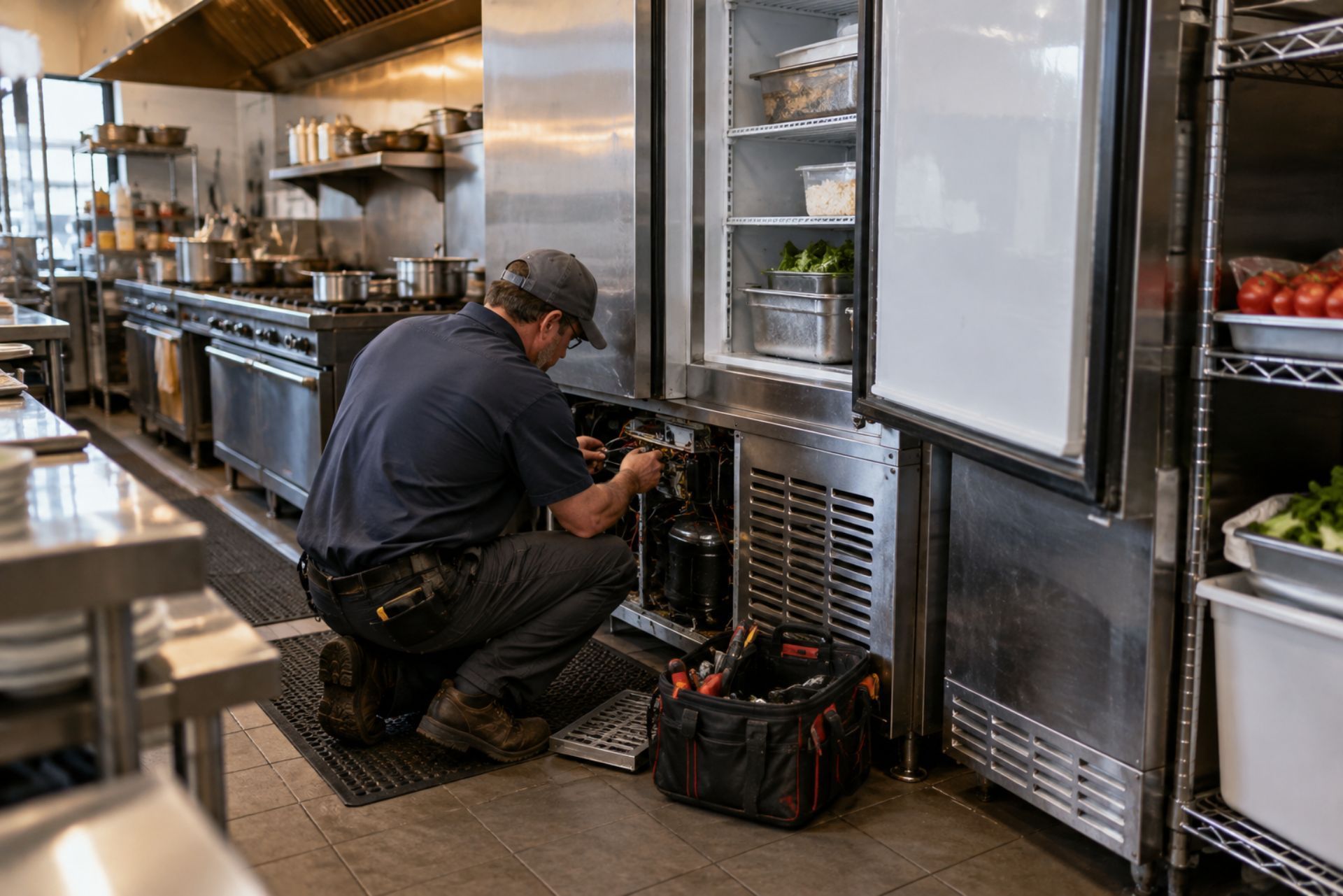
Kitchens, customers, and staff create daily exposure. We protect your property, equipment, liquor liability, and employees.

Manufacturers
From equipment breakdown to product liability, manufacturers face risk on the floor and beyond. We help cover property, machinery, and goods.

Healthcare Providers
Practices and clinics carry patient, property, and professional risk. We help cover liability, equipment, and the people who run your practice.
We compare several carriers to find a policy that fits you, not one company's products.
◆
80+ years local experience


1939
Serving SC

Commercial Property
Protect the building, equipment, and inventory your business runs on, so a covered fire, theft, or storm doesn’t become a closed door.
Commercial Auto
Cars, trucks, and fleets used for work need more than a personal policy. This handles liability, damage, and your drivers.
How It Works
Getting covered is simple.
Four steps, one real person from start to finish.
We compare carriers
We shop options across our carriers to find strong protection at a fair price.
We compare several carriers to find a policy that fits you, not one company's products.
Multi-carrier choice
Claims advocacy
When a claim happens, we stand in your corner and help move it forward with your carrier.
Local SC roots
We live and work in Florence and understand the risks your community faces because we face them too.
Client Reviews
Why clients choose CSP.
Independent advice, real people, and decades of local roots.
We compare several carriers to find a policy that fits you, not one company's products.
◆
80+ years local experience


1939
Serving SC

Insurance Sales
J. Roger Jordan, CIC
[CONFIRM bio]
Boat
Your association covers the building, but not what’s inside. Condo insurance protects your belongings, improvements, and liability.
Time on the water should be worry-free. Boat coverage protects your vessel, your passengers, and your liability on the lake or coast.
Condo
Motorcycle
Riders need coverage built for the road. Motorcycle insurance protects your bike, your gear, and you after an accident.
FAQs
Questions, answered.
Straight answers about working with an independent agency.

What does an independent insurance agency do?
An independent agency represents several carriers instead of one. We compare coverage and pricing across companies, then recommend the policy that fits you best.
Do you cover both personal and business insurance?
Yes. CSP writes personal lines like home and auto, and commercial lines for businesses across South Carolina.
How long has CSP been in business?
CSP traces its roots to 1939, with more than 80 years serving South Carolina families and businesses.
Will I work with a real person?
Always. No call centers and no chatbots — you work with a local team member who knows your account.
Which areas do you serve?
We’re based in Florence and serve clients statewide, including Myrtle Beach, Rock Hill, and Columbia.
How do I get a quote?
Request a quote online, call us, or stop by the office. A real person will review your needs and follow up.
How It Works
Insurance tips & updates.
Plain-language guidance to help you make confident decisions.
We compare several carriers to find a policy that fits you, not one company's products.
◆
80+ years local experience


1939
Serving SC

Insurance Sales
J. Roger Jordan, CIC
[CONFIRM bio]
Boat
Your association covers the building, but not what’s inside. Condo insurance protects your belongings, improvements, and liability.
Time on the water should be worry-free. Boat coverage protects your vessel, your passengers, and your liability on the lake or coast.
Condo
Motorcycle
Riders need coverage built for the road. Motorcycle insurance protects your bike, your gear, and you after an accident.

Get a Quote
Let's find your coverage.
Tell us a little about what you need to protect. A real person from our Florence team will review it and follow up.
2420 Hoffmeyer Road, Suite D
Florence, SC 29501
Mon–Fri 8:30am – 5:00pm