


CSP Insurance Services was founded in 1939, when Clifford Cormell joined Earnest Streett to sell insurance in Florence. More than 80 years later, we still answer the phone ourselves. No call centers, no chatbots — just a local team that knows your name and your policy.
We compare several carriers to find a policy that fits you, not one company's products.
◆
80+ years local experience

Hospital bills, treatment, and prescriptions for a work-related injury or illness.
Medical expenses
Claims history
South Carolina's coastline and its thriving port system make maritime commerce a backbone of the state's economy. If your business touches cargo, vessels, or waterborne trade in any capacity, you already know that one bad storm or a single container lost at sea can wipe out months of revenue. Ocean marine insurance exists to prevent exactly that kind of catastrophe, but understanding the right coverage, limits, and state-specific requirements can feel overwhelming. The policies themselves are some of the oldest forms of insurance on the planet, yet they remain deeply misunderstood by many business owners who depend on them. This guide breaks down what South Carolina businesses actually need to know about marine insurance: the coverage types that matter, how state and federal regulations shape your options, and how to set policy limits that match your real-world exposure. Whether you're shipping auto parts through Charleston or running charter boats out of Myrtle Beach, the stakes are too high to guess your way through this.
Understanding Ocean Marine Insurance for South Carolina Businesses
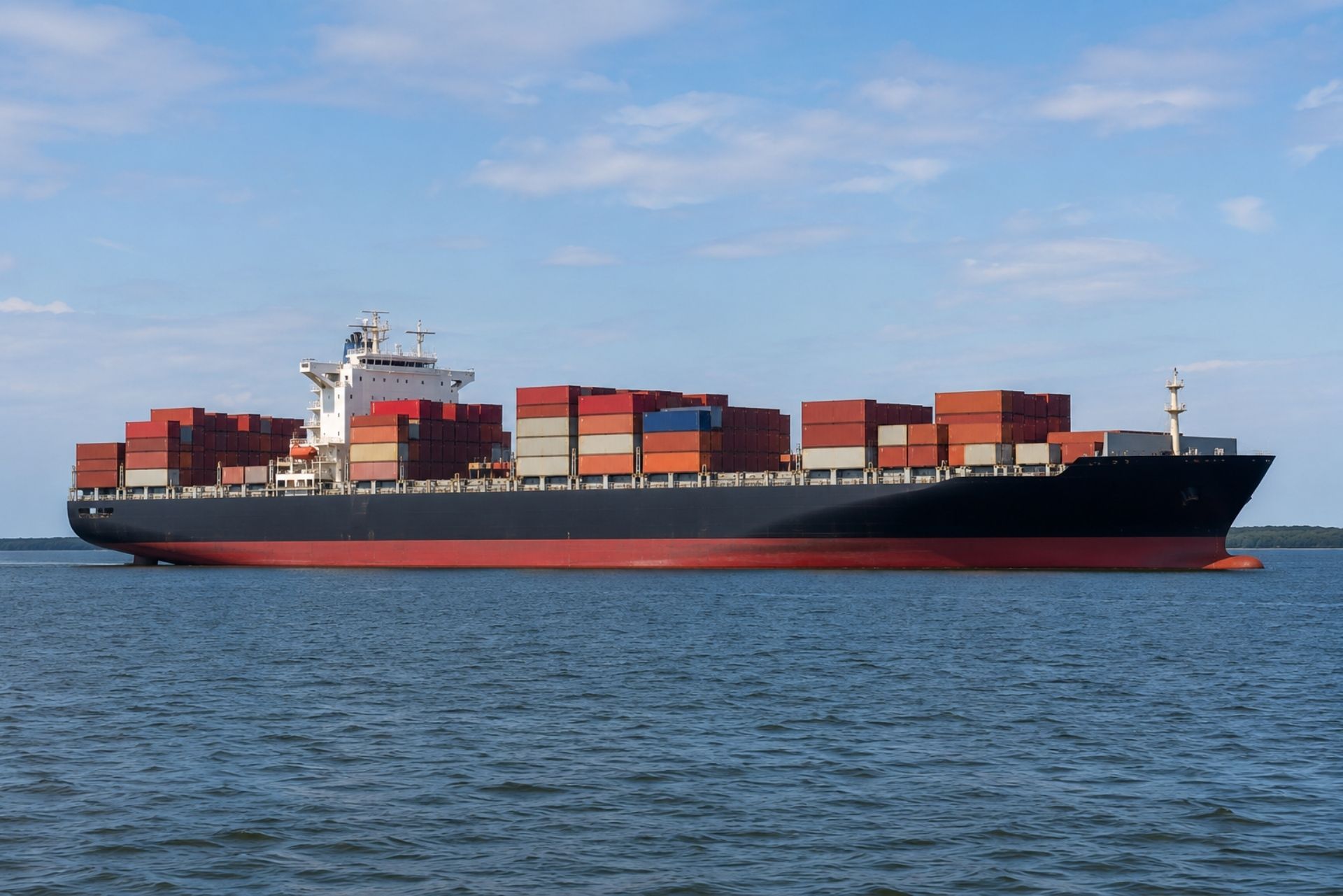
Ocean marine insurance covers physical damage and liability risks tied to waterborne commerce. That includes the vessels themselves, the cargo they carry, and the legal exposure that comes with operating on navigable waters. Unlike standard commercial property policies, marine coverage is designed for assets that are constantly moving, often across international boundaries, and subject to hazards that landlocked businesses never face.
For South Carolina businesses specifically, the state's geography creates a unique risk profile. Hurricane season, busy shipping lanes, and a growing volume of international trade all factor into how policies are structured and priced. The good news? The
global marine cargo insurance market is currently experiencing rate softening, with well-performing programs seeing rate reductions between 7.5% and 12.5% as of mid-2026. That means businesses shopping for coverage right now may find more competitive pricing than they would have two years ago.
The Role of the Port of Charleston in Local Commerce
The Port of Charleston isn't just a local asset: it's a national one. SC Ports handles container volumes that drive billions in annual economic impact across the state, supporting over 225,000 jobs and touching industries from manufacturing to agriculture. The port's infrastructure investments have made it one of the deepest harbors on the East Coast, attracting larger vessels and more international trade routes.
This growth means more South Carolina businesses are directly or indirectly tied to maritime commerce. Freight forwarders in Columbia, seafood distributors near the coast, and manufacturers in Rock Hill shipping finished goods overseas all share a common thread: they need marine insurance that actually fits their operations. The port's emphasis on reliability and speed to market also means cargo moves fast, which is great for business but raises the stakes if something goes wrong in transit.
Who Needs Ocean Marine vs. Inland Marine Coverage
This is where a lot of businesses get confused. Ocean marine insurance covers goods and vessels on navigable waterways, oceans, and international routes. Inland marine covers property in transit over land or on domestic waterways that don't qualify as "ocean" risks. Some businesses need both.
If you're a Florence-based manufacturer shipping components to Europe through Charleston, you likely need ocean cargo coverage for the sea leg and possibly inland marine for the truck haul from your warehouse to the port. A charter fishing operation out of Hilton Head, on the other hand, needs hull coverage and P&I liability but probably doesn't need cargo insurance. The distinction matters because buying the wrong type leaves gaps that won't show up until you file a claim.


Your CSP agent
Lawson Walker, CIC
Insurance Sales
On this page
CSP Insurance Services is a fully licensed independent insurance agency serving individuals, families, and businesses across South Carolina.
From our home in Florence, we proudly serve clients in Florence, Myrtle Beach, Rock Hill, Columbia, and communities throughout South Carolina. As an independent Trusted Choice agency, our team works with a wide range of top-rated carriers to provide personal and commercial coverage — home, auto, business, life, and more — tailored to the real needs of the people and businesses we protect.
Boat and Watercraft Coverage for Weekend Adventures
Your homeowners policy might cover a small kayak or canoe, but anything with a motor typically needs its own policy. Boat insurance covers physical damage to the vessel, liability for injuries or property damage you cause on the water, and sometimes towing and salvage costs.
Lake-specific risks differ from coastal ones. A boat kept at Myrtle Beach faces saltwater corrosion, hurricane exposure, and higher theft rates than one stored at a private dock on Lake Wateree. Your policy should reflect where you keep and operate the boat. An independent agency like CSP Insurance Services can compare quotes across multiple marine carriers to find coverage that actually matches your boating habits rather than forcing you into a one-size-fits-all plan.
| Feature | Admitted (Standard) Carriers | Non-Admitted (E&S) Carriers |
|---|---|---|
| State regulation | Fully regulated; rates filed with state | Exempt from rate filing; flexible pricing |
| Guaranty fund protection | Yes: state fund covers claims if carrier fails | No: no guaranty fund backstop |
| Policy forms | Standardized (ISO forms common) | Manuscript or custom forms |
| Risk appetite | Prefers low-to-moderate risk | Accepts high-risk and unusual exposures |
| Premium cost | Generally lower | Typically 20-75% higher |
| Surplus lines tax | Not applicable | Buyer pays state surplus lines tax (varies 2-5%) |
| Speed of placement | Standard timelines | Can be faster or slower depending on complexity |
Businesses increasingly rely on portable tech: laptops, tablets, external drives, and mobile servers. A computer equipment floater covers these items when employees take them off-site, whether that's a sales rep carrying a laptop to a client meeting in Columbia or a nonprofit transporting presentation equipment to a fundraiser. Some policies even cover the cost of data restoration, which can be more expensive than the hardware itself.
Core Components of a Comprehensive Marine Policy
Marine insurance isn't a single product. It's a collection of coverages that you assemble based on your specific operations. Think of it like building a toolkit: you pick the pieces that match the job. Most South Carolina businesses involved in maritime commerce will need some combination of three core components.
Hull Insurance for Vessel Protection
Hull insurance covers physical damage to your vessel, whether it's a commercial fishing boat, a tugboat, or a cargo ship. Policies typically cover collision, grounding, fire, and weather damage. Some also include machinery breakdown coverage, which matters a lot when a diesel engine failure can strand a vessel and delay operations for weeks.
One common mistake: assuming your hull policy covers everything that happens on the water. Hull insurance protects the vessel itself. It doesn't cover the cargo onboard, injuries to crew members, or damage your vessel causes to someone else's property. Those require separate coverages.
Ocean Cargo Coverage for Goods in Transit
Cargo insurance protects the value of goods while they're being transported by water. This is critical for importers, exporters, and any business that ships physical products through the Port of Charleston or other maritime routes. Policies can cover a single shipment or provide blanket annual coverage for all your cargo movements.
The key detail most business owners miss: the shipping carrier's liability is extremely limited. Under international conventions, carrier liability caps are often far below the actual value of your goods. If a container of textiles worth $200,000 falls overboard, the carrier might owe you $50,000 at best. Your own cargo policy fills that gap.
Protection and Indemnity (P&I) Liability
P&I coverage is the liability side of marine insurance. It protects vessel owners and operators against third-party claims for bodily injury, property damage, pollution, and wreck removal. If a crew member is injured, if your vessel damages a dock, or if fuel leaks into the harbor, P&I responds.
This coverage is especially important in South Carolina given the state's busy waterways and the environmental sensitivity of coastal ecosystems. Pollution cleanup costs alone can run into the millions. P&I policies from mutual clubs or commercial insurers are often the largest single line item in a marine insurance program.

Comparison: Ocean Marine Coverage Options
| Coverage Type | What It Protects | Who Needs It | Typical Limit Range |
|---|---|---|---|
| Hull & Machinery | Physical vessel damage, engine breakdown | Vessel owners, charter operators | Agreed value of vessel |
| Ocean Cargo | Goods in transit on water | Importers, exporters, distributors | Per-shipment or annual aggregate |
| P&I Liability | Third-party injury, property damage, pollution | All vessel operators | $1M to $1B+ (via mutual clubs) |
| Freight Insurance | Lost freight revenue if cargo is damaged | Carriers, freight forwarders | Based on expected freight income |
| Marine Builder's Risk | Vessels under construction or repair | Shipyards, boat builders | Project value |
The right combination depends entirely on your operations. A company that only ships cargo but doesn't own vessels needs cargo coverage and possibly freight insurance. A marina operator might need hull coverage for owned vessels plus P&I for slip renters. An independent agency like CSP Insurance Services can compare options across multiple carriers, which is particularly valuable in a specialized market like marine insurance where pricing and terms vary significantly.
Boat and Watercraft Coverage for Weekend Adventures
Your homeowners policy might cover a small kayak or canoe, but anything with a motor typically needs its own policy. Boat insurance covers physical damage to the vessel, liability for injuries or property damage you cause on the water, and sometimes towing and salvage costs.
Lake-specific risks differ from coastal ones. A boat kept at Myrtle Beach faces saltwater corrosion, hurricane exposure, and higher theft rates than one stored at a private dock on Lake Wateree. Your policy should reflect where you keep and operate the boat. An independent agency like CSP Insurance Services can compare quotes across multiple marine carriers to find coverage that actually matches your boating habits rather than forcing you into a one-size-fits-all plan.
Boat and Watercraft Coverage for Weekend Adventures
Your homeowners policy might cover a small kayak or canoe, but anything with a motor typically needs its own policy. Boat insurance covers physical damage to the vessel, liability for injuries or property damage you cause on the water, and sometimes towing and salvage costs.
Lake-specific risks differ from coastal ones. A boat kept at Myrtle Beach faces saltwater corrosion, hurricane exposure, and higher theft rates than one stored at a private dock on Lake Wateree. Your policy should reflect where you keep and operate the boat. An independent agency like CSP Insurance Services can compare quotes across multiple marine carriers to find coverage that actually matches your boating habits rather than forcing you into a one-size-fits-all plan.
| Feature | Admitted (Standard) Carriers | Non-Admitted (E&S) Carriers |
|---|---|---|
| State regulation | Fully regulated; rates filed with state | Exempt from rate filing; flexible pricing |
| Guaranty fund protection | Yes: state fund covers claims if carrier fails | No: no guaranty fund backstop |
| Policy forms | Standardized (ISO forms common) | Manuscript or custom forms |
| Risk appetite | Prefers low-to-moderate risk | Accepts high-risk and unusual exposures |
| Premium cost | Generally lower | Typically 20-75% higher |
| Surplus lines tax | Not applicable | Buyer pays state surplus lines tax (varies 2-5%) |
| Speed of placement | Standard timelines | Can be faster or slower depending on complexity |
Navigating State Requirements and Federal Laws
Marine insurance sits at a complicated intersection of state regulation and federal maritime law. South Carolina has its own insurance department overseeing policy filings and insurer licensing, but federal statutes also dictate certain coverage requirements for vessel operators and maritime employers.
South Carolina Department of Insurance Regulations
The SC Department of Insurance regulates how marine policies are sold and administered within the state. Insurers must be licensed or approved as surplus lines carriers to write marine coverage here. The state's insurance market data shows a competitive marketplace, but marine insurance remains a specialty line that not every agent can effectively place.
South Carolina also has specific legislative activity that can affect marine businesses. Recent legislative sessions have included bills addressing insurance market reforms that could influence how surplus lines marine policies are taxed and filed. Staying current on these changes matters if you're renewing or shopping for coverage.
The Impact of the Jones Act and Longshore Act
Two federal laws shape marine insurance requirements more than anything at the state level. The Jones Act requires vessel owners to provide negligence-based injury coverage for crew members, similar to workers' compensation but with broader liability exposure. The Longshore and Harbor Workers' Compensation Act (LHWCA) covers maritime workers who aren't crew members: dock workers, shipyard employees, and harbor construction workers.
If you employ anyone who works on or near navigable waters in South Carolina, you likely need coverage under one or both of these laws. Standard workers' compensation policies exclude maritime employees, so you need specific endorsements or standalone policies. Getting this wrong can result in federal penalties and uninsured injury claims that hit your balance sheet directly.
Specialty Lines: Flood, Earthquake, and Valuable Items
Flood insurance is a separate policy, typically written through FEMA's National Flood Insurance Program or a private carrier. If your home sits in a designated flood zone anywhere along the SC coast or near inland rivers, your mortgage lender will require it. But even homes outside mapped flood zones can flood: roughly 25% of flood claims come from properties in low-to-moderate risk areas.
Earthquake coverage is less common in South Carolina, but the state sits near the Charleston fault zone, which produced a magnitude 7.3 quake in 1886. A rider or standalone earthquake policy is worth considering if you're in the Lowcountry.
Scheduled personal property endorsements cover high-value items like jewelry, art, firearms, or musical instruments that exceed standard policy sub-limits. Most homeowners policies cap jewelry coverage at $1,500-$2,500 per item. If your engagement ring is worth $8,000, you need a scheduled endorsement or inland marine floater to cover the difference.
Determining Your Policy Limits and Deductibles
Setting the right limits is where marine insurance gets personal. Too low, and you're self-insuring the difference. Too high, and you're paying for coverage you don't need. The trick is matching your limits to your actual exposure, not some generic industry benchmark.
Valuing Assets: Agreed Value vs. Actual Cash Value
Marine hull policies typically offer two valuation methods. Agreed value means you and the insurer agree on the vessel's worth upfront, and that's what gets paid in a total loss. No depreciation arguments, no haggling after a catastrophe. Actual cash value (ACV) factors in depreciation, which means an older vessel might only pay out a fraction of its replacement cost.
For most South Carolina vessel owners, agreed value policies are worth the slightly higher premium. The last thing you want after losing a boat in a hurricane is a claims adjuster telling you your 10-year-old vessel is worth 40% of what you need to replace it.
Factoring in South Carolina Hurricane Risks
Hurricane exposure is the single biggest factor driving marine insurance costs along the South Carolina coast. Insurers look at named storm deductibles, which are typically expressed as a percentage of the insured value rather than a flat dollar amount. A 5% named storm deductible on a vessel insured for $500,000 means you're covering the first $25,000 out of pocket.
The rising costs associated with climate-related marine risks have pushed some insurers to tighten underwriting in coastal states. Businesses in Myrtle Beach, Charleston, and Beaufort should expect higher deductibles during hurricane season and may need to demonstrate storm preparation plans to qualify for preferred rates.
Boat and Watercraft Coverage for Weekend Adventures
Your homeowners policy might cover a small kayak or canoe, but anything with a motor typically needs its own policy. Boat insurance covers physical damage to the vessel, liability for injuries or property damage you cause on the water, and sometimes towing and salvage costs.
Lake-specific risks differ from coastal ones. A boat kept at Myrtle Beach faces saltwater corrosion, hurricane exposure, and higher theft rates than one stored at a private dock on Lake Wateree. Your policy should reflect where you keep and operate the boat. An independent agency like CSP Insurance Services can compare quotes across multiple marine carriers to find coverage that actually matches your boating habits rather than forcing you into a one-size-fits-all plan.
Boat and Watercraft Coverage for Weekend Adventures
Your homeowners policy might cover a small kayak or canoe, but anything with a motor typically needs its own policy. Boat insurance covers physical damage to the vessel, liability for injuries or property damage you cause on the water, and sometimes towing and salvage costs.
Lake-specific risks differ from coastal ones. A boat kept at Myrtle Beach faces saltwater corrosion, hurricane exposure, and higher theft rates than one stored at a private dock on Lake Wateree. Your policy should reflect where you keep and operate the boat. An independent agency like CSP Insurance Services can compare quotes across multiple marine carriers to find coverage that actually matches your boating habits rather than forcing you into a one-size-fits-all plan.
| Feature | Admitted (Standard) Carriers | Non-Admitted (E&S) Carriers |
|---|---|---|
| State regulation | Fully regulated; rates filed with state | Exempt from rate filing; flexible pricing |
| Guaranty fund protection | Yes: state fund covers claims if carrier fails | No: no guaranty fund backstop |
| Policy forms | Standardized (ISO forms common) | Manuscript or custom forms |
| Risk appetite | Prefers low-to-moderate risk | Accepts high-risk and unusual exposures |
| Premium cost | Generally lower | Typically 20-75% higher |
| Surplus lines tax | Not applicable | Buyer pays state surplus lines tax (varies 2-5%) |
| Speed of placement | Standard timelines | Can be faster or slower depending on complexity |
Common Questions About SC Marine Insurance
Does my standard business insurance cover cargo shipped by sea? Almost never. Commercial property policies exclude goods in ocean transit. You need a separate ocean cargo policy or a marine extension.
How much does ocean marine insurance cost in South Carolina? Premiums vary widely based on vessel type, cargo value, routes, and claims history. A small charter boat might pay $3,000 to $8,000 annually for hull and P&I, while a cargo shipper could pay tens of thousands for comprehensive coverage.
Can I get marine insurance if I've had previous claims? Yes, but your options narrow and premiums increase. An independent agency that works with multiple carriers can often find coverage even with a challenging claims history.
Is marine insurance required by South Carolina law? The state doesn't mandate marine insurance for all vessels, but federal laws require it for commercial operations, and most lenders and port authorities require proof of coverage.
What's excluded from a typical marine policy? Common exclusions include wear and tear, inherent vice (cargo that spoils naturally), war and terrorism (available as separate coverage), and losses from illegal activity.
Do I need separate pollution liability coverage? P&I policies include some pollution coverage, but limits may be insufficient for major spills. Standalone marine pollution liability is available and recommended for fuel-carrying vessels.
Specialty Lines: Flood, Earthquake, and Valuable Items
Flood insurance is a separate policy, typically written through FEMA's National Flood Insurance Program or a private carrier. If your home sits in a designated flood zone anywhere along the SC coast or near inland rivers, your mortgage lender will require it. But even homes outside mapped flood zones can flood: roughly 25% of flood claims come from properties in low-to-moderate risk areas.
Earthquake coverage is less common in South Carolina, but the state sits near the Charleston fault zone, which produced a magnitude 7.3 quake in 1886. A rider or standalone earthquake policy is worth considering if you're in the Lowcountry.
Scheduled personal property endorsements cover high-value items like jewelry, art, firearms, or musical instruments that exceed standard policy sub-limits. Most homeowners policies cap jewelry coverage at $1,500-$2,500 per item. If your engagement ring is worth $8,000, you need a scheduled endorsement or inland marine floater to cover the difference.
Making the Right Choice for Your Maritime Operations
Getting marine insurance right requires more than picking the cheapest quote. It means understanding how hull, cargo, and liability coverages interact, knowing which federal laws apply to your workers, and setting limits that reflect South Carolina's real hurricane exposure. The broader insurance industry trends for 2026 suggest continued specialization in marine lines, which means working with an agent who genuinely understands this market is more important than ever.
CSP Insurance Services has been helping South Carolina businesses find the right coverage since 1939, and their independence means they can shop your marine program across multiple carriers to find the best fit. If you're unsure whether your current coverage matches your exposure, or you're starting from scratch, request a quote and talk through your specific situation with someone who knows the South Carolina maritime market inside and out. A 15-minute conversation now can save you from a six-figure gap when a claim hits.
About the author
Lawson Walker, CIC
I'm proud to be part of an agency that's served Florence since 1939. CSP Insurance Services started as Cormell-Streett & Patterson, built by people who believed insurance should be personal — and more than eight decades later, that conviction still drives everything we do. Commitment, Service, Protection isn't just what CSP stands for; it's how I approach every client relationship.
As an independent, Trusted Choice agency, we aren't tied to any single carrier. That means I work for you — shopping multiple companies to match you with coverage that actually fits your family, your business, and your budget. No call centers, no chatbots. Just a local expert who takes the time to understand what matters to you and stands by you when it counts.
Whether you're protecting your home, your car, or a business you've spent years building, I'd be glad to help you find the right coverage.
We compare several carriers to find a policy that fits you, not one company's products.
◆
80+ years local experience


1939
Serving SC

Most Requested
Core business coverage.
The policies most South Carolina businesses start with.

Commercial Property
Protect the building, equipment, and inventory your business runs on, so a covered fire, theft, or storm doesn’t become a closed door.

Workers Compensation
Required for most South Carolina employers with staff. It covers medical bills and lost wages when an employee is hurt on the job.

Commercial Auto
Cars, trucks, and fleets used for work need more than a personal policy. This handles liability, damage, and your drivers.

General Liability
Accidents happen on the job and on your property. General liability covers third-party injury and property damage claims against your business.

Inland Marine
Tools, equipment, and goods on the move aren’t covered by standard property policies. Inland marine protects them wherever they travel.

Business Owners (BOP)
A business owners policy bundles property and liability coverage into one package, often at a better price for small businesses.
We compare several carriers to find a policy that fits you, not one company's products.
◆
80+ years local experience


1939
Serving SC

Insurance Sales
J. Roger Jordan, CIC
[CONFIRM bio]
Personal Insurance
Coverage for your home, vehicles, and family.
Protect what matters most with personal policies shopped across our carriers.
Home
Your house is likely your largest investment. Home insurance helps rebuild after covered damage and protects you from liability.
Auto
South Carolina drivers need real protection. Auto coverage handles liability, collision, medical costs, and uninsured drivers.
Umbrella
When a serious claim climbs past your home or auto limits, umbrella coverage adds an extra layer of liability protection.
Boat
Time on the water should be worry-free. Boat coverage protects your vessel, your passengers, and your liability on the lake or coast.
Motorcycle
Riders need coverage built for the road. Motorcycle insurance protects your bike, your gear, and you after an accident.
Condo
Your association covers the building, but not what’s inside. Condo insurance protects your belongings, improvements, and liability.
We compare several carriers to find a policy that fits you, not one company's products.
◆
80+ years local experience


1939
Serving SC

Insurance Sales
J. Roger Jordan, CIC
[CONFIRM bio]
Boat
Your association covers the building, but not what’s inside. Condo insurance protects your belongings, improvements, and liability.
Time on the water should be worry-free. Boat coverage protects your vessel, your passengers, and your liability on the lake or coast.
Condo
Motorcycle
Riders need coverage built for the road. Motorcycle insurance protects your bike, your gear, and you after an accident.
Industries We Serve
Specialized coverage for your industry.
Every industry carries its own risk. We help South Carolina businesses protect what they've built.

Restaurants
Kitchens, customers, and staff create daily exposure. We protect your property, equipment, liquor liability, and employees.

Manufacturers
From equipment breakdown to product liability, manufacturers face risk on the floor and beyond. We help cover property, machinery, and goods.

Healthcare Providers
Practices and clinics carry patient, property, and professional risk. We help cover liability, equipment, and the people who run your practice.
We compare several carriers to find a policy that fits you, not one company's products.
◆
80+ years local experience


1939
Serving SC

Commercial Property
Protect the building, equipment, and inventory your business runs on, so a covered fire, theft, or storm doesn’t become a closed door.
Commercial Auto
Cars, trucks, and fleets used for work need more than a personal policy. This handles liability, damage, and your drivers.
How It Works
Getting covered is simple.
Four steps, one real person from start to finish.
We compare carriers
We shop options across our carriers to find strong protection at a fair price.
We compare several carriers to find a policy that fits you, not one company's products.
Multi-carrier choice
Claims advocacy
When a claim happens, we stand in your corner and help move it forward with your carrier.
Local SC roots
We live and work in Florence and understand the risks your community faces because we face them too.
Client Reviews
Why clients choose CSP.
Independent advice, real people, and decades of local roots.
We compare several carriers to find a policy that fits you, not one company's products.
◆
80+ years local experience


1939
Serving SC

Insurance Sales
J. Roger Jordan, CIC
[CONFIRM bio]
Boat
Your association covers the building, but not what’s inside. Condo insurance protects your belongings, improvements, and liability.
Time on the water should be worry-free. Boat coverage protects your vessel, your passengers, and your liability on the lake or coast.
Condo
Motorcycle
Riders need coverage built for the road. Motorcycle insurance protects your bike, your gear, and you after an accident.
FAQs
Questions, answered.
Straight answers about working with an independent agency.

What does an independent insurance agency do?
An independent agency represents several carriers instead of one. We compare coverage and pricing across companies, then recommend the policy that fits you best.
Do you cover both personal and business insurance?
Yes. CSP writes personal lines like home and auto, and commercial lines for businesses across South Carolina.
How long has CSP been in business?
CSP traces its roots to 1939, with more than 80 years serving South Carolina families and businesses.
Will I work with a real person?
Always. No call centers and no chatbots — you work with a local team member who knows your account.
Which areas do you serve?
We’re based in Florence and serve clients statewide, including Myrtle Beach, Rock Hill, and Columbia.
How do I get a quote?
Request a quote online, call us, or stop by the office. A real person will review your needs and follow up.
How It Works
Insurance tips & updates.
Plain-language guidance to help you make confident decisions.
We compare several carriers to find a policy that fits you, not one company's products.
◆
80+ years local experience


1939
Serving SC

Insurance Sales
J. Roger Jordan, CIC
[CONFIRM bio]
Boat
Your association covers the building, but not what’s inside. Condo insurance protects your belongings, improvements, and liability.
Time on the water should be worry-free. Boat coverage protects your vessel, your passengers, and your liability on the lake or coast.
Condo
Motorcycle
Riders need coverage built for the road. Motorcycle insurance protects your bike, your gear, and you after an accident.

Get a Quote
Let's find your coverage.
Tell us a little about what you need to protect. A real person from our Florence team will review it and follow up.
2420 Hoffmeyer Road, Suite D
Florence, SC 29501
Mon–Fri 8:30am – 5:00pm