

CSP Insurance Services was founded in 1939, when Clifford Cormell joined Earnest Streett to sell insurance in Florence. More than 80 years later, we still answer the phone ourselves. No call centers, no chatbots — just a local team that knows your name and your policy.
We compare several carriers to find a policy that fits you, not one company's products.
◆
80+ years local experience
Hospital bills, treatment, and prescriptions for a work-related injury or illness.
Medical expenses
Claims history
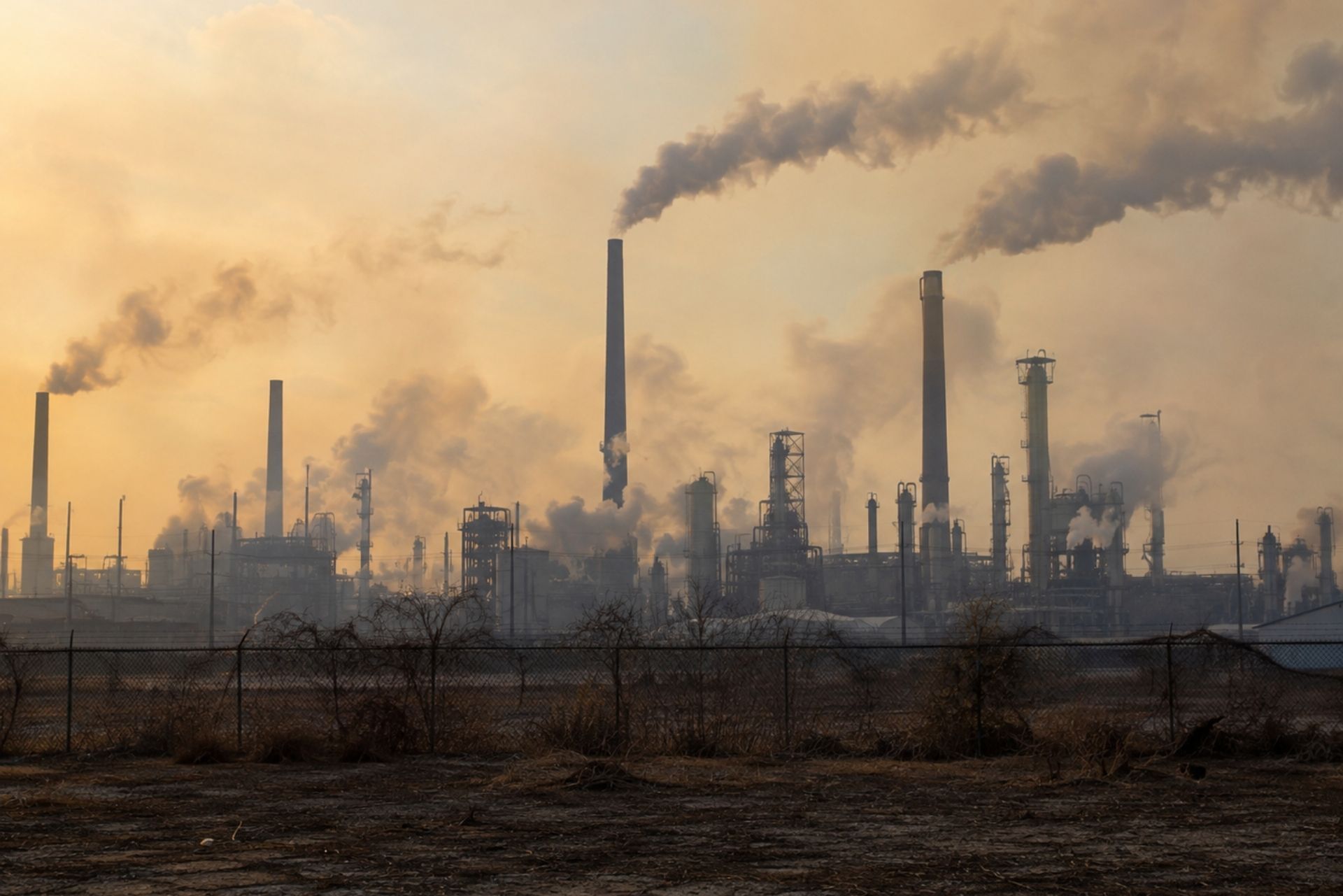
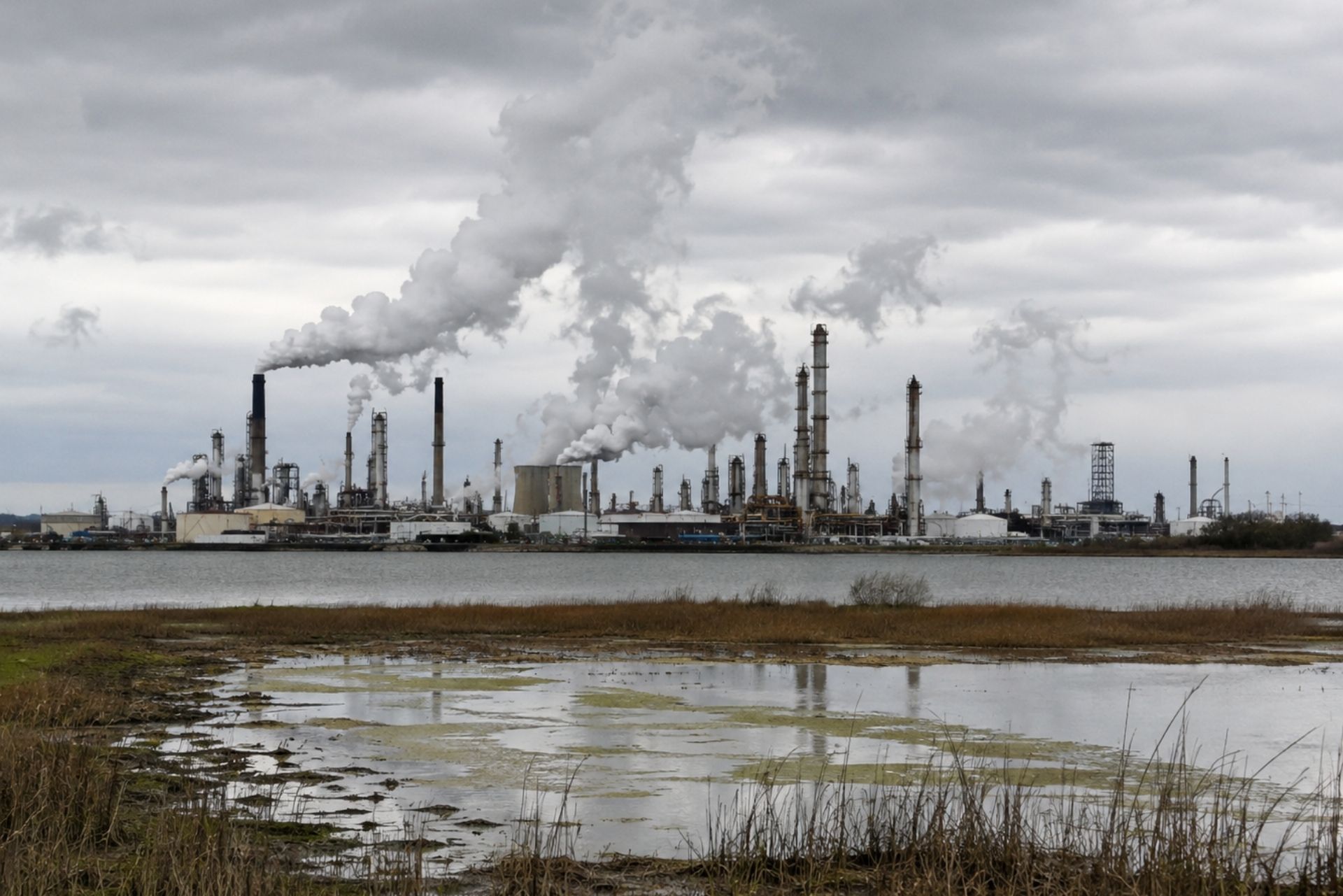
A chemical spill at a dry cleaner in Columbia. A fuel leak from an underground storage tank near Myrtle Beach. Contaminated runoff from a manufacturing plant outside Florence. These are the kinds of incidents that can financially destroy a South Carolina business overnight, and they happen more often than most owners realize. The uncomfortable truth is that your general liability policy almost certainly excludes pollution events, leaving you exposed to cleanup costs, third-party bodily injury claims, and regulatory fines that can stack up into six or seven figures fast.
Pollution liability insurance exists to fill that gap, but the details matter enormously: what's covered, what's excluded, how much you actually need, and what South Carolina's environmental agencies require from your specific industry. This isn't a one-size-fits-all product, and the wrong policy can be almost as dangerous as having no policy at all.
If you're a business owner anywhere in South Carolina, from the Upstate to the Lowcountry, this guide breaks down coverage options, state-specific requirements, and the policy limits that actually make sense for your operation. No jargon, no fluff: just the information you need to make a smart decision.
Understanding Pollution Liability in the South Carolina Business Landscape
Most business owners don't think about environmental risk until something goes wrong. But South Carolina's mix of manufacturing, agriculture, hospitality, and coastal development creates a surprisingly broad range of pollution exposures. A restaurant in Rock Hill might not seem like a pollution risk, but a grease trap overflow that contaminates a neighboring property's soil absolutely qualifies.
Pollution liability insurance covers the costs associated with contamination events: cleanup and remediation, third-party bodily injury and property damage, legal defense costs, and sometimes even business interruption tied to an environmental incident. These policies are designed to pick up exactly where your other commercial coverage stops.
Why General Liability Isn't Enough for Environmental Risks
Here's the part that catches people off guard: standard commercial general liability (CGL) policies contain an absolute pollution exclusion. That exclusion has been standard since the mid-1980s, and it's broad. If a contaminant is released from your property or operations, your CGL insurer will almost certainly deny the claim.
Some CGL policies include a narrow carve-back for "sudden and accidental" pollution events, but even that language is heavily litigated and unreliable. A court in South Carolina might interpret "sudden" differently than you'd expect. Relying on a vague exception in your general liability policy is a gamble most businesses can't afford to take. A dedicated pollution insurance policy is the only reliable way to transfer this risk.
Common Pollution Triggers for SC Industries
South Carolina's economy creates specific pollution exposures that vary by region and industry. Here are some of the most common triggers:
- Manufacturing facilities in the Upstate releasing volatile organic compounds or heavy metals into soil or groundwater
- Auto repair shops and gas stations with underground storage tanks that develop slow leaks
- Agricultural operations in the Pee Dee region where pesticide or fertilizer runoff reaches waterways
- Construction contractors who disturb asbestos, lead paint, or contaminated soil during demolition
- Hotels and resorts along the Grand Strand dealing with mold remediation after storm damage
- Healthcare facilities generating medical waste with improper disposal procedures
Any of these scenarios can trigger regulatory action, lawsuits from affected neighbors, and mandatory remediation orders. The costs add up quickly, and they're all excluded from your standard business insurance.


Your CSP agent
Lawson Walker, CIC
Insurance Sales
On this page
CSP Insurance Services is a fully licensed independent insurance agency serving individuals, families, and businesses across South Carolina.
From our home in Florence, we proudly serve clients in Florence, Myrtle Beach, Rock Hill, Columbia, and communities throughout South Carolina. As an independent Trusted Choice agency, our team works with a wide range of top-rated carriers to provide personal and commercial coverage — home, auto, business, life, and more — tailored to the real needs of the people and businesses we protect.
Boat and Watercraft Coverage for Weekend Adventures
Your homeowners policy might cover a small kayak or canoe, but anything with a motor typically needs its own policy. Boat insurance covers physical damage to the vessel, liability for injuries or property damage you cause on the water, and sometimes towing and salvage costs.
Lake-specific risks differ from coastal ones. A boat kept at Myrtle Beach faces saltwater corrosion, hurricane exposure, and higher theft rates than one stored at a private dock on Lake Wateree. Your policy should reflect where you keep and operate the boat. An independent agency like CSP Insurance Services can compare quotes across multiple marine carriers to find coverage that actually matches your boating habits rather than forcing you into a one-size-fits-all plan.
| Feature | Admitted (Standard) Carriers | Non-Admitted (E&S) Carriers |
|---|---|---|
| State regulation | Fully regulated; rates filed with state | Exempt from rate filing; flexible pricing |
| Guaranty fund protection | Yes: state fund covers claims if carrier fails | No: no guaranty fund backstop |
| Policy forms | Standardized (ISO forms common) | Manuscript or custom forms |
| Risk appetite | Prefers low-to-moderate risk | Accepts high-risk and unusual exposures |
| Premium cost | Generally lower | Typically 20-75% higher |
| Surplus lines tax | Not applicable | Buyer pays state surplus lines tax (varies 2-5%) |
| Speed of placement | Standard timelines | Can be faster or slower depending on complexity |
Businesses increasingly rely on portable tech: laptops, tablets, external drives, and mobile servers. A computer equipment floater covers these items when employees take them off-site, whether that's a sales rep carrying a laptop to a client meeting in Columbia or a nonprofit transporting presentation equipment to a fundraiser. Some policies even cover the cost of data restoration, which can be more expensive than the hardware itself.
South Carolina Environmental Regulations and Compliance
South Carolina maintains a comprehensive set of environmental laws that mirror many federal EPA standards while adding state-specific requirements. Ignorance of these rules doesn't reduce your liability: it increases it.
The Role of DHEC in Pollution Oversight
Until recently, the South Carolina Department of Health and Environmental Control (DHEC) handled environmental enforcement. In 2024, environmental functions were transferred to the newly created South Carolina Department of Environmental Services (SCDES), which now oversees air quality, water quality, waste management, and contaminated site cleanup across the state.
SCDES conducts inspections, issues permits, and enforces compliance. Non-compliance can trigger civil penalties of up to $25,000 per day per violation, a figure that can accumulate into catastrophic territory before a business even realizes it's out of compliance. The agency also has authority to issue administrative orders requiring immediate remediation, and those cleanup costs fall squarely on the responsible party.
State-Specific Financial Responsibility Requirements
Certain industries in South Carolina must demonstrate financial responsibility for potential pollution events before they can operate. Underground storage tank (UST) owners, for example, must maintain proof of financial assurance, and pollution liability insurance is one of the accepted mechanisms. Hazardous waste generators and treatment facilities face similar requirements under both state and federal RCRA regulations.
Even if your industry doesn't have a formal financial responsibility mandate, carrying pollution coverage is increasingly expected by landlords, lenders, and business partners. Commercial real estate transactions in South Carolina routinely require Phase I environmental site assessments, and any red flags from those assessments will prompt questions about your insurance coverage. The environmental risk repricing happening across insurance markets in 2026 means waiting to buy coverage could cost you significantly more later.

Comparing Coverage Options: General Liability vs. Pollution Liability
Understanding the gap between these two policy types is critical. They're not interchangeable, and they don't overlap much.
Comparison Table: Key Coverage Differences
| Coverage Feature | General Liability (CGL) | Pollution Liability |
|---|---|---|
| Third-party bodily injury | Covered (non-pollution causes) | Covered (pollution-related) |
| Property damage from contamination | Excluded | Covered |
| On-site cleanup/remediation | Excluded | Covered |
| Off-site cleanup costs | Excluded | Typically covered |
| Gradual pollution events | Excluded | Covered (with proper policy) |
| Sudden/accidental releases | Limited or excluded | Covered |
| Regulatory defense costs | Excluded | Covered |
| Transportation of pollutants | Excluded | Available as endorsement |
| Mold remediation | Usually excluded | Often covered |
| Business interruption from pollution | Excluded | Available as endorsement |
The takeaway here is straightforward: if the event involves a pollutant or contaminant, your CGL policy is almost certainly going to deny the claim. Pollution liability fills that entire column of exclusions.
Small businesses often assume they're too small to need this coverage. But environmental insurance costs for low-risk operations can start at just a few hundred dollars annually, making it one of the more affordable ways to protect against a potentially business-ending event.
Boat and Watercraft Coverage for Weekend Adventures
Your homeowners policy might cover a small kayak or canoe, but anything with a motor typically needs its own policy. Boat insurance covers physical damage to the vessel, liability for injuries or property damage you cause on the water, and sometimes towing and salvage costs.
Lake-specific risks differ from coastal ones. A boat kept at Myrtle Beach faces saltwater corrosion, hurricane exposure, and higher theft rates than one stored at a private dock on Lake Wateree. Your policy should reflect where you keep and operate the boat. An independent agency like CSP Insurance Services can compare quotes across multiple marine carriers to find coverage that actually matches your boating habits rather than forcing you into a one-size-fits-all plan.
Boat and Watercraft Coverage for Weekend Adventures
Your homeowners policy might cover a small kayak or canoe, but anything with a motor typically needs its own policy. Boat insurance covers physical damage to the vessel, liability for injuries or property damage you cause on the water, and sometimes towing and salvage costs.
Lake-specific risks differ from coastal ones. A boat kept at Myrtle Beach faces saltwater corrosion, hurricane exposure, and higher theft rates than one stored at a private dock on Lake Wateree. Your policy should reflect where you keep and operate the boat. An independent agency like CSP Insurance Services can compare quotes across multiple marine carriers to find coverage that actually matches your boating habits rather than forcing you into a one-size-fits-all plan.
| Feature | Admitted (Standard) Carriers | Non-Admitted (E&S) Carriers |
|---|---|---|
| State regulation | Fully regulated; rates filed with state | Exempt from rate filing; flexible pricing |
| Guaranty fund protection | Yes: state fund covers claims if carrier fails | No: no guaranty fund backstop |
| Policy forms | Standardized (ISO forms common) | Manuscript or custom forms |
| Risk appetite | Prefers low-to-moderate risk | Accepts high-risk and unusual exposures |
| Premium cost | Generally lower | Typically 20-75% higher |
| Surplus lines tax | Not applicable | Buyer pays state surplus lines tax (varies 2-5%) |
| Speed of placement | Standard timelines | Can be faster or slower depending on complexity |
Navigating Limits and Policy Enhancements
Choosing the right pollution liability policy isn't just about having one: it's about having the right one. Policy limits, coverage triggers, and endorsements vary widely between carriers, and the wrong configuration can leave you paying out of pocket when it matters most.
Determining Appropriate Limits for Site vs. Operations
Pollution policies generally fall into two categories: site-specific (also called premises pollution liability) and contractor's pollution liability (for operations performed away from your owned location).
A manufacturing plant in Spartanburg needs site-specific coverage for contamination originating on its own property. A plumbing contractor working across the Midlands needs operations coverage for pollution events at client job sites. Some businesses need both.
Limits typically range from $1 million to $10 million per occurrence, with aggregate limits that cap total payouts during the policy period. For most small to mid-sized South Carolina businesses, $1 million to $2 million per occurrence is a reasonable starting point, but operations near sensitive environments like coastal wetlands, drinking water sources, or residential areas may need higher limits. An independent agency like CSP Insurance Services can compare options across multiple carriers to find the right fit: that flexibility matters when you're dealing with a specialized product where pricing and terms vary significantly from one insurer to the next.
Sudden and Accidental vs. Gradual Coverage
This distinction trips up a lot of business owners. Some pollution policies only cover sudden and accidental events: a tank rupture, a chemical spill during transport, or an explosion that releases contaminants. These are dramatic, obvious incidents.
Gradual pollution coverage, on the other hand, protects against slow-developing contamination: a storage tank that seeps fuel into groundwater over months or years, or a facility that unknowingly releases chemicals into the soil through a cracked floor drain. Gradual events are actually more common and often more expensive to remediate because the contamination has had time to spread.
If your policy only covers sudden events, you're missing the bigger risk. Always confirm that gradual pollution is included, and pay attention to the retroactive date on your policy, which determines how far back in time your coverage extends.
Specialty Lines: Flood, Earthquake, and Valuable Items
Flood insurance is a separate policy, typically written through FEMA's National Flood Insurance Program or a private carrier. If your home sits in a designated flood zone anywhere along the SC coast or near inland rivers, your mortgage lender will require it. But even homes outside mapped flood zones can flood: roughly 25% of flood claims come from properties in low-to-moderate risk areas.
Earthquake coverage is less common in South Carolina, but the state sits near the Charleston fault zone, which produced a magnitude 7.3 quake in 1886. A rider or standalone earthquake policy is worth considering if you're in the Lowcountry.
Scheduled personal property endorsements cover high-value items like jewelry, art, firearms, or musical instruments that exceed standard policy sub-limits. Most homeowners policies cap jewelry coverage at $1,500-$2,500 per item. If your engagement ring is worth $8,000, you need a scheduled endorsement or inland marine floater to cover the difference.
Frequently Asked Questions About SC Environmental Insurance
Common Questions from Local Business Owners
Do I need pollution liability insurance if I run a small retail business? Most small retail operations face minimal pollution risk, but exceptions exist. If you have an older building with potential asbestos or lead paint, or if you store any chemicals (even cleaning supplies in large quantities), a basic policy is worth considering.
How much does pollution liability insurance cost in South Carolina? Premiums depend on your industry, property size, and risk profile. Small businesses with low environmental exposure might pay $500 to $2,000 per year, while higher-risk operations like fuel distributors or chemical manufacturers can see premiums of $5,000 to $25,000 or more.
Does my landlord's insurance cover pollution at my leased space? Almost never. Your landlord's property policy will have the same pollution exclusion as your CGL. If contamination originates from your operations, you're responsible regardless of who owns the building.
Can I be held liable for pollution that happened before I bought a property? Yes. Under both federal CERCLA and South Carolina law, current property owners can be held responsible for pre-existing contamination. A Phase I environmental site assessment before purchase is essential, and pollution liability coverage for South Carolina properties can protect against inherited contamination risks.
What's the difference between first-party and third-party pollution coverage? First-party coverage pays for cleanup on your own property. Third-party coverage pays for damage to other people's property, their medical expenses, or legal claims against you. Most comprehensive pollution policies include both, but check your specific terms.
Is pollution liability required by South Carolina law? There's no blanket state mandate for all businesses, but specific industries like UST owners and hazardous waste handlers must demonstrate financial responsibility. Even without a legal requirement, contractual obligations from landlords, lenders, or clients often make it a practical necessity.
Boat and Watercraft Coverage for Weekend Adventures
Your homeowners policy might cover a small kayak or canoe, but anything with a motor typically needs its own policy. Boat insurance covers physical damage to the vessel, liability for injuries or property damage you cause on the water, and sometimes towing and salvage costs.
Lake-specific risks differ from coastal ones. A boat kept at Myrtle Beach faces saltwater corrosion, hurricane exposure, and higher theft rates than one stored at a private dock on Lake Wateree. Your policy should reflect where you keep and operate the boat. An independent agency like CSP Insurance Services can compare quotes across multiple marine carriers to find coverage that actually matches your boating habits rather than forcing you into a one-size-fits-all plan.
Boat and Watercraft Coverage for Weekend Adventures
Your homeowners policy might cover a small kayak or canoe, but anything with a motor typically needs its own policy. Boat insurance covers physical damage to the vessel, liability for injuries or property damage you cause on the water, and sometimes towing and salvage costs.
Lake-specific risks differ from coastal ones. A boat kept at Myrtle Beach faces saltwater corrosion, hurricane exposure, and higher theft rates than one stored at a private dock on Lake Wateree. Your policy should reflect where you keep and operate the boat. An independent agency like CSP Insurance Services can compare quotes across multiple marine carriers to find coverage that actually matches your boating habits rather than forcing you into a one-size-fits-all plan.
| Feature | Admitted (Standard) Carriers | Non-Admitted (E&S) Carriers |
|---|---|---|
| State regulation | Fully regulated; rates filed with state | Exempt from rate filing; flexible pricing |
| Guaranty fund protection | Yes: state fund covers claims if carrier fails | No: no guaranty fund backstop |
| Policy forms | Standardized (ISO forms common) | Manuscript or custom forms |
| Risk appetite | Prefers low-to-moderate risk | Accepts high-risk and unusual exposures |
| Premium cost | Generally lower | Typically 20-75% higher |
| Surplus lines tax | Not applicable | Buyer pays state surplus lines tax (varies 2-5%) |
| Speed of placement | Standard timelines | Can be faster or slower depending on complexity |
Making the Right Choice for Your South Carolina Business
Pollution liability is one of those coverages that feels optional until you need it. The businesses that get burned are usually the ones who assumed their general liability had them covered, or who figured their operation was too small to create an environmental problem. Neither assumption holds up when SCDES shows up with a remediation order.
The smart move is to evaluate your actual exposure: what chemicals or materials you handle, what's under and around your property, and what regulatory requirements apply to your industry. Then match that exposure to a policy with appropriate limits, gradual coverage, and the right endorsements.
CSP Insurance Services has been helping South Carolina businesses sort through exactly these kinds of decisions since 1939. Because they work with multiple carriers as an independent agency, they can compare pollution liability options side by side and find coverage that fits your risk profile without overpaying. If you're unsure whether your current insurance leaves you exposed, request a quote and get a clear picture of where you stand. A quick conversation now is a lot cheaper than a cleanup bill later.
About the author
Lawson Walker, CIC
I'm proud to be part of an agency that's served Florence since 1939. CSP Insurance Services started as Cormell-Streett & Patterson, built by people who believed insurance should be personal — and more than eight decades later, that conviction still drives everything we do. Commitment, Service, Protection isn't just what CSP stands for; it's how I approach every client relationship.
As an independent, Trusted Choice agency, we aren't tied to any single carrier. That means I work for you — shopping multiple companies to match you with coverage that actually fits your family, your business, and your budget. No call centers, no chatbots. Just a local expert who takes the time to understand what matters to you and stands by you when it counts.
Whether you're protecting your home, your car, or a business you've spent years building, I'd be glad to help you find the right coverage.
We compare several carriers to find a policy that fits you, not one company's products.
◆
80+ years local experience


1939
Serving SC

Most Requested
Core business coverage.
The policies most South Carolina businesses start with.

Commercial Property
Protect the building, equipment, and inventory your business runs on, so a covered fire, theft, or storm doesn’t become a closed door.

Workers Compensation
Required for most South Carolina employers with staff. It covers medical bills and lost wages when an employee is hurt on the job.

Commercial Auto
Cars, trucks, and fleets used for work need more than a personal policy. This handles liability, damage, and your drivers.

General Liability
Accidents happen on the job and on your property. General liability covers third-party injury and property damage claims against your business.

Inland Marine
Tools, equipment, and goods on the move aren’t covered by standard property policies. Inland marine protects them wherever they travel.

Business Owners (BOP)
A business owners policy bundles property and liability coverage into one package, often at a better price for small businesses.
We compare several carriers to find a policy that fits you, not one company's products.
◆
80+ years local experience


1939
Serving SC

Insurance Sales
J. Roger Jordan, CIC
[CONFIRM bio]
Personal Insurance
Coverage for your home, vehicles, and family.
Protect what matters most with personal policies shopped across our carriers.
Home
Your house is likely your largest investment. Home insurance helps rebuild after covered damage and protects you from liability.
Auto
South Carolina drivers need real protection. Auto coverage handles liability, collision, medical costs, and uninsured drivers.
Umbrella
When a serious claim climbs past your home or auto limits, umbrella coverage adds an extra layer of liability protection.
Boat
Time on the water should be worry-free. Boat coverage protects your vessel, your passengers, and your liability on the lake or coast.
Motorcycle
Riders need coverage built for the road. Motorcycle insurance protects your bike, your gear, and you after an accident.
Condo
Your association covers the building, but not what’s inside. Condo insurance protects your belongings, improvements, and liability.
We compare several carriers to find a policy that fits you, not one company's products.
◆
80+ years local experience


1939
Serving SC

Insurance Sales
J. Roger Jordan, CIC
[CONFIRM bio]
Boat
Your association covers the building, but not what’s inside. Condo insurance protects your belongings, improvements, and liability.
Time on the water should be worry-free. Boat coverage protects your vessel, your passengers, and your liability on the lake or coast.
Condo
Motorcycle
Riders need coverage built for the road. Motorcycle insurance protects your bike, your gear, and you after an accident.
Industries We Serve
Specialized coverage for your industry.
Every industry carries its own risk. We help South Carolina businesses protect what they've built.

Restaurants
Kitchens, customers, and staff create daily exposure. We protect your property, equipment, liquor liability, and employees.

Manufacturers
From equipment breakdown to product liability, manufacturers face risk on the floor and beyond. We help cover property, machinery, and goods.

Healthcare Providers
Practices and clinics carry patient, property, and professional risk. We help cover liability, equipment, and the people who run your practice.
We compare several carriers to find a policy that fits you, not one company's products.
◆
80+ years local experience


1939
Serving SC

Commercial Property
Protect the building, equipment, and inventory your business runs on, so a covered fire, theft, or storm doesn’t become a closed door.
Commercial Auto
Cars, trucks, and fleets used for work need more than a personal policy. This handles liability, damage, and your drivers.
How It Works
Getting covered is simple.
Four steps, one real person from start to finish.
We compare carriers
We shop options across our carriers to find strong protection at a fair price.
We compare several carriers to find a policy that fits you, not one company's products.
Multi-carrier choice
Claims advocacy
When a claim happens, we stand in your corner and help move it forward with your carrier.
Local SC roots
We live and work in Florence and understand the risks your community faces because we face them too.
Client Reviews
Why clients choose CSP.
Independent advice, real people, and decades of local roots.
We compare several carriers to find a policy that fits you, not one company's products.
◆
80+ years local experience


1939
Serving SC

Insurance Sales
J. Roger Jordan, CIC
[CONFIRM bio]
Boat
Your association covers the building, but not what’s inside. Condo insurance protects your belongings, improvements, and liability.
Time on the water should be worry-free. Boat coverage protects your vessel, your passengers, and your liability on the lake or coast.
Condo
Motorcycle
Riders need coverage built for the road. Motorcycle insurance protects your bike, your gear, and you after an accident.
FAQs
Questions, answered.
Straight answers about working with an independent agency.

What does an independent insurance agency do?
An independent agency represents several carriers instead of one. We compare coverage and pricing across companies, then recommend the policy that fits you best.
Do you cover both personal and business insurance?
Yes. CSP writes personal lines like home and auto, and commercial lines for businesses across South Carolina.
How long has CSP been in business?
CSP traces its roots to 1939, with more than 80 years serving South Carolina families and businesses.
Will I work with a real person?
Always. No call centers and no chatbots — you work with a local team member who knows your account.
Which areas do you serve?
We’re based in Florence and serve clients statewide, including Myrtle Beach, Rock Hill, and Columbia.
How do I get a quote?
Request a quote online, call us, or stop by the office. A real person will review your needs and follow up.
How It Works
Insurance tips & updates.
Plain-language guidance to help you make confident decisions.
We compare several carriers to find a policy that fits you, not one company's products.
◆
80+ years local experience


1939
Serving SC

Insurance Sales
J. Roger Jordan, CIC
[CONFIRM bio]
Boat
Your association covers the building, but not what’s inside. Condo insurance protects your belongings, improvements, and liability.
Time on the water should be worry-free. Boat coverage protects your vessel, your passengers, and your liability on the lake or coast.
Condo
Motorcycle
Riders need coverage built for the road. Motorcycle insurance protects your bike, your gear, and you after an accident.

Get a Quote
Let's find your coverage.
Tell us a little about what you need to protect. A real person from our Florence team will review it and follow up.
2420 Hoffmeyer Road, Suite D
Florence, SC 29501
Mon–Fri 8:30am – 5:00pm