

Commercial Property Insurance

CSP Insurance Services was founded in 1939, when Clifford Cormell joined Earnest Streett to sell insurance in Florence. More than 80 years later, we still answer the phone ourselves. No call centers, no chatbots — just a local team that knows your name and your policy.

We compare several carriers to find a policy that fits you, not one company's products.

80+ years local experience

Hospital bills, treatment, and prescriptions for a work-related injury or illness.

Medical expenses

Claims history

A single storm can wipe out years of profit. A burst pipe over a holiday weekend can destroy equipment worth more than some businesses earn in a quarter. For business owners across South Carolina, from restaurants on the Grand Strand to manufacturers near Columbia, commercial property insurance is the financial backstop that keeps a bad day from becoming a permanent closure. Understanding what your policy covers, where the limits sit, and how to actually get paid on a claim can mean the difference between rebuilding and shutting down. Here's what you genuinely need to know about coverage, limits, and the claims process heading into the rest of 2026.


The timing matters, too. Commercial property premiums have declined by 1.2% in Q1 2026, the first drop since 2017. That softening market gives business owners a window to reassess their coverage without the pressure of rising rates. Whether you're renewing an existing policy or buying your first one, this is a smart year to get it right.

Understanding What Commercial Property Insurance Actually Protects

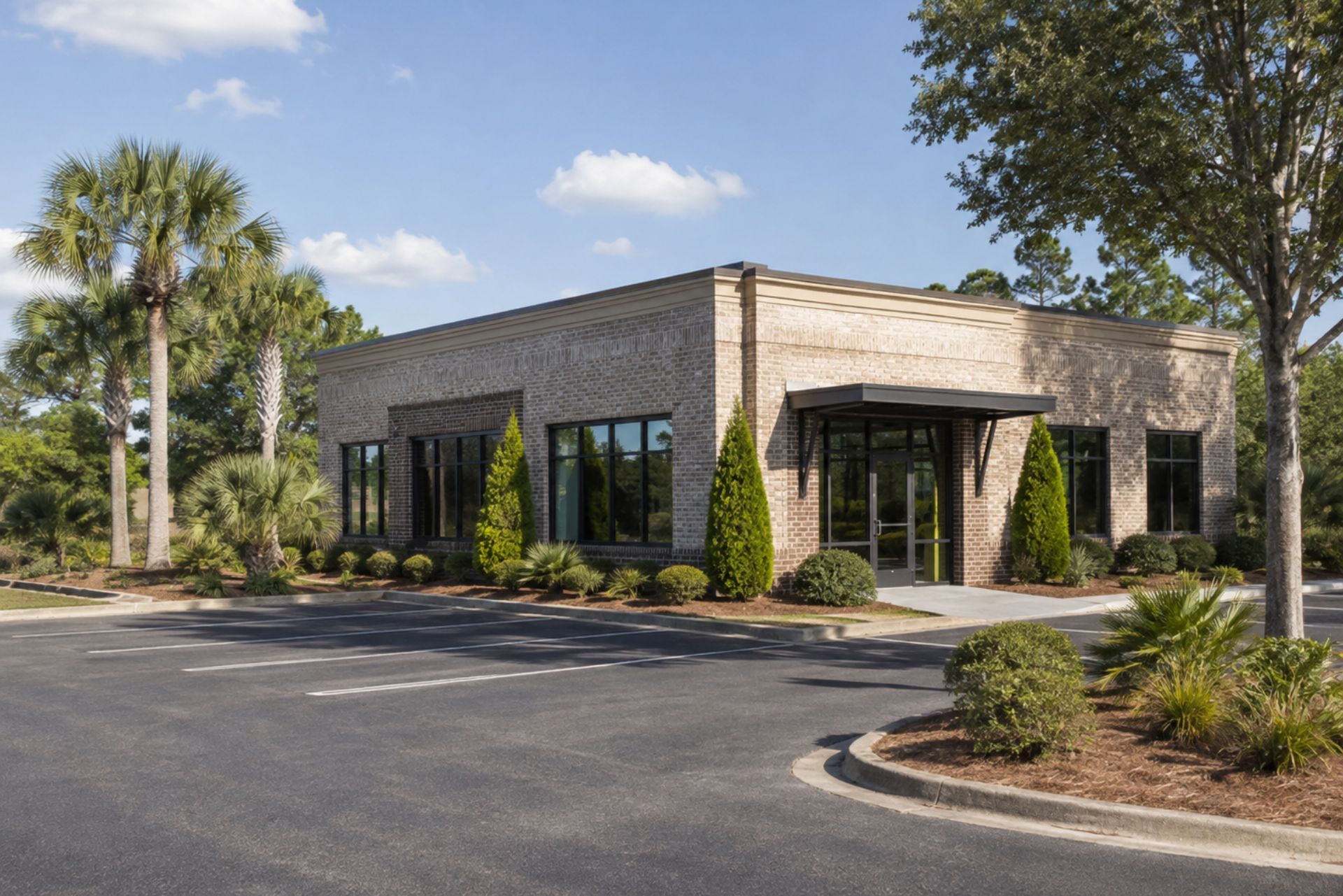
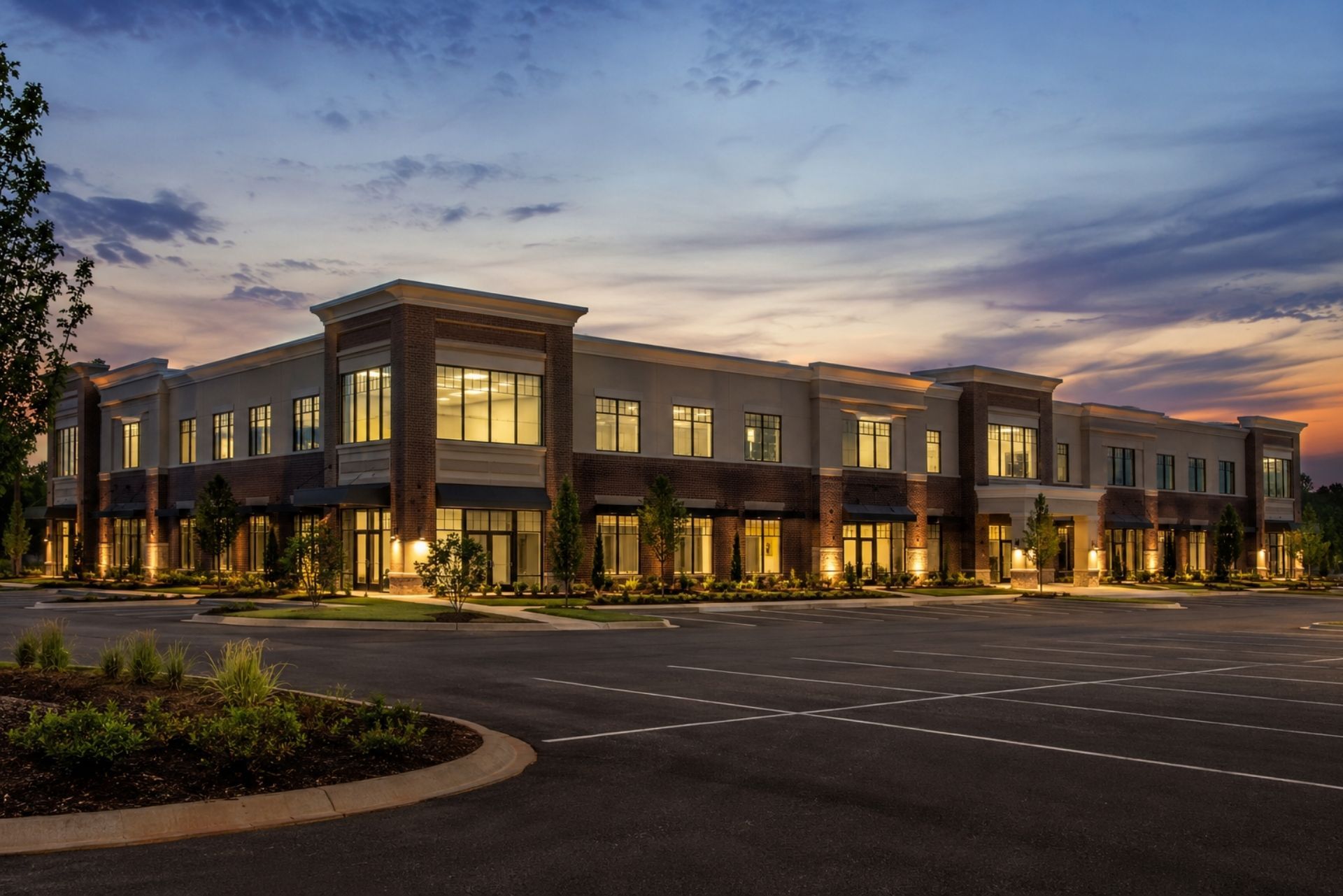
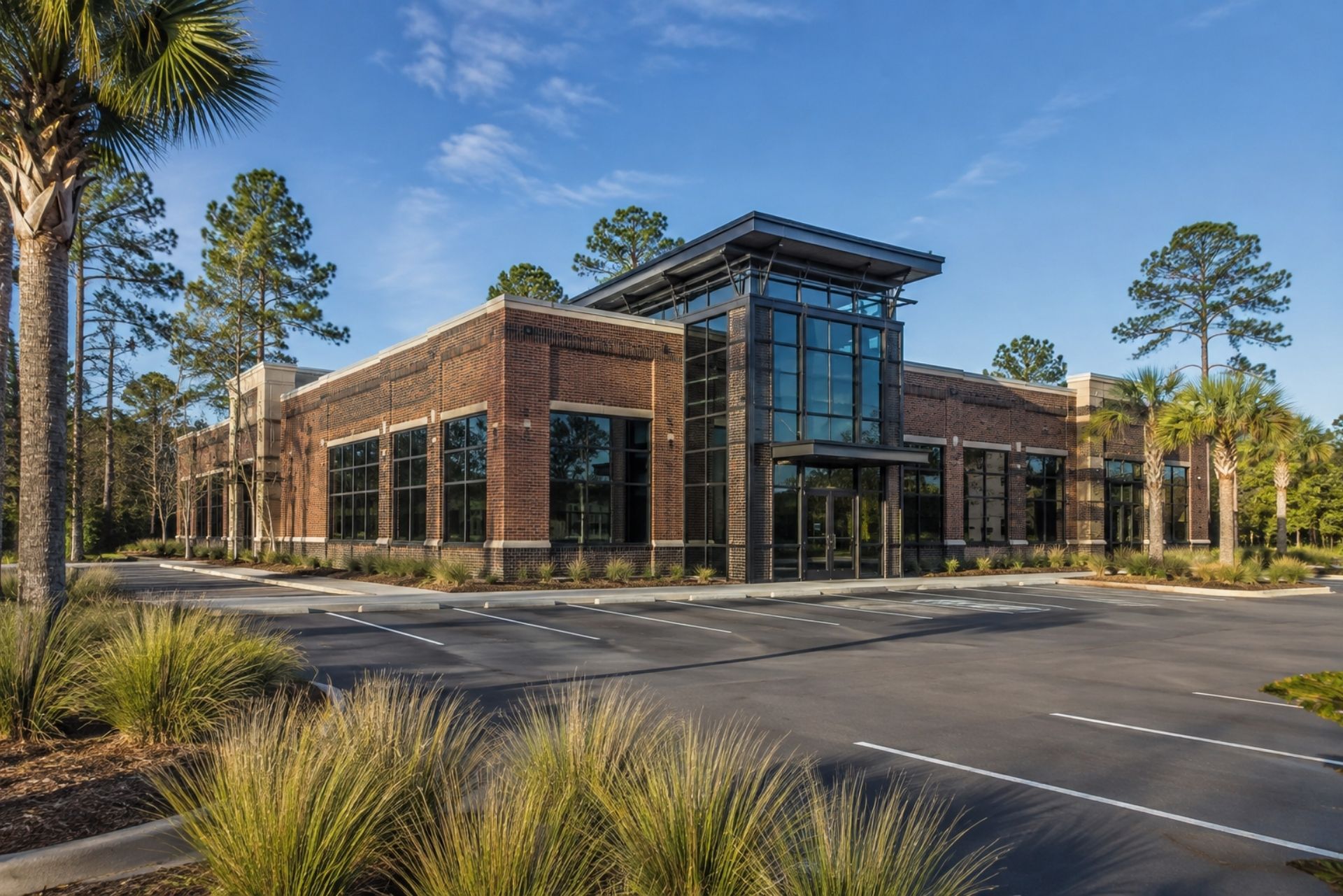
Commercial property insurance covers the physical assets your business owns or is responsible for. That sounds simple, but the details matter more than most people realize. A policy doesn't just cover "your building." It protects specific categories of property, each with its own set of rules and sub-limits.

Physical Structures and Outdoor Assets

Your building itself is the most obvious covered asset: the walls, roof, HVAC system, plumbing, and electrical wiring. But coverage typically extends beyond the four walls. Fences, signs, satellite dishes, and permanently installed fixtures usually fall under the building coverage section.


For South Carolina businesses, outdoor assets deserve extra attention. A restaurant's patio setup in Myrtle Beach or a landscaping company's storage shed in Florence counts as part of your insurable property. If you've made tenant improvements to a leased space, those upgrades are often coverable too, though you'll need to confirm they're listed on your policy.

Business Personal Property and Equipment

This is where things get personal to your operation. Business personal property includes furniture, computers, machinery, tools, and anything else you use to run the business that isn't permanently attached to the building. A dental office's X-ray machine, a print shop's presses, a law firm's server rack: all of it falls here.


One mistake I've seen repeatedly is business owners undervaluing this category. They insure the building for the right amount but lowball their equipment totals. When a loss hits, they're shocked to learn they can only recover a fraction of what they actually lost.


Inventory and Third-Party Property


If you hold inventory for sale, your policy can cover it. The same goes for property belonging to others that's in your care. A dry cleaner holding customers' clothing or an auto shop with a client's vehicle on the lift: these situations create real liability if something goes wrong.


Stock values fluctuate, especially for seasonal businesses along the coast. Make sure your coverage reflects peak inventory levels, not just your average. A surf shop in June holds far more product than it does in January.

Your CSP agent

Lawson Walker, CIC

Insurance Sales

CSP Insurance Services is a fully licensed independent insurance agency serving individuals, families, and businesses across South Carolina.

From our home in Florence, we proudly serve clients in Florence, Myrtle Beach, Rock Hill, Columbia, and communities throughout South Carolina. As an independent Trusted Choice agency, our team works with a wide range of top-rated carriers to provide personal and commercial coverage — home, auto, business, life, and more — tailored to the real needs of the people and businesses we protect.

Comparing Coverage Types: Basic vs. Special Form

The type of coverage form you choose determines what events (called "perils") your policy will actually pay for. This is one of the most consequential decisions you'll make, and it's often glossed over during the buying process.


Basic form (also called "named perils") only covers losses from a specific list of events: fire, lightning, explosion, windstorm, hail, smoke, vandalism, and a few others. If the cause of your loss isn't on the list, you're out of luck.


Special form (also called "open perils") flips the script. It covers everything unless the policy specifically excludes it. That's a huge difference. A pipe bursts and floods your office? Covered under special form, probably not under basic. A delivery truck backs into your storefront? Same story.

Comparison Table: Named Perils vs. Open Perils

Feature Basic Form (Named Perils) Special Form (Open Perils)
What's covered Only listed events Everything not excluded
Burden of proof You prove the peril is listed Insurer proves an exclusion applies
Typical cost Lower premium Higher premium
Best for Budget-conscious, low-risk locations Most businesses, especially higher-value properties
Common gaps Water damage, accidental breakage Still excludes flood, earthquake, wear and tear

For most South Carolina businesses, special form is worth the extra cost. The 2026 commercial property outlook suggests rates are stabilizing enough that upgrading your coverage form won't break the budget.

Key Factors That Determine Your Coverage Limits

Your coverage limit is the maximum your insurer will pay after a covered loss. Setting it too low is one of the most expensive mistakes a business owner can make, and it happens constantly.

Replacement Cost vs. Actual Cash Value

Replacement cost pays what it takes to repair or replace damaged property with materials of similar kind and quality, without deducting for depreciation. Actual cash value (ACV) deducts depreciation first, meaning you'll receive less as your property ages.


Here's a real-world example: a five-year-old commercial oven worth $30,000 new might have an ACV of only $18,000. If it's destroyed in a fire, an ACV policy hands you $18,000 and wishes you luck. A replacement cost policy pays what a comparable new oven actually costs in 2026. The premium difference between these two valuation methods is usually modest compared to the payout gap.

Coinsurance Clauses and Their Impact

This is where policies get sneaky. Most commercial property policies include a coinsurance clause, typically set at 80%. It requires you to insure your property for at least 80% of its full replacement value. Fall short, and you'll face a penalty on every claim, even partial ones.


Say your building's replacement cost is $1 million, but you only carry $600,000 in coverage. You've insured to 60%, not the required 80%. If you suffer a $200,000 loss, the insurer calculates: ($600,000 ÷ $800,000) × $200,000 = $150,000. You eat the remaining $50,000 yourself, on top of your deductible. That penalty applies regardless of whether the claim is small or catastrophic.

Common Policy Exclusions You Should Watch For

Every commercial property policy has exclusions, and some of them are significant enough to leave you exposed if you're not paying attention.

Flood and Earthquake Damage

Standard commercial property policies do not cover flood damage. Period. For businesses in South Carolina's coastal counties, this is a critical gap. Flood insurance must be purchased separately, often through the National Flood Insurance Program or a private carrier. If your property sits in a FEMA-designated flood zone, your lender probably requires it. If it doesn't, you still need it: roughly 25% of flood claims come from properties outside high-risk zones.


Earthquake coverage is also excluded from standard policies, though South Carolina's seismic risk is real. The 1886 Charleston earthquake remains one of the most destructive in U.S. history, and the geological conditions haven't changed.

Equipment Breakdown and Utility Interruptions

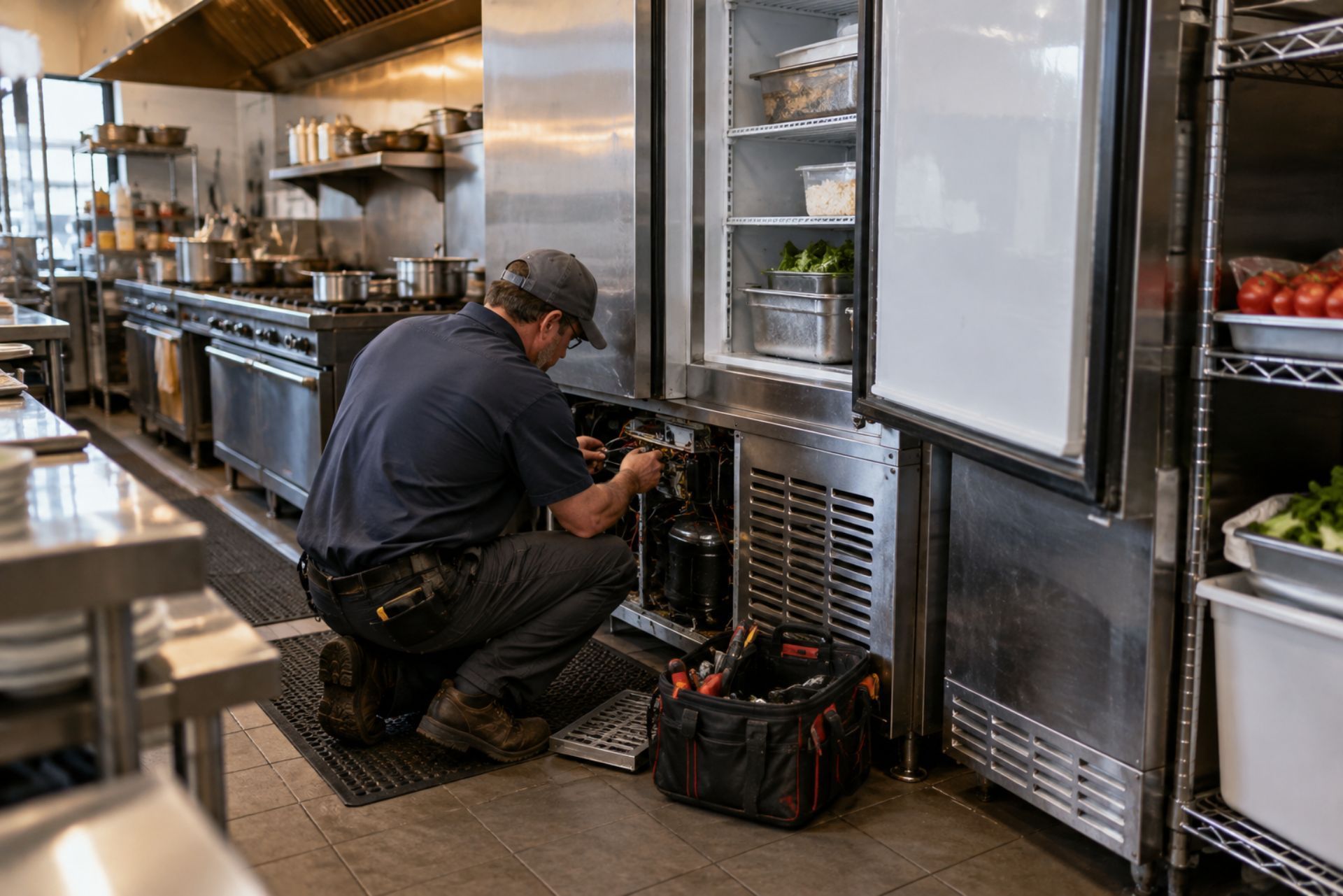
A boiler explosion, an electrical surge that fries your HVAC compressor, or a transformer failure that shuts down your coolers: none of these are typically covered under a standard property policy. You need a separate equipment breakdown endorsement, sometimes called "boiler and machinery" coverage.


Utility service interruptions caused by damage to off-premises power lines or water mains are also commonly excluded. Some insurers offer utility services coverage as an add-on, and it's worth evaluating whether your business can survive even a few days without power or water.

How to Navigate the Claims Process Successfully

Filing a commercial property claim isn't like filing an auto claim. The stakes are higher, the documentation requirements are heavier, and the timeline can stretch for months. Knowing the process before you need it saves real money.

Immediate Steps to Take After a Loss

The first 48 hours after a loss set the tone for the entire claim. Start by securing the property to prevent further damage: board up broken windows, tarp a damaged roof, shut off water if pipes have burst. Your policy requires you to mitigate additional damage, and failing to do so can reduce your payout.


Call your insurance agent immediately. An independent agency like CSP Insurance Services can help you initiate the claim and coordinate with the adjuster, which takes pressure off you during a chaotic time. Don't authorize permanent repairs until the adjuster has inspected the damage, but do make emergency repairs and keep every receipt.

Documenting Damage and Proof of Loss

Take photos and video of everything before cleanup begins. Document damaged items individually: what they were, when you bought them, what they cost, and what condition they were in. If you have pre-loss photos of your property (and you should), pull those together too.


Your insurer will likely require a formal "proof of loss" document, which is a sworn statement detailing what was damaged and how much you're claiming. This is where many claims stall. Incomplete or inaccurate proof of loss forms lead to delays, underpayments, and disputes. If the claim is substantial, consider hiring a public adjuster who works on your behalf rather than the insurer's.

Frequently Asked Questions About Property Insurance

Q: Does my policy cover my business if I work from home?

Generally, standard homeowners policies offer very limited coverage for business assets. You usually need a home-based business rider or a separate commercial policy to protect professional equipment and inventory. This is especially true if clients visit your home or you store significant inventory there.

Q: How much property insurance do I actually need?

You should aim for a limit that covers the total cost to rebuild your structure and replace all equipment at today's market prices. Underinsuring can lead to penalties if you have a coinsurance clause, so get a professional appraisal every few years.

Q: Will my premium go up if I file a claim?

It's possible, as insurers re-evaluate your risk profile after a loss. That said, many factors like the cause of the claim and your previous history also play a role. The current softening in commercial premiums may help offset increases for some policyholders in 2026.

Q: What is the difference between a deductible and a limit?

The deductible is the amount you pay out-of-pocket before insurance kicks in, while the limit is the maximum amount the insurance company will pay for a covered loss. Choosing a higher deductible lowers your premium but increases your out-of-pocket exposure when a claim occurs.

Making the Right Choice for Your Business

Getting commercial property insurance right isn't about buying the cheapest policy or the one with the highest limits. It's about matching your coverage to your actual risk profile: your location, your industry, your equipment, and the specific threats your business faces in South Carolina.


The 2026 market is giving business owners a rare opportunity. With premiums stabilizing and competition among carriers increasing, this is the year to review your policy, close coverage gaps, and make sure your limits reflect current replacement costs. Don't wait for a hurricane season headline to remind you.


If you're unsure whether your current coverage is keeping up, the team at CSP Insurance Services can compare options across multiple carriers and find the right fit for your situation. They've been doing this in South Carolina since 1939, and a quick conversation can reveal gaps you didn't know existed. Request a quote to get a no-pressure review of your commercial property coverage before your next renewal.

About the author

Lawson Walker, CIC

I'm proud to be part of an agency that's served Florence since 1939. CSP Insurance Services started as Cormell-Streett & Patterson, built by people who believed insurance should be personal — and more than eight decades later, that conviction still drives everything we do. Commitment, Service, Protection isn't just what CSP stands for; it's how I approach every client relationship.


As an independent, Trusted Choice agency, we aren't tied to any single carrier. That means I work for you — shopping multiple companies to match you with coverage that actually fits your family, your business, and your budget. No call centers, no chatbots. Just a local expert who takes the time to understand what matters to you and stands by you when it counts.


Whether you're protecting your home, your car, or a business you've spent years building, I'd be glad to help you find the right coverage.

We compare several carriers to find a policy that fits you, not one company's products.

80+ years local experience

1939

Serving SC

Meet Richard

Most Requested

Core business coverage.

The policies most South Carolina businesses start with.

Commercial Property

Protect the building, equipment, and inventory your business runs on, so a covered fire, theft, or storm doesn’t become a closed door.

Workers Compensation

Required for most South Carolina employers with staff. It covers medical bills and lost wages when an employee is hurt on the job.

Commercial Auto

Cars, trucks, and fleets used for work need more than a personal policy. This handles liability, damage, and your drivers.

General Liability

Accidents happen on the job and on your property. General liability covers third-party injury and property damage claims against your business.

Inland Marine

Tools, equipment, and goods on the move aren’t covered by standard property policies. Inland marine protects them wherever they travel.

Business Owners (BOP)

A business owners policy bundles property and liability coverage into one package, often at a better price for small businesses.

We compare several carriers to find a policy that fits you, not one company's products.

80+ years local experience

1939

Serving SC

Insurance Sales

J. Roger Jordan, CIC

Meet Richard

[CONFIRM bio]

Personal Insurance

Coverage for your home, vehicles, and family.

Protect what matters most with personal policies shopped across our carriers.

Home

Your house is likely your largest investment. Home insurance helps rebuild after covered damage and protects you from liability.

Auto

South Carolina drivers need real protection. Auto coverage handles liability, collision, medical costs, and uninsured drivers.

Umbrella

When a serious claim climbs past your home or auto limits, umbrella coverage adds an extra layer of liability protection.

Boat

Time on the water should be worry-free. Boat coverage protects your vessel, your passengers, and your liability on the lake or coast.

Motorcycle

Riders need coverage built for the road. Motorcycle insurance protects your bike, your gear, and you after an accident.

Condo

Your association covers the building, but not what’s inside. Condo insurance protects your belongings, improvements, and liability.

We compare several carriers to find a policy that fits you, not one company's products.

80+ years local experience

1939

Serving SC

Insurance Sales

J. Roger Jordan, CIC

Meet Richard

[CONFIRM bio]

Get a Quote

Boat

Your association covers the building, but not what’s inside. Condo insurance protects your belongings, improvements, and liability.

Time on the water should be worry-free. Boat coverage protects your vessel, your passengers, and your liability on the lake or coast.

Condo

Get a Quote

Motorcycle

Riders need coverage built for the road. Motorcycle insurance protects your bike, your gear, and you after an accident.

Get a Quote

Industries We Serve

Specialized coverage for your industry.

Every industry carries its own risk. We help South Carolina businesses protect what they've built.

Restaurants

Kitchens, customers, and staff create daily exposure. We protect your property, equipment, liquor liability, and employees.

Manufacturers

From equipment breakdown to product liability, manufacturers face risk on the floor and beyond. We help cover property, machinery, and goods.

Healthcare Providers

Practices and clinics carry patient, property, and professional risk. We help cover liability, equipment, and the people who run your practice.

We compare several carriers to find a policy that fits you, not one company's products.

80+ years local experience

1939

Serving SC

Commercial Property

Protect the building, equipment, and inventory your business runs on, so a covered fire, theft, or storm doesn’t become a closed door.

Meet Richard View all business coverage Get a Quote

Commercial Auto

Get a Quote

Cars, trucks, and fleets used for work need more than a personal policy. This handles liability, damage, and your drivers.

How It Works

Getting covered is simple.

Four steps, one real person from start to finish.

Tell us about you

Share a few details about what you need to protect. A real person reviews it.

We compare carriers

We shop options across our carriers to find strong protection at a fair price.

We recommend coverage

We walk you through the policy in plain language and answer every question.

You get covered

Sign with confidence — and we stay on for changes, claims, and yearly reviews.

We compare several carriers to find a policy that fits you, not one company's products.

Multi-carrier choice

Claims advocacy

When a claim happens, we stand in your corner and help move it forward with your carrier.

Local SC roots

We live and work in Florence and understand the risks your community faces because we face them too.

Client Reviews

Why clients choose CSP.

Independent advice, real people, and decades of local roots.

We compare several carriers to find a policy that fits you, not one company's products.

80+ years local experience

1939

Serving SC

Insurance Sales

J. Roger Jordan, CIC

Meet Richard

[CONFIRM bio]

Get a Quote

Boat

Your association covers the building, but not what’s inside. Condo insurance protects your belongings, improvements, and liability.

Time on the water should be worry-free. Boat coverage protects your vessel, your passengers, and your liability on the lake or coast.

Condo

Get a Quote

Motorcycle

Riders need coverage built for the road. Motorcycle insurance protects your bike, your gear, and you after an accident.

Get a Quote

FAQs

Questions, answered.

Straight answers about working with an independent agency.

  • What does an independent insurance agency do?

    An independent agency represents several carriers instead of one. We compare coverage and pricing across companies, then recommend the policy that fits you best.

  • Do you cover both personal and business insurance?

    Yes. CSP writes personal lines like home and auto, and commercial lines for businesses across South Carolina.

  • How long has CSP been in business?

    CSP traces its roots to 1939, with more than 80 years serving South Carolina families and businesses.

  • Will I work with a real person?

    Always. No call centers and no chatbots — you work with a local team member who knows your account.

  • Which areas do you serve?

    We’re based in Florence and serve clients statewide, including Myrtle Beach, Rock Hill, and Columbia.

  • How do I get a quote?

    Request a quote online, call us, or stop by the office. A real person will review your needs and follow up.

How It Works

Insurance tips & updates.

Plain-language guidance to help you make confident decisions.

How Much Does Business Insurance Cost for a Small Business in Florence, SC?
6 August 2026
Learn how much small business insurance costs in Florence, SC, including GL, workers’ comp, property coverage, pricing factors, and ways to save.
What Insurance Does a Small Business in South Carolina Legally Need?
6 August 2026
Learn what insurance South Carolina small businesses legally need, including workers’ comp, commercial auto, and essential coverage beyond state requirements.
Group Health Insurance vs. Individual Plans: Which Is Right for SC Employers?
6 August 2026
Compare group health insurance vs. individual plans for SC employers. Learn costs, tax benefits, ICHRA options, and the best fit for your team.

We compare several carriers to find a policy that fits you, not one company's products.

80+ years local experience

1939

Serving SC

Insurance Sales

J. Roger Jordan, CIC

Meet Richard

[CONFIRM bio]

Get a Quote

Boat

Your association covers the building, but not what’s inside. Condo insurance protects your belongings, improvements, and liability.

Time on the water should be worry-free. Boat coverage protects your vessel, your passengers, and your liability on the lake or coast.

Condo

Get a Quote

Motorcycle

Riders need coverage built for the road. Motorcycle insurance protects your bike, your gear, and you after an accident.


Get a Quote

Get a Quote

Let's find your coverage.

Tell us a little about what you need to protect. A real person from our Florence team will review it and follow up.

2420 Hoffmeyer Road, Suite D
Florence, SC 29501

Mon–Fri 8:30am – 5:00pm