

CSP Insurance Services was founded in 1939, when Clifford Cormell joined Earnest Streett to sell insurance in Florence. More than 80 years later, we still answer the phone ourselves. No call centers, no chatbots — just a local team that knows your name and your policy.
We compare several carriers to find a policy that fits you, not one company's products.
◆
80+ years local experience
Hospital bills, treatment, and prescriptions for a work-related injury or illness.
Medical expenses
Claims history
| Feature | Short-Term Disability | Long-Term Disability |
|---|---|---|
| Waiting Period | 7-14 days | 90-180 days |
| Benefit Duration | Up to 26 weeks | 2 years to age 65+ |
| Income Replacement | 60%-70% | 50%-60% |
| Common Claims | Surgery recovery, pregnancy, fractures | Cancer, heart disease, chronic conditions |
| Typical Cost | $0.10-$0.50 per $100 of payroll | $0.20-$0.60 per $100 of payroll |
| Best For | Bridging short absences | Protecting against career-ending events |
| General Liability | Professional Liability | |
|---|---|---|
| What it covers | Bodily injury, property damage, personal injury on premises | Errors in care, negligent supervision, failure to follow care plans |
| Example claim | Visitor slips on wet floor | Staff administers wrong medication dosage |
| Typical limits | $1M per occurrence / $2M aggregate | $1M per occurrence / $3M aggregate |
| Average cost | ~$91/month for social service providers | $100-$200/month depending on services |
| Who files claims | Visitors, vendors, third parties | Residents, families, guardians |
General liability insurance for social service organizations currently averages about $91 per month for a $1M/$2M policy. Professional liability typically runs higher because the claims tend to be more complex and costly. Skipping either one is a mistake I've seen operators make, usually because they assume one policy covers everything.
Easley sits in a sweet spot for South Carolina homeowners: close enough to Greenville to enjoy urban amenities, but tucked into the foothills of the Blue Ridge with a small-town feel that's hard to beat. That geography, though, comes with a specific set of insurance risks that most generic guides won't cover. Hailstorms rolling off the mountains, flash flooding along creek beds, and the occasional tornado warning all shape what you need from a home insurance policy here. South Carolina homeowners pay an average of $3,100 annually for insurance, though Upstate regions like Easley can see rates as low as $1,200 to $1,800 depending on the home's age, condition, and proximity to hazards. That's a significant gap, and understanding why it exists can save you real money. This guide breaks down local risks, which carriers are actively writing policies in Pickens County, and the coverage decisions that matter most for Easley homeowners heading into 2026.
Understanding Home Insurance in Easley
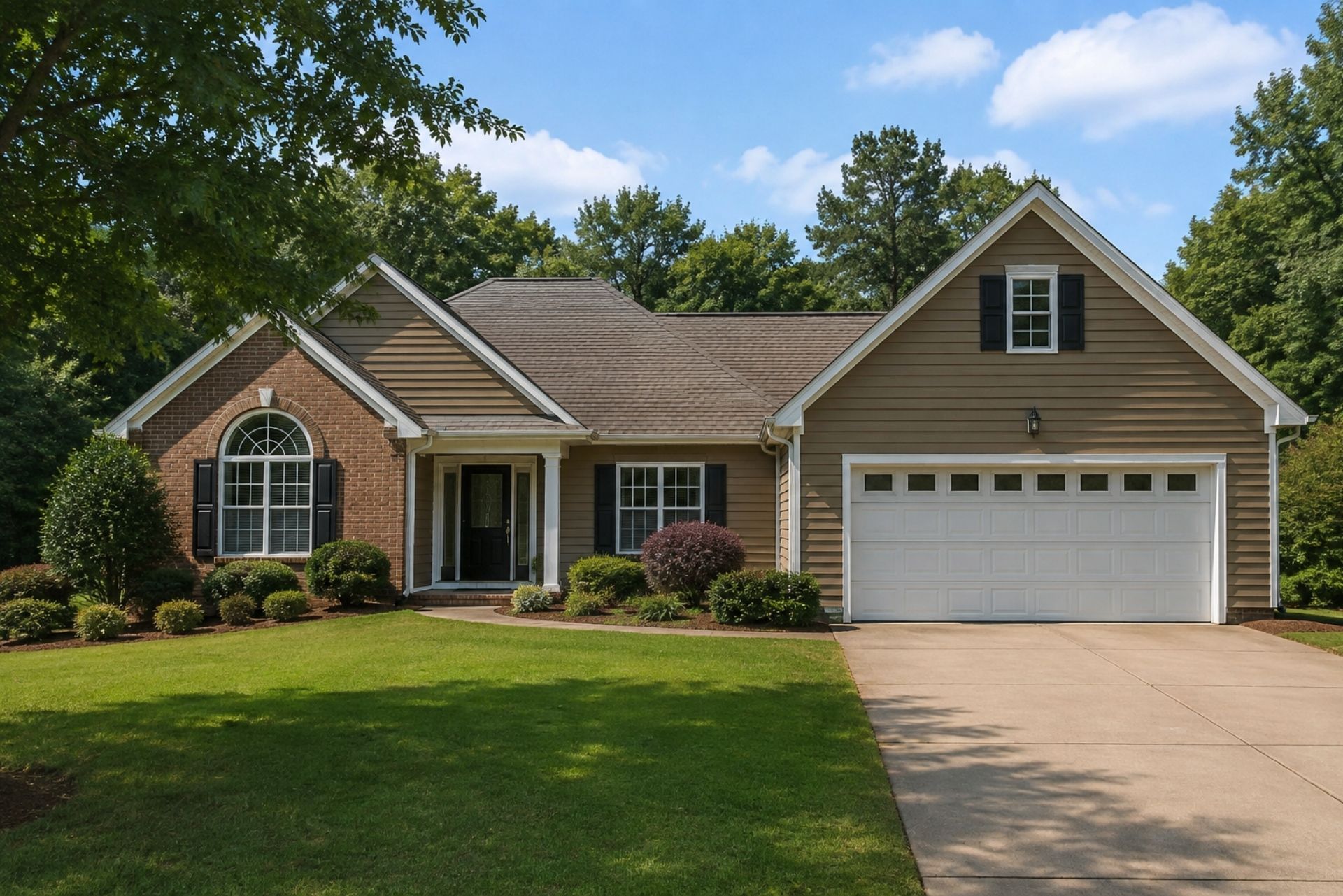
Home insurance in Easley isn't just a checkbox on your mortgage paperwork. It's a financial safety net calibrated to the specific threats your property faces, and those threats look different here than they do in Charleston or even Columbia. A policy that makes sense for a beachfront condo won't serve a brick ranch off Highway 123 the same way.
The Upstate has its own weather patterns, its own soil composition, its own building stock. Older homes near downtown Easley might have outdated wiring or plumbing that affects both eligibility and pricing. Newer construction in subdivisions like Pinnacle Point or Crosswell Gardens might qualify for discounts that a 1960s split-level won't. These details matter more than most homeowners realize.
Why Local Knowledge Matters for Your Policy
A national carrier quoting you from a call center in Arizona doesn't know that Twelve Mile Creek floods after heavy spring rains, or that certain neighborhoods sit in areas with higher clay content in the soil, which can cause foundation shifting. An agent who understands Pickens County can flag these issues before they become claim headaches.
This is where working with an independent agency like CSP Insurance Services pays off. Because they aren't locked into a single carrier, they can match your home's specific profile to the insurer most likely to offer competitive pricing and appropriate coverage. That kind of tailored approach, backed by over 80 years of industry experience, makes a measurable difference in both premium cost and claims outcomes.
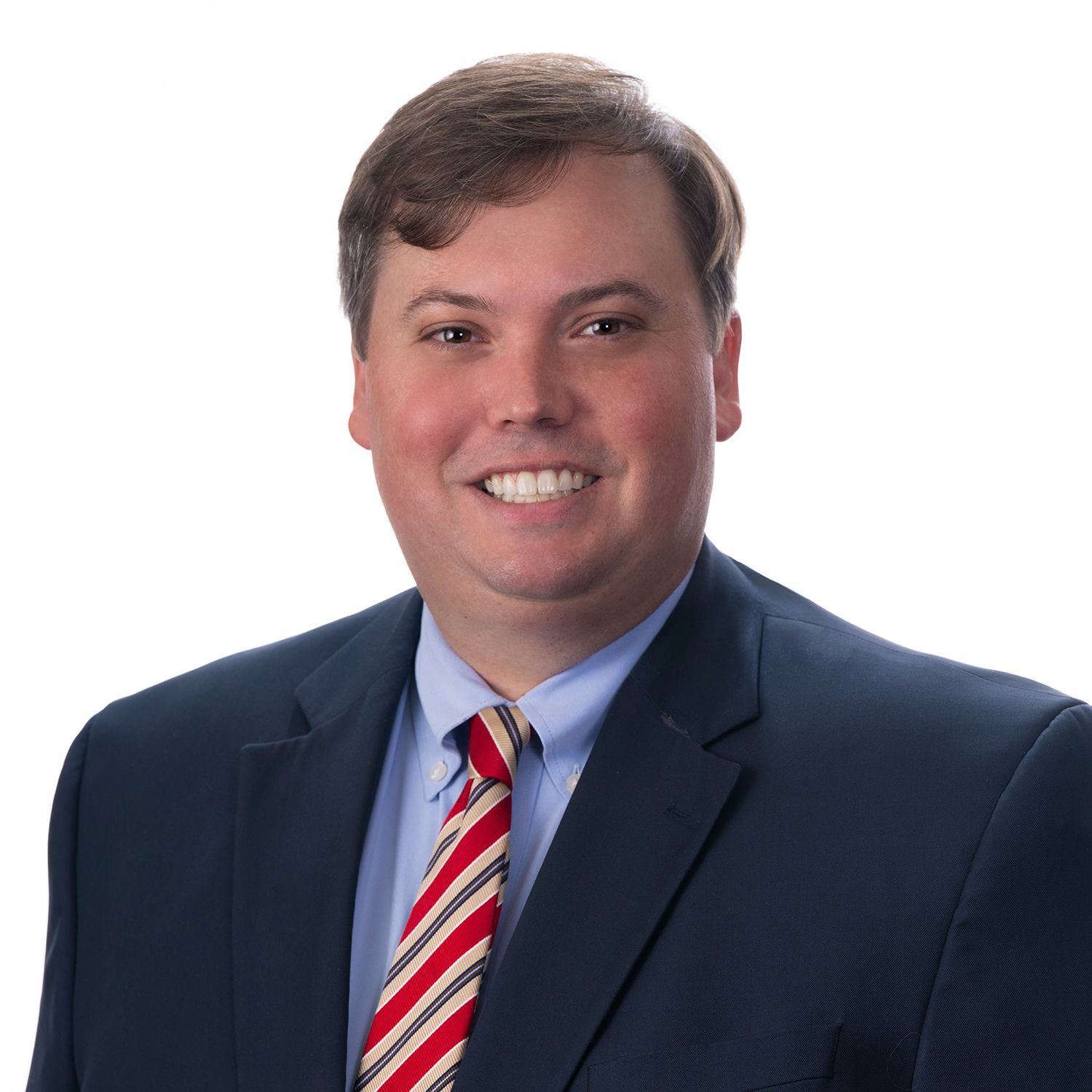
Your CSP agent
Lawson Walker, CIC
Insurance Sales
On this page
CSP Insurance Services is a fully licensed independent insurance agency serving individuals, families, and businesses across South Carolina.
From our home in Florence, we proudly serve clients in Florence, Myrtle Beach, Rock Hill, Columbia, and communities throughout South Carolina. As an independent Trusted Choice agency, our team works with a wide range of top-rated carriers to provide personal and commercial coverage — home, auto, business, life, and more — tailored to the real needs of the people and businesses we protect.
Fine Arts and High-Value Specialized Goods
Galleries, auction houses, and even corporate offices with art collections need specialized coverage. Standard property policies cap fine art at absurdly low limits, sometimes $2,500 per item. A fine arts floater provides agreed-value coverage, meaning you and the insurer agree on the item's worth upfront. If it's damaged or stolen, that's what you get paid.
Boat and Watercraft Coverage for Weekend Adventures
Your homeowners policy might cover a small kayak or canoe, but anything with a motor typically needs its own policy. Boat insurance covers physical damage to the vessel, liability for injuries or property damage you cause on the water, and sometimes towing and salvage costs.
Lake-specific risks differ from coastal ones. A boat kept at Myrtle Beach faces saltwater corrosion, hurricane exposure, and higher theft rates than one stored at a private dock on Lake Wateree. Your policy should reflect where you keep and operate the boat. An independent agency like CSP Insurance Services can compare quotes across multiple marine carriers to find coverage that actually matches your boating habits rather than forcing you into a one-size-fits-all plan.
| Feature | Admitted (Standard) Carriers | Non-Admitted (E&S) Carriers |
|---|---|---|
| State regulation | Fully regulated; rates filed with state | Exempt from rate filing; flexible pricing |
| Guaranty fund protection | Yes: state fund covers claims if carrier fails | No: no guaranty fund backstop |
| Policy forms | Standardized (ISO forms common) | Manuscript or custom forms |
| Risk appetite | Prefers low-to-moderate risk | Accepts high-risk and unusual exposures |
| Premium cost | Generally lower | Typically 20-75% higher |
| Surplus lines tax | Not applicable | Buyer pays state surplus lines tax (varies 2-5%) |
| Speed of placement | Standard timelines | Can be faster or slower depending on complexity |
Computer Equipment and Data Storage

Businesses increasingly rely on portable tech: laptops, tablets, external drives, and mobile servers. A computer equipment floater covers these items when employees take them off-site, whether that's a sales rep carrying a laptop to a client meeting in Columbia or a nonprofit transporting presentation equipment to a fundraiser. Some policies even cover the cost of data restoration, which can be more expensive than the hardware itself.
Local Risks and Regional Weather Threats
The Upstate isn't immune to severe weather just because it's inland. Easley sits at roughly 1,000 feet elevation in the Piedmont foothills, and that topography creates its own hazard profile. Understanding these risks is the first step toward making sure your policy actually protects you.
Severe Storms and Wind Damage
Pickens County averages 50-plus thunderstorm days per year, and many of those bring damaging hail and straight-line winds. The spring months from March through May are particularly active, with supercell thunderstorms capable of producing winds exceeding 70 mph. Tornadoes aren't as common as in the Midlands, but EF0 and EF1 twisters do touch down in the Upstate every few years.
Wind and hail damage account for a huge share of homeowners claims in this area. If your policy has a separate wind/hail deductible (often 1% or 2% of the dwelling coverage), you need to understand what that means in dollar terms. On a home insured for $250,000, a 2% wind/hail deductible means you're covering the first $5,000 out of pocket.
Flash Flooding and Surface Water Issues
Here's something that catches many Easley homeowners off guard: standard home insurance does not cover flood damage. Period. If Twelve Mile Creek overflows or a heavy downpour overwhelms storm drains near your property, you need a separate flood policy. Even homes outside FEMA-designated flood zones can experience surface water flooding that causes significant damage.
The National Flood Insurance Program (NFIP) offers policies, and private flood insurance options have expanded in recent years. Premiums for Upstate properties outside high-risk zones can be surprisingly affordable, sometimes under $500 per year. Given the increasing frequency of heavy rainfall events, this is coverage worth seriously considering.
Wildfire Risks in Upstate South Carolina
Most people associate wildfire risk with California, not South Carolina. But the Upstate's mix of wooded lots, dry fall seasons, and proximity to national forest land creates real exposure. Homes backing up to wooded areas along the edges of Easley's development footprint are particularly vulnerable during drought conditions.
South Carolina's Emergency Management Division has documented wildfire risk across the Upstate, and insurers are paying attention. If your property borders undeveloped woodland, expect underwriters to ask questions about defensible space, roof materials, and access for fire equipment. Metal or composite roofs can earn discounts; wood shake roofs can trigger surcharges or even declinations.
Specialty Lines: Flood, Earthquake, and Valuable Items
Flood insurance is a separate policy, typically written through FEMA's National Flood Insurance Program or a private carrier. If your home sits in a designated flood zone anywhere along the SC coast or near inland rivers, your mortgage lender will require it. But even homes outside mapped flood zones can flood: roughly 25% of flood claims come from properties in low-to-moderate risk areas.
Earthquake coverage is less common in South Carolina, but the state sits near the Charleston fault zone, which produced a magnitude 7.3 quake in 1886. A rider or standalone earthquake policy is worth considering if you're in the Lowcountry.
Scheduled personal property endorsements cover high-value items like jewelry, art, firearms, or musical instruments that exceed standard policy sub-limits. Most homeowners policies cap jewelry coverage at $1,500-$2,500 per item. If your engagement ring is worth $8,000, you need a scheduled endorsement or inland marine floater to cover the difference.
FAQ: What counts as a disability? Does it cover mental health? Are benefits taxable?
What qualifies as a disability under most group plans? Most policies define disability as the inability to perform the essential duties of your own occupation (for the first 1-2 years) and later shift to an "any occupation" standard. The exact definition varies by carrier and policy, so reading the contract language matters.
Does disability insurance cover mental health conditions? Yes, most modern group disability policies cover mental health conditions like depression, anxiety, and PTSD. However, many policies limit mental health claims to 24 months of benefits, even if the overall policy pays to age 65. Ask about this limitation before you buy.
Are disability benefits taxable? It depends on who pays the premium. If the employer pays, benefits are taxable to the employee. If the employee pays with after-tax dollars, benefits are received tax-free.
Can employees receive both workers' comp and disability benefits? Generally, no. Most disability policies include an offset provision that reduces benefits by the amount of workers' compensation received. The two programs are designed to complement each other, not stack.
Is there a waiting period before new employees can enroll? Most group plans allow employers to set an eligibility waiting period, commonly 30, 60, or 90 days. South Carolina doesn't regulate this waiting period for disability coverage, so it's up to the employer.
What happens if an employee is partially disabled? Many LTD policies include a partial or residual disability benefit that pays a reduced amount if the employee can work part-time but not full-time. This feature encourages return-to-work efforts while still providing financial support.
Factors That Influence Your Monthly Premiums
Several factors drive your builders risk premium. Project type matters: a wood-frame apartment complex costs more to insure than a concrete tilt-up warehouse. Location is significant, especially in South Carolina where coastal proximity affects wind/hail rates dramatically. A project in Florence will price very differently from one on the Grand Strand.
Other factors include project duration, the contractor's loss history, protective safeguards on-site (fencing, security cameras, fire extinguishers), and the deductible you choose. Premiums typically run between 1% and 4% of the total project value, though market conditions in early 2026 have pushed rates toward the lower end for well-managed projects.
Usually, yes. A single claim can increase your premiums by 10% to 30% or more, depending on the severity and outcome. Some carriers offer claims-free discounts that you'd lose. That said, a claim that's dismissed or results in no payout has less impact than one with a large settlement. Shopping your renewal through an independent agent can help offset rate increases by comparing offers from competing carriers.
FAQ: Will my rates go up if I have one claim?
Apartment complex insurance isn't a single policy: it's a coordinated set of coverages that work together to protect your buildings, your income, your employees, and your financial future. The right package includes general liability, commercial property, workers comp, commercial auto, and specialized add-ons like loss of rental income and equipment breakdown. Skipping any one of these creates a gap that a single bad claim can exploit.
The most effective approach is working with an independent agency that can compare options across multiple carriers. CSP Insurance Services has been helping South Carolina property owners build customized coverage programs since 1939, with direct access to real people who understand multifamily risk. If you're unsure whether your current coverage matches your actual exposure, or if you're purchasing a new complex and need to build a policy from scratch, request a quote to get a personalized analysis of your insurance needs. A 20-minute conversation now can save you six figures when a claim hits.
Does general liability cover fuel spills?
Usually not. Most GL policies contain pollution exclusions that specifically exclude fuel spills and environmental contamination. You need a separate pollution liability policy to cover cleanup costs, third-party damages, and regulatory fines from fuel releases.
Carrier Appetite: Who is Writing Policies in Pickens County?
Not every insurance company wants to write homeowners policies in every market. Carrier appetite shifts based on loss history, regulatory environment, and competitive strategy. In Pickens County, the market is generally healthy, with multiple carriers actively competing for business.
National carriers like State Farm, Allstate, and USAA maintain a strong presence. Regional players such as Auto-Owners, Selective, and Travelers are also actively writing policies in the Easley area. The key difference between them often comes down to how they handle claims, what discounts they offer, and how aggressively they price specific risk profiles.
Preferred Risks for Easley Homeowners
Carriers love newer homes with updated roofs, modern electrical systems, and security features like monitored alarms and smart water leak detectors. A home built after 2005 with a roof less than 10 years old, located in a subdivision with fire hydrant access, is going to get the best rates from the widest selection of insurers.
Older homes aren't uninsurable, but they require more shopping. Some carriers won't write a policy if the roof is over 15 years old or if the home has polybutylene plumbing, which was common in South Carolina construction during the 1980s and early 1990s. An independent agent can identify which carriers are flexible on these issues and which aren't, saving you time and frustration.
Boat and Watercraft Coverage for Weekend Adventures
Your homeowners policy might cover a small kayak or canoe, but anything with a motor typically needs its own policy. Boat insurance covers physical damage to the vessel, liability for injuries or property damage you cause on the water, and sometimes towing and salvage costs.
Lake-specific risks differ from coastal ones. A boat kept at Myrtle Beach faces saltwater corrosion, hurricane exposure, and higher theft rates than one stored at a private dock on Lake Wateree. Your policy should reflect where you keep and operate the boat. An independent agency like CSP Insurance Services can compare quotes across multiple marine carriers to find coverage that actually matches your boating habits rather than forcing you into a one-size-fits-all plan.
Boat and Watercraft Coverage for Weekend Adventures
Your homeowners policy might cover a small kayak or canoe, but anything with a motor typically needs its own policy. Boat insurance covers physical damage to the vessel, liability for injuries or property damage you cause on the water, and sometimes towing and salvage costs.
Lake-specific risks differ from coastal ones. A boat kept at Myrtle Beach faces saltwater corrosion, hurricane exposure, and higher theft rates than one stored at a private dock on Lake Wateree. Your policy should reflect where you keep and operate the boat. An independent agency like CSP Insurance Services can compare quotes across multiple marine carriers to find coverage that actually matches your boating habits rather than forcing you into a one-size-fits-all plan.
| Feature | Admitted (Standard) Carriers | Non-Admitted (E&S) Carriers |
|---|---|---|
| State regulation | Fully regulated; rates filed with state | Exempt from rate filing; flexible pricing |
| Guaranty fund protection | Yes: state fund covers claims if carrier fails | No: no guaranty fund backstop |
| Policy forms | Standardized (ISO forms common) | Manuscript or custom forms |
| Risk appetite | Prefers low-to-moderate risk | Accepts high-risk and unusual exposures |
| Premium cost | Generally lower | Typically 20-75% higher |
| Surplus lines tax | Not applicable | Buyer pays state surplus lines tax (varies 2-5%) |
| Speed of placement | Standard timelines | Can be faster or slower depending on complexity |
This is a policy feature that doesn't get enough attention. A consent-to-settle clause gives you the right to approve or reject any settlement offer your insurer wants to make. Without it, your carrier can settle a claim you believe is meritless, and that settlement goes on your record.
Some policies include a "hammer clause" instead: if you refuse a settlement the insurer recommends and the case goes to trial with a worse outcome, you're responsible for the difference. Understanding this clause before you buy a policy is critical. At CSP Insurance Services, their team walks clients through these policy details line by line, which matters because the fine print in malpractice policies can have career-altering consequences.
The Role of Consent-to-Settle Clauses
Errors and Omissions (E&O) for Design Flaws
If your shop does any design work, engineering consultation, or CAD/CAM programming for clients, E&O insurance is essential. This covers claims where your professional judgment or technical expertise leads to a client's financial loss.
A common scenario: your shop designs a custom fixture based on a client's rough specifications, the fixture fails during production, and the client claims your design was flawed. Without E&O coverage, you're defending that claim and paying any settlement from your own funds. Product recall insurance trends in 2026 show that insurers are paying closer attention to design-related exposures, which means getting E&O in place now is smarter than waiting until underwriting tightens further.
Comparing Standard vs. Enhanced Coverage Options
Not all homeowners policies are created equal, and the difference between a basic HO-3 policy and an enhanced option can be dramatic when it's time to file a claim. Understanding what you're buying matters more than chasing the lowest premium.
Basic vs. Extended Coverage Table
| Coverage Feature | Standard HO-3 | Enhanced / HO-5 |
|---|---|---|
| Dwelling Coverage | Named perils for personal property | Open perils for dwelling and personal property |
| Personal Property | Actual cash value common | Replacement cost standard |
| Water Backup | Not included | Often included or available as add-on |
| Ordinance or Law | 10% of dwelling coverage | 25-50% of dwelling coverage |
| Deductible Options | $1,000-$2,500 standard | Lower deductible options available |
| Identity Theft | Not included | Typically included |
| Mold Coverage | Limited or excluded | Higher sublimits available |
The "open perils" distinction is the big one. A standard HO-3 covers your personal belongings only for specifically listed causes of loss. An HO-5 covers them for anything that isn't explicitly excluded. That's a meaningful upgrade, especially if you own expensive electronics, artwork, or musical instruments.
Specialty Lines: Flood, Earthquake, and Valuable Items
Flood insurance is a separate policy, typically written through FEMA's National Flood Insurance Program or a private carrier. If your home sits in a designated flood zone anywhere along the SC coast or near inland rivers, your mortgage lender will require it. But even homes outside mapped flood zones can flood: roughly 25% of flood claims come from properties in low-to-moderate risk areas.
Earthquake coverage is less common in South Carolina, but the state sits near the Charleston fault zone, which produced a magnitude 7.3 quake in 1886. A rider or standalone earthquake policy is worth considering if you're in the Lowcountry.
Scheduled personal property endorsements cover high-value items like jewelry, art, firearms, or musical instruments that exceed standard policy sub-limits. Most homeowners policies cap jewelry coverage at $1,500-$2,500 per item. If your engagement ring is worth $8,000, you need a scheduled endorsement or inland marine floater to cover the difference.
FAQ: What counts as a disability? Does it cover mental health? Are benefits taxable?
What qualifies as a disability under most group plans? Most policies define disability as the inability to perform the essential duties of your own occupation (for the first 1-2 years) and later shift to an "any occupation" standard. The exact definition varies by carrier and policy, so reading the contract language matters.
Does disability insurance cover mental health conditions? Yes, most modern group disability policies cover mental health conditions like depression, anxiety, and PTSD. However, many policies limit mental health claims to 24 months of benefits, even if the overall policy pays to age 65. Ask about this limitation before you buy.
Are disability benefits taxable? It depends on who pays the premium. If the employer pays, benefits are taxable to the employee. If the employee pays with after-tax dollars, benefits are received tax-free.
Can employees receive both workers' comp and disability benefits? Generally, no. Most disability policies include an offset provision that reduces benefits by the amount of workers' compensation received. The two programs are designed to complement each other, not stack.
Is there a waiting period before new employees can enroll? Most group plans allow employers to set an eligibility waiting period, commonly 30, 60, or 90 days. South Carolina doesn't regulate this waiting period for disability coverage, so it's up to the employer.
What happens if an employee is partially disabled? Many LTD policies include a partial or residual disability benefit that pays a reduced amount if the employee can work part-time but not full-time. This feature encourages return-to-work efforts while still providing financial support.
Factors That Influence Your Monthly Premiums
Several factors drive your builders risk premium. Project type matters: a wood-frame apartment complex costs more to insure than a concrete tilt-up warehouse. Location is significant, especially in South Carolina where coastal proximity affects wind/hail rates dramatically. A project in Florence will price very differently from one on the Grand Strand.
Other factors include project duration, the contractor's loss history, protective safeguards on-site (fencing, security cameras, fire extinguishers), and the deductible you choose. Premiums typically run between 1% and 4% of the total project value, though market conditions in early 2026 have pushed rates toward the lower end for well-managed projects.
Usually, yes. A single claim can increase your premiums by 10% to 30% or more, depending on the severity and outcome. Some carriers offer claims-free discounts that you'd lose. That said, a claim that's dismissed or results in no payout has less impact than one with a large settlement. Shopping your renewal through an independent agent can help offset rate increases by comparing offers from competing carriers.
FAQ: Will my rates go up if I have one claim?
Apartment complex insurance isn't a single policy: it's a coordinated set of coverages that work together to protect your buildings, your income, your employees, and your financial future. The right package includes general liability, commercial property, workers comp, commercial auto, and specialized add-ons like loss of rental income and equipment breakdown. Skipping any one of these creates a gap that a single bad claim can exploit.
The most effective approach is working with an independent agency that can compare options across multiple carriers. CSP Insurance Services has been helping South Carolina property owners build customized coverage programs since 1939, with direct access to real people who understand multifamily risk. If you're unsure whether your current coverage matches your actual exposure, or if you're purchasing a new complex and need to build a policy from scratch, request a quote to get a personalized analysis of your insurance needs. A 20-minute conversation now can save you six figures when a claim hits.
Does general liability cover fuel spills?
Usually not. Most GL policies contain pollution exclusions that specifically exclude fuel spills and environmental contamination. You need a separate pollution liability policy to cover cleanup costs, third-party damages, and regulatory fines from fuel releases.
Essential Coverage Considerations for the Upstate
Getting the right policy structure matters just as much as choosing the right carrier. Two coverage decisions in particular trip up Easley homeowners more than any others.
Replacement Cost vs. Actual Cash Value
Replacement cost pays to rebuild or replace damaged property at current prices. Actual cash value deducts depreciation, meaning your 12-year-old roof might only be valued at a fraction of what a new one costs. The premium difference between these two options is usually modest, maybe $100 to $200 per year, but the claims payout difference can be tens of thousands of dollars.
For most homeowners, replacement cost coverage is worth the extra premium. This is especially true in 2026, with construction material costs still elevated compared to pre-pandemic levels. If your policy pays actual cash value on a roof claim, you could be looking at a $15,000 gap between what insurance pays and what the contractor charges.
Valuable Personal Property Riders
Standard policies cap payouts on certain categories: jewelry is often limited to $1,500, firearms to $2,500, and electronics to $5,000. If you own a $4,000 engagement ring or a gun collection worth $10,000, your base policy won't cover the full loss.
Scheduled personal property riders (sometimes called floaters) let you insure specific high-value items at their appraised value. The cost is typically $1 to $2 per $100 of coverage annually. CSP Insurance Services regularly helps clients identify these gaps during policy reviews, which is exactly the kind of detail that gets missed when you buy coverage through an automated online portal.
Boat and Watercraft Coverage for Weekend Adventures
Your homeowners policy might cover a small kayak or canoe, but anything with a motor typically needs its own policy. Boat insurance covers physical damage to the vessel, liability for injuries or property damage you cause on the water, and sometimes towing and salvage costs.
Lake-specific risks differ from coastal ones. A boat kept at Myrtle Beach faces saltwater corrosion, hurricane exposure, and higher theft rates than one stored at a private dock on Lake Wateree. Your policy should reflect where you keep and operate the boat. An independent agency like CSP Insurance Services can compare quotes across multiple marine carriers to find coverage that actually matches your boating habits rather than forcing you into a one-size-fits-all plan.
Boat and Watercraft Coverage for Weekend Adventures
Your homeowners policy might cover a small kayak or canoe, but anything with a motor typically needs its own policy. Boat insurance covers physical damage to the vessel, liability for injuries or property damage you cause on the water, and sometimes towing and salvage costs.
Lake-specific risks differ from coastal ones. A boat kept at Myrtle Beach faces saltwater corrosion, hurricane exposure, and higher theft rates than one stored at a private dock on Lake Wateree. Your policy should reflect where you keep and operate the boat. An independent agency like CSP Insurance Services can compare quotes across multiple marine carriers to find coverage that actually matches your boating habits rather than forcing you into a one-size-fits-all plan.
| Feature | Admitted (Standard) Carriers | Non-Admitted (E&S) Carriers |
|---|---|---|
| State regulation | Fully regulated; rates filed with state | Exempt from rate filing; flexible pricing |
| Guaranty fund protection | Yes: state fund covers claims if carrier fails | No: no guaranty fund backstop |
| Policy forms | Standardized (ISO forms common) | Manuscript or custom forms |
| Risk appetite | Prefers low-to-moderate risk | Accepts high-risk and unusual exposures |
| Premium cost | Generally lower | Typically 20-75% higher |
| Surplus lines tax | Not applicable | Buyer pays state surplus lines tax (varies 2-5%) |
| Speed of placement | Standard timelines | Can be faster or slower depending on complexity |
This is a policy feature that doesn't get enough attention. A consent-to-settle clause gives you the right to approve or reject any settlement offer your insurer wants to make. Without it, your carrier can settle a claim you believe is meritless, and that settlement goes on your record.
Some policies include a "hammer clause" instead: if you refuse a settlement the insurer recommends and the case goes to trial with a worse outcome, you're responsible for the difference. Understanding this clause before you buy a policy is critical. At CSP Insurance Services, their team walks clients through these policy details line by line, which matters because the fine print in malpractice policies can have career-altering consequences.
The Role of Consent-to-Settle Clauses
Errors and Omissions (E&O) for Design Flaws
If your shop does any design work, engineering consultation, or CAD/CAM programming for clients, E&O insurance is essential. This covers claims where your professional judgment or technical expertise leads to a client's financial loss.
A common scenario: your shop designs a custom fixture based on a client's rough specifications, the fixture fails during production, and the client claims your design was flawed. Without E&O coverage, you're defending that claim and paying any settlement from your own funds. Product recall insurance trends in 2026 show that insurers are paying closer attention to design-related exposures, which means getting E&O in place now is smarter than waiting until underwriting tightens further.
Common Questions About Easley Home Insurance
Frequently Asked Questions
Do I need flood insurance if I'm not in a flood zone? You're not required to carry it, but roughly 25% of all flood claims come from properties outside high-risk zones. If your home sits near any creek, drainage ditch, or low-lying area, a separate flood policy is smart protection for a relatively low cost.
How does my roof age affect my premium? Significantly. Most carriers offer the best rates on roofs under 10 years old. Once a roof passes 15 to 20 years, some insurers will only offer actual cash value coverage on it, and a few will decline to write the policy entirely.
Will my rates go up if I file a claim? Usually, yes. A single claim can increase your premium by 10% to 25% at renewal, and the surcharge typically lasts three to five years. For small claims close to your deductible amount, it's often worth paying out of pocket.
Is earthquake coverage included in my policy? No. South Carolina does have seismic activity, particularly along fault lines in the Upstate. Earthquake coverage is available as a separate endorsement and is relatively inexpensive for Easley homes, usually under $100 per year.
What discounts should I ask about? Bundling home and auto, installing a monitored security system, having a newer roof, being claims-free for three or more years, and opting for a higher deductible can all reduce your premium. Some carriers also offer loyalty discounts after five-plus years.
Specialty Lines: Flood, Earthquake, and Valuable Items
Flood insurance is a separate policy, typically written through FEMA's National Flood Insurance Program or a private carrier. If your home sits in a designated flood zone anywhere along the SC coast or near inland rivers, your mortgage lender will require it. But even homes outside mapped flood zones can flood: roughly 25% of flood claims come from properties in low-to-moderate risk areas.
Earthquake coverage is less common in South Carolina, but the state sits near the Charleston fault zone, which produced a magnitude 7.3 quake in 1886. A rider or standalone earthquake policy is worth considering if you're in the Lowcountry.
Scheduled personal property endorsements cover high-value items like jewelry, art, firearms, or musical instruments that exceed standard policy sub-limits. Most homeowners policies cap jewelry coverage at $1,500-$2,500 per item. If your engagement ring is worth $8,000, you need a scheduled endorsement or inland marine floater to cover the difference.
FAQ: What counts as a disability? Does it cover mental health? Are benefits taxable?
What qualifies as a disability under most group plans? Most policies define disability as the inability to perform the essential duties of your own occupation (for the first 1-2 years) and later shift to an "any occupation" standard. The exact definition varies by carrier and policy, so reading the contract language matters.
Does disability insurance cover mental health conditions? Yes, most modern group disability policies cover mental health conditions like depression, anxiety, and PTSD. However, many policies limit mental health claims to 24 months of benefits, even if the overall policy pays to age 65. Ask about this limitation before you buy.
Are disability benefits taxable? It depends on who pays the premium. If the employer pays, benefits are taxable to the employee. If the employee pays with after-tax dollars, benefits are received tax-free.
Can employees receive both workers' comp and disability benefits? Generally, no. Most disability policies include an offset provision that reduces benefits by the amount of workers' compensation received. The two programs are designed to complement each other, not stack.
Is there a waiting period before new employees can enroll? Most group plans allow employers to set an eligibility waiting period, commonly 30, 60, or 90 days. South Carolina doesn't regulate this waiting period for disability coverage, so it's up to the employer.
What happens if an employee is partially disabled? Many LTD policies include a partial or residual disability benefit that pays a reduced amount if the employee can work part-time but not full-time. This feature encourages return-to-work efforts while still providing financial support.
Factors That Influence Your Monthly Premiums
Several factors drive your builders risk premium. Project type matters: a wood-frame apartment complex costs more to insure than a concrete tilt-up warehouse. Location is significant, especially in South Carolina where coastal proximity affects wind/hail rates dramatically. A project in Florence will price very differently from one on the Grand Strand.
Other factors include project duration, the contractor's loss history, protective safeguards on-site (fencing, security cameras, fire extinguishers), and the deductible you choose. Premiums typically run between 1% and 4% of the total project value, though market conditions in early 2026 have pushed rates toward the lower end for well-managed projects.
Usually, yes. A single claim can increase your premiums by 10% to 30% or more, depending on the severity and outcome. Some carriers offer claims-free discounts that you'd lose. That said, a claim that's dismissed or results in no payout has less impact than one with a large settlement. Shopping your renewal through an independent agent can help offset rate increases by comparing offers from competing carriers.
FAQ: Will my rates go up if I have one claim?
Apartment complex insurance isn't a single policy: it's a coordinated set of coverages that work together to protect your buildings, your income, your employees, and your financial future. The right package includes general liability, commercial property, workers comp, commercial auto, and specialized add-ons like loss of rental income and equipment breakdown. Skipping any one of these creates a gap that a single bad claim can exploit.
The most effective approach is working with an independent agency that can compare options across multiple carriers. CSP Insurance Services has been helping South Carolina property owners build customized coverage programs since 1939, with direct access to real people who understand multifamily risk. If you're unsure whether your current coverage matches your actual exposure, or if you're purchasing a new complex and need to build a policy from scratch, request a quote to get a personalized analysis of your insurance needs. A 20-minute conversation now can save you six figures when a claim hits.
Does general liability cover fuel spills?
Usually not. Most GL policies contain pollution exclusions that specifically exclude fuel spills and environmental contamination. You need a separate pollution liability policy to cover cleanup costs, third-party damages, and regulatory fines from fuel releases.
Making the Right Choice for Your Family
Choosing the right home insurance for an Easley property isn't about finding the cheapest quote online. It's about matching your home's specific risk profile, your family's financial situation, and your tolerance for out-of-pocket costs with a policy that actually performs when something goes wrong. A $200 annual savings means nothing if your claim gets denied because you skipped water backup coverage or chose actual cash value to save a few bucks.
The smartest move you can make is to sit down with an independent agent who knows the Pickens County market, understands which carriers are writing competitive policies right now, and can spot the coverage gaps that most homeowners don't think about until it's too late. If you're ready to get a clearer picture of what your home insurance should look like, request a quote from CSP Insurance Services and talk through your options with someone who actually picks up the phone.
About the author
Lawson Walker, CIC
I'm proud to be part of an agency that's served Florence since 1939. CSP Insurance Services started as Cormell-Streett & Patterson, built by people who believed insurance should be personal — and more than eight decades later, that conviction still drives everything we do. Commitment, Service, Protection isn't just what CSP stands for; it's how I approach every client relationship.
As an independent, Trusted Choice agency, we aren't tied to any single carrier. That means I work for you — shopping multiple companies to match you with coverage that actually fits your family, your business, and your budget. No call centers, no chatbots. Just a local expert who takes the time to understand what matters to you and stands by you when it counts.
Whether you're protecting your home, your car, or a business you've spent years building, I'd be glad to help you find the right coverage.
We compare several carriers to find a policy that fits you, not one company's products.
◆
80+ years local experience
1939
Serving SC
Most Requested
Core business coverage.
The policies most South Carolina businesses start with.

Commercial Property
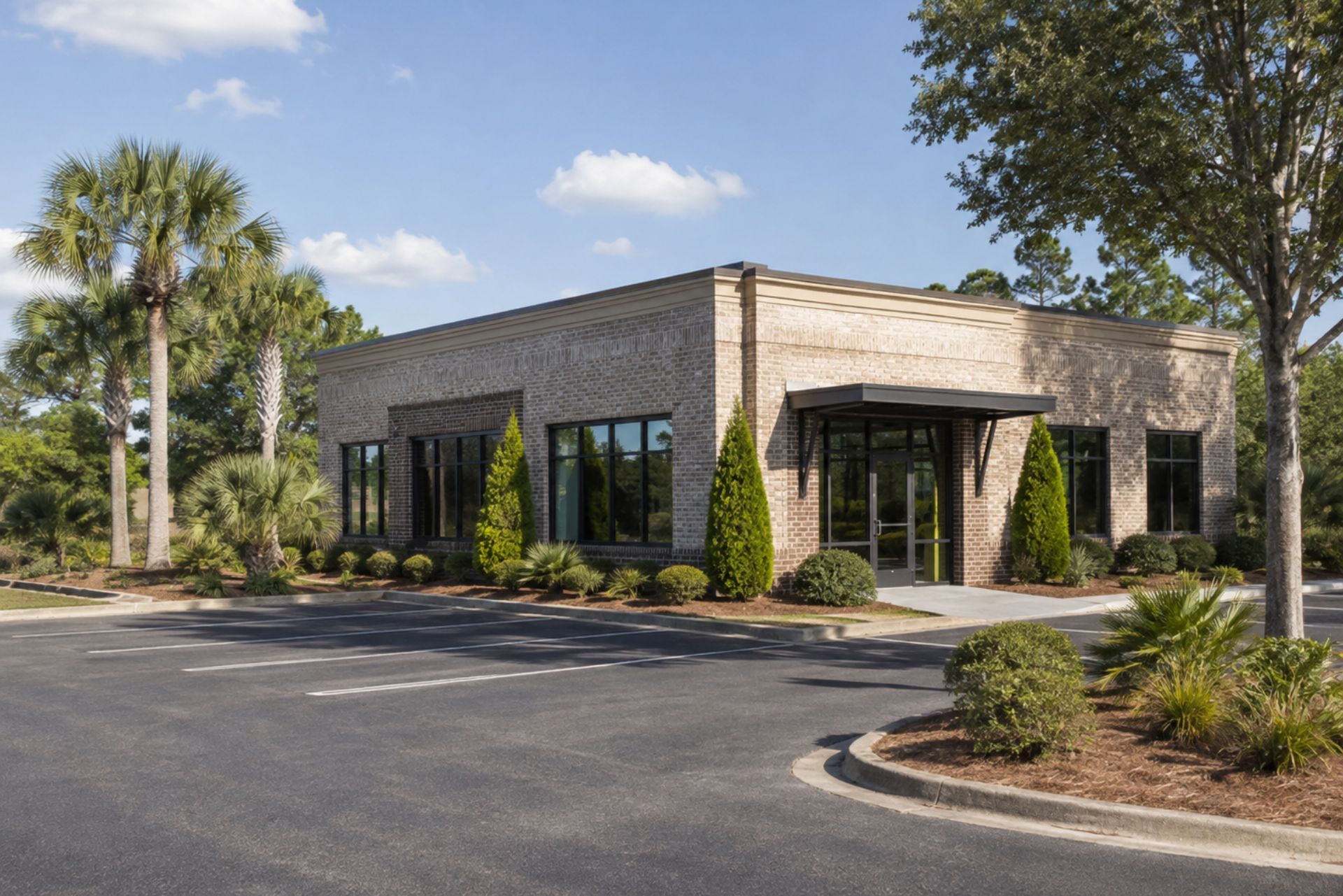
Protect the building, equipment, and inventory your business runs on, so a covered fire, theft, or storm doesn’t become a closed door.

Workers Compensation
Required for most South Carolina employers with staff. It covers medical bills and lost wages when an employee is hurt on the job.

Commercial Auto
Cars, trucks, and fleets used for work need more than a personal policy. This handles liability, damage, and your drivers.

General Liability
Accidents happen on the job and on your property. General liability covers third-party injury and property damage claims against your business.

Inland Marine
Tools, equipment, and goods on the move aren’t covered by standard property policies. Inland marine protects them wherever they travel.

Business Owners (BOP)
A business owners policy bundles property and liability coverage into one package, often at a better price for small businesses.
We compare several carriers to find a policy that fits you, not one company's products.
◆
80+ years local experience
1939
Serving SC

Insurance Sales
J. Roger Jordan, CIC
[CONFIRM bio]
Personal Insurance
Coverage for your home, vehicles, and family.
Protect what matters most with personal policies shopped across our carriers.
Home
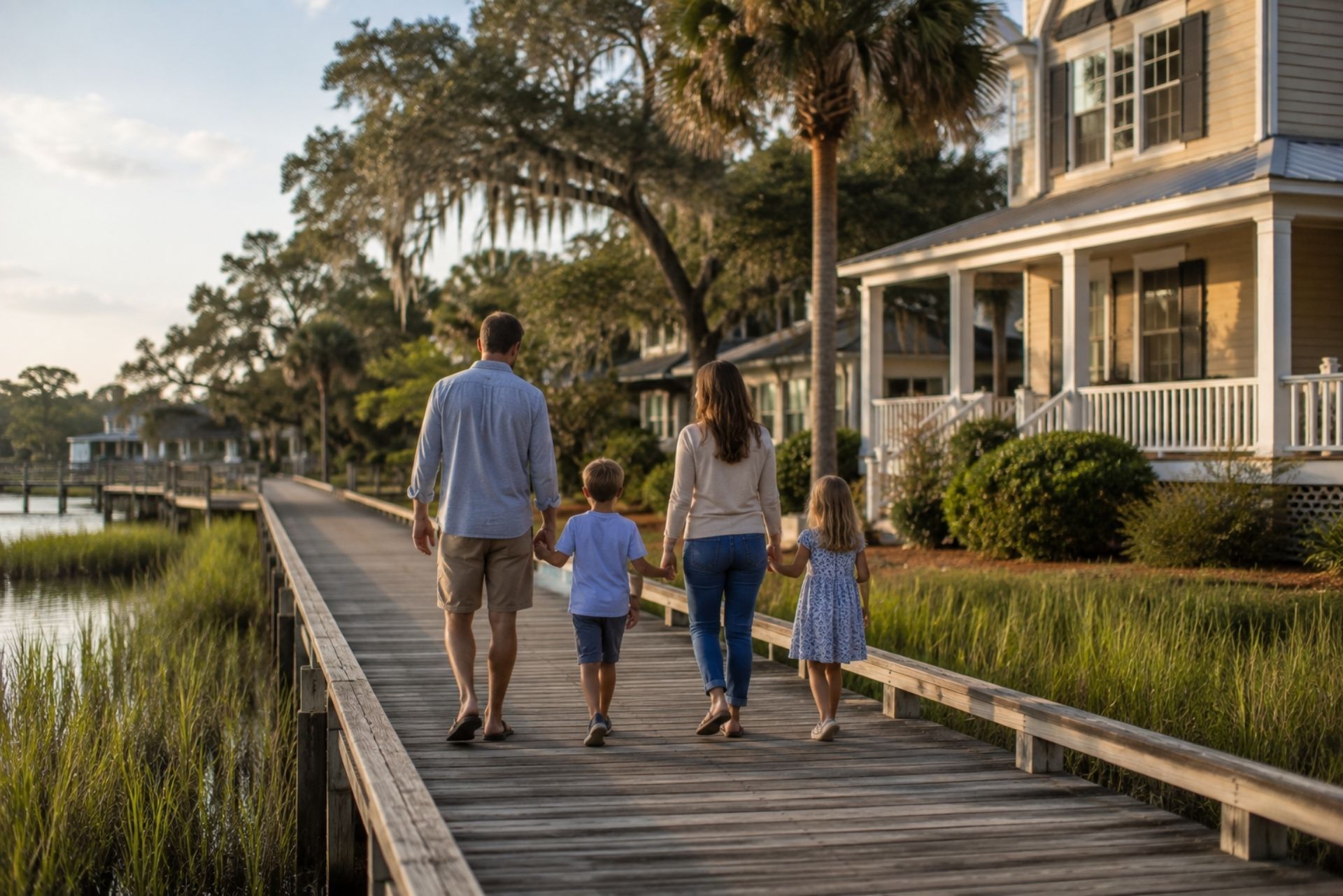
Your house is likely your largest investment. Home insurance helps rebuild after covered damage and protects you from liability.
Auto
South Carolina drivers need real protection. Auto coverage handles liability, collision, medical costs, and uninsured drivers.
Umbrella
When a serious claim climbs past your home or auto limits, umbrella coverage adds an extra layer of liability protection.
Boat
Time on the water should be worry-free. Boat coverage protects your vessel, your passengers, and your liability on the lake or coast.
Motorcycle
Riders need coverage built for the road. Motorcycle insurance protects your bike, your gear, and you after an accident.
Condo
Your association covers the building, but not what’s inside. Condo insurance protects your belongings, improvements, and liability.
We compare several carriers to find a policy that fits you, not one company's products.
◆
80+ years local experience
1939
Serving SC
Insurance Sales
J. Roger Jordan, CIC
[CONFIRM bio]
Boat
Your association covers the building, but not what’s inside. Condo insurance protects your belongings, improvements, and liability.
Time on the water should be worry-free. Boat coverage protects your vessel, your passengers, and your liability on the lake or coast.
Condo
Motorcycle
Riders need coverage built for the road. Motorcycle insurance protects your bike, your gear, and you after an accident.
Industries We Serve
Specialized coverage for your industry.
Every industry carries its own risk. We help South Carolina businesses protect what they've built.

Restaurants
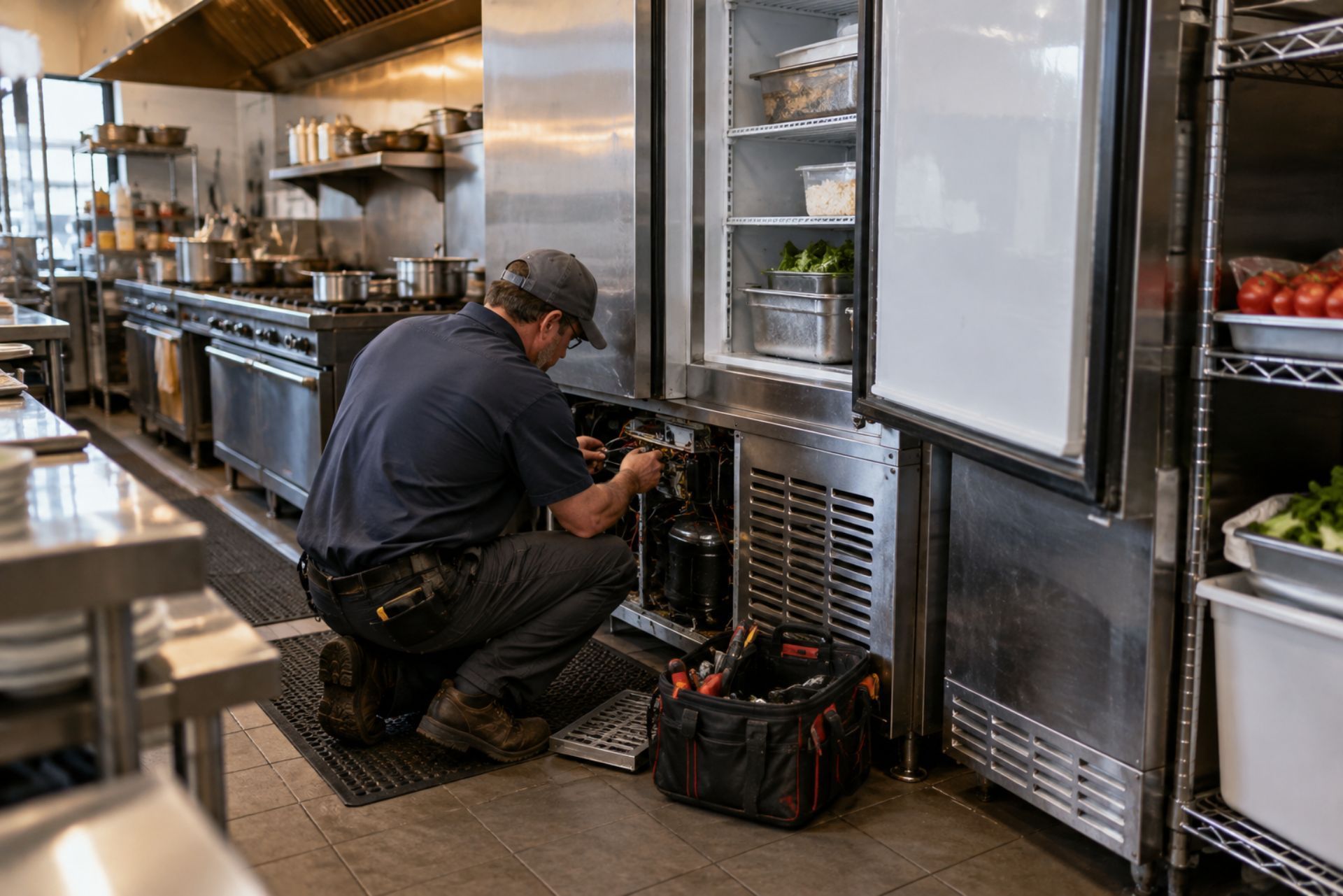
Kitchens, customers, and staff create daily exposure. We protect your property, equipment, liquor liability, and employees.

Manufacturers
From equipment breakdown to product liability, manufacturers face risk on the floor and beyond. We help cover property, machinery, and goods.

Healthcare Providers
Practices and clinics carry patient, property, and professional risk. We help cover liability, equipment, and the people who run your practice.
We compare several carriers to find a policy that fits you, not one company's products.
◆
80+ years local experience
1939
Serving SC
Commercial Property
Protect the building, equipment, and inventory your business runs on, so a covered fire, theft, or storm doesn’t become a closed door.
Commercial Auto
Cars, trucks, and fleets used for work need more than a personal policy. This handles liability, damage, and your drivers.
How It Works
Getting covered is simple.
Four steps, one real person from start to finish.
We compare carriers
We shop options across our carriers to find strong protection at a fair price.
We compare several carriers to find a policy that fits you, not one company's products.
Multi-carrier choice
Claims advocacy
When a claim happens, we stand in your corner and help move it forward with your carrier.
Local SC roots
We live and work in Florence and understand the risks your community faces because we face them too.
Client Reviews
Why clients choose CSP.
Independent advice, real people, and decades of local roots.
We compare several carriers to find a policy that fits you, not one company's products.
◆
80+ years local experience
1939
Serving SC
Insurance Sales
J. Roger Jordan, CIC
[CONFIRM bio]
Boat
Your association covers the building, but not what’s inside. Condo insurance protects your belongings, improvements, and liability.
Time on the water should be worry-free. Boat coverage protects your vessel, your passengers, and your liability on the lake or coast.
Condo
Motorcycle
Riders need coverage built for the road. Motorcycle insurance protects your bike, your gear, and you after an accident.
FAQs
Questions, answered.
Straight answers about working with an independent agency.

What does an independent insurance agency do?
An independent agency represents several carriers instead of one. We compare coverage and pricing across companies, then recommend the policy that fits you best.
Do you cover both personal and business insurance?
Yes. CSP writes personal lines like home and auto, and commercial lines for businesses across South Carolina.
How long has CSP been in business?
CSP traces its roots to 1939, with more than 80 years serving South Carolina families and businesses.
Will I work with a real person?
Always. No call centers and no chatbots — you work with a local team member who knows your account.
Which areas do you serve?
We’re based in Florence and serve clients statewide, including Myrtle Beach, Rock Hill, and Columbia.
How do I get a quote?
Request a quote online, call us, or stop by the office. A real person will review your needs and follow up.
How It Works
Insurance tips & updates.
Plain-language guidance to help you make confident decisions.
We compare several carriers to find a policy that fits you, not one company's products.
◆
80+ years local experience
1939
Serving SC
Insurance Sales
J. Roger Jordan, CIC
[CONFIRM bio]
Boat
Your association covers the building, but not what’s inside. Condo insurance protects your belongings, improvements, and liability.
Time on the water should be worry-free. Boat coverage protects your vessel, your passengers, and your liability on the lake or coast.
Condo
Motorcycle
Riders need coverage built for the road. Motorcycle insurance protects your bike, your gear, and you after an accident.
Get a Quote
Let's find your coverage.
Tell us a little about what you need to protect. A real person from our Florence team will review it and follow up.
2420 Hoffmeyer Road, Suite D
Florence, SC 29501
Mon–Fri 8:30am – 5:00pm