

CSP Insurance Services was founded in 1939, when Clifford Cormell joined Earnest Streett to sell insurance in Florence. More than 80 years later, we still answer the phone ourselves. No call centers, no chatbots — just a local team that knows your name and your policy.
We compare several carriers to find a policy that fits you, not one company's products.
◆
80+ years local experience
Hospital bills, treatment, and prescriptions for a work-related injury or illness.
Medical expenses
Claims history
| Feature | Short-Term Disability | Long-Term Disability |
|---|---|---|
| Waiting Period | 7-14 days | 90-180 days |
| Benefit Duration | Up to 26 weeks | 2 years to age 65+ |
| Income Replacement | 60%-70% | 50%-60% |
| Common Claims | Surgery recovery, pregnancy, fractures | Cancer, heart disease, chronic conditions |
| Typical Cost | $0.10-$0.50 per $100 of payroll | $0.20-$0.60 per $100 of payroll |
| Best For | Bridging short absences | Protecting against career-ending events |
| General Liability | Professional Liability | |
|---|---|---|
| What it covers | Bodily injury, property damage, personal injury on premises | Errors in care, negligent supervision, failure to follow care plans |
| Example claim | Visitor slips on wet floor | Staff administers wrong medication dosage |
| Typical limits | $1M per occurrence / $2M aggregate | $1M per occurrence / $3M aggregate |
| Average cost | ~$91/month for social service providers | $100-$200/month depending on services |
| Who files claims | Visitors, vendors, third parties | Residents, families, guardians |
General liability insurance for social service organizations currently averages about $91 per month for a $1M/$2M policy. Professional liability typically runs higher because the claims tend to be more complex and costly. Skipping either one is a mistake I've seen operators make, usually because they assume one policy covers everything.
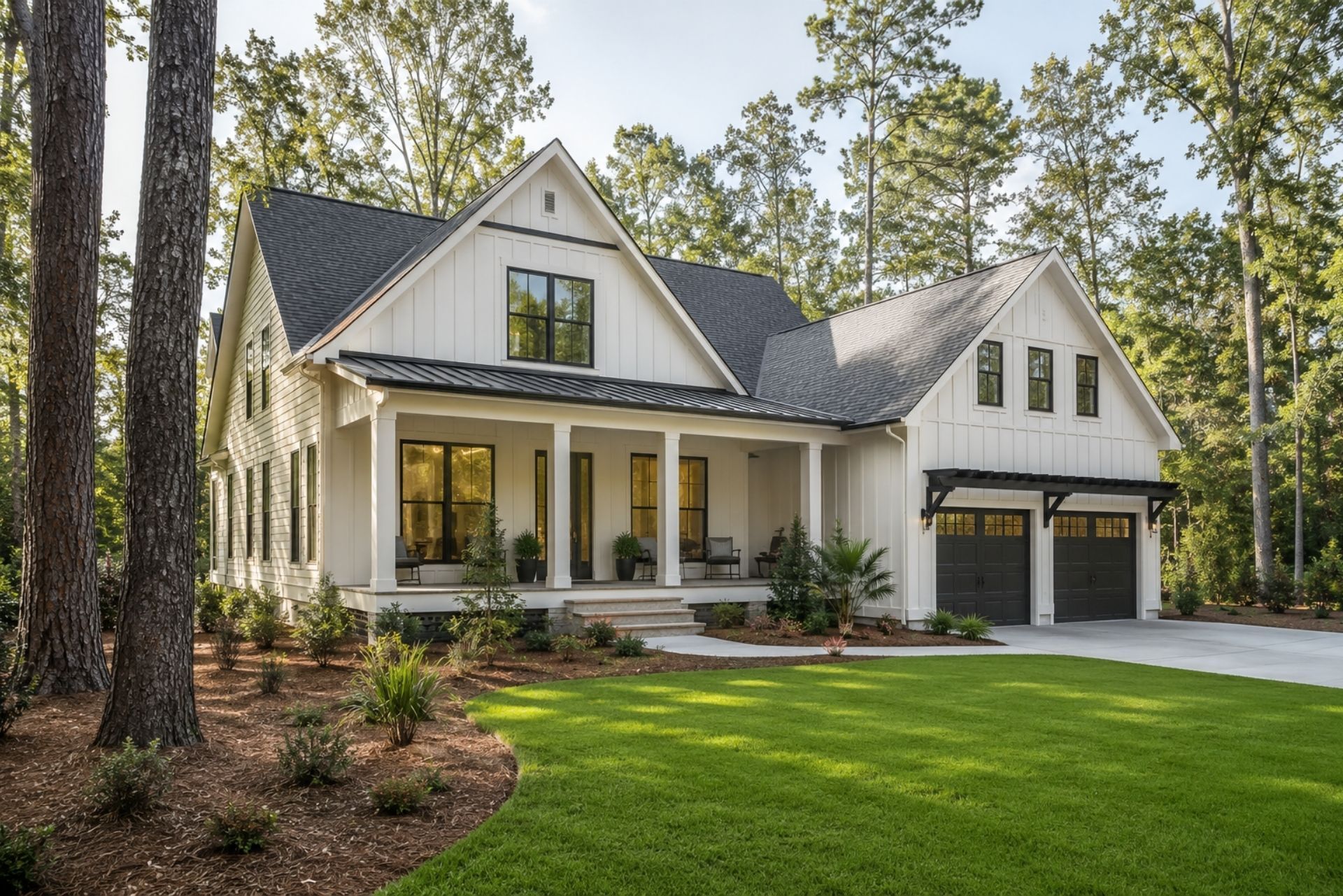
South Carolina homeowners face a unique set of challenges that most states simply don't deal with. Between hurricane season stretching from June through November, a coastline that runs from the Grand Strand down through the Lowcountry, and an active seismic zone near Charleston, insuring a home here requires more thought than just picking the cheapest policy. The average South Carolina homeowner pays roughly $3,100 per year for coverage, making the state the 16th most expensive in the country for home insurance. That number can swing dramatically depending on where you live, how old your home is, and what endorsements you carry. Whether you own a bungalow in Rock Hill or a beach house near Myrtle Beach, understanding what your policy actually covers, and what it doesn't, can save you thousands when a claim hits. Here's what every South Carolina resident should know about their home insurance coverage, costs, and the state-specific risks that shape their premiums.
Understanding Homeowners Insurance in the Palmetto State
Before worrying about hurricanes and flood zones, it helps to understand the foundation of your policy. Most South Carolina homeowners carry an HO-3 policy, which is the standard form used across the country, but how it applies to your specific property matters more than the label on the paperwork.
Standard Coverage Components (HO-3 Policies)
An HO-3 policy covers your home's structure on an "open perils" basis, meaning it protects against all causes of damage except those specifically excluded. Your personal property (furniture, electronics, clothing) is covered on a "named perils" basis, meaning only listed causes like fire, theft, and vandalism apply. The policy also includes liability protection if someone is injured on your property, additional living expenses if you're displaced after a covered loss, and coverage for detached structures like garages or sheds.
What trips up many homeowners is assuming that "open perils" means everything is covered. Standard exclusions include flooding, earthquake damage, and normal wear and tear. In a state like South Carolina, those exclusions are exactly the perils most likely to affect your home. That gap between what people assume and what the policy actually says is where the biggest financial pain tends to land.
Actual Cash Value vs. Replacement Cost
This distinction is one of the most consequential decisions in your policy, and most people breeze right past it. Actual cash value (ACV) pays you what your damaged property was worth at the time of the loss, factoring in depreciation. A ten-year-old roof with a 25-year lifespan? You're getting roughly 60% of what it costs to replace. Replacement cost coverage pays the full amount needed to repair or rebuild with similar materials, regardless of depreciation.
For a state where hurricane damage can mean replacing an entire roof, the difference between ACV and replacement cost can be $15,000 or more on a single claim. If your budget allows, replacement cost coverage is almost always the smarter pick.


Your CSP agent
Lawson Walker, CIC
Insurance Sales
On this page
CSP Insurance Services is a fully licensed independent insurance agency serving individuals, families, and businesses across South Carolina.
From our home in Florence, we proudly serve clients in Florence, Myrtle Beach, Rock Hill, Columbia, and communities throughout South Carolina. As an independent Trusted Choice agency, our team works with a wide range of top-rated carriers to provide personal and commercial coverage — home, auto, business, life, and more — tailored to the real needs of the people and businesses we protect.
Fine Arts and High-Value Specialized Goods
Galleries, auction houses, and even corporate offices with art collections need specialized coverage. Standard property policies cap fine art at absurdly low limits, sometimes $2,500 per item. A fine arts floater provides agreed-value coverage, meaning you and the insurer agree on the item's worth upfront. If it's damaged or stolen, that's what you get paid.
Boat and Watercraft Coverage for Weekend Adventures
Your homeowners policy might cover a small kayak or canoe, but anything with a motor typically needs its own policy. Boat insurance covers physical damage to the vessel, liability for injuries or property damage you cause on the water, and sometimes towing and salvage costs.
Lake-specific risks differ from coastal ones. A boat kept at Myrtle Beach faces saltwater corrosion, hurricane exposure, and higher theft rates than one stored at a private dock on Lake Wateree. Your policy should reflect where you keep and operate the boat. An independent agency like CSP Insurance Services can compare quotes across multiple marine carriers to find coverage that actually matches your boating habits rather than forcing you into a one-size-fits-all plan.
| Feature | Admitted (Standard) Carriers | Non-Admitted (E&S) Carriers |
|---|---|---|
| State regulation | Fully regulated; rates filed with state | Exempt from rate filing; flexible pricing |
| Guaranty fund protection | Yes: state fund covers claims if carrier fails | No: no guaranty fund backstop |
| Policy forms | Standardized (ISO forms common) | Manuscript or custom forms |
| Risk appetite | Prefers low-to-moderate risk | Accepts high-risk and unusual exposures |
| Premium cost | Generally lower | Typically 20-75% higher |
| Surplus lines tax | Not applicable | Buyer pays state surplus lines tax (varies 2-5%) |
| Speed of placement | Standard timelines | Can be faster or slower depending on complexity |
Computer Equipment and Data Storage

Businesses increasingly rely on portable tech: laptops, tablets, external drives, and mobile servers. A computer equipment floater covers these items when employees take them off-site, whether that's a sales rep carrying a laptop to a client meeting in Columbia or a nonprofit transporting presentation equipment to a fundraiser. Some policies even cover the cost of data restoration, which can be more expensive than the hardware itself.
South Carolina Coastal Risks and Specific Deductibles
Living near the coast comes with obvious perks: ocean views, mild winters, fresh seafood. It also comes with insurance complications that inland homeowners rarely think about.
Hurricane and Windstorm Deductibles
Here's something that catches a lot of coastal homeowners off guard: your hurricane deductible is not the same as your standard deductible. Most policies in wind-prone areas carry a separate hurricane or named-storm deductible expressed as a percentage of your dwelling coverage, typically 2% to 5%. On a home insured for $350,000, a 3% hurricane deductible means you're covering the first $10,500 out of pocket before insurance kicks in.
The SC Department of Insurance regulates how these deductibles are applied, and your insurer is required to clearly disclose them. Still, many homeowners don't realize they have a percentage-based deductible until they file a claim after a storm. Check your declarations page now, not after a Category 2 makes landfall.
The Difference Between Flood and Water Backup Coverage
This is one of the most common coverage gaps in South Carolina. Your HO-3 policy does not cover flood damage, period. Flooding from storm surge, rising rivers, or heavy rainfall requires a separate flood insurance policy, typically through the National Flood Insurance Program (NFIP) or a private flood carrier. Even homes outside designated flood zones can flood: severe weather events are now the biggest risk for homeowners nationwide, and flash flooding doesn't care about FEMA maps.
Water backup coverage is a separate endorsement that covers damage from sewer or drain backups. It's inexpensive, usually $50 to $100 per year, and worth every penny if your home has a basement or sits on a low grade. These are two different coverages solving two different problems, and you likely need both.
Earthquake Coverage in the Lowcountry
Charleston sits on one of the most active seismic zones on the East Coast. The 1886 Charleston earthquake caused massive destruction, and geologists consider the region overdue for significant seismic activity. Standard homeowners policies exclude earthquake damage entirely.
Earthquake endorsements are available and relatively affordable for most South Carolina homeowners, typically adding $100 to $300 per year depending on your home's construction and proximity to the fault zone. If you live in Charleston, Summerville, or anywhere in the Lowcountry, this endorsement deserves serious consideration. An independent agency like CSP Insurance Services can compare earthquake endorsements across multiple carriers to find the right fit for your property's specific risk profile.

Factors That Influence Your Premium Costs
Several variables drive what you'll pay:
- Specialty: Neurosurgeons pay far more than internists
- Claims history: Prior claims increase your rates, sometimes dramatically
- Location: Urban areas with higher jury awards tend to cost more
- Policy type: Occurrence policies cost more than claims-made
- Coverage limits: Higher limits mean higher premiums
- Years in practice: New physicians sometimes pay less initially on claims-made policies (the "step" or "mature" rate system)
The trend line isn't encouraging. Malpractice claims data for 2026 shows continued growth in both claim frequency and severity, meaning premiums are likely to keep rising. Shopping your coverage through an independent agency that compares multiple carriers can save you thousands annually without sacrificing protection.
For most commercial projects, extended coverage with appropriate endorsements is the smarter choice. The premium difference is often modest compared to the potential gap in coverage.
Comparing Coverage: Standard vs. Coastal Endorsements
Understanding the gap between a basic inland policy and what a coastal homeowner actually needs is critical for making informed decisions about your coverage.
Comparison Chart: Basic Policy vs. Comprehensive Protection
| Coverage Area | Standard HO-3 Policy | Comprehensive Coastal Protection |
|---|---|---|
| Wind/Hurricane | Included (standard deductible) | Included (percentage deductible, 2-5%) |
| Flood Damage | Not covered | Separate flood policy required |
| Earthquake | Not covered | Endorsement available ($100-$300/yr) |
| Water Backup | Not covered | Endorsement available ($50-$100/yr) |
| Loss of Use | Included | Included (may need higher limits) |
| Personal Property | Named perils, ACV common | Named perils, replacement cost recommended |
| Roof Coverage | Replacement cost or ACV | Replacement cost strongly recommended |
| Liability | $100K standard | $300K-$500K recommended |
The right column isn't a single product you can buy off the shelf. It's a combination of your base policy plus endorsements tailored to your location and risk tolerance. A homeowner in Florence may only need a water backup endorsement and a bump in liability limits. Someone in Pawleys Island likely needs all of the above plus a standalone flood policy. The South Carolina Wind and Hail Underwriting Association.%20Matt%20Overturf%20and%20Gina%20Rotunno.pdf) also plays a role for properties that can't find wind coverage on the private market.
Boat and Watercraft Coverage for Weekend Adventures
Your homeowners policy might cover a small kayak or canoe, but anything with a motor typically needs its own policy. Boat insurance covers physical damage to the vessel, liability for injuries or property damage you cause on the water, and sometimes towing and salvage costs.
Lake-specific risks differ from coastal ones. A boat kept at Myrtle Beach faces saltwater corrosion, hurricane exposure, and higher theft rates than one stored at a private dock on Lake Wateree. Your policy should reflect where you keep and operate the boat. An independent agency like CSP Insurance Services can compare quotes across multiple marine carriers to find coverage that actually matches your boating habits rather than forcing you into a one-size-fits-all plan.
Boat and Watercraft Coverage for Weekend Adventures
Your homeowners policy might cover a small kayak or canoe, but anything with a motor typically needs its own policy. Boat insurance covers physical damage to the vessel, liability for injuries or property damage you cause on the water, and sometimes towing and salvage costs.
Lake-specific risks differ from coastal ones. A boat kept at Myrtle Beach faces saltwater corrosion, hurricane exposure, and higher theft rates than one stored at a private dock on Lake Wateree. Your policy should reflect where you keep and operate the boat. An independent agency like CSP Insurance Services can compare quotes across multiple marine carriers to find coverage that actually matches your boating habits rather than forcing you into a one-size-fits-all plan.
| Feature | Admitted (Standard) Carriers | Non-Admitted (E&S) Carriers |
|---|---|---|
| State regulation | Fully regulated; rates filed with state | Exempt from rate filing; flexible pricing |
| Guaranty fund protection | Yes: state fund covers claims if carrier fails | No: no guaranty fund backstop |
| Policy forms | Standardized (ISO forms common) | Manuscript or custom forms |
| Risk appetite | Prefers low-to-moderate risk | Accepts high-risk and unusual exposures |
| Premium cost | Generally lower | Typically 20-75% higher |
| Surplus lines tax | Not applicable | Buyer pays state surplus lines tax (varies 2-5%) |
| Speed of placement | Standard timelines | Can be faster or slower depending on complexity |
This is a policy feature that doesn't get enough attention. A consent-to-settle clause gives you the right to approve or reject any settlement offer your insurer wants to make. Without it, your carrier can settle a claim you believe is meritless, and that settlement goes on your record.
Some policies include a "hammer clause" instead: if you refuse a settlement the insurer recommends and the case goes to trial with a worse outcome, you're responsible for the difference. Understanding this clause before you buy a policy is critical. At CSP Insurance Services, their team walks clients through these policy details line by line, which matters because the fine print in malpractice policies can have career-altering consequences.
The Role of Consent-to-Settle Clauses
Errors and Omissions (E&O) for Design Flaws
If your shop does any design work, engineering consultation, or CAD/CAM programming for clients, E&O insurance is essential. This covers claims where your professional judgment or technical expertise leads to a client's financial loss.
A common scenario: your shop designs a custom fixture based on a client's rough specifications, the fixture fails during production, and the client claims your design was flawed. Without E&O coverage, you're defending that claim and paying any settlement from your own funds. Product recall insurance trends in 2026 show that insurers are paying closer attention to design-related exposures, which means getting E&O in place now is smarter than waiting until underwriting tightens further.
Factors Influencing South Carolina Insurance Premiums
Your premium isn't random. Insurers use a specific set of variables to calculate your rate, and understanding them gives you some control over what you pay.
Location and Proximity to the Coast
ZIP code is the single biggest factor in your premium. A home in Columbia might cost $2,200 per year to insure, while a comparable home in Myrtle Beach could run $4,500 or more. Proximity to the coast increases wind exposure, and proximity to tidal waterways increases flood risk. Even within the same city, premiums can vary block by block based on elevation, distance from water, and local claims history.
The SC Department of Insurance publishes market data showing significant premium variation across the state's rating territories. If you're shopping for a home, it's worth getting insurance quotes before you make an offer, not after.
Home Age and Mitigation Credits
Older homes tend to cost more to insure because they're more vulnerable to wind damage and may have outdated electrical, plumbing, or roofing systems. A home built before 2000 that hasn't been updated will almost always carry a higher premium than a newer build with modern construction standards.
The good news: South Carolina offers meaningful mitigation credits for homes that meet specific wind-resistance standards. Installing hurricane straps, impact-resistant windows, or a fortified roof can reduce your wind premium by 15% to 40%. The Fortified Home program, backed by the Insurance Institute for Business and Home Safety, provides a certification path that many South Carolina insurers recognize for premium discounts. If you're planning renovations, ask your agent about which upgrades will actually lower your insurance costs before you start the project.
Specialty Lines: Flood, Earthquake, and Valuable Items
Flood insurance is a separate policy, typically written through FEMA's National Flood Insurance Program or a private carrier. If your home sits in a designated flood zone anywhere along the SC coast or near inland rivers, your mortgage lender will require it. But even homes outside mapped flood zones can flood: roughly 25% of flood claims come from properties in low-to-moderate risk areas.
Earthquake coverage is less common in South Carolina, but the state sits near the Charleston fault zone, which produced a magnitude 7.3 quake in 1886. A rider or standalone earthquake policy is worth considering if you're in the Lowcountry.
Scheduled personal property endorsements cover high-value items like jewelry, art, firearms, or musical instruments that exceed standard policy sub-limits. Most homeowners policies cap jewelry coverage at $1,500-$2,500 per item. If your engagement ring is worth $8,000, you need a scheduled endorsement or inland marine floater to cover the difference.
FAQ: What counts as a disability? Does it cover mental health? Are benefits taxable?
What qualifies as a disability under most group plans? Most policies define disability as the inability to perform the essential duties of your own occupation (for the first 1-2 years) and later shift to an "any occupation" standard. The exact definition varies by carrier and policy, so reading the contract language matters.
Does disability insurance cover mental health conditions? Yes, most modern group disability policies cover mental health conditions like depression, anxiety, and PTSD. However, many policies limit mental health claims to 24 months of benefits, even if the overall policy pays to age 65. Ask about this limitation before you buy.
Are disability benefits taxable? It depends on who pays the premium. If the employer pays, benefits are taxable to the employee. If the employee pays with after-tax dollars, benefits are received tax-free.
Can employees receive both workers' comp and disability benefits? Generally, no. Most disability policies include an offset provision that reduces benefits by the amount of workers' compensation received. The two programs are designed to complement each other, not stack.
Is there a waiting period before new employees can enroll? Most group plans allow employers to set an eligibility waiting period, commonly 30, 60, or 90 days. South Carolina doesn't regulate this waiting period for disability coverage, so it's up to the employer.
What happens if an employee is partially disabled? Many LTD policies include a partial or residual disability benefit that pays a reduced amount if the employee can work part-time but not full-time. This feature encourages return-to-work efforts while still providing financial support.
Factors That Influence Your Monthly Premiums
Several factors drive your builders risk premium. Project type matters: a wood-frame apartment complex costs more to insure than a concrete tilt-up warehouse. Location is significant, especially in South Carolina where coastal proximity affects wind/hail rates dramatically. A project in Florence will price very differently from one on the Grand Strand.
Other factors include project duration, the contractor's loss history, protective safeguards on-site (fencing, security cameras, fire extinguishers), and the deductible you choose. Premiums typically run between 1% and 4% of the total project value, though market conditions in early 2026 have pushed rates toward the lower end for well-managed projects.
Usually, yes. A single claim can increase your premiums by 10% to 30% or more, depending on the severity and outcome. Some carriers offer claims-free discounts that you'd lose. That said, a claim that's dismissed or results in no payout has less impact than one with a large settlement. Shopping your renewal through an independent agent can help offset rate increases by comparing offers from competing carriers.
FAQ: Will my rates go up if I have one claim?
Apartment complex insurance isn't a single policy: it's a coordinated set of coverages that work together to protect your buildings, your income, your employees, and your financial future. The right package includes general liability, commercial property, workers comp, commercial auto, and specialized add-ons like loss of rental income and equipment breakdown. Skipping any one of these creates a gap that a single bad claim can exploit.
The most effective approach is working with an independent agency that can compare options across multiple carriers. CSP Insurance Services has been helping South Carolina property owners build customized coverage programs since 1939, with direct access to real people who understand multifamily risk. If you're unsure whether your current coverage matches your actual exposure, or if you're purchasing a new complex and need to build a policy from scratch, request a quote to get a personalized analysis of your insurance needs. A 20-minute conversation now can save you six figures when a claim hits.
Does general liability cover fuel spills?
Usually not. Most GL policies contain pollution exclusions that specifically exclude fuel spills and environmental contamination. You need a separate pollution liability policy to cover cleanup costs, third-party damages, and regulatory fines from fuel releases.
Common Questions About SC Home Insurance
Frequently Asked Questions
Do I need flood insurance if I'm not in a flood zone? You're not required to carry it, but you probably should. About 25% of flood claims come from properties outside high-risk zones. A preferred-risk flood policy for low-risk areas can cost as little as $400 to $600 per year.
Can my insurer drop me after a hurricane claim? South Carolina law restricts insurers from non-renewing policies solely because of weather-related claims, but they can adjust rates or change terms at renewal. If you're having trouble finding coverage, the SC Wind and Hail Underwriting Association serves as a market of last resort for wind coverage.
How do I estimate how much dwelling coverage I need? Don't use your home's market value. Dwelling coverage should reflect the cost to rebuild your home from the ground up, which is often different from what you paid for it. Online tools like home insurance calculators can give you a rough starting point, but a local agent who knows South Carolina construction costs will give you a more accurate number.
What's the difference between an independent agent and a captive agent? A captive agent represents one insurance company. An independent agent, like the team at CSP Insurance Services, represents multiple carriers and can compare options across the market. For a state with as many coverage variables as South Carolina, having access to multiple carriers often means better coverage at a better price.
Does my homeowners policy cover my home business? Typically, no. Standard HO-3 policies have very limited coverage for business property and zero coverage for business liability. If you run a business from home, you need a separate business policy or a home business endorsement.
Are my premiums tax deductible? Not for your primary residence. If you rent out your property or use part of your home exclusively for business, a portion of your premium may be deductible. Talk to your tax professional for specifics.
Boat and Watercraft Coverage for Weekend Adventures
Your homeowners policy might cover a small kayak or canoe, but anything with a motor typically needs its own policy. Boat insurance covers physical damage to the vessel, liability for injuries or property damage you cause on the water, and sometimes towing and salvage costs.
Lake-specific risks differ from coastal ones. A boat kept at Myrtle Beach faces saltwater corrosion, hurricane exposure, and higher theft rates than one stored at a private dock on Lake Wateree. Your policy should reflect where you keep and operate the boat. An independent agency like CSP Insurance Services can compare quotes across multiple marine carriers to find coverage that actually matches your boating habits rather than forcing you into a one-size-fits-all plan.
Boat and Watercraft Coverage for Weekend Adventures
Your homeowners policy might cover a small kayak or canoe, but anything with a motor typically needs its own policy. Boat insurance covers physical damage to the vessel, liability for injuries or property damage you cause on the water, and sometimes towing and salvage costs.
Lake-specific risks differ from coastal ones. A boat kept at Myrtle Beach faces saltwater corrosion, hurricane exposure, and higher theft rates than one stored at a private dock on Lake Wateree. Your policy should reflect where you keep and operate the boat. An independent agency like CSP Insurance Services can compare quotes across multiple marine carriers to find coverage that actually matches your boating habits rather than forcing you into a one-size-fits-all plan.
| Feature | Admitted (Standard) Carriers | Non-Admitted (E&S) Carriers |
|---|---|---|
| State regulation | Fully regulated; rates filed with state | Exempt from rate filing; flexible pricing |
| Guaranty fund protection | Yes: state fund covers claims if carrier fails | No: no guaranty fund backstop |
| Policy forms | Standardized (ISO forms common) | Manuscript or custom forms |
| Risk appetite | Prefers low-to-moderate risk | Accepts high-risk and unusual exposures |
| Premium cost | Generally lower | Typically 20-75% higher |
| Surplus lines tax | Not applicable | Buyer pays state surplus lines tax (varies 2-5%) |
| Speed of placement | Standard timelines | Can be faster or slower depending on complexity |
This is a policy feature that doesn't get enough attention. A consent-to-settle clause gives you the right to approve or reject any settlement offer your insurer wants to make. Without it, your carrier can settle a claim you believe is meritless, and that settlement goes on your record.
Some policies include a "hammer clause" instead: if you refuse a settlement the insurer recommends and the case goes to trial with a worse outcome, you're responsible for the difference. Understanding this clause before you buy a policy is critical. At CSP Insurance Services, their team walks clients through these policy details line by line, which matters because the fine print in malpractice policies can have career-altering consequences.
The Role of Consent-to-Settle Clauses
Making the Right Choice for Your Property
South Carolina's insurance market is shaped by forces that don't exist in most other states: active hurricane exposure, seismic risk in the Lowcountry, and rising premiums driven by increasing storm frequency. The right policy isn't the cheapest one you can find. It's the one that actually pays when something goes wrong.
Focus on three things: make sure your dwelling coverage reflects true rebuild costs, close the gaps that standard policies leave open (flood, earthquake, water backup), and take advantage of mitigation credits that can meaningfully lower your premium. A $200 earthquake endorsement or a $75 water backup add-on looks trivial next to a $50,000 uninsured loss.
If you're unsure whether your current policy has gaps, or if you're shopping for new coverage, working with an independent agency that knows South Carolina's specific risks makes a real difference. CSP Insurance Services has been helping homeowners across the state since 1939, and their team can compare options from multiple carriers to build coverage that fits your property and your budget. Request a quote to start a conversation about what your home actually needs.
About the author
Lawson Walker, CIC
I'm proud to be part of an agency that's served Florence since 1939. CSP Insurance Services started as Cormell-Streett & Patterson, built by people who believed insurance should be personal — and more than eight decades later, that conviction still drives everything we do. Commitment, Service, Protection isn't just what CSP stands for; it's how I approach every client relationship.
As an independent, Trusted Choice agency, we aren't tied to any single carrier. That means I work for you — shopping multiple companies to match you with coverage that actually fits your family, your business, and your budget. No call centers, no chatbots. Just a local expert who takes the time to understand what matters to you and stands by you when it counts.
Whether you're protecting your home, your car, or a business you've spent years building, I'd be glad to help you find the right coverage.
We compare several carriers to find a policy that fits you, not one company's products.
◆
80+ years local experience

1939
Serving SC

Most Requested
Core business coverage.
The policies most South Carolina businesses start with.

Commercial Property
Protect the building, equipment, and inventory your business runs on, so a covered fire, theft, or storm doesn’t become a closed door.

Workers Compensation
Required for most South Carolina employers with staff. It covers medical bills and lost wages when an employee is hurt on the job.

Commercial Auto
Cars, trucks, and fleets used for work need more than a personal policy. This handles liability, damage, and your drivers.

General Liability
Accidents happen on the job and on your property. General liability covers third-party injury and property damage claims against your business.

Inland Marine
Tools, equipment, and goods on the move aren’t covered by standard property policies. Inland marine protects them wherever they travel.

Business Owners (BOP)
A business owners policy bundles property and liability coverage into one package, often at a better price for small businesses.
We compare several carriers to find a policy that fits you, not one company's products.
◆
80+ years local experience


1939
Serving SC

Insurance Sales
J. Roger Jordan, CIC
[CONFIRM bio]
Personal Insurance
Coverage for your home, vehicles, and family.
Protect what matters most with personal policies shopped across our carriers.
Home
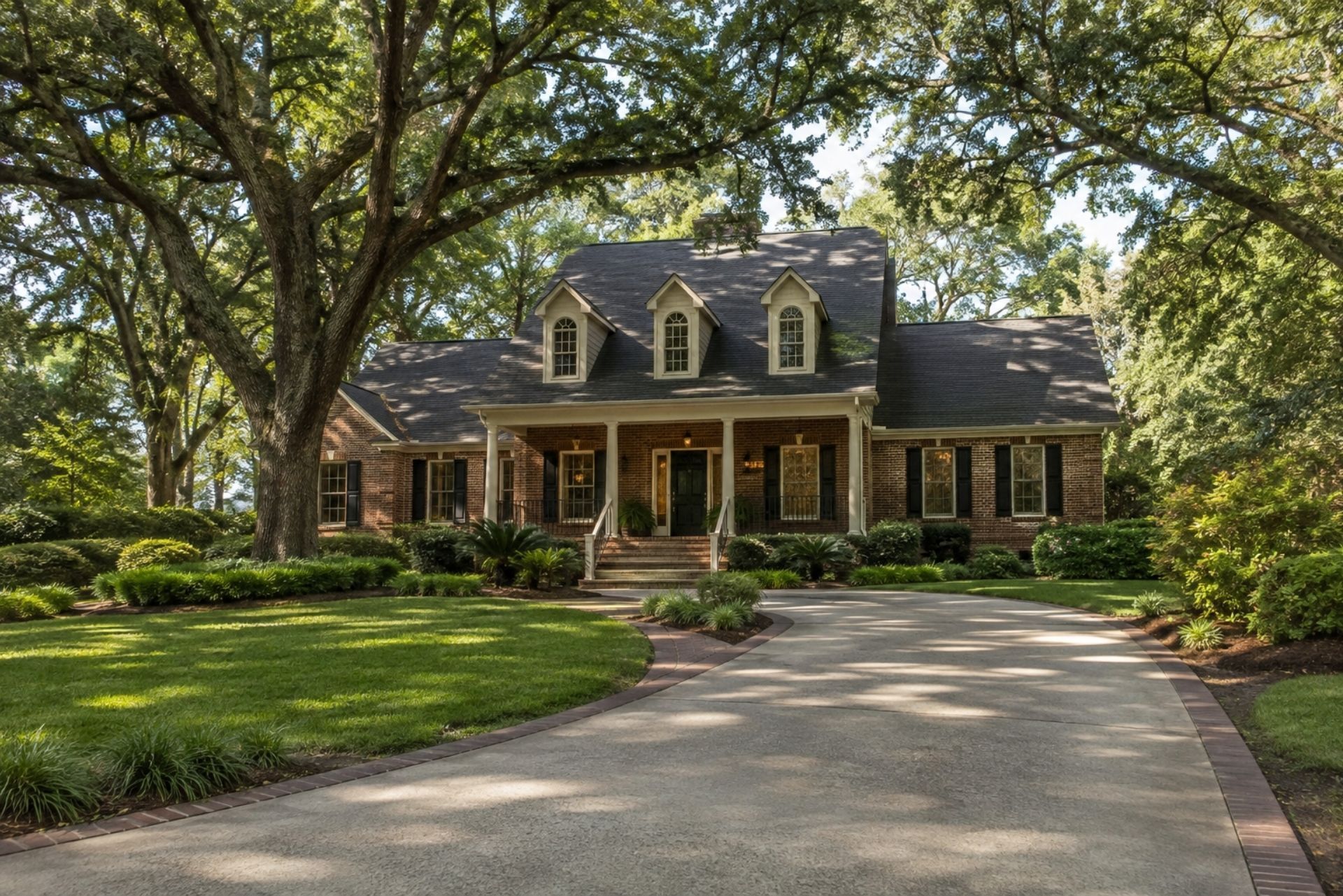
Your house is likely your largest investment. Home insurance helps rebuild after covered damage and protects you from liability.
Auto
South Carolina drivers need real protection. Auto coverage handles liability, collision, medical costs, and uninsured drivers.
Umbrella
When a serious claim climbs past your home or auto limits, umbrella coverage adds an extra layer of liability protection.
Boat
Time on the water should be worry-free. Boat coverage protects your vessel, your passengers, and your liability on the lake or coast.
Motorcycle
Riders need coverage built for the road. Motorcycle insurance protects your bike, your gear, and you after an accident.
Condo
Your association covers the building, but not what’s inside. Condo insurance protects your belongings, improvements, and liability.
We compare several carriers to find a policy that fits you, not one company's products.
◆
80+ years local experience


1939
Serving SC

Insurance Sales
J. Roger Jordan, CIC
[CONFIRM bio]
Boat
Your association covers the building, but not what’s inside. Condo insurance protects your belongings, improvements, and liability.
Time on the water should be worry-free. Boat coverage protects your vessel, your passengers, and your liability on the lake or coast.
Condo
Motorcycle
Riders need coverage built for the road. Motorcycle insurance protects your bike, your gear, and you after an accident.
Industries We Serve
Specialized coverage for your industry.
Every industry carries its own risk. We help South Carolina businesses protect what they've built.

Restaurants
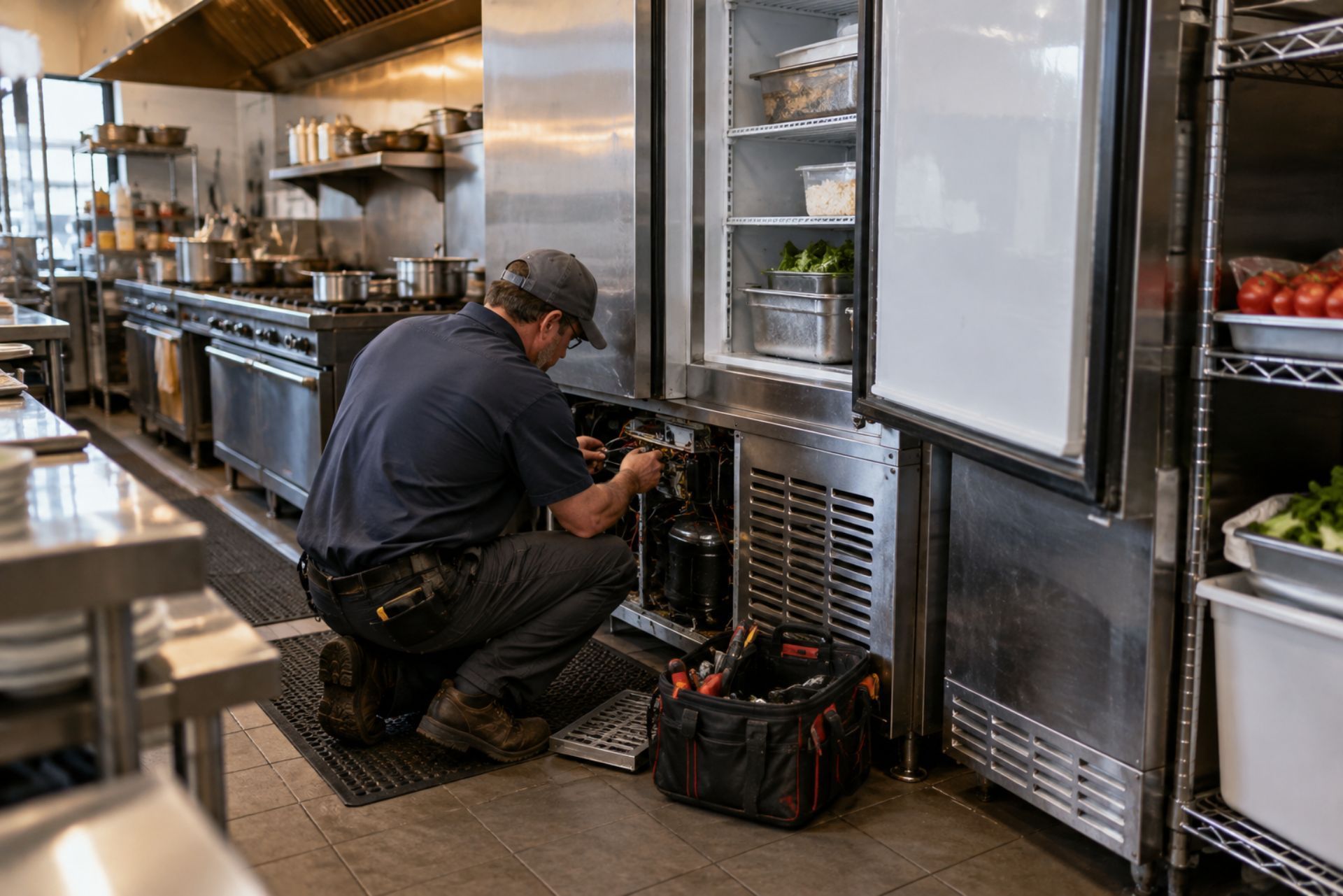
Kitchens, customers, and staff create daily exposure. We protect your property, equipment, liquor liability, and employees.

Manufacturers
From equipment breakdown to product liability, manufacturers face risk on the floor and beyond. We help cover property, machinery, and goods.

Healthcare Providers
Practices and clinics carry patient, property, and professional risk. We help cover liability, equipment, and the people who run your practice.
We compare several carriers to find a policy that fits you, not one company's products.
◆
80+ years local experience


1939
Serving SC

Commercial Property
Protect the building, equipment, and inventory your business runs on, so a covered fire, theft, or storm doesn’t become a closed door.
Commercial Auto
Cars, trucks, and fleets used for work need more than a personal policy. This handles liability, damage, and your drivers.
How It Works
Getting covered is simple.
Four steps, one real person from start to finish.
We compare carriers
We shop options across our carriers to find strong protection at a fair price.
We compare several carriers to find a policy that fits you, not one company's products.
Multi-carrier choice
Claims advocacy
When a claim happens, we stand in your corner and help move it forward with your carrier.
Local SC roots
We live and work in Florence and understand the risks your community faces because we face them too.
Client Reviews
Why clients choose CSP.
Independent advice, real people, and decades of local roots.
We compare several carriers to find a policy that fits you, not one company's products.
◆
80+ years local experience


1939
Serving SC

Insurance Sales
J. Roger Jordan, CIC
[CONFIRM bio]
Boat
Your association covers the building, but not what’s inside. Condo insurance protects your belongings, improvements, and liability.
Time on the water should be worry-free. Boat coverage protects your vessel, your passengers, and your liability on the lake or coast.
Condo
Motorcycle
Riders need coverage built for the road. Motorcycle insurance protects your bike, your gear, and you after an accident.
FAQs
Questions, answered.
Straight answers about working with an independent agency.

What does an independent insurance agency do?
An independent agency represents several carriers instead of one. We compare coverage and pricing across companies, then recommend the policy that fits you best.
Do you cover both personal and business insurance?
Yes. CSP writes personal lines like home and auto, and commercial lines for businesses across South Carolina.
How long has CSP been in business?
CSP traces its roots to 1939, with more than 80 years serving South Carolina families and businesses.
Will I work with a real person?
Always. No call centers and no chatbots — you work with a local team member who knows your account.
Which areas do you serve?
We’re based in Florence and serve clients statewide, including Myrtle Beach, Rock Hill, and Columbia.
How do I get a quote?
Request a quote online, call us, or stop by the office. A real person will review your needs and follow up.
How It Works
Insurance tips & updates.
Plain-language guidance to help you make confident decisions.
We compare several carriers to find a policy that fits you, not one company's products.
◆
80+ years local experience


1939
Serving SC

Insurance Sales
J. Roger Jordan, CIC
[CONFIRM bio]
Boat
Your association covers the building, but not what’s inside. Condo insurance protects your belongings, improvements, and liability.
Time on the water should be worry-free. Boat coverage protects your vessel, your passengers, and your liability on the lake or coast.
Condo
Motorcycle
Riders need coverage built for the road. Motorcycle insurance protects your bike, your gear, and you after an accident.

Get a Quote
Let's find your coverage.
Tell us a little about what you need to protect. A real person from our Florence team will review it and follow up.
2420 Hoffmeyer Road, Suite D
Florence, SC 29501
Mon–Fri 8:30am – 5:00pm