

CSP Insurance Services was founded in 1939, when Clifford Cormell joined Earnest Streett to sell insurance in Florence. More than 80 years later, we still answer the phone ourselves. No call centers, no chatbots — just a local team that knows your name and your policy.
We compare several carriers to find a policy that fits you, not one company's products.
◆
80+ years local experience

Hospital bills, treatment, and prescriptions for a work-related injury or illness.
Medical expenses
Claims history
Comparison: Standard Market vs. Surplus Lines Market
Understanding the structural differences between these two markets helps you set realistic expectations about pricing, regulation, and what happens if your carrier goes insolvent.
Comparison: Standard Market vs. Surplus Lines Market
| Feature | Admitted (Standard) Carriers | Non-Admitted (E&S) Carriers |
|---|---|---|
| State regulation | Fully regulated; rates filed with state | Exempt from rate filing; flexible pricing |
| Guaranty fund protection | Yes: state fund covers claims if carrier fails | No: no guaranty fund backstop |
| Policy forms | Standardized (ISO forms common) | Manuscript or custom forms |
| Risk appetite | Prefers low-to-moderate risk | Accepts high-risk and unusual exposures |
| Premium cost | Generally lower | Typically 20-75% higher |
| Surplus lines tax | Not applicable | Buyer pays state surplus lines tax (varies 2-5%) |
| Speed of placement | Standard timelines | Can be faster or slower depending on complexity |
One thing to keep in mind: the lack of guaranty fund protection with E&S carriers means you should verify the financial strength rating of any non-admitted carrier before binding coverage. An AM Best rating of A- or better is the standard benchmark.
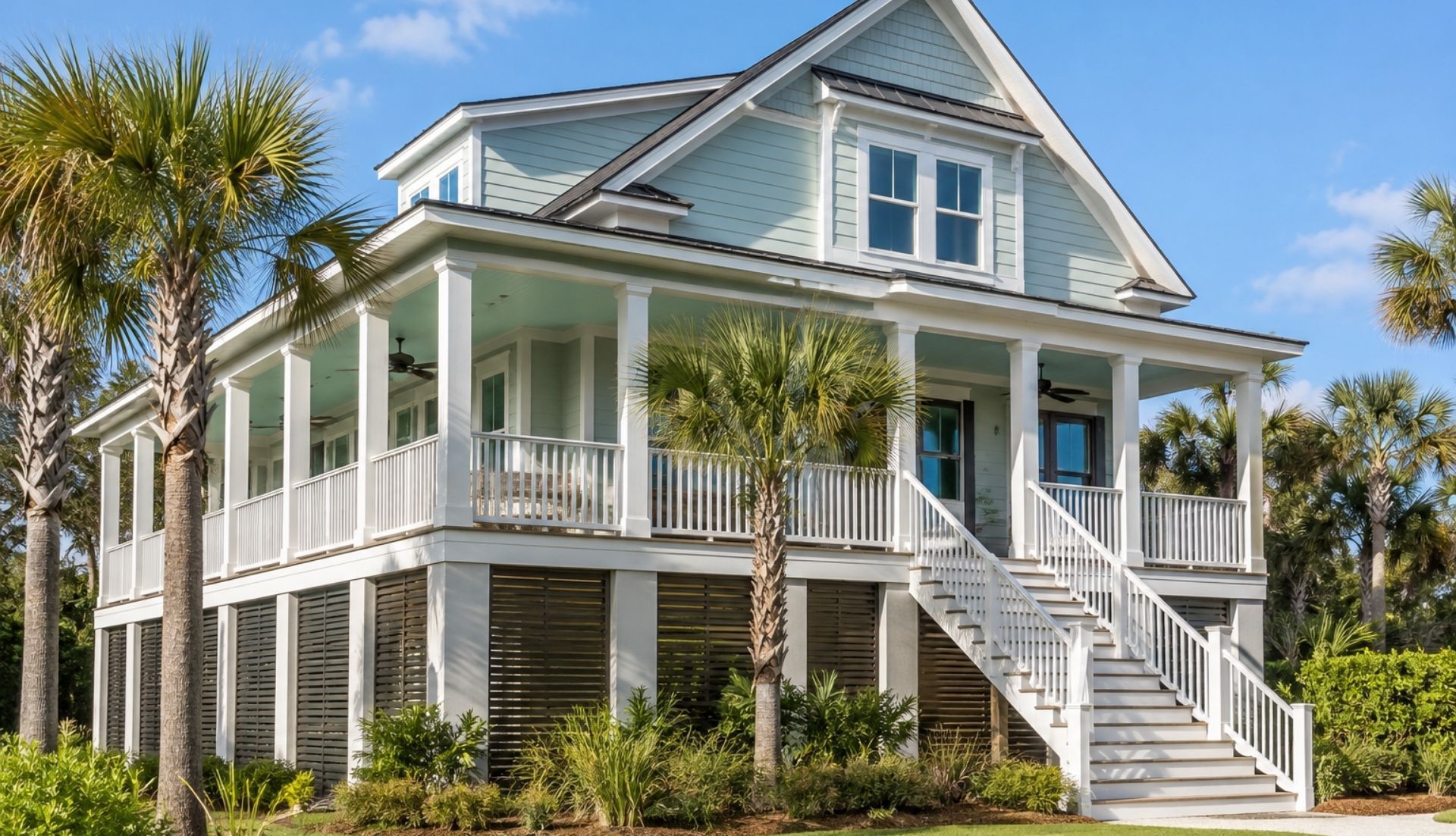
A homeowner's policy is one of those things you buy hoping you'll never need - until a tree crashes through your roof during a summer storm or a guest slips on your front steps. Most South Carolina homeowners carry some form of coverage, but surprisingly few actually understand what their policy does and doesn't protect. The difference between knowing your coverage details and guessing at them can be tens of thousands of dollars when you file a claim.
This matters more than ever right now. Home insurance claims severity hit an all-time high in 2025, rising 25.9% year-over-year, meaning the average claim payout is climbing fast. Whether you're buying your first home in Florence, renewing a policy in Myrtle Beach, or just wondering if your Columbia townhouse has the right protection, understanding your home insurance policy components, coverage limits, and exclusions is the single best thing you can do to protect your investment.
What follows is a practical breakdown of how homeowners insurance actually works: what each piece covers, where the gaps hide, and how to set limits that won't leave you short after a loss.
Understanding the Standard Components of Homeowners Insurance
Every standard homeowners policy is built from six core coverage parts, labeled A through F. Think of them as layers of protection, each covering a different type of loss. Some protect the physical structure, some protect your belongings, and others protect you from lawsuits. Knowing what each layer does helps you spot gaps before they become expensive surprises.
Dwelling and Other Structures Coverage
Coverage A, your dwelling coverage, pays to repair or rebuild your home's structure if it's damaged by a covered event like fire, wind, or hail. This includes the walls, roof, foundation, built-in appliances, and permanently installed fixtures. For homeowners along the South Carolina coast, wind and hail damage is a constant concern, making adequate dwelling limits especially critical.
Coverage B handles "other structures" on your property: detached garages, sheds, fences, and pool houses. It's typically set at 10% of your dwelling coverage. So if your home is insured for $300,000, you'd have roughly $30,000 for other structures. If you've got a nice detached workshop or a guest house, that default might not be enough.
Personal Property and Loss of Use
Coverage C protects your personal belongings: furniture, clothing, electronics, and kitchenware. Standard policies usually set this at 50-70% of your dwelling limit. One thing to keep in mind: most policies cap certain categories like jewelry at $1,500 and firearms at $2,500, regardless of their actual value.
Coverage D, loss of use, is the one people forget about until they need it most. If a covered loss makes your home uninhabitable, this pays for hotel stays, restaurant meals, and other increased living expenses while repairs are underway. After a major hurricane, temporary housing in South Carolina can run $3,000-$5,000 per month, so this coverage matters.
Personal Liability and Medical Payments
Coverage E is your liability protection. If someone gets hurt on your property or you accidentally damage someone else's property, this coverage pays for legal defense and any settlement or judgment. Most policies start at $100,000, but that's often not enough.
Coverage F handles small medical bills for guests injured at your home, regardless of fault. It typically covers $1,000-$5,000 per person. If a neighbor's kid falls off your trampoline and needs stitches, medical payments cover it without a lawsuit. It's a small but genuinely useful piece of the puzzle.


Your CSP agent
Lawson Walker, CIC
Insurance Sales
On this page
CSP Insurance Services is a fully licensed independent insurance agency serving individuals, families, and businesses across South Carolina.
From our home in Florence, we proudly serve clients in Florence, Myrtle Beach, Rock Hill, Columbia, and communities throughout South Carolina. As an independent Trusted Choice agency, our team works with a wide range of top-rated carriers to provide personal and commercial coverage — home, auto, business, life, and more — tailored to the real needs of the people and businesses we protect.
Coverage Limits vs. Replacement Cost: Setting Your Protection Levels
Getting your limits right is arguably the most important decision in your entire policy. Set them too low, and you're underinsured when disaster strikes. Set them too high, and you're overpaying every month for coverage you'll never collect.
Actual Cash Value vs. Replacement Cost Value
These two terms determine how much you actually receive when you file a claim. Actual cash value (ACV) pays what your property was worth at the time of the loss, factoring in depreciation. A five-year-old roof might only be valued at 60% of what a new one costs. Replacement cost value (RCV) pays what it actually costs to replace or repair with materials of similar quality, without deducting for depreciation.
The premium difference between ACV and RCV policies is usually 10-20%, but the payout difference after a major claim can be enormous. On a $15,000 roof replacement, an ACV policy might only pay $9,000. That $6,000 gap comes straight from your savings. For most homeowners, RCV is worth the extra cost.
Determining Adequate Dwelling Limits
Your dwelling limit should reflect the cost to rebuild your home from the ground up, not its market value or what you paid for it. Land value, location desirability, and real estate trends don't factor in here. What matters is construction costs: lumber, labor, concrete, and roofing materials.
Construction costs in South Carolina have risen significantly since 2020, and many homeowners who haven't updated their policies are underinsured without realizing it. A good rule: review your dwelling limit every year and ask your agent to run a replacement cost estimate. Agencies like CSP Insurance Services, which work with multiple carriers, can compare rebuilding estimates across different insurers to make sure your numbers are accurate.

Comparing Policy Types: Basic vs. Comprehensive Coverage
Not all homeowners policies offer the same breadth of protection. The two most common forms are HO-3 and HO-5, and the difference between them is significant.
An HO-3 policy covers your dwelling on an "open perils" basis, meaning everything is covered unless the policy specifically excludes it. But your personal property is only covered on a "named perils" basis: if the cause of damage isn't on the list, you're out of luck. An HO-5 extends open perils coverage to both your dwelling and your belongings, giving you broader protection across the board.
Comparison Table: HO-3 Special Form vs. HO-5 Comprehensive Form
| Feature | HO-3 Special Form | HO-5 Comprehensive Form |
|---|---|---|
| Dwelling Coverage | Open perils (all risks unless excluded) | Open perils (all risks unless excluded) |
| Personal Property | Named perils only (16 specific causes) | Open perils (all risks unless excluded) |
| Typical Cost | Lower premium | 5-15% higher premium |
| Claim Burden of Proof | You prove the cause for personal property | Insurer must prove an exclusion applies |
| Best For | Budget-conscious homeowners | Homeowners wanting maximum protection |
| Availability | Widely available | May require good claims history |
The HO-5 is particularly valuable if you own expensive electronics, artwork, or collectibles. Since the burden of proof shifts to the insurer for personal property claims, you're less likely to have a legitimate claim denied. Trends in 2026 show more homeowners are opting for broader coverage forms as claims become more complex and costly.
Common Exclusions and Optional Add-ons to Consider
Every homeowners policy has exclusions, and they're not buried in the fine print to trick you. They exist because certain risks are either too catastrophic for standard pricing or require specialized underwriting. Knowing what's excluded is just as important as knowing what's covered.
Standard exclusions across nearly all policies include flood, earthquake, war, nuclear hazard, intentional damage, and general wear and tear. Pest damage from termites or rodents? Excluded. Mold that develops from a slow, unaddressed leak? Also excluded. The pattern here: insurers cover sudden, accidental events, not gradual deterioration.
Why Flood and Earthquake Insurance Require Separate Policies
Flood insurance is a standalone policy, typically through the National Flood Insurance Program (NFIP) or a private carrier. This is especially relevant in South Carolina, where coastal flooding and hurricane-driven storm surge remain top concerns for homeowners in Myrtle Beach, Charleston, and Hilton Head. Even if you're not in a designated flood zone, over 20% of flood claims come from properties outside high-risk areas.
Earthquake coverage is less of a concern in South Carolina than in California, but the state does sit near the Charleston fault zone. A separate earthquake endorsement is inexpensive here and worth considering if you're in the Lowcountry.
Adding Scheduled Personal Property for High-Value Items
If you own jewelry, fine art, musical instruments, or collectibles worth more than your policy's sub-limits, scheduling those items individually is the way to go. A scheduled personal property endorsement (sometimes called a floater) covers specific items at their appraised value with no deductible and broader protection than your base policy provides.
The cost is usually modest: roughly $1-$2 per $100 of value annually for jewelry, for example. A $10,000 engagement ring might cost $100-$200 per year to schedule. That's a small price for knowing you're fully covered if it's lost, stolen, or accidentally damaged.
Frequently Asked Questions About Home Insurance
FAQ: Does my policy cover damage from a broken pipe?
Most standard policies cover sudden and accidental water damage, so a pipe that bursts unexpectedly is typically covered. The catch: if the damage resulted from a slow leak you ignored for months, or from a lack of maintenance, the insurer will likely deny the claim. Document repairs and fix small leaks promptly.
FAQ: How much liability coverage do I actually need?
Most experts recommend at least $300,000 to $500,000 in liability coverage to protect your assets if someone is injured on your property. If you have significant savings, investment accounts, or a second home, consider even more, potentially adding an umbrella policy for $1 million or more in additional protection.
FAQ: Will my insurance pay for a new roof if mine is old?
Insurance covers sudden damage from events like wind or hail, not general wear and tear. If your roof is 25 years old and past its expected lifespan, the insurer may only pay a depreciated amount or deny the claim entirely. Some carriers in South Carolina won't even write new policies on homes with roofs older than 15-20 years.
FAQ: Does home insurance cover my stuff when I'm traveling?
Yes, your personal property coverage typically follows you worldwide. If your laptop is stolen from a hotel room in Europe or your luggage is lost during a domestic flight, your home policy can help replace those items. The coverage is usually capped at 10% of your personal property limit for off-premises losses.
Making the Right Choice for Your Property
Your home is likely the most valuable thing you own, and the right insurance policy is what stands between a manageable setback and a financial disaster. The key is understanding exactly what you're buying: your coverage components, your limits, your exclusions, and where you might need to fill gaps with endorsements or separate policies.
Review your policy annually, especially after renovations, major purchases, or changes in local construction costs. South Carolina homeowners face unique exposures from hurricanes, coastal flooding, and wind-driven hail that make generic, one-size-fits-all coverage a risky bet.
If you're unsure whether your current policy has the right limits or if you're missing critical add-ons, an independent agency can compare options across multiple carriers on your behalf. The team at CSP Insurance Services has been helping South Carolina families find the right fit since 1939, and a quick conversation can reveal coverage gaps you didn't know existed. Request a quote to get a personalized review of your home insurance needs - no call centers, just real people who know this stuff inside and out.
About the author
Lawson Walker, CIC
I'm proud to be part of an agency that's served Florence since 1939. CSP Insurance Services started as Cormell-Streett & Patterson, built by people who believed insurance should be personal — and more than eight decades later, that conviction still drives everything we do. Commitment, Service, Protection isn't just what CSP stands for; it's how I approach every client relationship.
As an independent, Trusted Choice agency, we aren't tied to any single carrier. That means I work for you — shopping multiple companies to match you with coverage that actually fits your family, your business, and your budget. No call centers, no chatbots. Just a local expert who takes the time to understand what matters to you and stands by you when it counts.
Whether you're protecting your home, your car, or a business you've spent years building, I'd be glad to help you find the right coverage.
We compare several carriers to find a policy that fits you, not one company's products.
◆
80+ years local experience


1939
Serving SC

Most Requested
Core business coverage.
The policies most South Carolina businesses start with.

Commercial Property
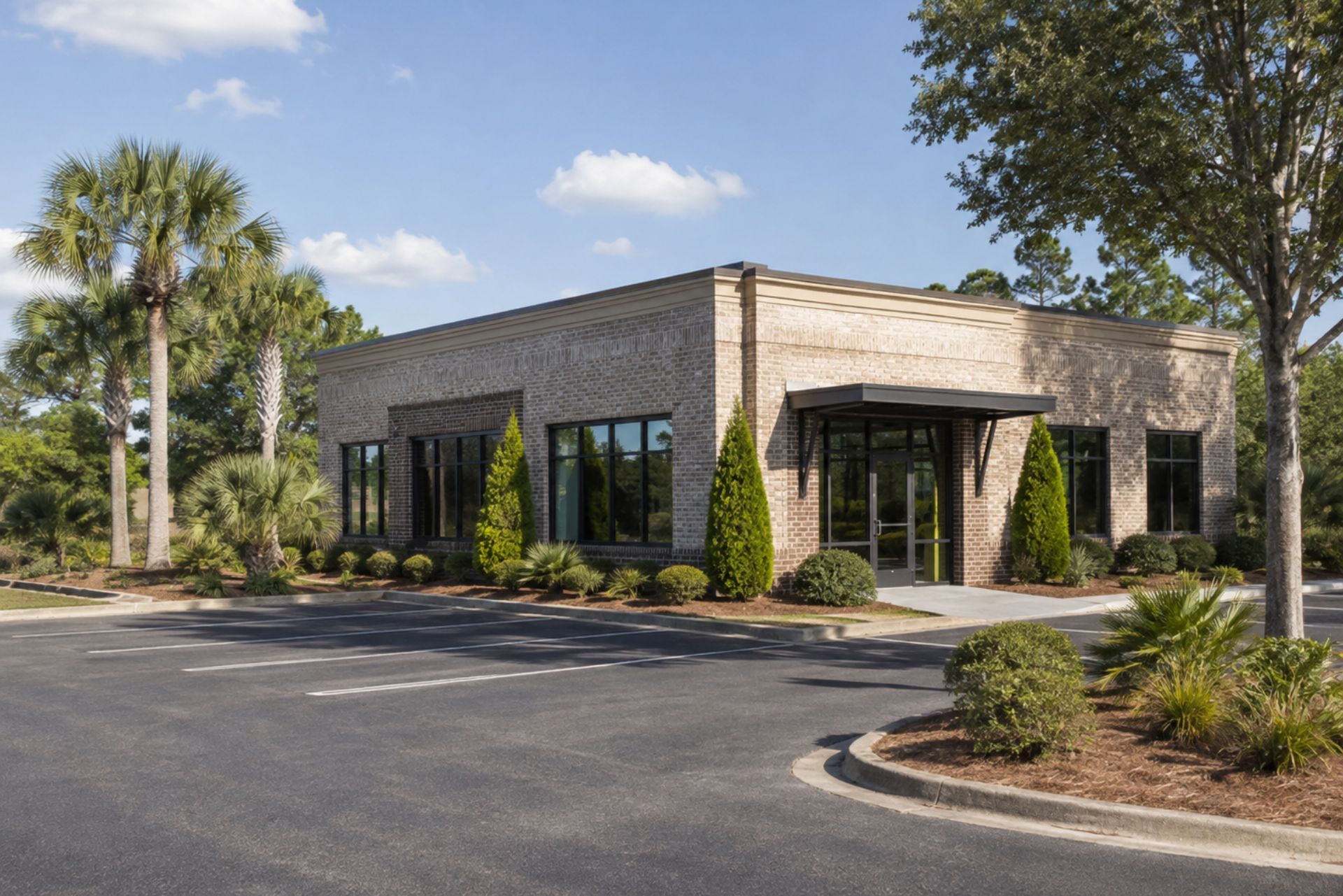
Protect the building, equipment, and inventory your business runs on, so a covered fire, theft, or storm doesn’t become a closed door.

Workers Compensation
Required for most South Carolina employers with staff. It covers medical bills and lost wages when an employee is hurt on the job.

Commercial Auto
Cars, trucks, and fleets used for work need more than a personal policy. This handles liability, damage, and your drivers.

General Liability
Accidents happen on the job and on your property. General liability covers third-party injury and property damage claims against your business.

Inland Marine
Tools, equipment, and goods on the move aren’t covered by standard property policies. Inland marine protects them wherever they travel.

Business Owners (BOP)
A business owners policy bundles property and liability coverage into one package, often at a better price for small businesses.
We compare several carriers to find a policy that fits you, not one company's products.
◆
80+ years local experience


1939
Serving SC

Insurance Sales
J. Roger Jordan, CIC
[CONFIRM bio]
Personal Insurance
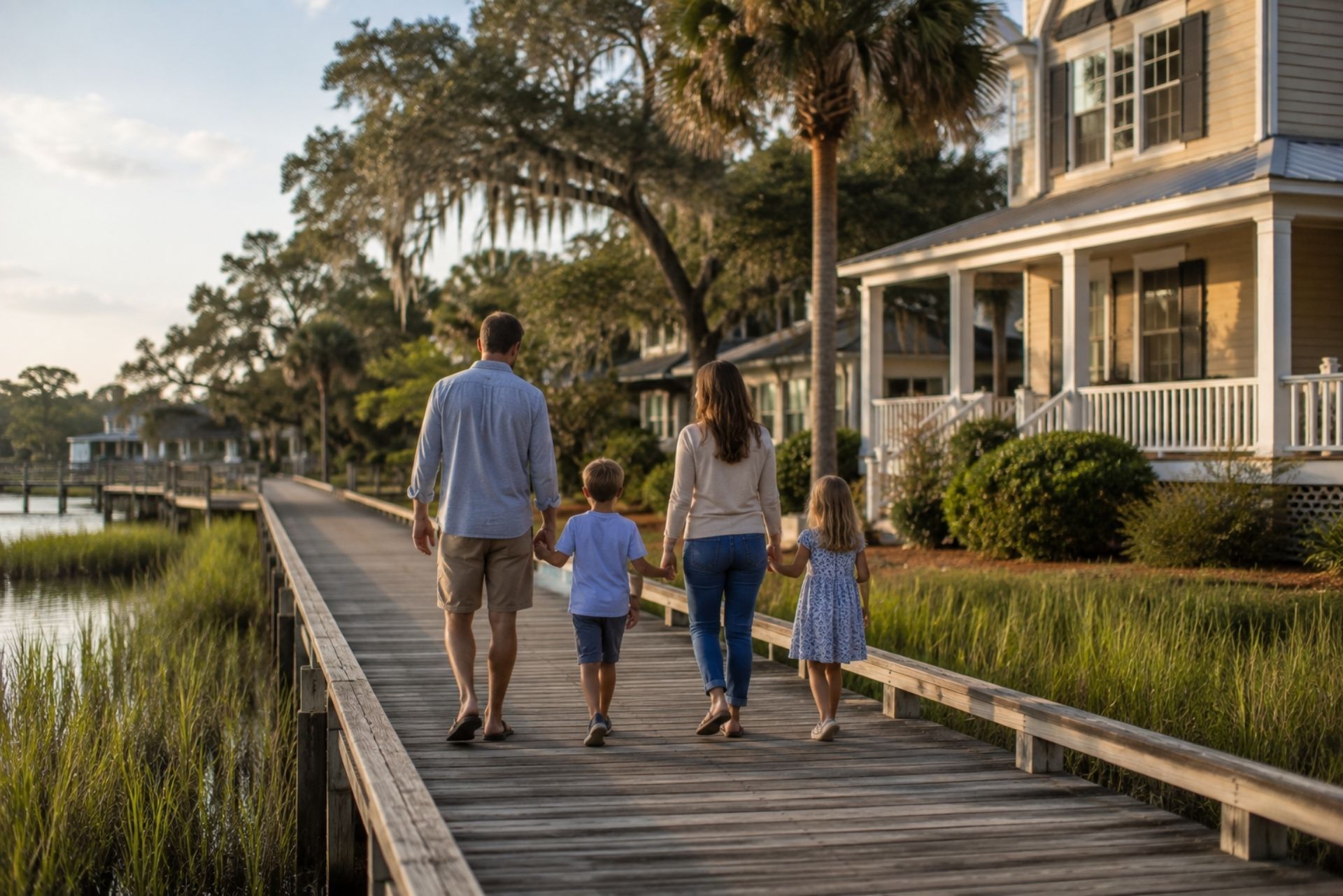
Coverage for your home, vehicles, and family.
Protect what matters most with personal policies shopped across our carriers.
Home
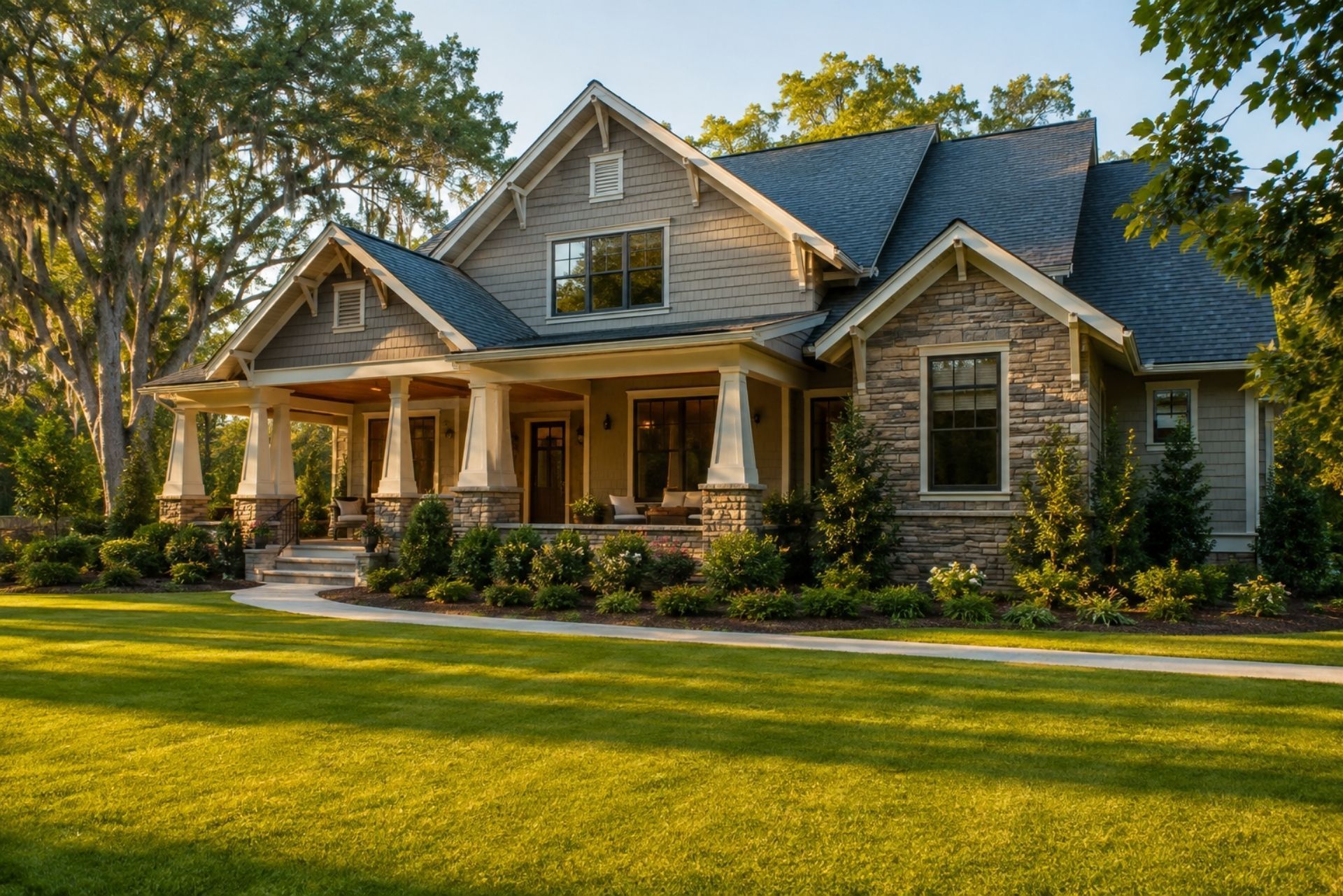
Your house is likely your largest investment. Home insurance helps rebuild after covered damage and protects you from liability.
Auto
South Carolina drivers need real protection. Auto coverage handles liability, collision, medical costs, and uninsured drivers.
Umbrella
When a serious claim climbs past your home or auto limits, umbrella coverage adds an extra layer of liability protection.
Boat
Time on the water should be worry-free. Boat coverage protects your vessel, your passengers, and your liability on the lake or coast.
Motorcycle
Riders need coverage built for the road. Motorcycle insurance protects your bike, your gear, and you after an accident.
Condo
Your association covers the building, but not what’s inside. Condo insurance protects your belongings, improvements, and liability.
We compare several carriers to find a policy that fits you, not one company's products.
◆
80+ years local experience


1939
Serving SC

Insurance Sales
J. Roger Jordan, CIC
[CONFIRM bio]
Boat
Your association covers the building, but not what’s inside. Condo insurance protects your belongings, improvements, and liability.
Time on the water should be worry-free. Boat coverage protects your vessel, your passengers, and your liability on the lake or coast.
Condo
Motorcycle
Riders need coverage built for the road. Motorcycle insurance protects your bike, your gear, and you after an accident.
Industries We Serve
Specialized coverage for your industry.
Every industry carries its own risk. We help South Carolina businesses protect what they've built.

Restaurants
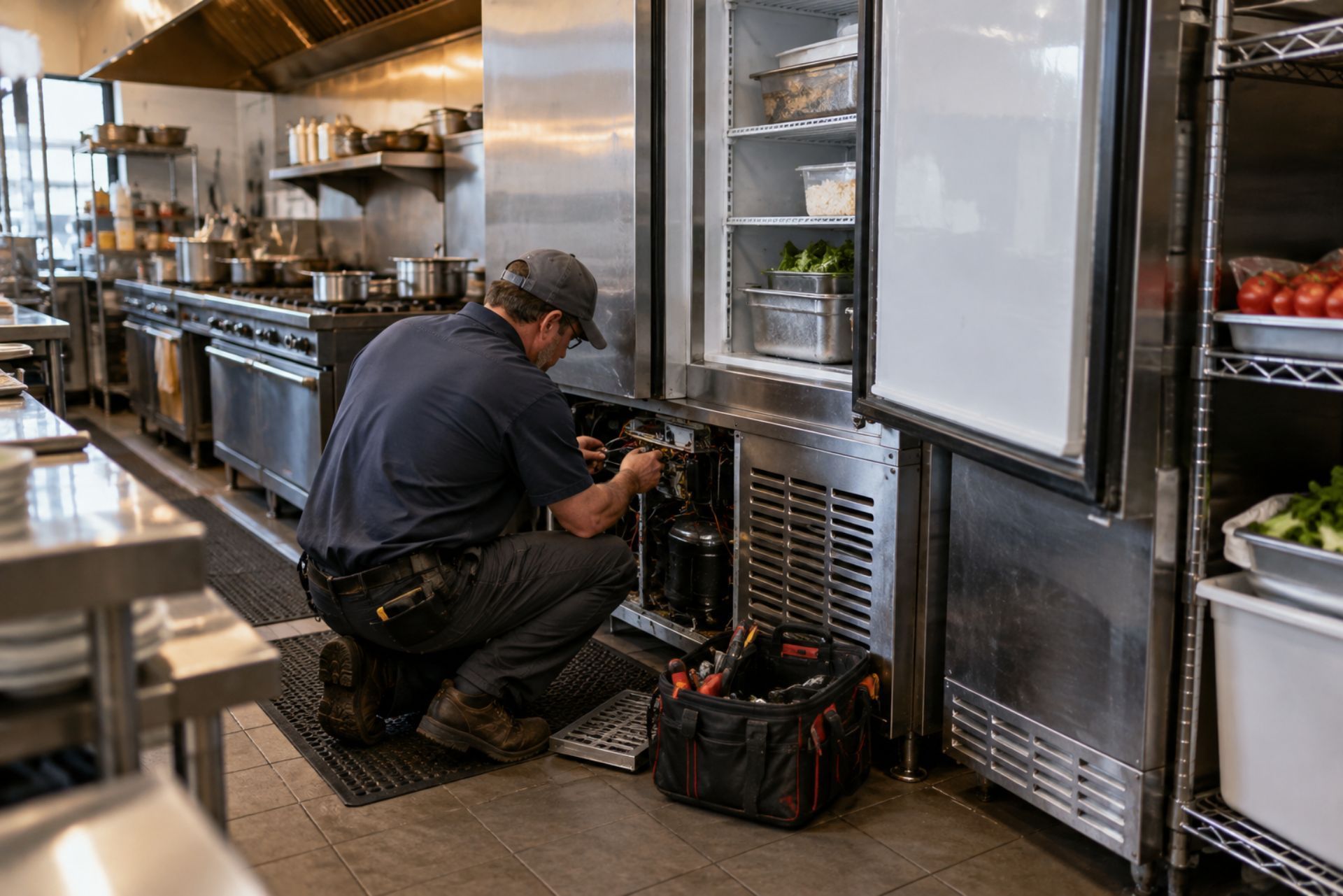
Kitchens, customers, and staff create daily exposure. We protect your property, equipment, liquor liability, and employees.

Manufacturers
From equipment breakdown to product liability, manufacturers face risk on the floor and beyond. We help cover property, machinery, and goods.

Healthcare Providers
Practices and clinics carry patient, property, and professional risk. We help cover liability, equipment, and the people who run your practice.
We compare several carriers to find a policy that fits you, not one company's products.
◆
80+ years local experience


1939
Serving SC

Commercial Property
Protect the building, equipment, and inventory your business runs on, so a covered fire, theft, or storm doesn’t become a closed door.
Commercial Auto
Cars, trucks, and fleets used for work need more than a personal policy. This handles liability, damage, and your drivers.
How It Works
Getting covered is simple.
Four steps, one real person from start to finish.
We compare carriers
We shop options across our carriers to find strong protection at a fair price.
We compare several carriers to find a policy that fits you, not one company's products.
Multi-carrier choice
Claims advocacy
When a claim happens, we stand in your corner and help move it forward with your carrier.
Local SC roots
We live and work in Florence and understand the risks your community faces because we face them too.
Client Reviews
Why clients choose CSP.
Independent advice, real people, and decades of local roots.
We compare several carriers to find a policy that fits you, not one company's products.
◆
80+ years local experience


1939
Serving SC

Insurance Sales
J. Roger Jordan, CIC
[CONFIRM bio]
Boat
Your association covers the building, but not what’s inside. Condo insurance protects your belongings, improvements, and liability.
Time on the water should be worry-free. Boat coverage protects your vessel, your passengers, and your liability on the lake or coast.
Condo
Motorcycle
Riders need coverage built for the road. Motorcycle insurance protects your bike, your gear, and you after an accident.
FAQs
Questions, answered.
Straight answers about working with an independent agency.

What does an independent insurance agency do?
An independent agency represents several carriers instead of one. We compare coverage and pricing across companies, then recommend the policy that fits you best.
Do you cover both personal and business insurance?
Yes. CSP writes personal lines like home and auto, and commercial lines for businesses across South Carolina.
How long has CSP been in business?
CSP traces its roots to 1939, with more than 80 years serving South Carolina families and businesses.
Will I work with a real person?
Always. No call centers and no chatbots — you work with a local team member who knows your account.
Which areas do you serve?
We’re based in Florence and serve clients statewide, including Myrtle Beach, Rock Hill, and Columbia.
How do I get a quote?
Request a quote online, call us, or stop by the office. A real person will review your needs and follow up.
How It Works
Insurance tips & updates.
Plain-language guidance to help you make confident decisions.
We compare several carriers to find a policy that fits you, not one company's products.
◆
80+ years local experience


1939
Serving SC

Insurance Sales
J. Roger Jordan, CIC
[CONFIRM bio]
Boat
Your association covers the building, but not what’s inside. Condo insurance protects your belongings, improvements, and liability.
Time on the water should be worry-free. Boat coverage protects your vessel, your passengers, and your liability on the lake or coast.
Condo
Motorcycle
Riders need coverage built for the road. Motorcycle insurance protects your bike, your gear, and you after an accident.

Get a Quote
Let's find your coverage.
Tell us a little about what you need to protect. A real person from our Florence team will review it and follow up.
2420 Hoffmeyer Road, Suite D
Florence, SC 29501
Mon–Fri 8:30am – 5:00pm