

CSP Insurance Services was founded in 1939, when Clifford Cormell joined Earnest Streett to sell insurance in Florence. More than 80 years later, we still answer the phone ourselves. No call centers, no chatbots — just a local team that knows your name and your policy.
We compare several carriers to find a policy that fits you, not one company's products.
◆
80+ years local experience
Hospital bills, treatment, and prescriptions for a work-related injury or illness.
Medical expenses
Claims history
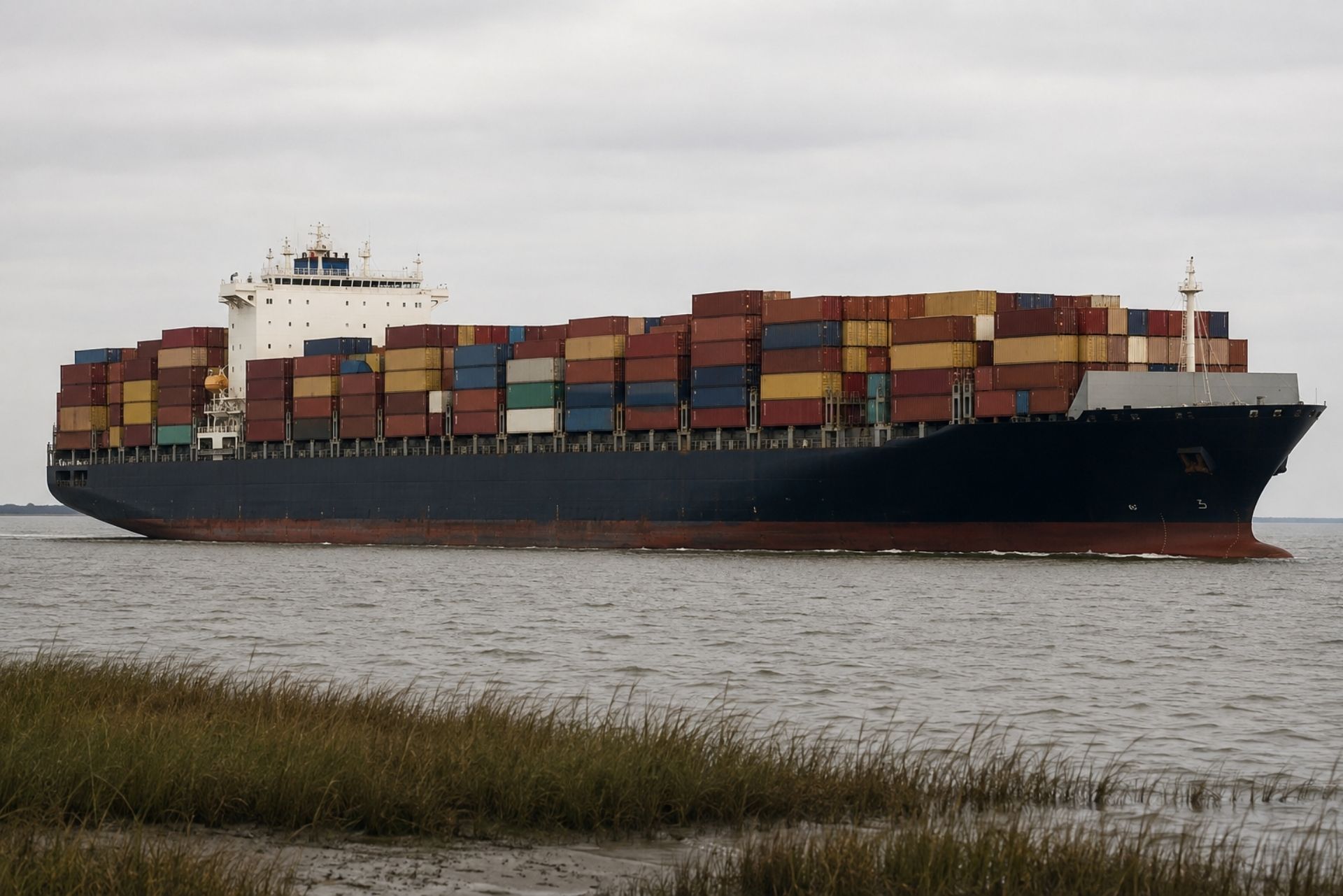
A single container of electronics heading from Charleston to Rotterdam can be worth $2 million. A storm, a collision, or even a clerical error at port can wipe that value out in hours. For South Carolina businesses that ship goods internationally or rely on imported materials, ocean marine insurance isn't optional: it's the financial backbone of every shipment that crosses open water.
The global marine insurance market is projected to grow to $48.8 billion in the coming years, driven by rising trade volumes and increasingly complex risk factors. That growth reflects a simple truth: more businesses are recognizing that standard commercial policies don't cover goods once they leave shore. Understanding your coverage options, policy limits, and how to file claims correctly can mean the difference between a manageable setback and a catastrophic loss.
Whether you're a manufacturer in Columbia shipping auto parts overseas or a Myrtle Beach retailer importing seasonal inventory, the fundamentals of marine coverage apply to you. Here's what actually matters and what most guides skip over.
Understanding Ocean Marine Insurance Basics
Ocean marine insurance is one of the oldest forms of commercial insurance, dating back centuries to London coffeehouses where merchants pooled risk on shipping ventures. The core idea hasn't changed much: it protects businesses against financial loss when goods, vessels, or equipment are damaged or destroyed during transit over water.
What has changed is the scope. Modern marine policies can cover everything from the cargo inside a container ship to the ship itself, the crew's liability exposure, and even the freight revenue lost when a shipment doesn't arrive. These policies are distinct from inland marine insurance, which covers goods transported over land. If your shipment touches the ocean at any point, you need a marine-specific policy.
Who Needs This Coverage?
The short answer: any business with financial exposure to waterborne transit. That includes importers, exporters, freight forwarders, and manufacturers who ship components internationally. South Carolina's port in Charleston is one of the busiest on the East Coast, so this applies to a significant number of local businesses.
Even if you're not the one chartering the vessel, you may still bear risk. Many shipping contracts place liability on the cargo owner, not the carrier. If your purchase terms are CIF (Cost, Insurance, and Freight), the seller insures the goods. But under FOB (Free on Board) terms, the risk transfers to you the moment cargo is loaded. Knowing your Incoterms is step one.
Common Risks in International Transit
The ocean is unpredictable, but the most frequent claims aren't always dramatic. Yes, storms and groundings happen: the 2026 Allianz Safety and Shipping Review reported that total vessel losses continue to decline, but partial losses from machinery damage and cargo incidents remain stubbornly high.
The risks that actually hit businesses hardest include water damage from container condensation, theft at port, improper stowage causing cargo shifts, and delays that spoil perishable goods. A growing concern in 2026 is lithium-ion battery fires aboard cargo vessels, which have caused several high-profile incidents and are reshaping how underwriters assess risk for shipments containing electronics. Geopolitical disruption is another factor: shipping insurance costs in the Middle East have risen sharply due to ongoing tensions near the Strait of Hormuz.


Your CSP agent
Lawson Walker, CIC
Insurance Sales
On this page
CSP Insurance Services is a fully licensed independent insurance agency serving individuals, families, and businesses across South Carolina.
From our home in Florence, we proudly serve clients in Florence, Myrtle Beach, Rock Hill, Columbia, and communities throughout South Carolina. As an independent Trusted Choice agency, our team works with a wide range of top-rated carriers to provide personal and commercial coverage — home, auto, business, life, and more — tailored to the real needs of the people and businesses we protect.
Fine Arts and High-Value Specialized Goods
Galleries, auction houses, and even corporate offices with art collections need specialized coverage. Standard property policies cap fine art at absurdly low limits, sometimes $2,500 per item. A fine arts floater provides agreed-value coverage, meaning you and the insurer agree on the item's worth upfront. If it's damaged or stolen, that's what you get paid.
Boat and Watercraft Coverage for Weekend Adventures
Your homeowners policy might cover a small kayak or canoe, but anything with a motor typically needs its own policy. Boat insurance covers physical damage to the vessel, liability for injuries or property damage you cause on the water, and sometimes towing and salvage costs.
Lake-specific risks differ from coastal ones. A boat kept at Myrtle Beach faces saltwater corrosion, hurricane exposure, and higher theft rates than one stored at a private dock on Lake Wateree. Your policy should reflect where you keep and operate the boat. An independent agency like CSP Insurance Services can compare quotes across multiple marine carriers to find coverage that actually matches your boating habits rather than forcing you into a one-size-fits-all plan.
| Feature | Admitted (Standard) Carriers | Non-Admitted (E&S) Carriers |
|---|---|---|
| State regulation | Fully regulated; rates filed with state | Exempt from rate filing; flexible pricing |
| Guaranty fund protection | Yes: state fund covers claims if carrier fails | No: no guaranty fund backstop |
| Policy forms | Standardized (ISO forms common) | Manuscript or custom forms |
| Risk appetite | Prefers low-to-moderate risk | Accepts high-risk and unusual exposures |
| Premium cost | Generally lower | Typically 20-75% higher |
| Surplus lines tax | Not applicable | Buyer pays state surplus lines tax (varies 2-5%) |
| Speed of placement | Standard timelines | Can be faster or slower depending on complexity |
Computer Equipment and Data Storage

Businesses increasingly rely on portable tech: laptops, tablets, external drives, and mobile servers. A computer equipment floater covers these items when employees take them off-site, whether that's a sales rep carrying a laptop to a client meeting in Columbia or a nonprofit transporting presentation equipment to a fundraiser. Some policies even cover the cost of data restoration, which can be more expensive than the hardware itself.
Core Components of a Marine Policy
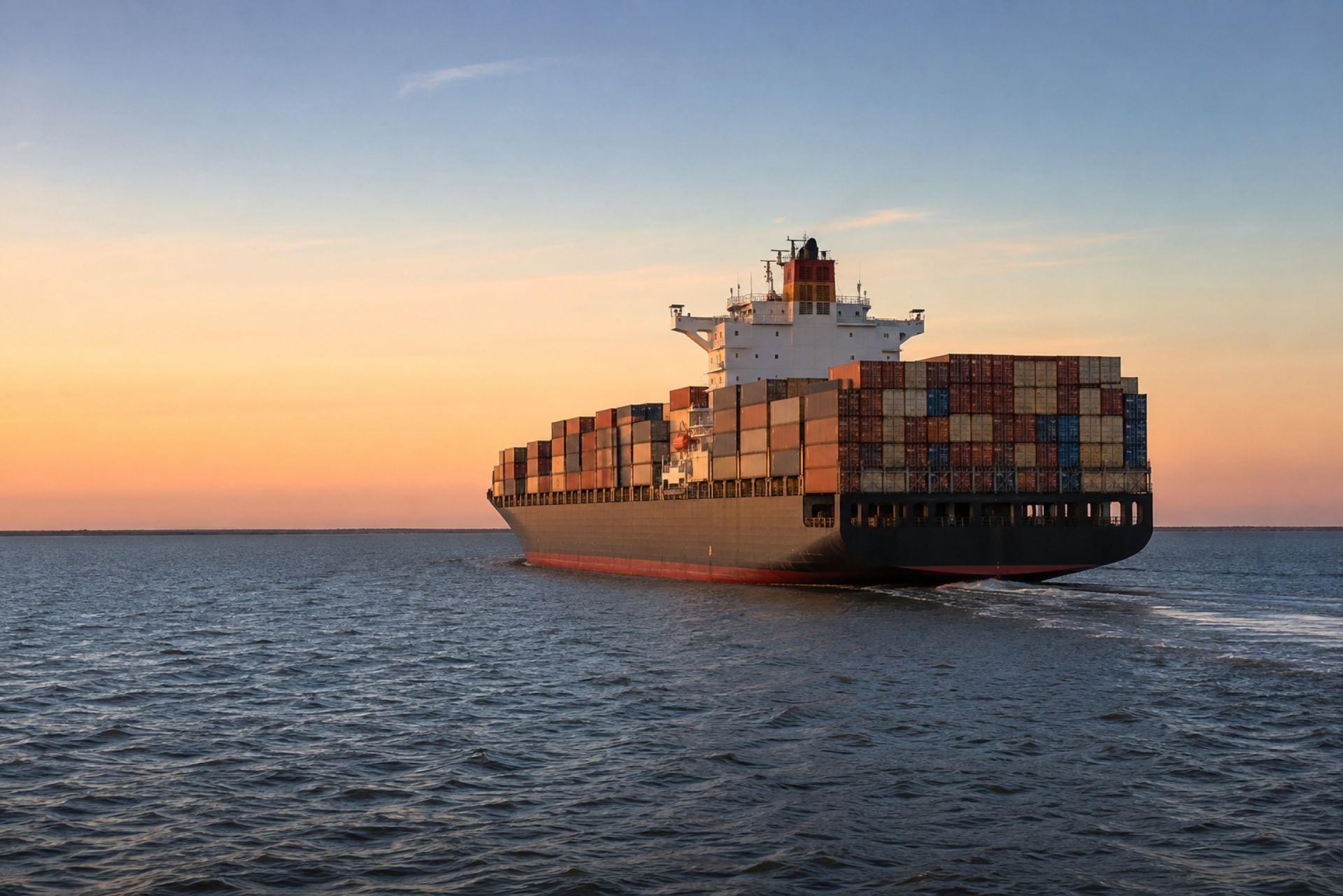
A marine insurance policy isn't a single product. It's typically built from several components, each covering a different layer of risk. Understanding these pieces helps you avoid gaps that could leave you exposed.
Hull and Machinery Protection
Hull insurance covers physical damage to the vessel itself, including its machinery, engines, and equipment. If you own or charter a vessel, this is your primary asset protection. Policies typically cover collision damage, grounding, fire, and weather-related damage.
For most South Carolina businesses that ship cargo but don't own ships, hull coverage isn't your direct concern. But it matters indirectly: if a vessel you're shipping on suffers hull damage, the resulting general average declaration (more on that below) can stick you with a bill even if your cargo is untouched.
Cargo Insurance Options
This is where most businesses need to focus. Cargo insurance protects the goods you're shipping against loss or damage during transit. Policies can cover a single shipment (voyage policy) or all shipments over a set period (open cargo policy), which is more practical for businesses that ship regularly.
Coverage can be written on an all-risk basis, which covers everything except specifically excluded perils, or on a named-perils basis, which only covers risks explicitly listed. The price difference matters, but so does the protection gap. An agency like CSP Insurance Services, which works with multiple carriers rather than just one, can compare options across the market to find the right fit for your shipping profile.
Marine General Liability
This component covers third-party bodily injury and property damage claims arising from marine operations. If your dock workers injure someone, or if cargo you're responsible for damages another party's property during loading, marine general liability responds.
It's separate from your standard commercial general liability policy, which typically excludes maritime operations. Businesses operating near Charleston's port facilities or along South Carolina's coast should pay close attention to this gap.

Comparing Coverage Levels
The choice between all-risk and named-perils coverage is one of the most consequential decisions in structuring a marine policy. Here's how they compare side by side.
Table: All-Risk vs. Named Perils
| Feature | All-Risk Coverage | Named Perils Coverage |
|---|---|---|
| What's Covered | All physical loss or damage unless specifically excluded | Only perils listed in the policy |
| Burden of Proof | Insurer must prove an exclusion applies to deny a claim | Policyholder must prove the loss was caused by a listed peril |
| Typical Exclusions | War, strikes, inherent vice, delay, nuclear events | Everything not named: can include weather, theft, or breakage |
| Cost | Higher premiums (typically 15-30% more) | Lower premiums |
| Best For | High-value or fragile cargo, businesses with low risk tolerance | Routine shipments of durable goods with predictable risk |
| Claim Flexibility | Broader: covers unexpected or unusual losses | Narrow: surprises often fall outside coverage |
For most businesses shipping goods worth more than $50,000 per container, all-risk coverage is worth the premium difference. The burden-of-proof advantage alone saves enormous headaches during claims.
Boat and Watercraft Coverage for Weekend Adventures
Your homeowners policy might cover a small kayak or canoe, but anything with a motor typically needs its own policy. Boat insurance covers physical damage to the vessel, liability for injuries or property damage you cause on the water, and sometimes towing and salvage costs.
Lake-specific risks differ from coastal ones. A boat kept at Myrtle Beach faces saltwater corrosion, hurricane exposure, and higher theft rates than one stored at a private dock on Lake Wateree. Your policy should reflect where you keep and operate the boat. An independent agency like CSP Insurance Services can compare quotes across multiple marine carriers to find coverage that actually matches your boating habits rather than forcing you into a one-size-fits-all plan.
Boat and Watercraft Coverage for Weekend Adventures
Your homeowners policy might cover a small kayak or canoe, but anything with a motor typically needs its own policy. Boat insurance covers physical damage to the vessel, liability for injuries or property damage you cause on the water, and sometimes towing and salvage costs.
Lake-specific risks differ from coastal ones. A boat kept at Myrtle Beach faces saltwater corrosion, hurricane exposure, and higher theft rates than one stored at a private dock on Lake Wateree. Your policy should reflect where you keep and operate the boat. An independent agency like CSP Insurance Services can compare quotes across multiple marine carriers to find coverage that actually matches your boating habits rather than forcing you into a one-size-fits-all plan.
| Feature | Admitted (Standard) Carriers | Non-Admitted (E&S) Carriers |
|---|---|---|
| State regulation | Fully regulated; rates filed with state | Exempt from rate filing; flexible pricing |
| Guaranty fund protection | Yes: state fund covers claims if carrier fails | No: no guaranty fund backstop |
| Policy forms | Standardized (ISO forms common) | Manuscript or custom forms |
| Risk appetite | Prefers low-to-moderate risk | Accepts high-risk and unusual exposures |
| Premium cost | Generally lower | Typically 20-75% higher |
| Surplus lines tax | Not applicable | Buyer pays state surplus lines tax (varies 2-5%) |
| Speed of placement | Standard timelines | Can be faster or slower depending on complexity |
Determining Your Limits and Deductibles
Setting the right policy limits is about accurately valuing what you're shipping and understanding how much risk you can absorb out of pocket. Get this wrong, and you'll either overpay for coverage you don't need or find yourself underinsured when it counts.
Valuation Methods for Goods
Marine policies use several valuation approaches. The most common is CIF plus 10%, which covers the cost of goods, insurance, and freight, plus a 10% markup to account for lost profit. This is the industry standard and what most underwriters default to.
Some policies use agreed value, where you and the insurer settle on a fixed amount upfront. This eliminates disputes at claim time but requires accurate documentation. Replacement cost valuation covers what it would cost to replace goods at current market prices, which can be higher than the original purchase price if commodity costs have risen.
The mistake I see businesses make most often: insuring goods at purchase price without accounting for freight, duties, and markup. If you paid $100,000 for goods, spent $15,000 on shipping, and expected to sell them for $150,000, a policy that only covers $100,000 leaves you significantly short.
The Role of General Average
General average is a maritime law concept that surprises many business owners. When a ship faces a common peril and the captain must sacrifice cargo or incur extraordinary expenses to save the voyage (jettisoning containers overboard during a storm, for example), all parties with cargo on that vessel share the loss proportionally.
That means even if your cargo is perfectly fine, you could owe a percentage of the total loss. Without marine insurance that includes general average coverage, you'd pay that share out of pocket. These assessments can take years to calculate and can represent 10-50% of your cargo's value. It's one of the strongest arguments for carrying marine coverage even on low-risk shipments.
Specialty Lines: Flood, Earthquake, and Valuable Items
Flood insurance is a separate policy, typically written through FEMA's National Flood Insurance Program or a private carrier. If your home sits in a designated flood zone anywhere along the SC coast or near inland rivers, your mortgage lender will require it. But even homes outside mapped flood zones can flood: roughly 25% of flood claims come from properties in low-to-moderate risk areas.
Earthquake coverage is less common in South Carolina, but the state sits near the Charleston fault zone, which produced a magnitude 7.3 quake in 1886. A rider or standalone earthquake policy is worth considering if you're in the Lowcountry.
Scheduled personal property endorsements cover high-value items like jewelry, art, firearms, or musical instruments that exceed standard policy sub-limits. Most homeowners policies cap jewelry coverage at $1,500-$2,500 per item. If your engagement ring is worth $8,000, you need a scheduled endorsement or inland marine floater to cover the difference.
The Claims Process: What to Do When Loss Occurs
Speed and documentation are everything in marine claims. The moment you discover damage or loss, notify your insurance provider and the carrier immediately. Most marine policies require notice within a specific window, often 72 hours, or you risk jeopardizing your claim.
Here's a practical sequence that works:
- Document everything at the point of discovery: photographs, video, written descriptions of damage, and the condition of packaging.
- Preserve damaged goods and packaging. Insurers may send a surveyor, and disposing of evidence before inspection can void your claim.
- File a written notice of claim with your insurer, including the bill of lading, commercial invoice, packing list, and survey report.
- Obtain a carrier's damage report or exception notation on the delivery receipt before signing for goods.
- Cooperate with the marine surveyor assigned to your claim: they're evaluating both the cause and extent of loss.
One thing to keep in mind: subrogation rights matter. Your insurer may pursue recovery from the carrier or other responsible parties, so don't sign any releases or settlements with the shipping line without consulting your insurance team first. An independent agency with marine expertise, like CSP Insurance Services, can walk you through this process and advocate on your behalf.
Boat and Watercraft Coverage for Weekend Adventures
Your homeowners policy might cover a small kayak or canoe, but anything with a motor typically needs its own policy. Boat insurance covers physical damage to the vessel, liability for injuries or property damage you cause on the water, and sometimes towing and salvage costs.
Lake-specific risks differ from coastal ones. A boat kept at Myrtle Beach faces saltwater corrosion, hurricane exposure, and higher theft rates than one stored at a private dock on Lake Wateree. Your policy should reflect where you keep and operate the boat. An independent agency like CSP Insurance Services can compare quotes across multiple marine carriers to find coverage that actually matches your boating habits rather than forcing you into a one-size-fits-all plan.
Boat and Watercraft Coverage for Weekend Adventures
Your homeowners policy might cover a small kayak or canoe, but anything with a motor typically needs its own policy. Boat insurance covers physical damage to the vessel, liability for injuries or property damage you cause on the water, and sometimes towing and salvage costs.
Lake-specific risks differ from coastal ones. A boat kept at Myrtle Beach faces saltwater corrosion, hurricane exposure, and higher theft rates than one stored at a private dock on Lake Wateree. Your policy should reflect where you keep and operate the boat. An independent agency like CSP Insurance Services can compare quotes across multiple marine carriers to find coverage that actually matches your boating habits rather than forcing you into a one-size-fits-all plan.
| Feature | Admitted (Standard) Carriers | Non-Admitted (E&S) Carriers |
|---|---|---|
| State regulation | Fully regulated; rates filed with state | Exempt from rate filing; flexible pricing |
| Guaranty fund protection | Yes: state fund covers claims if carrier fails | No: no guaranty fund backstop |
| Policy forms | Standardized (ISO forms common) | Manuscript or custom forms |
| Risk appetite | Prefers low-to-moderate risk | Accepts high-risk and unusual exposures |
| Premium cost | Generally lower | Typically 20-75% higher |
| Surplus lines tax | Not applicable | Buyer pays state surplus lines tax (varies 2-5%) |
| Speed of placement | Standard timelines | Can be faster or slower depending on complexity |
Common Questions About Marine Insurance
FAQ: Cost, Duration, and Exclusions
How much does ocean marine insurance cost? Rates typically range from 0.15% to 1.5% of the cargo value, depending on the commodity type, route, shipping method, and claims history. A $500,000 shipment of electronics on a high-risk route might cost $3,000-$7,500 to insure.
Does a standard business insurance policy cover goods shipped overseas? No. Most commercial property and general liability policies exclude goods in international transit. You need a separate marine cargo policy.
What's typically excluded from marine cargo coverage? Common exclusions include loss from delay, inherent vice (goods that spoil or degrade naturally), insufficient packaging, war and sanctions violations, and cyber-related incidents unless specifically endorsed.
How long does a marine cargo policy last? Voyage policies cover a single shipment from origin to destination. Open cargo policies run for 12 months and cover all qualifying shipments during that period.
Are there special considerations for shipping through conflict zones? Yes. War risk premiums are assessed separately and can change daily based on geopolitical conditions. Routes through the Red Sea, Persian Gulf, and Black Sea carry elevated premiums in 2026.
Can I insure goods I'm importing under FOB terms if the seller didn't buy coverage? Absolutely. You should. Under FOB terms, risk transfers to you at the port of origin, so purchasing your own cargo policy is the smart move.
Do I need marine insurance if the carrier has liability coverage? Carrier liability is typically capped at very low amounts per package under the Carriage of Goods by Sea Act (COGSA): around $500 per package. For most commercial shipments, that's a fraction of the actual value.
Specialty Lines: Flood, Earthquake, and Valuable Items
Flood insurance is a separate policy, typically written through FEMA's National Flood Insurance Program or a private carrier. If your home sits in a designated flood zone anywhere along the SC coast or near inland rivers, your mortgage lender will require it. But even homes outside mapped flood zones can flood: roughly 25% of flood claims come from properties in low-to-moderate risk areas.
Earthquake coverage is less common in South Carolina, but the state sits near the Charleston fault zone, which produced a magnitude 7.3 quake in 1886. A rider or standalone earthquake policy is worth considering if you're in the Lowcountry.
Scheduled personal property endorsements cover high-value items like jewelry, art, firearms, or musical instruments that exceed standard policy sub-limits. Most homeowners policies cap jewelry coverage at $1,500-$2,500 per item. If your engagement ring is worth $8,000, you need a scheduled endorsement or inland marine floater to cover the difference.
What This Means for Your Business
Marine insurance isn't something you buy once and forget about. Your coverage should evolve as your shipping patterns, trade routes, and cargo values change. A policy that worked when you were importing $200,000 in goods annually might leave you dangerously exposed at $2 million.
The businesses that handle this well treat their marine coverage as part of their supply chain strategy, not just a line item on an insurance bill. They review valuations annually, understand their Incoterms, and have a claims process ready before they need it.
If you're shipping through Charleston or any other port and aren't confident your current coverage matches your actual exposure, it's worth having a conversation with someone who can compare options across multiple carriers. CSP Insurance Services has been helping South Carolina businesses find the right coverage since 1939, and their team can review your shipping profile to identify gaps you might not know exist. Request a quote to start that conversation: it costs nothing and could save you from a loss that changes everything.
About the author
Lawson Walker, CIC
I'm proud to be part of an agency that's served Florence since 1939. CSP Insurance Services started as Cormell-Streett & Patterson, built by people who believed insurance should be personal — and more than eight decades later, that conviction still drives everything we do. Commitment, Service, Protection isn't just what CSP stands for; it's how I approach every client relationship.
As an independent, Trusted Choice agency, we aren't tied to any single carrier. That means I work for you — shopping multiple companies to match you with coverage that actually fits your family, your business, and your budget. No call centers, no chatbots. Just a local expert who takes the time to understand what matters to you and stands by you when it counts.
Whether you're protecting your home, your car, or a business you've spent years building, I'd be glad to help you find the right coverage.
We compare several carriers to find a policy that fits you, not one company's products.
◆
80+ years local experience


1939
Serving SC

Most Requested
Core business coverage.
The policies most South Carolina businesses start with.

Commercial Property
Protect the building, equipment, and inventory your business runs on, so a covered fire, theft, or storm doesn’t become a closed door.

Workers Compensation
Required for most South Carolina employers with staff. It covers medical bills and lost wages when an employee is hurt on the job.

Commercial Auto
Cars, trucks, and fleets used for work need more than a personal policy. This handles liability, damage, and your drivers.

General Liability
Accidents happen on the job and on your property. General liability covers third-party injury and property damage claims against your business.

Inland Marine
Tools, equipment, and goods on the move aren’t covered by standard property policies. Inland marine protects them wherever they travel.

Business Owners (BOP)
A business owners policy bundles property and liability coverage into one package, often at a better price for small businesses.
We compare several carriers to find a policy that fits you, not one company's products.
◆
80+ years local experience


1939
Serving SC

Insurance Sales
J. Roger Jordan, CIC
[CONFIRM bio]
Personal Insurance
Coverage for your home, vehicles, and family.
Protect what matters most with personal policies shopped across our carriers.
Home
Your house is likely your largest investment. Home insurance helps rebuild after covered damage and protects you from liability.
Auto
South Carolina drivers need real protection. Auto coverage handles liability, collision, medical costs, and uninsured drivers.
Umbrella
When a serious claim climbs past your home or auto limits, umbrella coverage adds an extra layer of liability protection.
Boat
Time on the water should be worry-free. Boat coverage protects your vessel, your passengers, and your liability on the lake or coast.
Motorcycle
Riders need coverage built for the road. Motorcycle insurance protects your bike, your gear, and you after an accident.
Condo
Your association covers the building, but not what’s inside. Condo insurance protects your belongings, improvements, and liability.
We compare several carriers to find a policy that fits you, not one company's products.
◆
80+ years local experience


1939
Serving SC

Insurance Sales
J. Roger Jordan, CIC
[CONFIRM bio]
Boat
Your association covers the building, but not what’s inside. Condo insurance protects your belongings, improvements, and liability.
Time on the water should be worry-free. Boat coverage protects your vessel, your passengers, and your liability on the lake or coast.
Condo
Motorcycle
Riders need coverage built for the road. Motorcycle insurance protects your bike, your gear, and you after an accident.
Industries We Serve
Specialized coverage for your industry.
Every industry carries its own risk. We help South Carolina businesses protect what they've built.

Restaurants
Kitchens, customers, and staff create daily exposure. We protect your property, equipment, liquor liability, and employees.

Manufacturers
From equipment breakdown to product liability, manufacturers face risk on the floor and beyond. We help cover property, machinery, and goods.

Healthcare Providers
Practices and clinics carry patient, property, and professional risk. We help cover liability, equipment, and the people who run your practice.
We compare several carriers to find a policy that fits you, not one company's products.
◆
80+ years local experience


1939
Serving SC

Commercial Property
Protect the building, equipment, and inventory your business runs on, so a covered fire, theft, or storm doesn’t become a closed door.
Commercial Auto
Cars, trucks, and fleets used for work need more than a personal policy. This handles liability, damage, and your drivers.
How It Works
Getting covered is simple.
Four steps, one real person from start to finish.
We compare carriers
We shop options across our carriers to find strong protection at a fair price.
We compare several carriers to find a policy that fits you, not one company's products.
Multi-carrier choice
Claims advocacy
When a claim happens, we stand in your corner and help move it forward with your carrier.
Local SC roots
We live and work in Florence and understand the risks your community faces because we face them too.
Client Reviews
Why clients choose CSP.
Independent advice, real people, and decades of local roots.
We compare several carriers to find a policy that fits you, not one company's products.
◆
80+ years local experience


1939
Serving SC

Insurance Sales
J. Roger Jordan, CIC
[CONFIRM bio]
Boat
Your association covers the building, but not what’s inside. Condo insurance protects your belongings, improvements, and liability.
Time on the water should be worry-free. Boat coverage protects your vessel, your passengers, and your liability on the lake or coast.
Condo
Motorcycle
Riders need coverage built for the road. Motorcycle insurance protects your bike, your gear, and you after an accident.
FAQs
Questions, answered.
Straight answers about working with an independent agency.

What does an independent insurance agency do?
An independent agency represents several carriers instead of one. We compare coverage and pricing across companies, then recommend the policy that fits you best.
Do you cover both personal and business insurance?
Yes. CSP writes personal lines like home and auto, and commercial lines for businesses across South Carolina.
How long has CSP been in business?
CSP traces its roots to 1939, with more than 80 years serving South Carolina families and businesses.
Will I work with a real person?
Always. No call centers and no chatbots — you work with a local team member who knows your account.
Which areas do you serve?
We’re based in Florence and serve clients statewide, including Myrtle Beach, Rock Hill, and Columbia.
How do I get a quote?
Request a quote online, call us, or stop by the office. A real person will review your needs and follow up.
How It Works
Insurance tips & updates.
Plain-language guidance to help you make confident decisions.
We compare several carriers to find a policy that fits you, not one company's products.
◆
80+ years local experience


1939
Serving SC

Insurance Sales
J. Roger Jordan, CIC
[CONFIRM bio]
Boat
Your association covers the building, but not what’s inside. Condo insurance protects your belongings, improvements, and liability.
Time on the water should be worry-free. Boat coverage protects your vessel, your passengers, and your liability on the lake or coast.
Condo
Motorcycle
Riders need coverage built for the road. Motorcycle insurance protects your bike, your gear, and you after an accident.

Get a Quote
Let's find your coverage.
Tell us a little about what you need to protect. A real person from our Florence team will review it and follow up.
2420 Hoffmeyer Road, Suite D
Florence, SC 29501
Mon–Fri 8:30am – 5:00pm