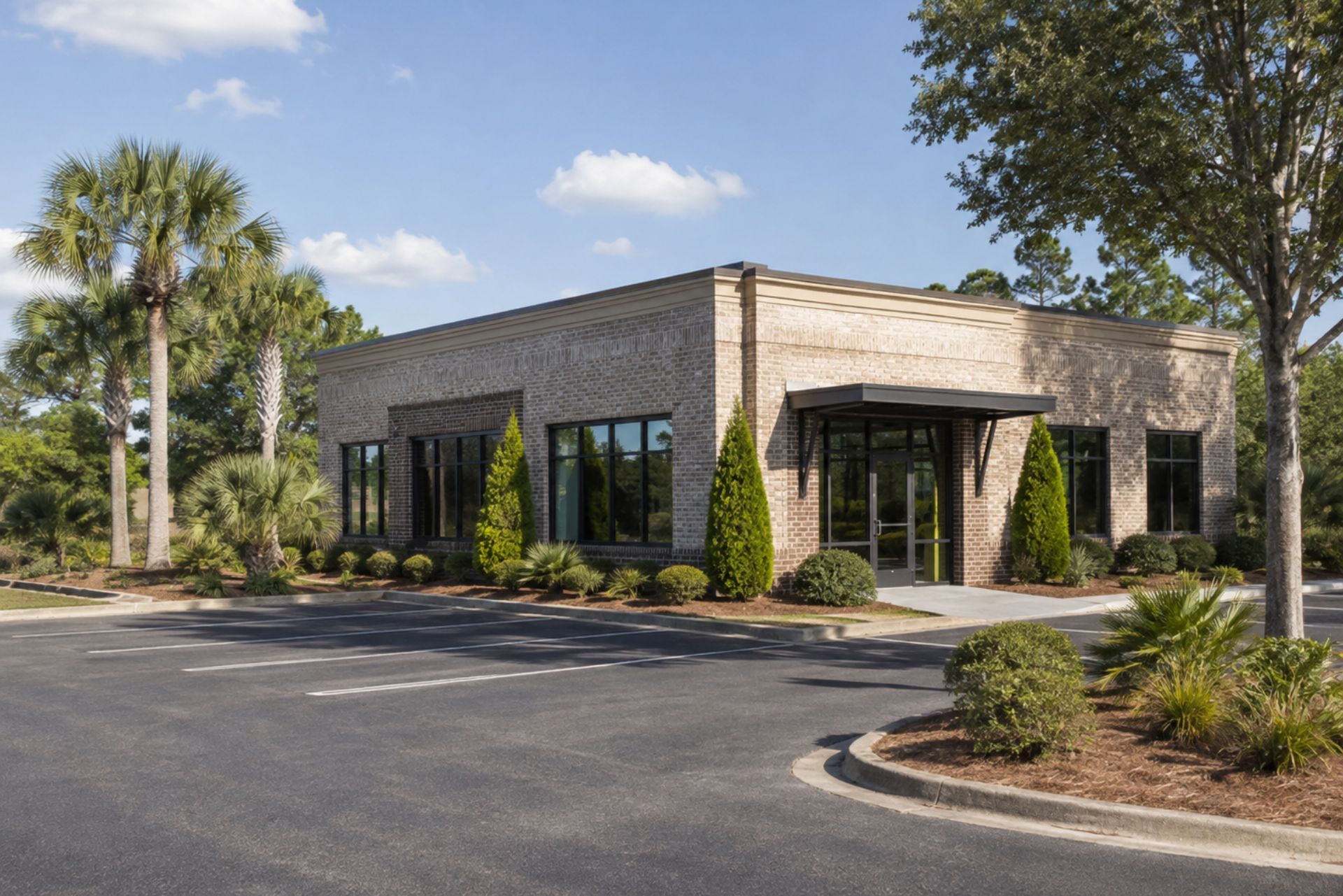


CSP Insurance Services was founded in 1939, when Clifford Cormell joined Earnest Streett to sell insurance in Florence. More than 80 years later, we still answer the phone ourselves. No call centers, no chatbots — just a local team that knows your name and your policy.
We compare several carriers to find a policy that fits you, not one company's products.
◆
80+ years local experience
Hospital bills, treatment, and prescriptions for a work-related injury or illness.
Medical expenses
Claims history
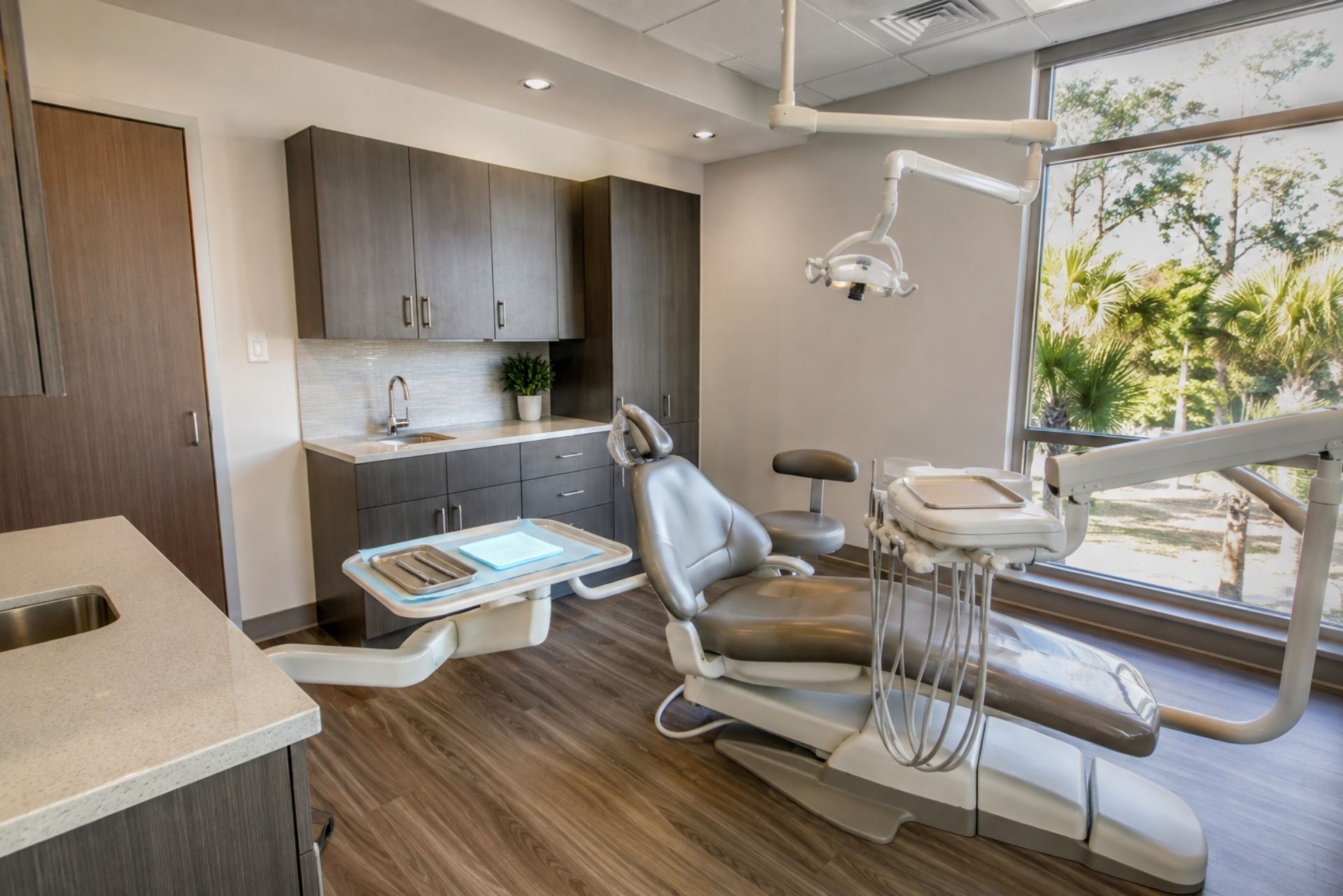
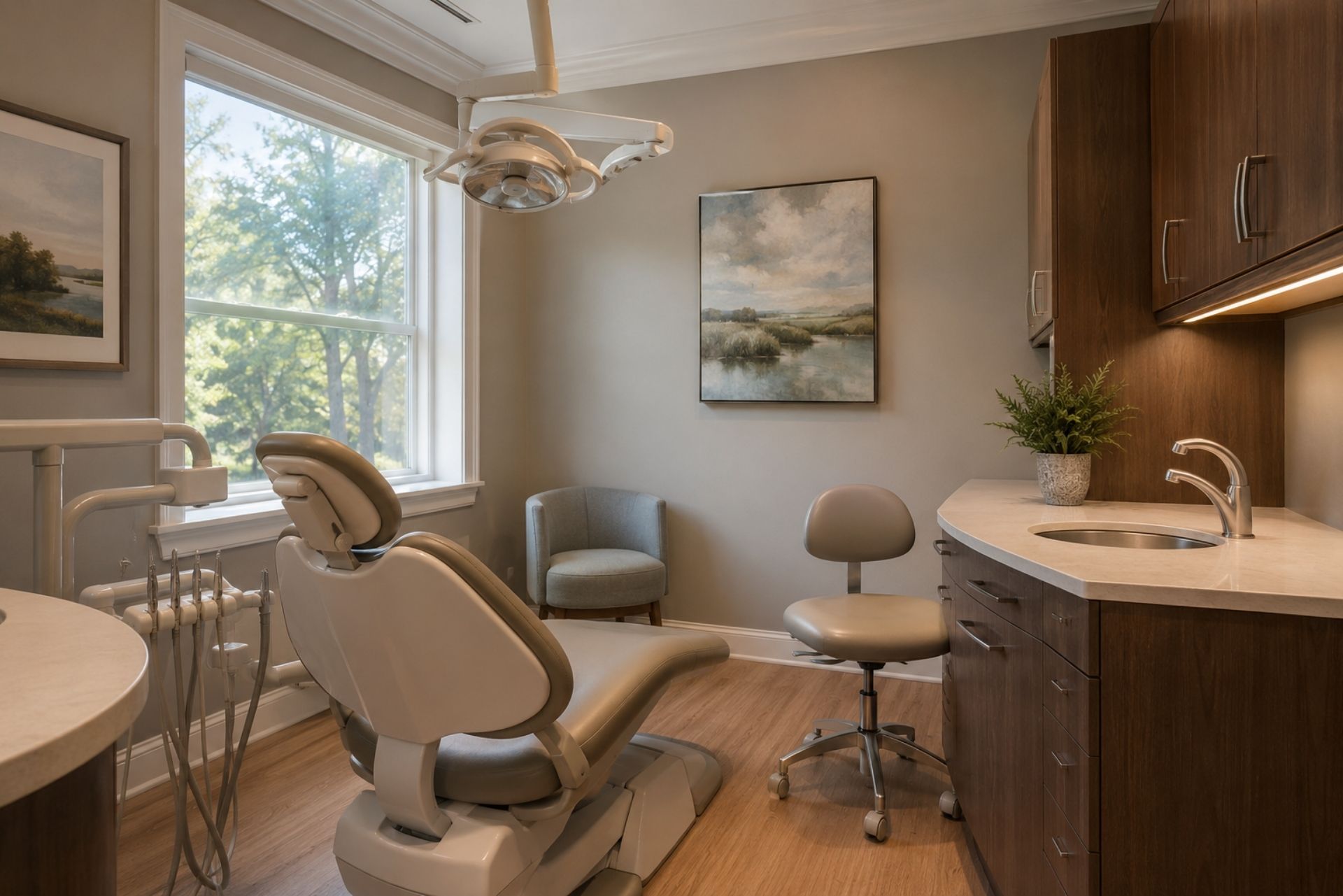
A single slip-and-fall in your lobby, a ransomware attack on your patient management system, or an associate injured by a malfunctioning autoclave: any one of these could cost your dental practice tens of thousands of dollars overnight. Most dentists spend years perfecting clinical skills but only a few hours thinking about the insurance that protects their livelihood. The reality is that dental practice insurance isn't a single policy you buy off the shelf. It's a layered system of coverage types, each designed to handle a different category of risk, from bodily injury claims in your waiting room to data breaches involving protected health information. And in South Carolina, where coastal storm exposure and state-specific workers' comp rules add extra wrinkles, getting this right matters even more. The average closed dental malpractice claim has climbed to $148,655, a 10.5% increase that shows no signs of slowing. Whether you're a solo practitioner in Florence or running a multi-location group across the Midlands, understanding what each policy actually does, and where the gaps hide, is the difference between recovering from a bad day and closing your doors. This guide breaks down the core coverages every dental office needs, the specialized policies that modern practices can't afford to skip, and the questions you should be asking before your next renewal.
Core Liability Protections for Modern Dental Offices
Every dental practice faces two broad categories of liability: things that go wrong during treatment and things that go wrong everywhere else. Your office is a physical space where patients, vendors, and staff move through daily. Chairs get tripped over, wet floors cause falls, and parking lot incidents happen more often than you'd think. These non-clinical risks are exactly what your foundational liability policies are built to handle.
The mistake most practice owners make is assuming their malpractice policy covers everything. It doesn't. Malpractice (professional liability) is narrowly scoped to clinical errors. If a patient slips on your freshly mopped tile and breaks a wrist, that's a general liability claim, not a malpractice one. Confusing the two can leave you paying out of pocket for something that should have been covered.
General Liability: Protecting Against Third-Party Accidents
General liability insurance covers bodily injury and property damage that happens on your premises or as a result of your business operations, excluding clinical care. Think of it as your "everything else" policy for accidents. A delivery person trips over a cord in your hallway. A child in your pediatric waiting area pulls a shelf down. A burst pipe in your office floods the tenant below you. These are all general liability scenarios.
Most dental practices in South Carolina carry $1 million per occurrence and $2 million aggregate limits, though practices with higher foot traffic or multiple locations often carry more. Premiums typically run between $500 and $1,500 per year for a standard dental office, making it one of the most affordable policies relative to the risk it covers.
Professional Liability vs. General Liability Comparison
Professional liability, commonly called malpractice insurance, covers claims arising from your clinical work: a missed diagnosis, a botched extraction, an adverse reaction to anesthesia. General liability covers the physical and operational risks of running a business. You need both, and they don't overlap. A patient who claims you damaged a nerve during an implant placement files against your malpractice policy. That same patient who trips over a threshold on the way out files against your general liability. Two entirely different policies, two entirely different claim processes.


Your CSP agent
Lawson Walker, CIC
Insurance Sales
On this page
CSP Insurance Services is a fully licensed independent insurance agency serving individuals, families, and businesses across South Carolina.
From our home in Florence, we proudly serve clients in Florence, Myrtle Beach, Rock Hill, Columbia, and communities throughout South Carolina. As an independent Trusted Choice agency, our team works with a wide range of top-rated carriers to provide personal and commercial coverage — home, auto, business, life, and more — tailored to the real needs of the people and businesses we protect.
Fine Arts and High-Value Specialized Goods
Galleries, auction houses, and even corporate offices with art collections need specialized coverage. Standard property policies cap fine art at absurdly low limits, sometimes $2,500 per item. A fine arts floater provides agreed-value coverage, meaning you and the insurer agree on the item's worth upfront. If it's damaged or stolen, that's what you get paid.
Boat and Watercraft Coverage for Weekend Adventures
Your homeowners policy might cover a small kayak or canoe, but anything with a motor typically needs its own policy. Boat insurance covers physical damage to the vessel, liability for injuries or property damage you cause on the water, and sometimes towing and salvage costs.
Lake-specific risks differ from coastal ones. A boat kept at Myrtle Beach faces saltwater corrosion, hurricane exposure, and higher theft rates than one stored at a private dock on Lake Wateree. Your policy should reflect where you keep and operate the boat. An independent agency like CSP Insurance Services can compare quotes across multiple marine carriers to find coverage that actually matches your boating habits rather than forcing you into a one-size-fits-all plan.
| Feature | Admitted (Standard) Carriers | Non-Admitted (E&S) Carriers |
|---|---|---|
| State regulation | Fully regulated; rates filed with state | Exempt from rate filing; flexible pricing |
| Guaranty fund protection | Yes: state fund covers claims if carrier fails | No: no guaranty fund backstop |
| Policy forms | Standardized (ISO forms common) | Manuscript or custom forms |
| Risk appetite | Prefers low-to-moderate risk | Accepts high-risk and unusual exposures |
| Premium cost | Generally lower | Typically 20-75% higher |
| Surplus lines tax | Not applicable | Buyer pays state surplus lines tax (varies 2-5%) |
| Speed of placement | Standard timelines | Can be faster or slower depending on complexity |
Computer Equipment and Data Storage

Businesses increasingly rely on portable tech: laptops, tablets, external drives, and mobile servers. A computer equipment floater covers these items when employees take them off-site, whether that's a sales rep carrying a laptop to a client meeting in Columbia or a nonprofit transporting presentation equipment to a fundraiser. Some policies even cover the cost of data restoration, which can be more expensive than the hardware itself.
Comparison: General Liability vs. Professional Liability (Malpractice)
Understanding the distinction between these two policies is critical for avoiding coverage gaps. Here's a side-by-side breakdown.
Coverage Comparison Table
| Feature | General Liability | Professional Liability (Malpractice) |
|---|---|---|
| What it covers | Bodily injury, property damage on premises | Clinical errors, misdiagnosis, treatment complications |
| Typical claim example | Patient slips on wet floor | Nerve damage from extraction |
| Who files claims | Patients, visitors, vendors | Patients only |
| Average annual premium | $500 - $1,500 | $1,500 - $4,000+ |
| Common limits | $1M / $2M aggregate | $1M / $3M aggregate |
| Required by SC law? | Not mandated, but essential | Not mandated, but required by most leases and credentialing |
| Covers legal defense? | Yes | Yes |
One thing to keep in mind: "failure to diagnose" claims, particularly for oral cancers, are among the fastest-growing categories of dental malpractice. If your practice doesn't carry professional liability with adequate limits, a single missed diagnosis could exceed your personal assets.

Safeguarding Your Staff and Mobile Operations
Your team is your biggest asset and, from an insurance perspective, one of your biggest exposures. Dental hygienists, assistants, and front desk staff face real occupational hazards: needlestick injuries, repetitive motion disorders, chemical exposure from sterilization products. And if anyone on your team drives for work purposes, even occasionally, you've got auto liability to think about too.
Workers' Compensation and State Compliance
South Carolina requires workers' compensation insurance for any business with four or more employees. That threshold catches most dental practices, even small ones. Workers' comp covers medical expenses, lost wages, and rehabilitation costs when an employee is injured on the job. It also protects you from lawsuits by injured workers, which is a trade-off built into the system.
Premiums are calculated based on your payroll and your classification code. Dental offices typically fall under NCCI code 8834 (Physicians & Clerical) or similar classifications, with rates in South Carolina generally running between $0.50 and $1.50 per $100 of payroll. That said, your experience modification rate (your claims history) can push that number significantly higher if you've had multiple claims.
An independent agency like CSP Insurance Services can compare workers' comp quotes across multiple carriers, which matters because rates vary more than you'd expect between insurers for the same classification code.
Commercial Auto and Hired/Non-Owned Coverage
If your practice owns vehicles, maybe for mobile dentistry, equipment transport, or office supply runs, you need commercial auto insurance. South Carolina's minimum auto liability limits are 25/50/25 ($25,000 per person bodily injury, $50,000 per accident, $25,000 property damage), but most commercial policies should carry significantly higher limits.
Here's where practices get caught off guard: hired and non-owned auto coverage. If your office manager uses their personal car to pick up lab cases or drop off marketing materials, your practice could be liable if they cause an accident while on the clock. Their personal auto policy may deny the claim because they were conducting business. Hired and non-owned auto coverage fills that gap, and it's surprisingly inexpensive, usually just a few hundred dollars annually added to your commercial package.
Boat and Watercraft Coverage for Weekend Adventures
Your homeowners policy might cover a small kayak or canoe, but anything with a motor typically needs its own policy. Boat insurance covers physical damage to the vessel, liability for injuries or property damage you cause on the water, and sometimes towing and salvage costs.
Lake-specific risks differ from coastal ones. A boat kept at Myrtle Beach faces saltwater corrosion, hurricane exposure, and higher theft rates than one stored at a private dock on Lake Wateree. Your policy should reflect where you keep and operate the boat. An independent agency like CSP Insurance Services can compare quotes across multiple marine carriers to find coverage that actually matches your boating habits rather than forcing you into a one-size-fits-all plan.
Boat and Watercraft Coverage for Weekend Adventures
Your homeowners policy might cover a small kayak or canoe, but anything with a motor typically needs its own policy. Boat insurance covers physical damage to the vessel, liability for injuries or property damage you cause on the water, and sometimes towing and salvage costs.
Lake-specific risks differ from coastal ones. A boat kept at Myrtle Beach faces saltwater corrosion, hurricane exposure, and higher theft rates than one stored at a private dock on Lake Wateree. Your policy should reflect where you keep and operate the boat. An independent agency like CSP Insurance Services can compare quotes across multiple marine carriers to find coverage that actually matches your boating habits rather than forcing you into a one-size-fits-all plan.
| Feature | Admitted (Standard) Carriers | Non-Admitted (E&S) Carriers |
|---|---|---|
| State regulation | Fully regulated; rates filed with state | Exempt from rate filing; flexible pricing |
| Guaranty fund protection | Yes: state fund covers claims if carrier fails | No: no guaranty fund backstop |
| Policy forms | Standardized (ISO forms common) | Manuscript or custom forms |
| Risk appetite | Prefers low-to-moderate risk | Accepts high-risk and unusual exposures |
| Premium cost | Generally lower | Typically 20-75% higher |
| Surplus lines tax | Not applicable | Buyer pays state surplus lines tax (varies 2-5%) |
| Speed of placement | Standard timelines | Can be faster or slower depending on complexity |
Specialized Policies for High-Tech Practices
Modern dental offices run on technology. Digital imaging, CAD/CAM systems, cloud-based practice management software, and electronic health records are standard. That technology creates efficiencies but also introduces risks that didn't exist twenty years ago.
Cyber Liability: Protecting Patient Records and HIPAA Compliance
Dental practices store exactly the kind of data that hackers want: Social Security numbers, insurance information, medical histories, and payment card data. A single breach can trigger HIPAA notification requirements, state attorney general investigations, and class-action lawsuits. Cyber liability insurance covers breach response costs, including forensic investigation, patient notification, credit monitoring, legal defense, and regulatory fines.
The dental industry has seen ongoing insurance reform efforts at the state level, and part of that conversation includes how practices handle digital patient data. A basic cyber policy for a dental practice typically costs between $500 and $2,000 per year, depending on the number of patient records and your security posture. Given that the average healthcare data breach costs well over $100,000 to remediate, this is one of the highest-value policies you can carry.
Business Interruption and Equipment Breakdown
A fire, flood, or major equipment failure can shut your practice down for weeks. Business interruption insurance replaces lost income and covers ongoing expenses like rent, payroll, and loan payments while you're unable to see patients. In coastal South Carolina cities like Myrtle Beach, where hurricane season brings real risk of extended closures, this coverage isn't optional: it's survival planning.
Equipment breakdown coverage is its own animal. Your CEREC machine, digital X-ray sensors, and sterilization equipment represent hundreds of thousands of dollars in capital. Standard property insurance often excludes mechanical or electrical breakdown. A dedicated equipment breakdown policy covers repair or replacement costs when a compressor fails, a circuit board fries, or a power surge takes out your imaging system. With rising insurance premiums affecting practice overhead across the board, protecting the equipment that generates your revenue is a smart financial move.
Specialty Lines: Flood, Earthquake, and Valuable Items
Flood insurance is a separate policy, typically written through FEMA's National Flood Insurance Program or a private carrier. If your home sits in a designated flood zone anywhere along the SC coast or near inland rivers, your mortgage lender will require it. But even homes outside mapped flood zones can flood: roughly 25% of flood claims come from properties in low-to-moderate risk areas.
Earthquake coverage is less common in South Carolina, but the state sits near the Charleston fault zone, which produced a magnitude 7.3 quake in 1886. A rider or standalone earthquake policy is worth considering if you're in the Lowcountry.
Scheduled personal property endorsements cover high-value items like jewelry, art, firearms, or musical instruments that exceed standard policy sub-limits. Most homeowners policies cap jewelry coverage at $1,500-$2,500 per item. If your engagement ring is worth $8,000, you need a scheduled endorsement or inland marine floater to cover the difference.
Speed and documentation are everything in marine claims. The moment you discover damage or loss, notify your insurance provider and the carrier immediately. Most marine policies require notice within a specific window, often 72 hours, or you risk jeopardizing your claim.
Here's a practical sequence that works:
- Document everything at the point of discovery: photographs, video, written descriptions of damage, and the condition of packaging.
- Preserve damaged goods and packaging. Insurers may send a surveyor, and disposing of evidence before inspection can void your claim.
- File a written notice of claim with your insurer, including the bill of lading, commercial invoice, packing list, and survey report.
- Obtain a carrier's damage report or exception notation on the delivery receipt before signing for goods.
- Cooperate with the marine surveyor assigned to your claim: they're evaluating both the cause and extent of loss.
One thing to keep in mind: subrogation rights matter. Your insurer may pursue recovery from the carrier or other responsible parties, so don't sign any releases or settlements with the shipping line without consulting your insurance team first. An independent agency with marine expertise, like CSP Insurance Services, can walk you through this process and advocate on your behalf.
Common Questions About Dental Insurance Coverage
Frequently Asked Questions
Do I need malpractice insurance if I only do general dentistry? Yes. General dentists face malpractice claims for missed diagnoses, extraction complications, adverse drug reactions, and failed restorations. Specialty procedures aren't the only source of claims.
Does my landlord's insurance cover my dental practice? No. Your landlord's policy covers the building structure. Everything inside your leased space, including your equipment, inventory, liability, and business income, needs its own coverage.
How much general liability coverage should a dental practice carry? Most practices carry $1 million per occurrence with a $2 million aggregate. If you're in a high-traffic location or have multiple providers, consider higher limits or an umbrella policy.
Is cyber liability insurance really necessary for a small dental office? Absolutely. Small practices are actually targeted more frequently because hackers assume their security is weaker. HIPAA fines alone can reach $50,000 per violation, and a breach response without insurance can easily exceed six figures.
Can I bundle my dental practice policies? Yes. A Business Owner's Policy (BOP) bundles general liability and commercial property into one package, often at a lower premium than buying them separately. You'll still need separate malpractice, workers' comp, and cyber policies.
What happens if an employee gets injured and I don't have workers' comp? In South Carolina, operating without required workers' comp coverage can result in fines, personal liability for medical costs, and even criminal penalties. The SC Workers' Compensation Commission takes compliance seriously.
Are dental practices that drop insurance carriers at higher risk? Potentially. With roughly 22% of dentists dropping insurers in 2026, fee-for-service practices may see different patient volumes and revenue patterns that affect their coverage needs. Your insurance should reflect your current business model.
Boat and Watercraft Coverage for Weekend Adventures
Your homeowners policy might cover a small kayak or canoe, but anything with a motor typically needs its own policy. Boat insurance covers physical damage to the vessel, liability for injuries or property damage you cause on the water, and sometimes towing and salvage costs.
Lake-specific risks differ from coastal ones. A boat kept at Myrtle Beach faces saltwater corrosion, hurricane exposure, and higher theft rates than one stored at a private dock on Lake Wateree. Your policy should reflect where you keep and operate the boat. An independent agency like CSP Insurance Services can compare quotes across multiple marine carriers to find coverage that actually matches your boating habits rather than forcing you into a one-size-fits-all plan.
Boat and Watercraft Coverage for Weekend Adventures
Your homeowners policy might cover a small kayak or canoe, but anything with a motor typically needs its own policy. Boat insurance covers physical damage to the vessel, liability for injuries or property damage you cause on the water, and sometimes towing and salvage costs.
Lake-specific risks differ from coastal ones. A boat kept at Myrtle Beach faces saltwater corrosion, hurricane exposure, and higher theft rates than one stored at a private dock on Lake Wateree. Your policy should reflect where you keep and operate the boat. An independent agency like CSP Insurance Services can compare quotes across multiple marine carriers to find coverage that actually matches your boating habits rather than forcing you into a one-size-fits-all plan.
| Feature | Admitted (Standard) Carriers | Non-Admitted (E&S) Carriers |
|---|---|---|
| State regulation | Fully regulated; rates filed with state | Exempt from rate filing; flexible pricing |
| Guaranty fund protection | Yes: state fund covers claims if carrier fails | No: no guaranty fund backstop |
| Policy forms | Standardized (ISO forms common) | Manuscript or custom forms |
| Risk appetite | Prefers low-to-moderate risk | Accepts high-risk and unusual exposures |
| Premium cost | Generally lower | Typically 20-75% higher |
| Surplus lines tax | Not applicable | Buyer pays state surplus lines tax (varies 2-5%) |
| Speed of placement | Standard timelines | Can be faster or slower depending on complexity |
Making the Right Choice for Your Practice
Getting dental practice insurance right isn't about buying the most expensive package or checking boxes on a form. It's about understanding where your specific risks live and matching coverage to those exposures. A solo practitioner in Rock Hill has different needs than a five-operatory group practice in Columbia with mobile hygiene services.
The policies covered here, general liability, professional liability, workers' comp, commercial auto, cyber liability, business interruption, and equipment breakdown, form the foundation. But the details matter: your limits, deductibles, exclusions, and endorsements should reflect your actual operations, not a generic template.
Working with an independent agency gives you a real advantage here. CSP Insurance Services has been helping South Carolina businesses build custom coverage programs since 1939, and because they work with multiple carriers, they can find the right fit without being locked into a single insurer's product line. If you're opening a new practice, adding a location, or just haven't reviewed your coverage in a while, it's worth having a conversation with someone who understands dental practice risk. You can request a quote to get a personalized coverage review and make sure nothing is falling through the cracks.
About the author
Lawson Walker, CIC
I'm proud to be part of an agency that's served Florence since 1939. CSP Insurance Services started as Cormell-Streett & Patterson, built by people who believed insurance should be personal — and more than eight decades later, that conviction still drives everything we do. Commitment, Service, Protection isn't just what CSP stands for; it's how I approach every client relationship.
As an independent, Trusted Choice agency, we aren't tied to any single carrier. That means I work for you — shopping multiple companies to match you with coverage that actually fits your family, your business, and your budget. No call centers, no chatbots. Just a local expert who takes the time to understand what matters to you and stands by you when it counts.
Whether you're protecting your home, your car, or a business you've spent years building, I'd be glad to help you find the right coverage.
We compare several carriers to find a policy that fits you, not one company's products.
◆
80+ years local experience

1939
Serving SC

Most Requested
Core business coverage.
The policies most South Carolina businesses start with.

Commercial Property
Protect the building, equipment, and inventory your business runs on, so a covered fire, theft, or storm doesn’t become a closed door.

Workers Compensation
Required for most South Carolina employers with staff. It covers medical bills and lost wages when an employee is hurt on the job.

Commercial Auto
Cars, trucks, and fleets used for work need more than a personal policy. This handles liability, damage, and your drivers.

General Liability
Accidents happen on the job and on your property. General liability covers third-party injury and property damage claims against your business.

Inland Marine
Tools, equipment, and goods on the move aren’t covered by standard property policies. Inland marine protects them wherever they travel.

Business Owners (BOP)
A business owners policy bundles property and liability coverage into one package, often at a better price for small businesses.
We compare several carriers to find a policy that fits you, not one company's products.
◆
80+ years local experience


1939
Serving SC

Insurance Sales
J. Roger Jordan, CIC
[CONFIRM bio]
Personal Insurance
Coverage for your home, vehicles, and family.
Protect what matters most with personal policies shopped across our carriers.
Home
Your house is likely your largest investment. Home insurance helps rebuild after covered damage and protects you from liability.
Auto
South Carolina drivers need real protection. Auto coverage handles liability, collision, medical costs, and uninsured drivers.
Umbrella
When a serious claim climbs past your home or auto limits, umbrella coverage adds an extra layer of liability protection.
Boat
Time on the water should be worry-free. Boat coverage protects your vessel, your passengers, and your liability on the lake or coast.
Motorcycle
Riders need coverage built for the road. Motorcycle insurance protects your bike, your gear, and you after an accident.
Condo
Your association covers the building, but not what’s inside. Condo insurance protects your belongings, improvements, and liability.
We compare several carriers to find a policy that fits you, not one company's products.
◆
80+ years local experience


1939
Serving SC

Insurance Sales
J. Roger Jordan, CIC
[CONFIRM bio]
Boat
Your association covers the building, but not what’s inside. Condo insurance protects your belongings, improvements, and liability.
Time on the water should be worry-free. Boat coverage protects your vessel, your passengers, and your liability on the lake or coast.
Condo
Motorcycle
Riders need coverage built for the road. Motorcycle insurance protects your bike, your gear, and you after an accident.
Industries We Serve
Specialized coverage for your industry.
Every industry carries its own risk. We help South Carolina businesses protect what they've built.

Restaurants
Kitchens, customers, and staff create daily exposure. We protect your property, equipment, liquor liability, and employees.

Manufacturers
From equipment breakdown to product liability, manufacturers face risk on the floor and beyond. We help cover property, machinery, and goods.

Healthcare Providers
Practices and clinics carry patient, property, and professional risk. We help cover liability, equipment, and the people who run your practice.
We compare several carriers to find a policy that fits you, not one company's products.
◆
80+ years local experience


1939
Serving SC

Commercial Property
Protect the building, equipment, and inventory your business runs on, so a covered fire, theft, or storm doesn’t become a closed door.
Commercial Auto
Cars, trucks, and fleets used for work need more than a personal policy. This handles liability, damage, and your drivers.
How It Works
Getting covered is simple.
Four steps, one real person from start to finish.
We compare carriers
We shop options across our carriers to find strong protection at a fair price.
We compare several carriers to find a policy that fits you, not one company's products.
Multi-carrier choice
Claims advocacy
When a claim happens, we stand in your corner and help move it forward with your carrier.
Local SC roots
We live and work in Florence and understand the risks your community faces because we face them too.
Client Reviews
Why clients choose CSP.
Independent advice, real people, and decades of local roots.
We compare several carriers to find a policy that fits you, not one company's products.
◆
80+ years local experience


1939
Serving SC

Insurance Sales
J. Roger Jordan, CIC
[CONFIRM bio]
Boat
Your association covers the building, but not what’s inside. Condo insurance protects your belongings, improvements, and liability.
Time on the water should be worry-free. Boat coverage protects your vessel, your passengers, and your liability on the lake or coast.
Condo
Motorcycle
Riders need coverage built for the road. Motorcycle insurance protects your bike, your gear, and you after an accident.
FAQs
Questions, answered.
Straight answers about working with an independent agency.

What does an independent insurance agency do?
An independent agency represents several carriers instead of one. We compare coverage and pricing across companies, then recommend the policy that fits you best.
Do you cover both personal and business insurance?
Yes. CSP writes personal lines like home and auto, and commercial lines for businesses across South Carolina.
How long has CSP been in business?
CSP traces its roots to 1939, with more than 80 years serving South Carolina families and businesses.
Will I work with a real person?
Always. No call centers and no chatbots — you work with a local team member who knows your account.
Which areas do you serve?
We’re based in Florence and serve clients statewide, including Myrtle Beach, Rock Hill, and Columbia.
How do I get a quote?
Request a quote online, call us, or stop by the office. A real person will review your needs and follow up.
How It Works
Insurance tips & updates.
Plain-language guidance to help you make confident decisions.
We compare several carriers to find a policy that fits you, not one company's products.
◆
80+ years local experience


1939
Serving SC

Insurance Sales
J. Roger Jordan, CIC
[CONFIRM bio]
Boat
Your association covers the building, but not what’s inside. Condo insurance protects your belongings, improvements, and liability.
Time on the water should be worry-free. Boat coverage protects your vessel, your passengers, and your liability on the lake or coast.
Condo
Motorcycle
Riders need coverage built for the road. Motorcycle insurance protects your bike, your gear, and you after an accident.

Get a Quote
Let's find your coverage.
Tell us a little about what you need to protect. A real person from our Florence team will review it and follow up.
2420 Hoffmeyer Road, Suite D
Florence, SC 29501
Mon–Fri 8:30am – 5:00pm