

CSP Insurance Services was founded in 1939, when Clifford Cormell joined Earnest Streett to sell insurance in Florence. More than 80 years later, we still answer the phone ourselves. No call centers, no chatbots — just a local team that knows your name and your policy.
We compare several carriers to find a policy that fits you, not one company's products.
◆
80+ years local experience
Hospital bills, treatment, and prescriptions for a work-related injury or illness.
Medical expenses
Claims history
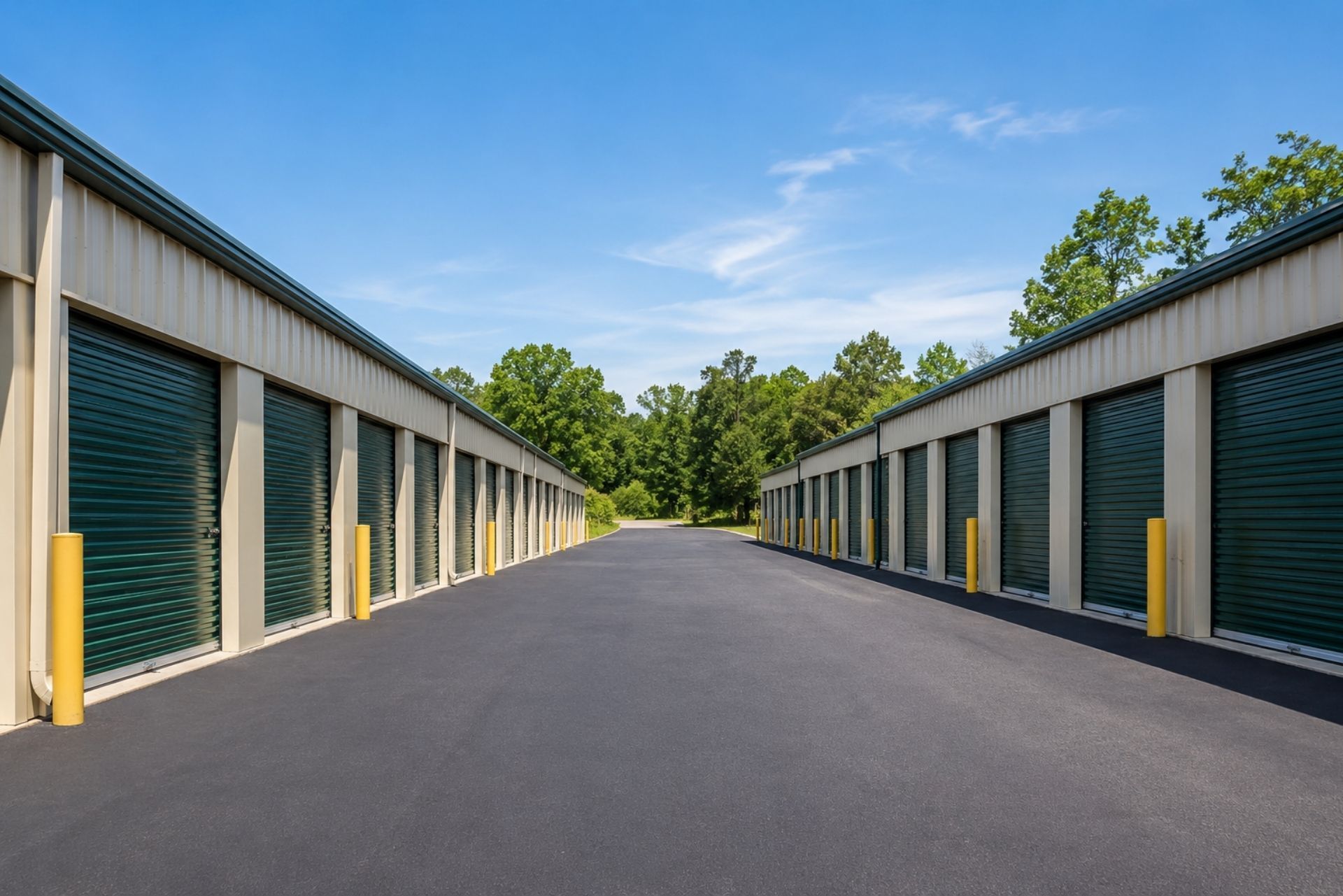
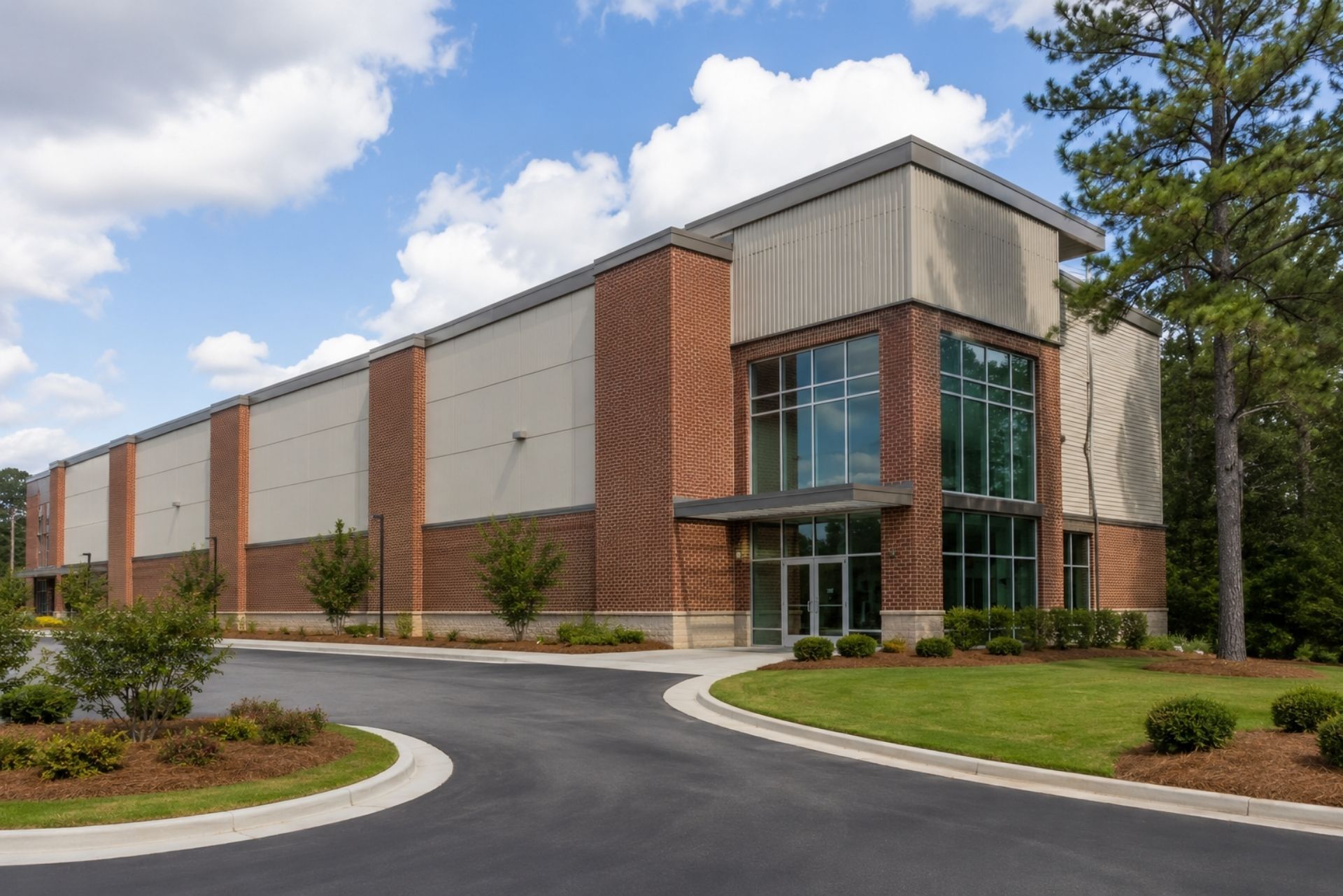
A single break-in, a customer's slip on a rain-soaked ramp, or a hurricane tearing through the Lowcountry can turn a profitable self-storage operation into a financial disaster overnight. South Carolina's storage market has been growing fast, with several metro areas ranking among the top emerging self-storage markets in the country. That growth brings opportunity, but it also brings risk. Facility owners need more than a basic business policy to stay protected: they need coverage built specifically for the way storage operations actually work. This guide breaks down everything South Carolina storage facility owners should know about general liability, workers' compensation, commercial auto, and the specialized policies that most generic insurers overlook. Whether you run a climate-controlled facility in Columbia or a drive-up operation near Myrtle Beach, the right insurance package can mean the difference between a manageable claim and a business-ending loss.
Core Insurance Requirements for South Carolina Storage Facilities
Running a self-storage facility means juggling property management, customer interactions, vehicle use, and sometimes even retail sales of packing supplies. Each of those activities creates a distinct category of risk, and South Carolina law imposes specific requirements on several of them. The three foundational coverage types every facility owner needs to understand are general liability, workers' compensation, and commercial auto. Skipping any one of these can leave you exposed to lawsuits, state penalties, or both.
General Liability: Protecting Against Slips and Falls
General liability (GL) insurance is the backbone of any commercial operation, and storage facilities are no exception. A customer trips over a speed bump in your parking lot, a gate malfunctions and damages a tenant's vehicle, or a child gets injured climbing on a unit door: all of these scenarios generate GL claims. In South Carolina, there's no state-mandated minimum for GL coverage, but most lenders and landlords require at least $1 million per occurrence and $2 million aggregate.
Storage facilities face some unique GL exposures that standard retail businesses don't. Your property is accessible to tenants around the clock, often with minimal staff supervision. That 24/7 access means injuries can happen at 2 a.m. on a Sunday, and you may not even know about them until the demand letter arrives. A solid GL policy should cover bodily injury, property damage, personal and advertising injury, and medical payments to others.
South Carolina Workers' Compensation Laws for Small Staffs
Most self-storage facilities operate with lean teams, sometimes just two or three employees. South Carolina requires workers' compensation coverage for any business with four or more employees, but even smaller operations should consider it. An on-site manager who throws out their back moving a dolly or a maintenance worker who falls off a ladder cleaning gutters can generate medical bills that quickly exceed what you could pay out of pocket.
The state's maximum weekly compensation rate increased to $1,189.94 for injuries occurring on or after January 1, 2026. Workers' comp rates in South Carolina vary by classification code, and storage facility employees typically fall under codes that reflect relatively low physical risk: but "relatively low" doesn't mean zero. The actual premium rates depend on your payroll and claims history, so keeping a clean safety record directly reduces your costs.
Commercial Auto for Facility Vehicles and Mobile Units
If your facility operates a pickup truck for maintenance runs, a van for portable storage unit delivery, or even a golf cart that crosses public roads, you need commercial auto insurance. South Carolina's minimum auto liability limits are 25/50/25: that's $25,000 per person for bodily injury, $50,000 per accident, and $25,000 for property damage. Those minimums are dangerously low for a business, and most agents recommend at least $500,000 in combined single-limit coverage.
Mobile storage is a growing segment of the industry, and facilities that deliver portable units to customer locations face additional exposure during transit. A unit that falls off a flatbed on I-26 creates a liability scenario that a standard property policy won't touch. Make sure your commercial auto policy specifically covers the cargo you're hauling, not just the vehicle itself.


Your CSP agent
Lawson Walker, CIC
Insurance Sales
On this page
CSP Insurance Services is a fully licensed independent insurance agency serving individuals, families, and businesses across South Carolina.
From our home in Florence, we proudly serve clients in Florence, Myrtle Beach, Rock Hill, Columbia, and communities throughout South Carolina. As an independent Trusted Choice agency, our team works with a wide range of top-rated carriers to provide personal and commercial coverage — home, auto, business, life, and more — tailored to the real needs of the people and businesses we protect.
Boat and Watercraft Coverage for Weekend Adventures
Your homeowners policy might cover a small kayak or canoe, but anything with a motor typically needs its own policy. Boat insurance covers physical damage to the vessel, liability for injuries or property damage you cause on the water, and sometimes towing and salvage costs.
Lake-specific risks differ from coastal ones. A boat kept at Myrtle Beach faces saltwater corrosion, hurricane exposure, and higher theft rates than one stored at a private dock on Lake Wateree. Your policy should reflect where you keep and operate the boat. An independent agency like CSP Insurance Services can compare quotes across multiple marine carriers to find coverage that actually matches your boating habits rather than forcing you into a one-size-fits-all plan.
| Feature | Admitted (Standard) Carriers | Non-Admitted (E&S) Carriers |
|---|---|---|
| State regulation | Fully regulated; rates filed with state | Exempt from rate filing; flexible pricing |
| Guaranty fund protection | Yes: state fund covers claims if carrier fails | No: no guaranty fund backstop |
| Policy forms | Standardized (ISO forms common) | Manuscript or custom forms |
| Risk appetite | Prefers low-to-moderate risk | Accepts high-risk and unusual exposures |
| Premium cost | Generally lower | Typically 20-75% higher |
| Surplus lines tax | Not applicable | Buyer pays state surplus lines tax (varies 2-5%) |
| Speed of placement | Standard timelines | Can be faster or slower depending on complexity |
Medical Payments and Personal Injury Protection

Medical payments coverage (MedPay) pays for medical bills for you and your passengers after an accident, regardless of who caused it. South Carolina doesn't require PIP (personal injury protection), but MedPay is a practical alternative that covers immediate medical costs without waiting for fault to be determined. If you regularly travel with family or friends, carrying $10,000 to $25,000 in MedPay is a reasonable baseline.
Industry-Specific Risks: Customer Goods and Legal Liability
Generic business insurance wasn't designed for the peculiarities of self-storage. Your tenants store everything from family heirlooms to hazardous chemicals (whether you allow it or not), and South Carolina's lien laws create liability situations that most business owners never encounter.
Customer Goods Legal Liability (CGLL) Explained
Customer Goods Legal Liability is the coverage that separates a real self-storage insurance program from a repackaged commercial policy. CGLL protects you when a tenant's belongings are damaged due to something your facility did or failed to do: a roof leak that ruins furniture, a pest infestation that destroys clothing, or a fire caused by faulty wiring. This is not the same as tenant insurance, which the customer purchases. CGLL covers your legal liability for damage to stored goods.
Most storage facility owners assume their general liability policy handles this. It usually doesn't. Standard GL policies often exclude damage to property in your care, custody, or control, which is literally everything inside your units. A dedicated CGLL endorsement or standalone policy fills that gap. Typical limits range from $5,000 to $25,000 per unit, with aggregate limits based on your total number of units.
Sale and Disposal Liability for Lien Foreclosures
South Carolina's Self-Service Storage Facility Act governs how you can sell a tenant's property after default. The process involves specific notice requirements, waiting periods, and auction procedures. If you skip a step or sell property that a tenant claims was wrongfully seized, you're looking at a lawsuit. Sale and disposal liability coverage protects you against claims arising from lien sales gone wrong.
The South Carolina Self Storage Association actively tracks legislative changes affecting lien and foreclosure procedures, and staying current on those updates is essential. Even a minor procedural error, like sending the lien notice to an old address, can expose you to damages. This coverage is relatively inexpensive but can save you tens of thousands in legal defense costs.
Pollution and Hazardous Materials Coverage
Tenants aren't supposed to store gasoline, paint thinner, or old car batteries in their units. But they do. When a hazardous substance leaks and contaminates your property or a neighboring one, you're potentially on the hook for cleanup costs that can run into six figures. Standard property and liability policies almost universally exclude pollution events.
A pollution liability endorsement covers cleanup costs, third-party bodily injury from contamination, and legal defense. Facilities near residential areas or water sources face higher scrutiny from the South Carolina Department of Health and Environmental Control, making this coverage especially important for operators in those locations.

Most South Carolina small businesses land on Silver or Gold plans. Bronze works well when paired with employer HSA contributions, while Platinum plans are typically reserved for businesses competing for top talent in industries like healthcare or tech.
Coastal Considerations: Protecting Your Real Estate Assets
South Carolina's coastline is beautiful, but it's also one of the most hurricane-exposed stretches on the East Coast. If your facility sits anywhere from Georgetown to Hilton Head, your property insurance needs look very different from a facility in Greenville or Spartanburg.
Windstorm and Hurricane Coverage in the Lowcountry
Standard commercial property policies in coastal South Carolina often exclude or sublimit wind and hail damage. You'll typically need a separate windstorm policy or a named-storm deductible, which can run anywhere from 2% to 5% of your building's insured value. For a facility valued at $3 million, that's a $60,000 to $150,000 deductible before coverage kicks in.
The commercial property insurance market has seen premiums rise in catastrophe-prone zones throughout 2025 and into 2026. Working with an independent agency like CSP Insurance Services gives you access to multiple carriers, which matters when some insurers are pulling back from coastal markets entirely. An independent agent can shop the South Carolina Wind and Hail Underwriting Association (the state's insurer of last resort) alongside private options to find the most cost-effective combination.
Flood Insurance vs. Standard Property Policies
Flooding is excluded from every standard property policy. Period. If your facility sits in a FEMA-designated flood zone, you need a separate flood policy through the National Flood Insurance Program (NFIP) or a private flood insurer. But here's what catches many owners off guard: flooding doesn't only happen in designated zones. Inland facilities in Columbia and Florence have experienced significant flood damage from heavy rain events that overwhelmed drainage systems.
NFIP commercial policies max out at $500,000 for building coverage and $500,000 for contents. If your facility is worth more than that, you'll need excess flood coverage from a private market. The cost varies dramatically based on elevation, construction type, and proximity to water.
Boat and Watercraft Coverage for Weekend Adventures
Your homeowners policy might cover a small kayak or canoe, but anything with a motor typically needs its own policy. Boat insurance covers physical damage to the vessel, liability for injuries or property damage you cause on the water, and sometimes towing and salvage costs.
Lake-specific risks differ from coastal ones. A boat kept at Myrtle Beach faces saltwater corrosion, hurricane exposure, and higher theft rates than one stored at a private dock on Lake Wateree. Your policy should reflect where you keep and operate the boat. An independent agency like CSP Insurance Services can compare quotes across multiple marine carriers to find coverage that actually matches your boating habits rather than forcing you into a one-size-fits-all plan.
Boat and Watercraft Coverage for Weekend Adventures
Your homeowners policy might cover a small kayak or canoe, but anything with a motor typically needs its own policy. Boat insurance covers physical damage to the vessel, liability for injuries or property damage you cause on the water, and sometimes towing and salvage costs.
Lake-specific risks differ from coastal ones. A boat kept at Myrtle Beach faces saltwater corrosion, hurricane exposure, and higher theft rates than one stored at a private dock on Lake Wateree. Your policy should reflect where you keep and operate the boat. An independent agency like CSP Insurance Services can compare quotes across multiple marine carriers to find coverage that actually matches your boating habits rather than forcing you into a one-size-fits-all plan.
| Feature | Admitted (Standard) Carriers | Non-Admitted (E&S) Carriers |
|---|---|---|
| State regulation | Fully regulated; rates filed with state | Exempt from rate filing; flexible pricing |
| Guaranty fund protection | Yes: state fund covers claims if carrier fails | No: no guaranty fund backstop |
| Policy forms | Standardized (ISO forms common) | Manuscript or custom forms |
| Risk appetite | Prefers low-to-moderate risk | Accepts high-risk and unusual exposures |
| Premium cost | Generally lower | Typically 20-75% higher |
| Surplus lines tax | Not applicable | Buyer pays state surplus lines tax (varies 2-5%) |
| Speed of placement | Standard timelines | Can be faster or slower depending on complexity |
Coverage Comparison: Standard vs. Specialized Storage Policies
Not all insurance programs are built the same. A standard Business Owners Policy (BOP) covers the basics but leaves significant gaps for storage-specific exposures. Specialized self-storage insurance programs, like the one recently launched for storage facilities by major wholesale brokers, bundle industry-specific coverages into a single package.
Comparison Chart: Basic Business Owners Policy vs. Self-Storage Package
| Coverage Type | Standard BOP | Self-Storage Package |
|---|---|---|
| General Liability | Included | Included |
| Property Coverage | Included | Included (often higher sublimits) |
| Customer Goods Legal Liability | Not included | Included |
| Sale & Disposal Liability | Not included | Included |
| Tenant Legal Liability | Not included | Often included |
| Pollution Coverage | Excluded | Available as endorsement |
| Business Income | Basic coverage | Extended with rental income protection |
| Electronic Gate/Lock Malfunction | Not covered | Covered |
| Record Reconstruction | Limited | Enhanced for lien documentation |
The difference in annual premium between a BOP and a specialized package might be $1,500 to $4,000, depending on your facility size and location. That's a small price to pay for coverage that actually matches your risk profile. CSP Insurance Services, with over 80 years of experience serving South Carolina businesses, can run a side-by-side comparison for your specific facility to show exactly where the gaps are.
Specialty Lines: Flood, Earthquake, and Valuable Items
Flood insurance is a separate policy, typically written through FEMA's National Flood Insurance Program or a private carrier. If your home sits in a designated flood zone anywhere along the SC coast or near inland rivers, your mortgage lender will require it. But even homes outside mapped flood zones can flood: roughly 25% of flood claims come from properties in low-to-moderate risk areas.
Earthquake coverage is less common in South Carolina, but the state sits near the Charleston fault zone, which produced a magnitude 7.3 quake in 1886. A rider or standalone earthquake policy is worth considering if you're in the Lowcountry.
Scheduled personal property endorsements cover high-value items like jewelry, art, firearms, or musical instruments that exceed standard policy sub-limits. Most homeowners policies cap jewelry coverage at $1,500-$2,500 per item. If your engagement ring is worth $8,000, you need a scheduled endorsement or inland marine floater to cover the difference.
Common Questions About Storage Insurance in SC
Do I need insurance if my lease requires tenants to carry their own coverage? Yes. Tenant insurance protects the tenant's belongings. It does nothing for your liability if your negligence causes the damage. You still need CGLL and general liability regardless of what your rental agreement says.
How much does self-storage facility insurance cost in South Carolina? A small facility with 100-200 units typically pays between $3,000 and $8,000 annually for a specialized package. Coastal locations, larger facilities, and those with climate-controlled units pay more. Your claims history and security features also affect pricing.
Does my property insurance cover theft from tenant units? Usually not. Your property policy covers damage to your building and business property, not your tenants' stored goods. Theft claims from tenants are handled through their own renter's or tenant insurance policy.
Am I required to offer tenant insurance in South Carolina? No state law requires it, but many facility operators offer tenant protection plans as a revenue stream and risk management tool. Some operators require tenants to show proof of coverage or purchase a plan through the facility.
What happens if a tenant stores something illegal in my unit? Your liability depends on whether you knew or should have known about the illegal activity. A strong lease agreement, regular property inspections, and appropriate insurance coverage all help protect you. Talk to both your attorney and your insurance agent about this scenario.
Boat and Watercraft Coverage for Weekend Adventures
Your homeowners policy might cover a small kayak or canoe, but anything with a motor typically needs its own policy. Boat insurance covers physical damage to the vessel, liability for injuries or property damage you cause on the water, and sometimes towing and salvage costs.
Lake-specific risks differ from coastal ones. A boat kept at Myrtle Beach faces saltwater corrosion, hurricane exposure, and higher theft rates than one stored at a private dock on Lake Wateree. Your policy should reflect where you keep and operate the boat. An independent agency like CSP Insurance Services can compare quotes across multiple marine carriers to find coverage that actually matches your boating habits rather than forcing you into a one-size-fits-all plan.
Boat and Watercraft Coverage for Weekend Adventures
Your homeowners policy might cover a small kayak or canoe, but anything with a motor typically needs its own policy. Boat insurance covers physical damage to the vessel, liability for injuries or property damage you cause on the water, and sometimes towing and salvage costs.
Lake-specific risks differ from coastal ones. A boat kept at Myrtle Beach faces saltwater corrosion, hurricane exposure, and higher theft rates than one stored at a private dock on Lake Wateree. Your policy should reflect where you keep and operate the boat. An independent agency like CSP Insurance Services can compare quotes across multiple marine carriers to find coverage that actually matches your boating habits rather than forcing you into a one-size-fits-all plan.
| Feature | Admitted (Standard) Carriers | Non-Admitted (E&S) Carriers |
|---|---|---|
| State regulation | Fully regulated; rates filed with state | Exempt from rate filing; flexible pricing |
| Guaranty fund protection | Yes: state fund covers claims if carrier fails | No: no guaranty fund backstop |
| Policy forms | Standardized (ISO forms common) | Manuscript or custom forms |
| Risk appetite | Prefers low-to-moderate risk | Accepts high-risk and unusual exposures |
| Premium cost | Generally lower | Typically 20-75% higher |
| Surplus lines tax | Not applicable | Buyer pays state surplus lines tax (varies 2-5%) |
| Speed of placement | Standard timelines | Can be faster or slower depending on complexity |
FAQ: Do I need special insurance for a rental RV?
Yes. If you're renting an RV from a peer-to-peer platform, the rental company usually offers insurance, but read the fine print carefully. Your personal auto policy almost certainly won't cover a rented motorhome. If you're renting out your own RV, you'll need a commercial or rental-specific endorsement on your policy.
The Bottom Line for South Carolina Facility Owners
Self-storage insurance in South Carolina isn't a one-size-fits-all proposition. Between coastal wind exposure, state-specific workers' comp rules, lien sale liability, and the constant risk of tenants storing things they shouldn't, a generic business policy leaves too many gaps. The right coverage package combines GL, workers' comp, commercial auto, and industry-specific endorsements like CGLL and pollution liability into a program that actually reflects how your business operates.
If you're unsure whether your current policy covers the risks unique to your facility, it's worth getting a professional review. The team at CSP Insurance Services works with multiple carriers to build customized coverage for storage operators across South Carolina, from the coast to the Upstate. You can request a quote to see how your current coverage stacks up against what you actually need. A 15-minute conversation now beats a six-figure surprise later.
About the author
Lawson Walker, CIC
I'm proud to be part of an agency that's served Florence since 1939. CSP Insurance Services started as Cormell-Streett & Patterson, built by people who believed insurance should be personal — and more than eight decades later, that conviction still drives everything we do. Commitment, Service, Protection isn't just what CSP stands for; it's how I approach every client relationship.
As an independent, Trusted Choice agency, we aren't tied to any single carrier. That means I work for you — shopping multiple companies to match you with coverage that actually fits your family, your business, and your budget. No call centers, no chatbots. Just a local expert who takes the time to understand what matters to you and stands by you when it counts.
Whether you're protecting your home, your car, or a business you've spent years building, I'd be glad to help you find the right coverage.
We compare several carriers to find a policy that fits you, not one company's products.
◆
80+ years local experience

1939
Serving SC

Most Requested
Core business coverage.
The policies most South Carolina businesses start with.

Commercial Property
Protect the building, equipment, and inventory your business runs on, so a covered fire, theft, or storm doesn’t become a closed door.

Workers Compensation
Required for most South Carolina employers with staff. It covers medical bills and lost wages when an employee is hurt on the job.

Commercial Auto
Cars, trucks, and fleets used for work need more than a personal policy. This handles liability, damage, and your drivers.

General Liability
Accidents happen on the job and on your property. General liability covers third-party injury and property damage claims against your business.

Inland Marine
Tools, equipment, and goods on the move aren’t covered by standard property policies. Inland marine protects them wherever they travel.

Business Owners (BOP)
A business owners policy bundles property and liability coverage into one package, often at a better price for small businesses.
We compare several carriers to find a policy that fits you, not one company's products.
◆
80+ years local experience


1939
Serving SC

Insurance Sales
J. Roger Jordan, CIC
[CONFIRM bio]
Personal Insurance
Coverage for your home, vehicles, and family.
Protect what matters most with personal policies shopped across our carriers.
Home
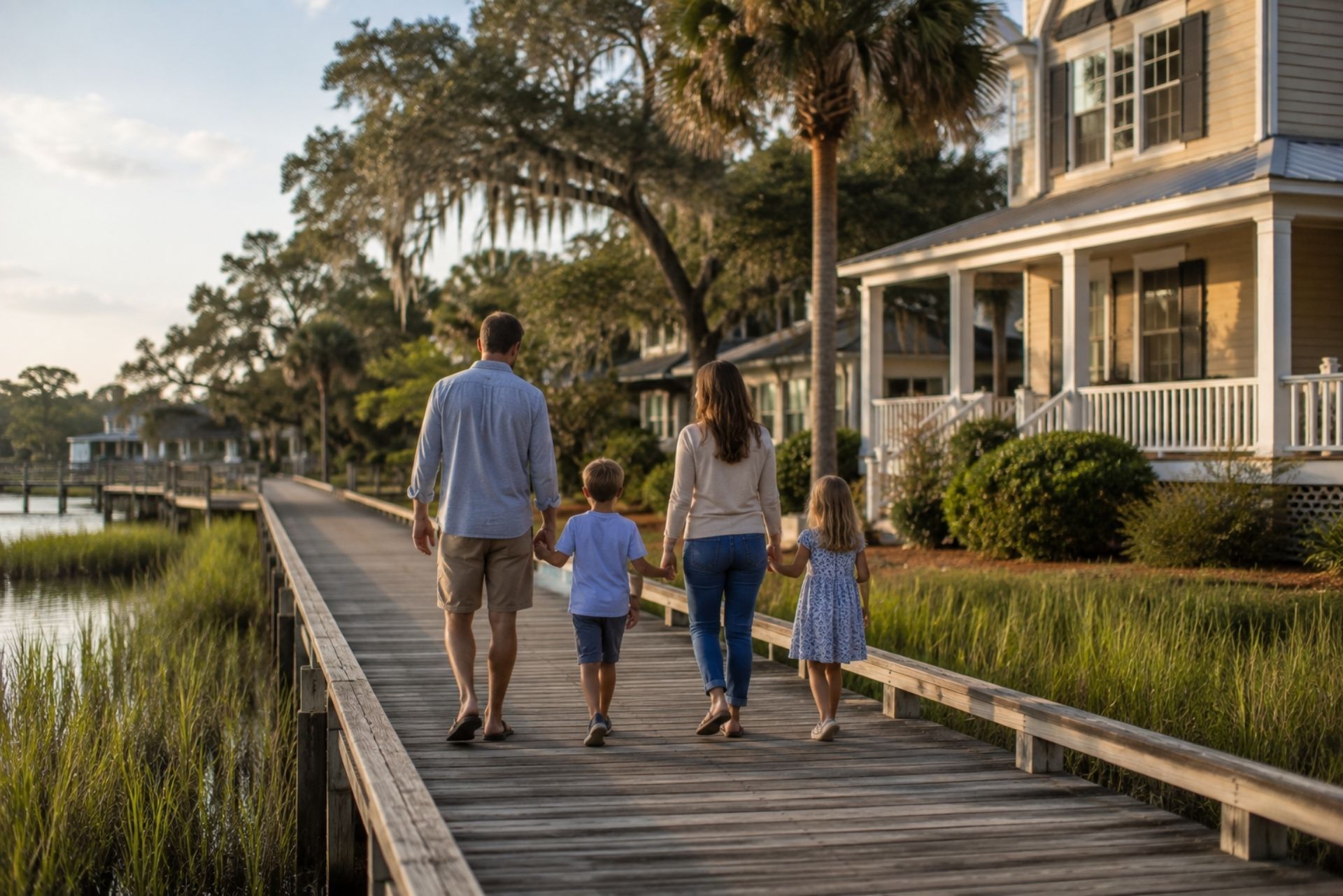
Your house is likely your largest investment. Home insurance helps rebuild after covered damage and protects you from liability.
Auto
South Carolina drivers need real protection. Auto coverage handles liability, collision, medical costs, and uninsured drivers.
Umbrella
When a serious claim climbs past your home or auto limits, umbrella coverage adds an extra layer of liability protection.
Boat
Time on the water should be worry-free. Boat coverage protects your vessel, your passengers, and your liability on the lake or coast.
Motorcycle
Riders need coverage built for the road. Motorcycle insurance protects your bike, your gear, and you after an accident.
Condo
Your association covers the building, but not what’s inside. Condo insurance protects your belongings, improvements, and liability.
We compare several carriers to find a policy that fits you, not one company's products.
◆
80+ years local experience


1939
Serving SC

Insurance Sales
J. Roger Jordan, CIC
[CONFIRM bio]
Boat
Your association covers the building, but not what’s inside. Condo insurance protects your belongings, improvements, and liability.
Time on the water should be worry-free. Boat coverage protects your vessel, your passengers, and your liability on the lake or coast.
Condo
Motorcycle
Riders need coverage built for the road. Motorcycle insurance protects your bike, your gear, and you after an accident.
Industries We Serve
Specialized coverage for your industry.
Every industry carries its own risk. We help South Carolina businesses protect what they've built.

Restaurants
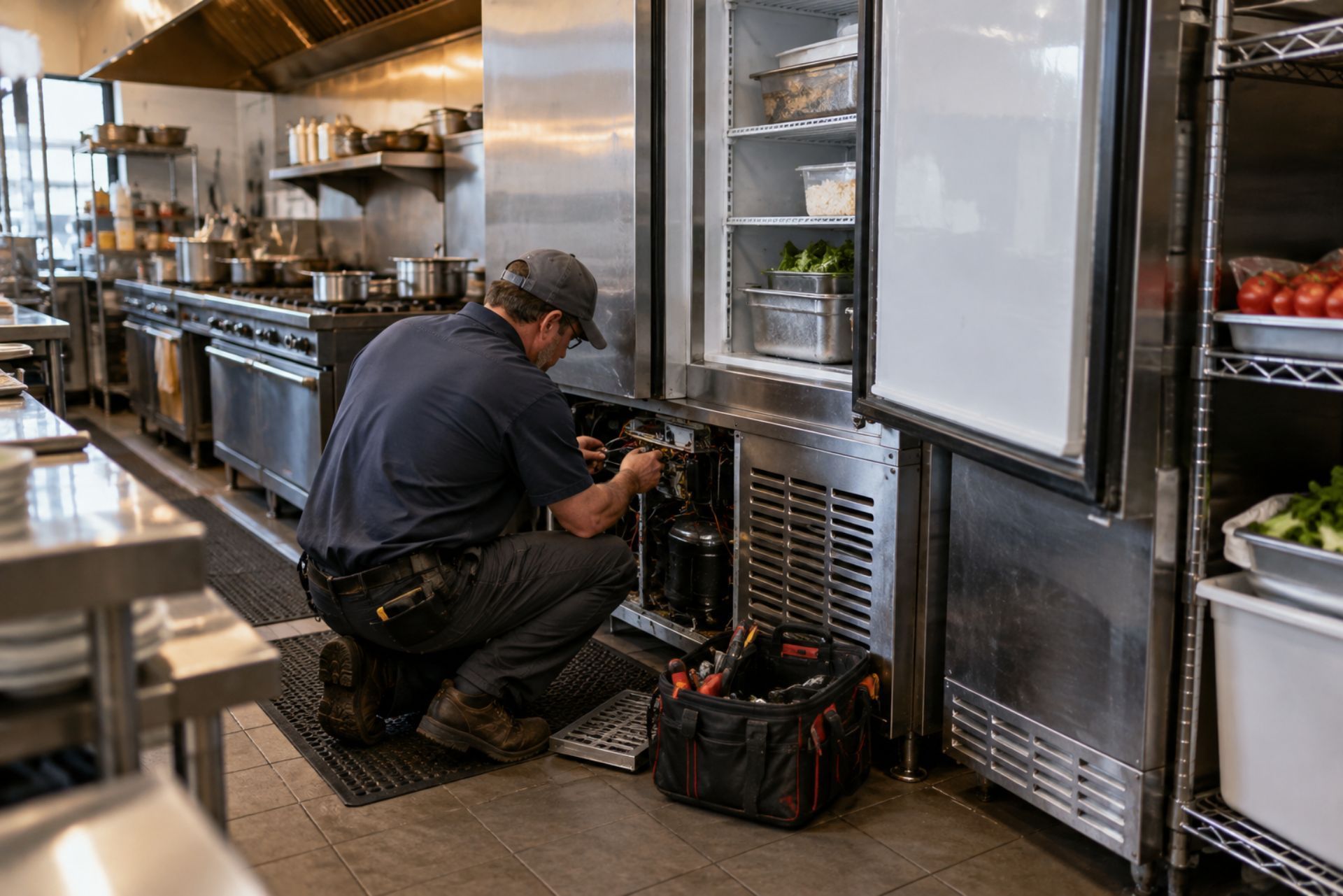
Kitchens, customers, and staff create daily exposure. We protect your property, equipment, liquor liability, and employees.

Manufacturers
From equipment breakdown to product liability, manufacturers face risk on the floor and beyond. We help cover property, machinery, and goods.

Healthcare Providers
Practices and clinics carry patient, property, and professional risk. We help cover liability, equipment, and the people who run your practice.
We compare several carriers to find a policy that fits you, not one company's products.
◆
80+ years local experience


1939
Serving SC

Commercial Property
Protect the building, equipment, and inventory your business runs on, so a covered fire, theft, or storm doesn’t become a closed door.
Commercial Auto
Cars, trucks, and fleets used for work need more than a personal policy. This handles liability, damage, and your drivers.
How It Works
Getting covered is simple.
Four steps, one real person from start to finish.
We compare carriers
We shop options across our carriers to find strong protection at a fair price.
We compare several carriers to find a policy that fits you, not one company's products.
Multi-carrier choice
Claims advocacy
When a claim happens, we stand in your corner and help move it forward with your carrier.
Local SC roots
We live and work in Florence and understand the risks your community faces because we face them too.
Client Reviews
Why clients choose CSP.
Independent advice, real people, and decades of local roots.
We compare several carriers to find a policy that fits you, not one company's products.
◆
80+ years local experience


1939
Serving SC

Insurance Sales
J. Roger Jordan, CIC
[CONFIRM bio]
Boat
Your association covers the building, but not what’s inside. Condo insurance protects your belongings, improvements, and liability.
Time on the water should be worry-free. Boat coverage protects your vessel, your passengers, and your liability on the lake or coast.
Condo
Motorcycle
Riders need coverage built for the road. Motorcycle insurance protects your bike, your gear, and you after an accident.
FAQs
Questions, answered.
Straight answers about working with an independent agency.

What does an independent insurance agency do?
An independent agency represents several carriers instead of one. We compare coverage and pricing across companies, then recommend the policy that fits you best.
Do you cover both personal and business insurance?
Yes. CSP writes personal lines like home and auto, and commercial lines for businesses across South Carolina.
How long has CSP been in business?
CSP traces its roots to 1939, with more than 80 years serving South Carolina families and businesses.
Will I work with a real person?
Always. No call centers and no chatbots — you work with a local team member who knows your account.
Which areas do you serve?
We’re based in Florence and serve clients statewide, including Myrtle Beach, Rock Hill, and Columbia.
How do I get a quote?
Request a quote online, call us, or stop by the office. A real person will review your needs and follow up.
How It Works
Insurance tips & updates.
Plain-language guidance to help you make confident decisions.
We compare several carriers to find a policy that fits you, not one company's products.
◆
80+ years local experience


1939
Serving SC

Insurance Sales
J. Roger Jordan, CIC
[CONFIRM bio]
Boat
Your association covers the building, but not what’s inside. Condo insurance protects your belongings, improvements, and liability.
Time on the water should be worry-free. Boat coverage protects your vessel, your passengers, and your liability on the lake or coast.
Condo
Motorcycle
Riders need coverage built for the road. Motorcycle insurance protects your bike, your gear, and you after an accident.

Get a Quote
Let's find your coverage.
Tell us a little about what you need to protect. A real person from our Florence team will review it and follow up.
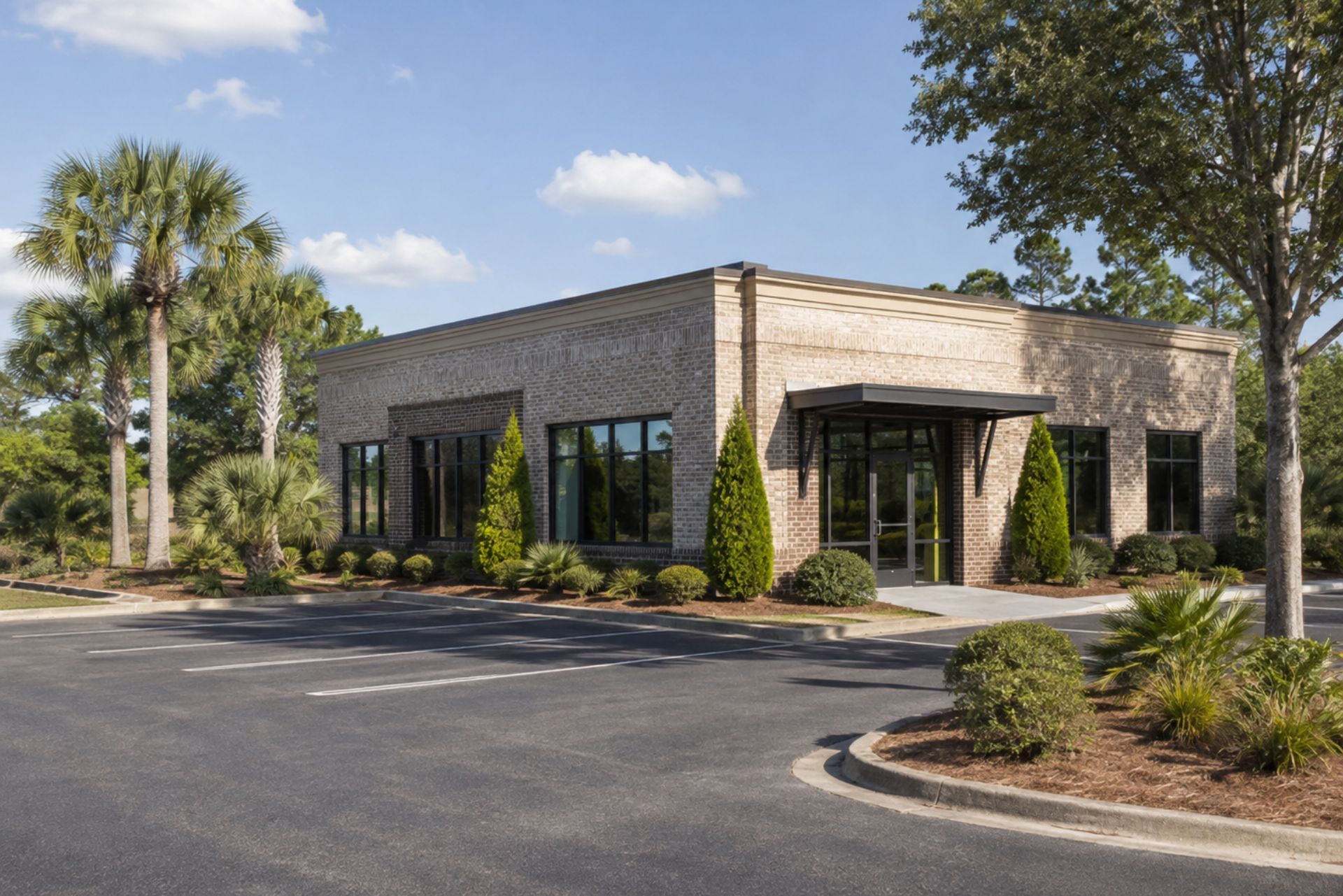
2420 Hoffmeyer Road, Suite D
Florence, SC 29501
Mon–Fri 8:30am – 5:00pm