

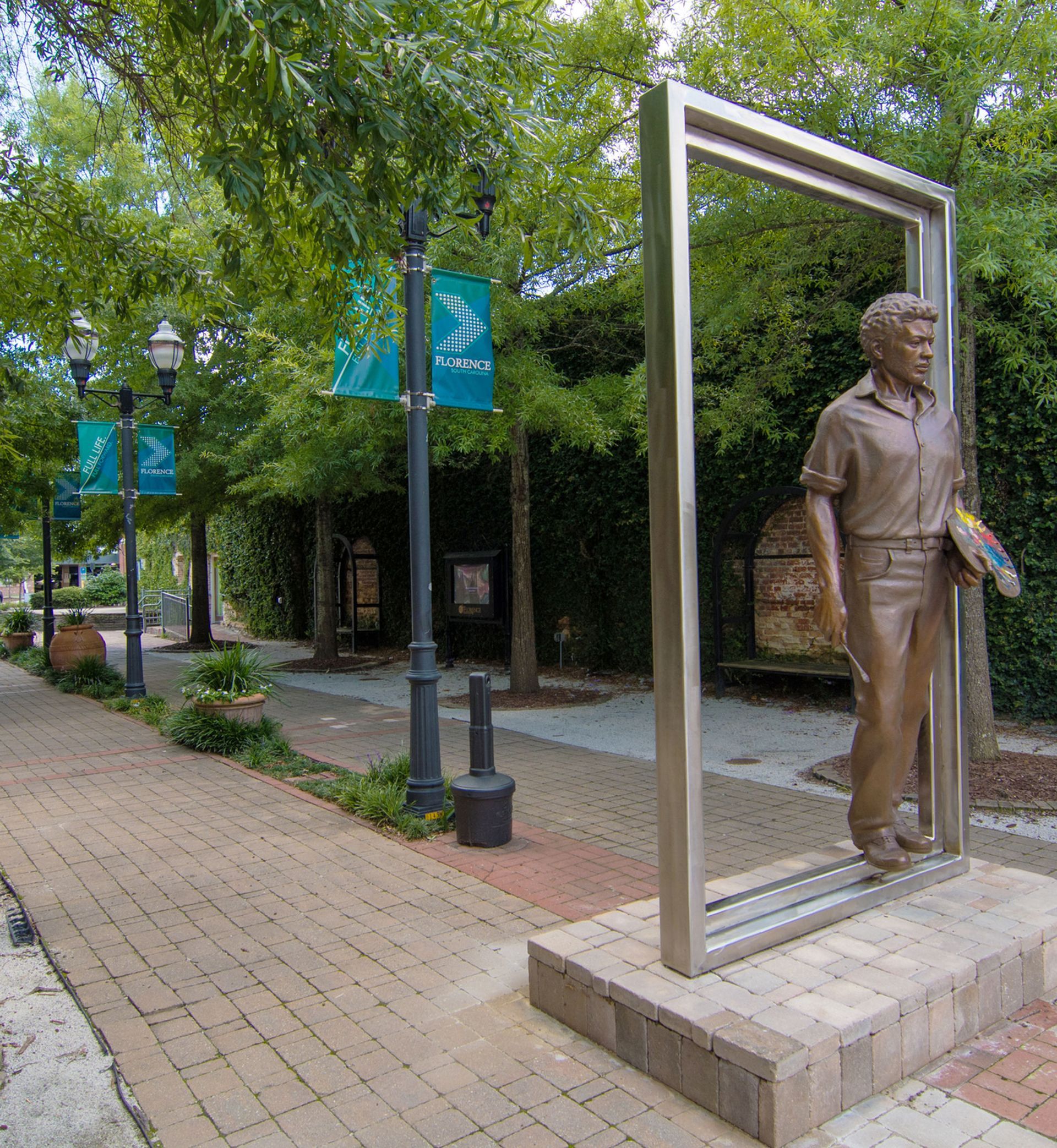
CSP Insurance Services was founded in 1939, when Clifford Cormell joined Earnest Streett to sell insurance in Florence. More than 80 years later, we still answer the phone ourselves. No call centers, no chatbots — just a local team that knows your name and your policy.
We compare several carriers to find a policy that fits you, not one company's products.
◆
80+ years local experience
Hospital bills, treatment, and prescriptions for a work-related injury or illness.
Medical expenses
Claims history
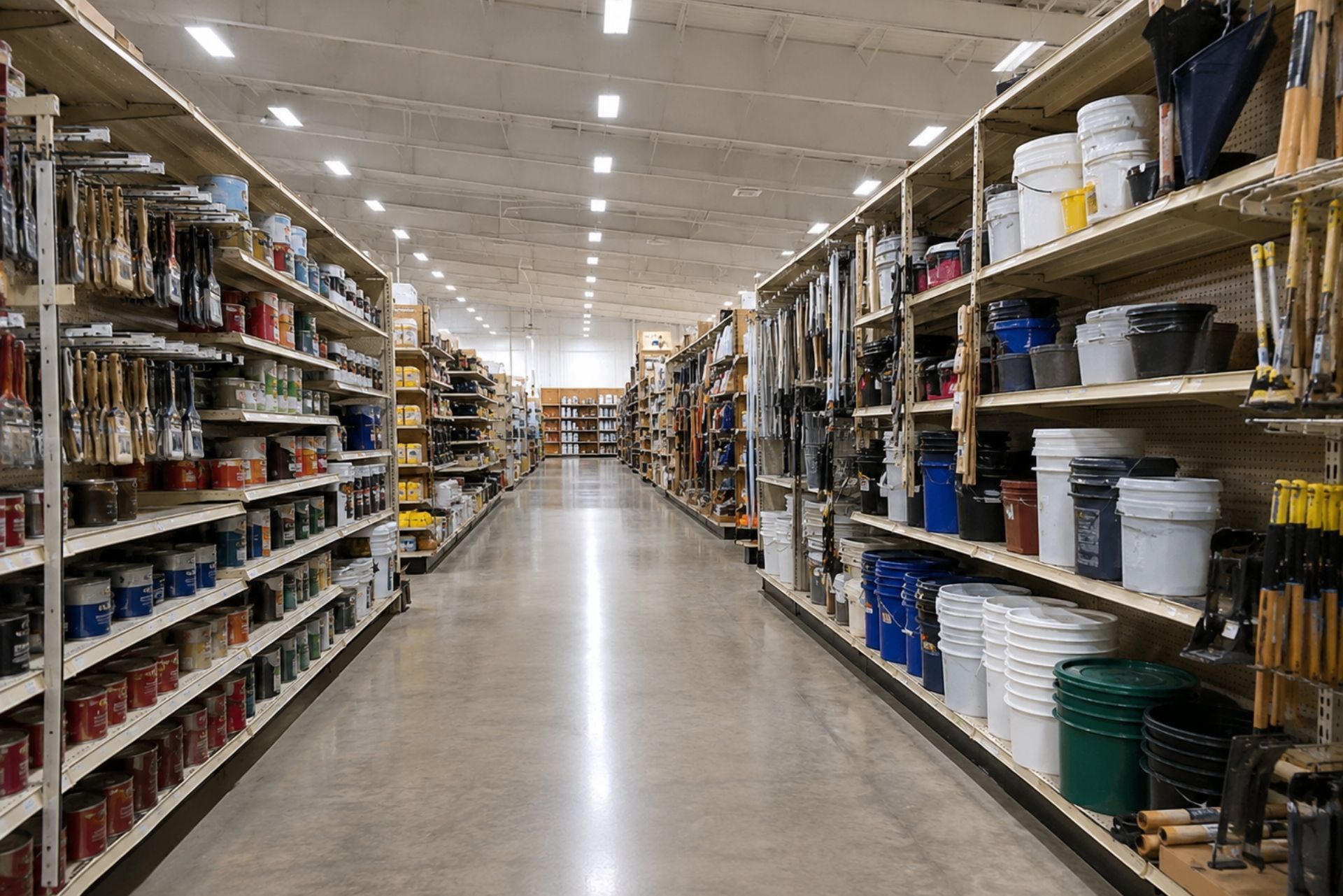
A single slip-and-fall on a wet floor near the paint aisle can cost a hardware store owner $30,000 or more in medical bills and legal fees before anyone even files a lawsuit. Toss in a delivery truck fender-bender, an employee back injury from lifting bags of concrete, or a defective power tool that hurts a customer, and you're looking at the kind of financial exposure that can sink a small business in a matter of months.
Hardware store insurance isn't a single policy: it's a layered system of coverages designed to protect against the specific risks that come with selling heavy merchandise, operating delivery vehicles, renting out equipment, and employing workers who handle physically demanding tasks every day. Getting the right combination of general liability, workers compensation, commercial auto, and industry-specific policies is the difference between surviving a bad claim and closing your doors.
This guide breaks down each coverage type, explains what hardware stores actually need versus what they can skip, and highlights the gaps that catch most owners off guard. Whether you run a single location in Florence or manage multiple stores across South Carolina, the goal here is to help you build a protection plan that fits your operation without overpaying for coverage you'll never use.
Essential Insurance Coverages for Hardware Store Owners
Every hardware store shares a core set of risks: customers walking through aisles stacked with heavy products, expensive inventory that can be damaged by fire or storms, and the constant foot traffic that makes slip-and-fall claims almost inevitable. The policies below form the foundation of any solid insurance program for this industry.
General Liability for Customer Injuries and Property Damage
General liability (GL) is your first line of defense against third-party claims. If a customer trips over a pallet of lumber, gets hit by falling merchandise, or slips on a freshly mopped floor, your GL policy covers their medical expenses and your legal costs. It also covers property damage you cause to others: say your employee accidentally damages a customer's vehicle while loading materials.
For most hardware stores, GL premiums depend on factors like square footage, annual revenue, and claims history. A store doing $1.5 million in annual sales in Columbia, SC, might pay between $1,200 and $3,500 per year for a standard GL policy with $1 million per-occurrence limits. One thing to keep in mind: GL does not cover injuries to your own employees. That's what workers comp handles.
Commercial Property Coverage for Inventory and Equipment
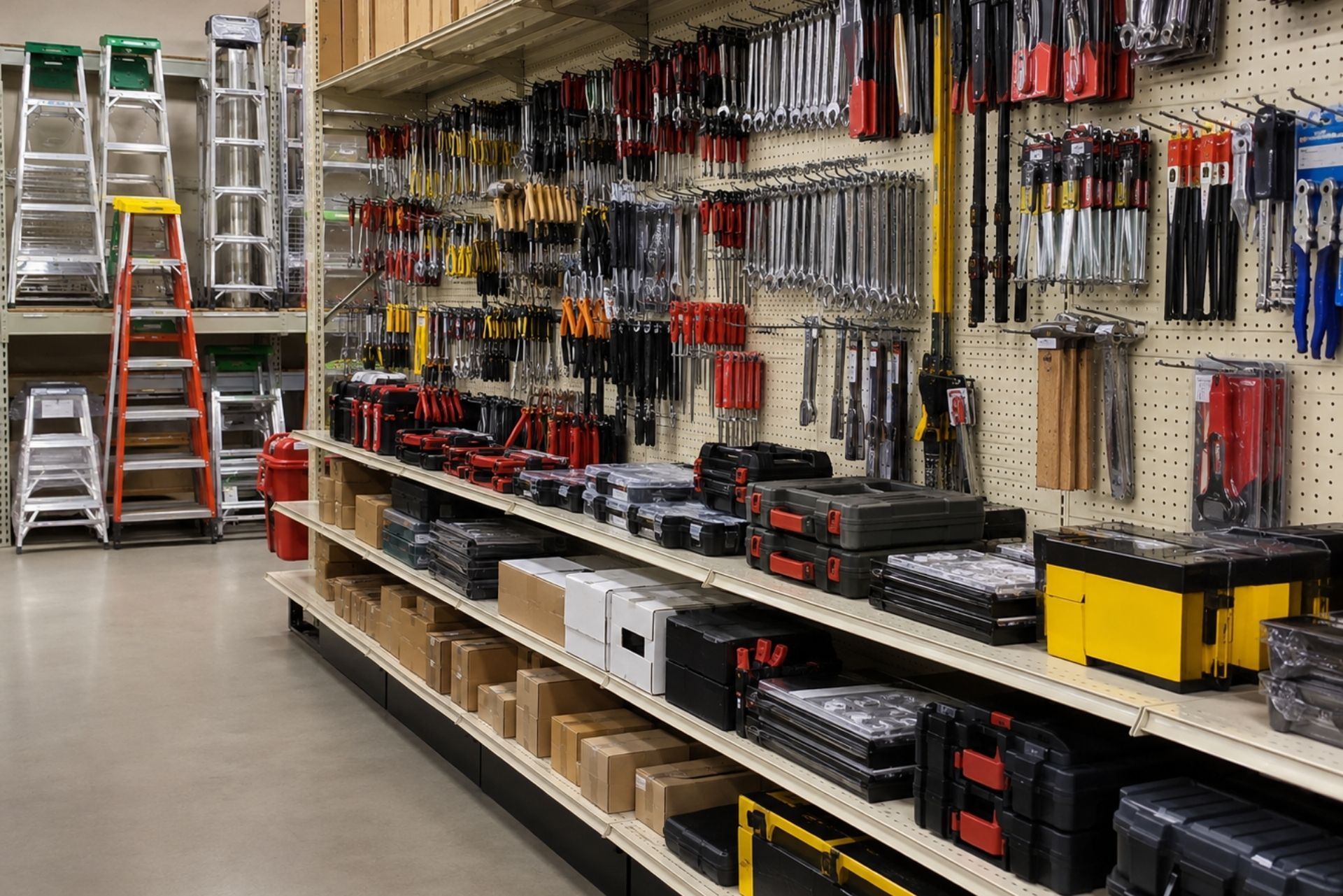
Hardware stores carry a lot of inventory relative to their size. Between power tools, plumbing supplies, paint, fasteners, and seasonal stock, a mid-sized store can easily have $200,000 to $500,000 in merchandise on the floor and in the back room at any given time.
Commercial property insurance covers your building (if you own it), inventory, shelving, point-of-sale systems, and other business equipment against fire, theft, vandalism, and certain weather events. South Carolina store owners need to pay special attention to wind and hail coverage, especially in coastal areas like Myrtle Beach where hurricane exposure is a real concern. Standard commercial property policies often exclude flood damage, so a separate flood policy through the NFIP or a private carrier is worth investigating if you're in a FEMA-designated flood zone.
Business Owners Policy (BOP) as a Cost-Saving Bundle
A BOP bundles general liability and commercial property coverage into a single policy, usually at a 10-20% discount compared to buying each separately. For smaller hardware stores with straightforward operations, a BOP is often the most cost-effective starting point.
Most BOPs also include business interruption coverage, which pays for lost income if you have to close temporarily due to a covered event like a fire. That said, BOPs have limits. They typically cap out at certain revenue thresholds and may not offer enough coverage for stores with large inventories or complex operations. A store with annual revenue above $3 million or significant delivery operations will likely need standalone policies instead. An independent agency like CSP Insurance Services can compare BOP options from multiple carriers to find the right fit for your store's size and risk profile.


Your CSP agent
Lawson Walker, CIC
Insurance Sales
On this page
CSP Insurance Services is a fully licensed independent insurance agency serving individuals, families, and businesses across South Carolina.
From our home in Florence, we proudly serve clients in Florence, Myrtle Beach, Rock Hill, Columbia, and communities throughout South Carolina. As an independent Trusted Choice agency, our team works with a wide range of top-rated carriers to provide personal and commercial coverage — home, auto, business, life, and more — tailored to the real needs of the people and businesses we protect.
Boat and Watercraft Coverage for Weekend Adventures
Your homeowners policy might cover a small kayak or canoe, but anything with a motor typically needs its own policy. Boat insurance covers physical damage to the vessel, liability for injuries or property damage you cause on the water, and sometimes towing and salvage costs.
Lake-specific risks differ from coastal ones. A boat kept at Myrtle Beach faces saltwater corrosion, hurricane exposure, and higher theft rates than one stored at a private dock on Lake Wateree. Your policy should reflect where you keep and operate the boat. An independent agency like CSP Insurance Services can compare quotes across multiple marine carriers to find coverage that actually matches your boating habits rather than forcing you into a one-size-fits-all plan.
| Feature | Admitted (Standard) Carriers | Non-Admitted (E&S) Carriers |
|---|---|---|
| State regulation | Fully regulated; rates filed with state | Exempt from rate filing; flexible pricing |
| Guaranty fund protection | Yes: state fund covers claims if carrier fails | No: no guaranty fund backstop |
| Policy forms | Standardized (ISO forms common) | Manuscript or custom forms |
| Risk appetite | Prefers low-to-moderate risk | Accepts high-risk and unusual exposures |
| Premium cost | Generally lower | Typically 20-75% higher |
| Surplus lines tax | Not applicable | Buyer pays state surplus lines tax (varies 2-5%) |
| Speed of placement | Standard timelines | Can be faster or slower depending on complexity |
Medical Payments and Personal Injury Protection

Medical payments coverage (MedPay) pays for medical bills for you and your passengers after an accident, regardless of who caused it. South Carolina doesn't require PIP (personal injury protection), but MedPay is a practical alternative that covers immediate medical costs without waiting for fault to be determined. If you regularly travel with family or friends, carrying $10,000 to $25,000 in MedPay is a reasonable baseline.
Protecting Your Team and Fleet
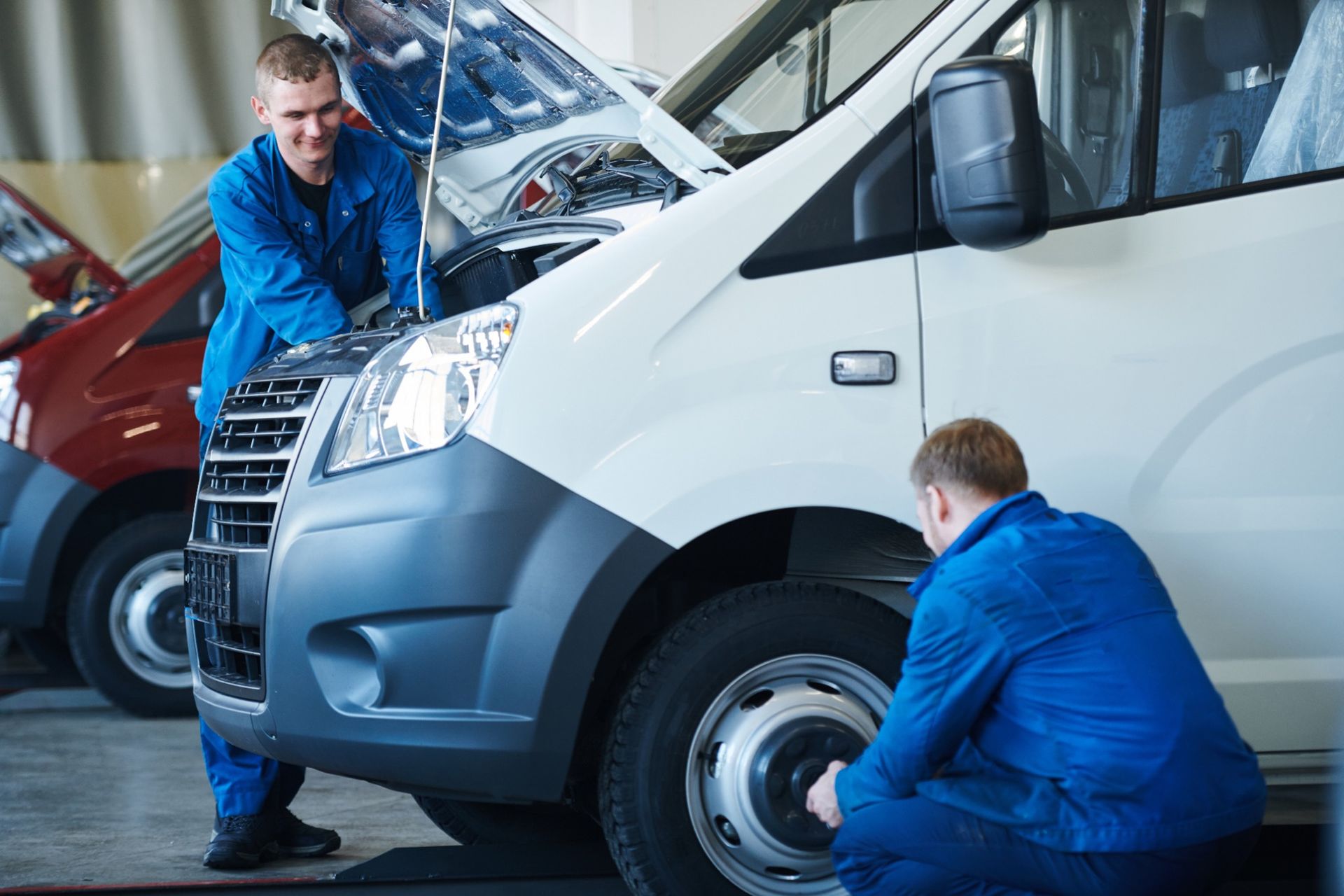
Hardware stores are physical businesses. Your employees lift heavy bags of concrete mix, operate forklifts, cut glass and pipe, and handle hazardous materials like solvents and fertilizers. If you also run delivery trucks, the risk profile expands significantly.
Workers Compensation for Physical Labor and Lifting Risks
South Carolina requires workers compensation insurance for any business with four or more employees. Even if you're under that threshold, carrying it voluntarily is smart: a single back injury from lifting a 94-pound bag of cement can result in $50,000 or more in medical bills and lost wages.
Workers comp covers medical treatment, rehabilitation, and a portion of lost wages for employees injured on the job. Hardware store workers face above-average injury rates due to the physical nature of the work: repetitive lifting, box cutter lacerations, forklift incidents, and exposure to chemicals are all common claim types. Your premium is based on your payroll, the classification codes assigned to your workers, and your experience modification rate (mod rate). Stores with strong safety programs and few claims can see their mod rate drop below 1.0, which directly reduces premiums.
Commercial Auto Insurance for Delivery Trucks and Vans
If your store delivers lumber, appliances, or bulk materials, you need commercial auto insurance. Personal auto policies explicitly exclude vehicles used for business purposes, so driving a store-owned truck without commercial coverage means you're completely exposed.
Commercial auto rates for delivery vehicles average $163 per month in 2026, driven largely by the high cost of repairing advanced vehicle sensors and cameras built into newer trucks. For a store running two or three delivery vehicles in the Rock Hill or Columbia area, that's roughly $6,000 per year. South Carolina's minimum auto liability limits are 25/50/25 ($25,000 per person, $50,000 per accident for bodily injury, $25,000 for property damage), but most commercial policies should carry much higher limits: $500,000 or $1 million combined single limit is standard for businesses. Don't forget hired and non-owned auto coverage if employees ever use their personal vehicles for store errands.

Most South Carolina small businesses land on Silver or Gold plans. Bronze works well when paired with employer HSA contributions, while Platinum plans are typically reserved for businesses competing for top talent in industries like healthcare or tech.
Industry-Specific Risks and Specialized Policies
Beyond the standard coverages, hardware stores face risks that most retail businesses don't. Renting out equipment, stocking products with lithium batteries, and transporting goods between locations all create exposures that require specialized policies.
Product Liability for Tools and Rental Equipment
If you sell a circular saw that malfunctions and injures a customer, the manufacturer bears primary liability: but the retailer can be named in the lawsuit too. Product liability coverage protects you against claims arising from defective products you sell or rent.
Rental equipment is a particularly hot area for claims. Stores that rent out tile saws, pressure washers, or nail guns take on significant exposure because they can't control how customers use the equipment. A bailee's customer insurance policy can also protect property belonging to customers that's temporarily in your care, such as tools left for repair or sharpening. Stores stocking items with lithium-ion batteries, from cordless drills to portable power stations, face elevated fire and explosion risks during storage and shipping that should be disclosed to your insurer.
Inland Marine Insurance for Goods in Transit
The name is misleading: inland marine insurance has nothing to do with boats. It covers property that moves between locations or is temporarily stored off-site. For hardware stores, this matters when you're transporting inventory from a warehouse to your retail location, delivering materials to job sites, or storing seasonal stock in a rented unit.
Standard commercial property policies typically only cover items at the address listed on the policy. Once that inventory is loaded onto a truck, inland marine coverage fills the gap. If your store regularly moves $10,000 or more in merchandise between locations, this coverage is worth the relatively modest premium, usually a few hundred dollars per year. Some policies also cover tools and equipment at temporary job sites, which is useful if your team does on-site installations.
Boat and Watercraft Coverage for Weekend Adventures
Your homeowners policy might cover a small kayak or canoe, but anything with a motor typically needs its own policy. Boat insurance covers physical damage to the vessel, liability for injuries or property damage you cause on the water, and sometimes towing and salvage costs.
Lake-specific risks differ from coastal ones. A boat kept at Myrtle Beach faces saltwater corrosion, hurricane exposure, and higher theft rates than one stored at a private dock on Lake Wateree. Your policy should reflect where you keep and operate the boat. An independent agency like CSP Insurance Services can compare quotes across multiple marine carriers to find coverage that actually matches your boating habits rather than forcing you into a one-size-fits-all plan.
Boat and Watercraft Coverage for Weekend Adventures
Your homeowners policy might cover a small kayak or canoe, but anything with a motor typically needs its own policy. Boat insurance covers physical damage to the vessel, liability for injuries or property damage you cause on the water, and sometimes towing and salvage costs.
Lake-specific risks differ from coastal ones. A boat kept at Myrtle Beach faces saltwater corrosion, hurricane exposure, and higher theft rates than one stored at a private dock on Lake Wateree. Your policy should reflect where you keep and operate the boat. An independent agency like CSP Insurance Services can compare quotes across multiple marine carriers to find coverage that actually matches your boating habits rather than forcing you into a one-size-fits-all plan.
| Feature | Admitted (Standard) Carriers | Non-Admitted (E&S) Carriers |
|---|---|---|
| State regulation | Fully regulated; rates filed with state | Exempt from rate filing; flexible pricing |
| Guaranty fund protection | Yes: state fund covers claims if carrier fails | No: no guaranty fund backstop |
| Policy forms | Standardized (ISO forms common) | Manuscript or custom forms |
| Risk appetite | Prefers low-to-moderate risk | Accepts high-risk and unusual exposures |
| Premium cost | Generally lower | Typically 20-75% higher |
| Surplus lines tax | Not applicable | Buyer pays state surplus lines tax (varies 2-5%) |
| Speed of placement | Standard timelines | Can be faster or slower depending on complexity |
Comparing Coverage Needs: Basic vs. Comprehensive
Not every hardware store needs every policy. A small shop with three employees and no delivery vehicles has a very different risk profile than a multi-location operation with 25 workers and a fleet of trucks. Here's how the coverage needs typically break down:
| Coverage Type | Basic (Small Store) | Comprehensive (Multi-Location) |
|---|---|---|
| General Liability | Required | Required |
| Commercial Property | Required | Required |
| BOP | Good fit | May need standalone policies |
| Workers Comp | Required if 4+ employees in SC | Required |
| Commercial Auto | Only if delivering | Required for fleet |
| Product Liability | Recommended | Required |
| Inland Marine | Rarely needed | Strongly recommended |
| Umbrella/Excess | Optional | Strongly recommended |
| Cyber Liability | Optional | Recommended |
An umbrella policy deserves a mention here. It sits on top of your GL, auto, and employer's liability limits and kicks in when a claim exceeds those underlying limits. For a store with delivery operations and rental equipment, a $1 million umbrella policy might cost $500 to $1,500 per year: cheap peace of mind. A small business insurance checklist can help you identify coverages you might be overlooking.
Specialty Lines: Flood, Earthquake, and Valuable Items
Flood insurance is a separate policy, typically written through FEMA's National Flood Insurance Program or a private carrier. If your home sits in a designated flood zone anywhere along the SC coast or near inland rivers, your mortgage lender will require it. But even homes outside mapped flood zones can flood: roughly 25% of flood claims come from properties in low-to-moderate risk areas.
Earthquake coverage is less common in South Carolina, but the state sits near the Charleston fault zone, which produced a magnitude 7.3 quake in 1886. A rider or standalone earthquake policy is worth considering if you're in the Lowcountry.
Scheduled personal property endorsements cover high-value items like jewelry, art, firearms, or musical instruments that exceed standard policy sub-limits. Most homeowners policies cap jewelry coverage at $1,500-$2,500 per item. If your engagement ring is worth $8,000, you need a scheduled endorsement or inland marine floater to cover the difference.
Common Questions About Hardware Store Insurance
How much does insurance for a hardware store typically cost? Total annual premiums for a small to mid-sized hardware store usually fall between $5,000 and $15,000, depending on revenue, employee count, location, and coverage limits. Stores with delivery fleets or rental programs pay more.
Does my general liability policy cover products I sell? Most GL policies include some product liability coverage, but the limits may not be sufficient for a store selling power tools and heavy equipment. Ask your agent whether your GL product liability sub-limit is adequate or if you need a standalone product liability policy.
Do I need commercial auto insurance if I only make occasional deliveries? Yes. Even one delivery per week in a store-owned vehicle requires commercial auto coverage. Personal auto policies won't pay claims that arise during business use, period.
What's the difference between a BOP and buying policies separately? A BOP bundles GL and property coverage at a discount but may have coverage caps that don't work for larger operations. Standalone policies offer more flexibility and higher limits.
Is flood insurance included in my commercial property policy? Almost never. Flood damage requires a separate policy, which is especially important for stores in South Carolina's coastal and low-lying areas.
What happens if an employee gets hurt and I don't have workers comp? In South Carolina, operating without required workers comp coverage can result in fines, a stop-work order, and personal liability for the employee's medical bills and lost wages. It's not worth the risk.
Boat and Watercraft Coverage for Weekend Adventures
Your homeowners policy might cover a small kayak or canoe, but anything with a motor typically needs its own policy. Boat insurance covers physical damage to the vessel, liability for injuries or property damage you cause on the water, and sometimes towing and salvage costs.
Lake-specific risks differ from coastal ones. A boat kept at Myrtle Beach faces saltwater corrosion, hurricane exposure, and higher theft rates than one stored at a private dock on Lake Wateree. Your policy should reflect where you keep and operate the boat. An independent agency like CSP Insurance Services can compare quotes across multiple marine carriers to find coverage that actually matches your boating habits rather than forcing you into a one-size-fits-all plan.
Boat and Watercraft Coverage for Weekend Adventures
Your homeowners policy might cover a small kayak or canoe, but anything with a motor typically needs its own policy. Boat insurance covers physical damage to the vessel, liability for injuries or property damage you cause on the water, and sometimes towing and salvage costs.
Lake-specific risks differ from coastal ones. A boat kept at Myrtle Beach faces saltwater corrosion, hurricane exposure, and higher theft rates than one stored at a private dock on Lake Wateree. Your policy should reflect where you keep and operate the boat. An independent agency like CSP Insurance Services can compare quotes across multiple marine carriers to find coverage that actually matches your boating habits rather than forcing you into a one-size-fits-all plan.
| Feature | Admitted (Standard) Carriers | Non-Admitted (E&S) Carriers |
|---|---|---|
| State regulation | Fully regulated; rates filed with state | Exempt from rate filing; flexible pricing |
| Guaranty fund protection | Yes: state fund covers claims if carrier fails | No: no guaranty fund backstop |
| Policy forms | Standardized (ISO forms common) | Manuscript or custom forms |
| Risk appetite | Prefers low-to-moderate risk | Accepts high-risk and unusual exposures |
| Premium cost | Generally lower | Typically 20-75% higher |
| Surplus lines tax | Not applicable | Buyer pays state surplus lines tax (varies 2-5%) |
| Speed of placement | Standard timelines | Can be faster or slower depending on complexity |
FAQ: Do I need special insurance for a rental RV?
Yes. If you're renting an RV from a peer-to-peer platform, the rental company usually offers insurance, but read the fine print carefully. Your personal auto policy almost certainly won't cover a rented motorhome. If you're renting out your own RV, you'll need a commercial or rental-specific endorsement on your policy.
The Bottom Line for Your Business
Running a hardware store means managing a unique mix of physical, product, and operational risks that most standard retail policies don't fully address. The right insurance program layers general liability, property coverage, workers comp, and commercial auto with specialized policies like product liability and inland marine to close the gaps that lead to devastating out-of-pocket losses.
The most common mistake hardware store owners make is buying the cheapest policy available without understanding what's excluded. A $500 savings on premium means nothing when a $200,000 claim gets denied because your goods-in-transit weren't covered. Working with an independent agency like CSP Insurance Services gives you access to multiple carriers and an objective comparison of your options, something a single-carrier agent simply can't provide.
If you're unsure whether your current coverage matches your actual risk exposure, now is a good time to find out. Request a quote from CSP's team to get a side-by-side look at what you have versus what you need: no call centers, no chatbots, just a direct conversation with someone who understands South Carolina's insurance market.
About the author
Lawson Walker, CIC
I'm proud to be part of an agency that's served Florence since 1939. CSP Insurance Services started as Cormell-Streett & Patterson, built by people who believed insurance should be personal — and more than eight decades later, that conviction still drives everything we do. Commitment, Service, Protection isn't just what CSP stands for; it's how I approach every client relationship.
As an independent, Trusted Choice agency, we aren't tied to any single carrier. That means I work for you — shopping multiple companies to match you with coverage that actually fits your family, your business, and your budget. No call centers, no chatbots. Just a local expert who takes the time to understand what matters to you and stands by you when it counts.
Whether you're protecting your home, your car, or a business you've spent years building, I'd be glad to help you find the right coverage.
We compare several carriers to find a policy that fits you, not one company's products.
◆
80+ years local experience

1939
Serving SC

Most Requested
Core business coverage.
The policies most South Carolina businesses start with.

Commercial Property
Protect the building, equipment, and inventory your business runs on, so a covered fire, theft, or storm doesn’t become a closed door.

Workers Compensation
Required for most South Carolina employers with staff. It covers medical bills and lost wages when an employee is hurt on the job.

Commercial Auto
Cars, trucks, and fleets used for work need more than a personal policy. This handles liability, damage, and your drivers.

General Liability
Accidents happen on the job and on your property. General liability covers third-party injury and property damage claims against your business.

Inland Marine
Tools, equipment, and goods on the move aren’t covered by standard property policies. Inland marine protects them wherever they travel.

Business Owners (BOP)
A business owners policy bundles property and liability coverage into one package, often at a better price for small businesses.
We compare several carriers to find a policy that fits you, not one company's products.
◆
80+ years local experience


1939
Serving SC

Insurance Sales
J. Roger Jordan, CIC
[CONFIRM bio]
Personal Insurance
Coverage for your home, vehicles, and family.
Protect what matters most with personal policies shopped across our carriers.
Home
Your house is likely your largest investment. Home insurance helps rebuild after covered damage and protects you from liability.
Auto
South Carolina drivers need real protection. Auto coverage handles liability, collision, medical costs, and uninsured drivers.
Umbrella
When a serious claim climbs past your home or auto limits, umbrella coverage adds an extra layer of liability protection.
Boat
Time on the water should be worry-free. Boat coverage protects your vessel, your passengers, and your liability on the lake or coast.
Motorcycle
Riders need coverage built for the road. Motorcycle insurance protects your bike, your gear, and you after an accident.
Condo
Your association covers the building, but not what’s inside. Condo insurance protects your belongings, improvements, and liability.
We compare several carriers to find a policy that fits you, not one company's products.
◆
80+ years local experience


1939
Serving SC
Insurance Sales
J. Roger Jordan, CIC
[CONFIRM bio]
Boat
Your association covers the building, but not what’s inside. Condo insurance protects your belongings, improvements, and liability.
Time on the water should be worry-free. Boat coverage protects your vessel, your passengers, and your liability on the lake or coast.
Condo
Motorcycle
Riders need coverage built for the road. Motorcycle insurance protects your bike, your gear, and you after an accident.
Industries We Serve
Specialized coverage for your industry.
Every industry carries its own risk. We help South Carolina businesses protect what they've built.

Restaurants
Kitchens, customers, and staff create daily exposure. We protect your property, equipment, liquor liability, and employees.

Manufacturers
From equipment breakdown to product liability, manufacturers face risk on the floor and beyond. We help cover property, machinery, and goods.

Healthcare Providers
Practices and clinics carry patient, property, and professional risk. We help cover liability, equipment, and the people who run your practice.
We compare several carriers to find a policy that fits you, not one company's products.
◆
80+ years local experience


1939
Serving SC

Commercial Property
Protect the building, equipment, and inventory your business runs on, so a covered fire, theft, or storm doesn’t become a closed door.
Commercial Auto
Cars, trucks, and fleets used for work need more than a personal policy. This handles liability, damage, and your drivers.
How It Works
Getting covered is simple.
Four steps, one real person from start to finish.
We compare carriers
We shop options across our carriers to find strong protection at a fair price.
We compare several carriers to find a policy that fits you, not one company's products.
Multi-carrier choice
Claims advocacy
When a claim happens, we stand in your corner and help move it forward with your carrier.
Local SC roots
We live and work in Florence and understand the risks your community faces because we face them too.
Client Reviews
Why clients choose CSP.
Independent advice, real people, and decades of local roots.
We compare several carriers to find a policy that fits you, not one company's products.
◆
80+ years local experience


1939
Serving SC

Insurance Sales
J. Roger Jordan, CIC
[CONFIRM bio]
Boat
Your association covers the building, but not what’s inside. Condo insurance protects your belongings, improvements, and liability.
Time on the water should be worry-free. Boat coverage protects your vessel, your passengers, and your liability on the lake or coast.
Condo
Motorcycle
Riders need coverage built for the road. Motorcycle insurance protects your bike, your gear, and you after an accident.
FAQs
Questions, answered.
Straight answers about working with an independent agency.

What does an independent insurance agency do?
An independent agency represents several carriers instead of one. We compare coverage and pricing across companies, then recommend the policy that fits you best.
Do you cover both personal and business insurance?
Yes. CSP writes personal lines like home and auto, and commercial lines for businesses across South Carolina.
How long has CSP been in business?
CSP traces its roots to 1939, with more than 80 years serving South Carolina families and businesses.
Will I work with a real person?
Always. No call centers and no chatbots — you work with a local team member who knows your account.
Which areas do you serve?
We’re based in Florence and serve clients statewide, including Myrtle Beach, Rock Hill, and Columbia.
How do I get a quote?
Request a quote online, call us, or stop by the office. A real person will review your needs and follow up.
How It Works
Insurance tips & updates.
Plain-language guidance to help you make confident decisions.
We compare several carriers to find a policy that fits you, not one company's products.
◆
80+ years local experience


1939
Serving SC

Insurance Sales
J. Roger Jordan, CIC
[CONFIRM bio]
Boat
Your association covers the building, but not what’s inside. Condo insurance protects your belongings, improvements, and liability.
Time on the water should be worry-free. Boat coverage protects your vessel, your passengers, and your liability on the lake or coast.
Condo
Motorcycle
Riders need coverage built for the road. Motorcycle insurance protects your bike, your gear, and you after an accident.
Get a Quote
Let's find your coverage.
Tell us a little about what you need to protect. A real person from our Florence team will review it and follow up.
2420 Hoffmeyer Road, Suite D
Florence, SC 29501
Mon–Fri 8:30am – 5:00pm