

Condo Association Insurance

CSP Insurance Services was founded in 1939, when Clifford Cormell joined Earnest Streett to sell insurance in Florence. More than 80 years later, we still answer the phone ourselves. No call centers, no chatbots — just a local team that knows your name and your policy.

We compare several carriers to find a policy that fits you, not one company's products.

80+ years local experience

Hospital bills, treatment, and prescriptions for a work-related injury or illness.

Medical expenses

Claims history

A single water pipe bursts in a shared wall at 2 a.m. on a Tuesday. Within hours, six units have water damage, the hallway carpet is ruined, and the board president's phone is blowing up. Who pays for what? The answer depends almost entirely on the condo association's insurance program, and most boards don't fully understand theirs until a claim like this forces the question.


Condo association insurance isn't a single policy: it's a collection of coverages that protect the building, the people who manage it, and the operations that keep everything running. Getting it right means understanding the difference between a master policy and a unit owner's HO-6, knowing when workers compensation kicks in, and recognizing that board members themselves carry personal liability without the right protections. Premiums across the industry have been climbing fast. Community associations have been experiencing significant insurance premium increases, with 91% reporting hikes over the past year and 17% seeing premiums jump by more than 100%. In South Carolina, coastal wind and hurricane exposure make this picture even more complicated. This guide breaks down every major coverage a condo association needs, from general liability to specialized fidelity bonds, so your board can make informed decisions with real confidence.

Understanding Master Policy Essentials

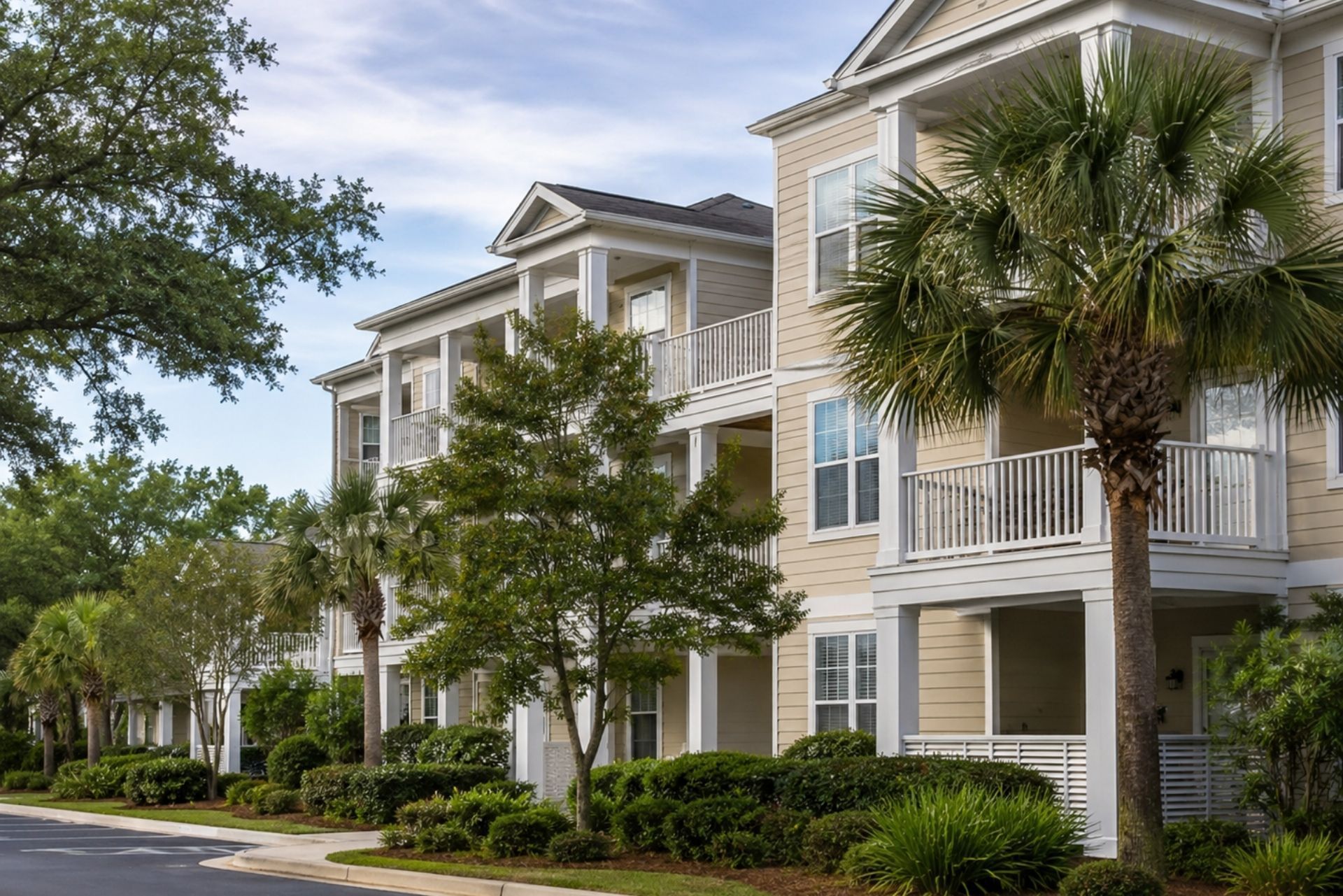
The master policy is the backbone of any condo association's insurance program. It covers the physical structure of the building (or buildings), common areas like lobbies, pools, and parking garages, and the association's liability for injuries or property damage that occur on shared property. Think of it as the umbrella that protects everything the association collectively owns and maintains.


What trips up most boards is the scope of that umbrella. The master policy doesn't cover everything inside every unit, and the exact boundary depends on which type of master policy the association carries. Getting this wrong creates coverage gaps that show up as five-figure surprises during claims.

Bare Walls vs. All-In Coverage

A bare walls policy covers the building's structure: the framing, exterior walls, roof, and permanently installed common elements like elevators and HVAC systems. It stops at the drywall. Anything inside the unit, including flooring, cabinets, fixtures, and appliances, falls on the unit owner's personal policy.


An all-in policy extends coverage to include original fixtures, installations, and improvements within individual units. This means the association's master policy would cover built-in cabinetry, standard flooring, and plumbing fixtures as they were originally installed. Any upgrades or personal property still require the unit owner's HO-6 policy.


South Carolina associations should check their governing documents carefully, because the CC&Rs typically dictate which type of master policy the board must carry. Mismatches between the CC&Rs and the actual policy create ugly disputes after losses.

General Liability for Common Areas

General liability coverage protects the association when someone is injured on common property or when the association's operations cause damage to a third party. A visitor slips on an icy walkway, a child is hurt at the pool, a contractor's equipment damages a neighboring property: these all fall under general liability.


Most associations carry $1 million per occurrence with a $2 million aggregate, though larger communities or those with amenities like fitness centers and playgrounds often need higher limits. An umbrella policy layered on top can extend coverage to $5 million or more for relatively modest additional premium. Given that a single serious slip-and-fall claim can easily reach six figures, skimping here is a bad trade-off.

Your CSP agent

Lawson Walker, CIC

Insurance Sales

CSP Insurance Services is a fully licensed independent insurance agency serving individuals, families, and businesses across South Carolina.

From our home in Florence, we proudly serve clients in Florence, Myrtle Beach, Rock Hill, Columbia, and communities throughout South Carolina. As an independent Trusted Choice agency, our team works with a wide range of top-rated carriers to provide personal and commercial coverage — home, auto, business, life, and more — tailored to the real needs of the people and businesses we protect.

Fine Arts and High-Value Specialized Goods

Galleries, auction houses, and even corporate offices with art collections need specialized coverage. Standard property policies cap fine art at absurdly low limits, sometimes $2,500 per item. A fine arts floater provides agreed-value coverage, meaning you and the insurer agree on the item's worth upfront. If it's damaged or stolen, that's what you get paid.

Boat and Watercraft Coverage for Weekend Adventures

Your homeowners policy might cover a small kayak or canoe, but anything with a motor typically needs its own policy. Boat insurance covers physical damage to the vessel, liability for injuries or property damage you cause on the water, and sometimes towing and salvage costs.


Lake-specific risks differ from coastal ones. A boat kept at Myrtle Beach faces saltwater corrosion, hurricane exposure, and higher theft rates than one stored at a private dock on Lake Wateree. Your policy should reflect where you keep and operate the boat. An independent agency like CSP Insurance Services can compare quotes across multiple marine carriers to find coverage that actually matches your boating habits rather than forcing you into a one-size-fits-all plan.

Feature Admitted (Standard) Carriers Non-Admitted (E&S) Carriers
State regulation Fully regulated; rates filed with state Exempt from rate filing; flexible pricing
Guaranty fund protection Yes: state fund covers claims if carrier fails No: no guaranty fund backstop
Policy forms Standardized (ISO forms common) Manuscript or custom forms
Risk appetite Prefers low-to-moderate risk Accepts high-risk and unusual exposures
Premium cost Generally lower Typically 20-75% higher
Surplus lines tax Not applicable Buyer pays state surplus lines tax (varies 2-5%)
Speed of placement Standard timelines Can be faster or slower depending on complexity

Computer Equipment and Data Storage

Businesses increasingly rely on portable tech: laptops, tablets, external drives, and mobile servers. A computer equipment floater covers these items when employees take them off-site, whether that's a sales rep carrying a laptop to a client meeting in Columbia or a nonprofit transporting presentation equipment to a fundraiser. Some policies even cover the cost of data restoration, which can be more expensive than the hardware itself.
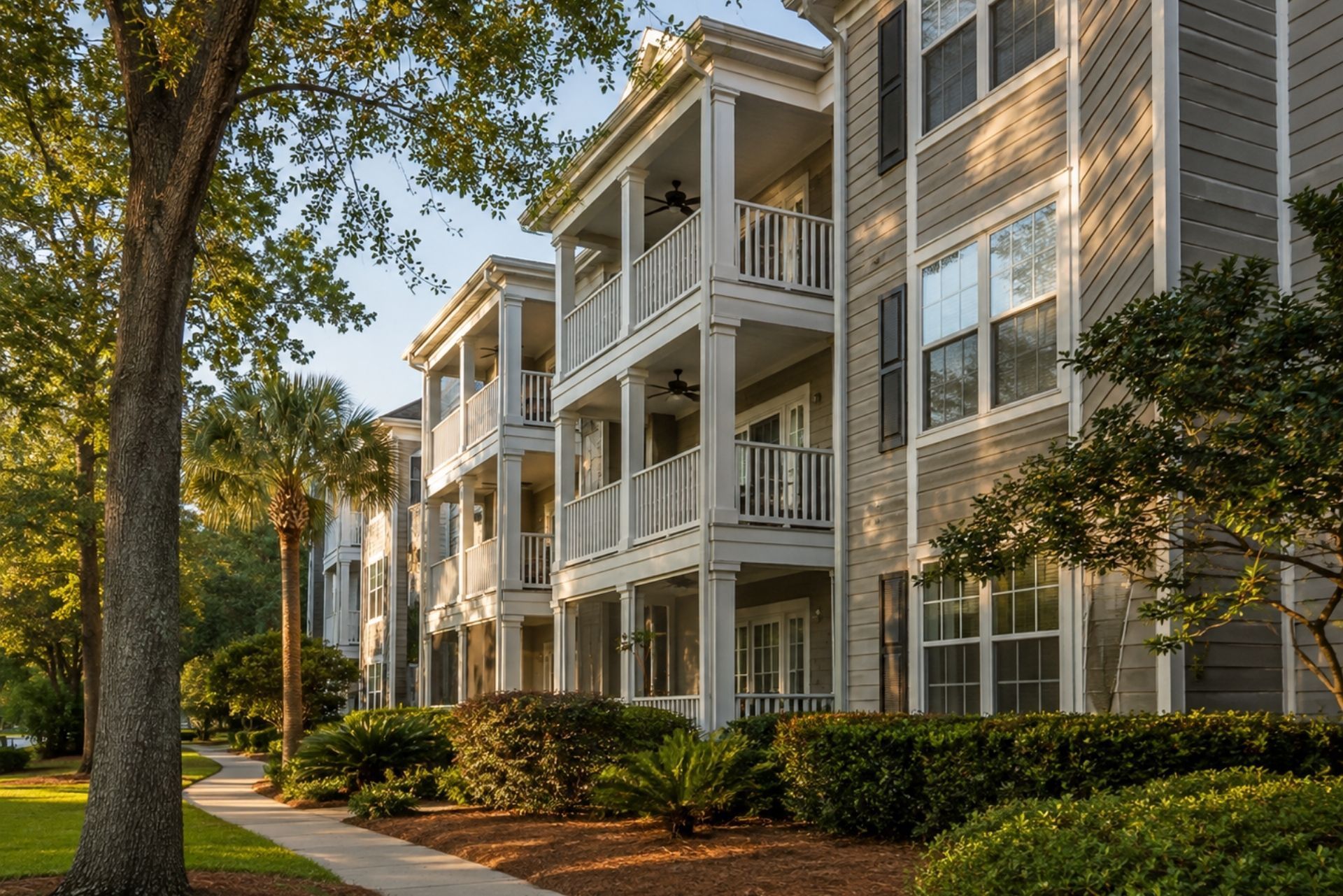
Comparing Coverage: Master Policy vs. Unit Owner HO-6

One of the most common points of confusion is where the master policy ends and the unit owner's responsibility begins. Here's a straightforward comparison:

Coverage Area Master Policy Unit Owner HO-6
Building structure (roof, walls, foundation) Yes No
Common areas (lobby, pool, hallways) Yes No
Unit interior (bare walls policy) No Yes
Unit interior (all-in policy) Original installations only Upgrades and personal property
Personal belongings No Yes
Loss assessment (special assessment after a claim) N/A Yes (typically $1,000-$50,000)
Personal liability inside unit No Yes

The loss assessment line is one most unit owners overlook. If the association's master policy deductible is $25,000 and the board passes that cost to owners, the HO-6 loss assessment coverage is what reimburses each owner for their share. South Carolina boards should communicate deductible amounts clearly so owners can budget their insurance accordingly and carry adequate HO-6 limits.

Protecting Association Operations and Employees

A condo association isn't just a building: it's an operating entity. It employs people (or contracts with them), owns vehicles or equipment, and has a board making financial decisions on behalf of all owners. Each of these activities creates distinct liability exposures that the master policy doesn't cover.

Workers Compensation for Staff and Contractors

If your association employs anyone directly, whether that's a full-time maintenance worker, a part-time concierge, or seasonal landscaping help, South Carolina law requires workers compensation coverage. Even a single employee triggers this requirement. The policy covers medical expenses and lost wages if a worker is injured on the job, and it protects the association from lawsuits related to workplace injuries.


Here's where it gets nuanced: even associations that rely entirely on outside vendors should verify that those vendors carry their own workers comp policies. If an uninsured contractor's employee is hurt on your property, the association can be held liable. Boards should require certificates of insurance from every vendor before any work begins, and they should verify those certificates are current, not expired.

Commercial Auto for Maintenance Vehicles

Many associations own a golf cart, a pickup truck, or a maintenance van. Personal auto policies don't cover vehicles titled to a business entity, so any vehicle owned or regularly used by the association needs a commercial auto policy. South Carolina's minimum auto liability limits are 25/50/25 ($25,000 per person, $50,000 per accident for bodily injury, $25,000 for property damage), but most insurance professionals recommend significantly higher limits.


The commercial auto market has been tightening in recent years, with rising claim costs driven by higher vehicle repair expenses and larger jury verdicts. Even associations with just one vehicle should carry at least $500,000 in combined single limit coverage. If a maintenance worker causes an accident while driving the association's truck, the financial exposure can be substantial.

Directors and Officers (D&O) Liability

Board members make decisions about budgets, vendor contracts, rule enforcement, and special assessments. Any of these decisions can lead to a lawsuit from unhappy unit owners, and without D&O insurance, board members are personally on the hook for legal defense costs and judgments.


D&O coverage pays for legal defense and settlements when board members are sued for alleged wrongful acts in their capacity as directors. Common claims include failure to maintain the property, mismanagement of funds, selective enforcement of rules, and inadequate disclosure during resale. Associations that update their D&O policies annually to reflect current operations and board composition tend to avoid gaps. Without this coverage, recruiting competent board volunteers becomes nearly impossible: nobody wants to serve if their personal assets are at risk.

Boat and Watercraft Coverage for Weekend Adventures

Your homeowners policy might cover a small kayak or canoe, but anything with a motor typically needs its own policy. Boat insurance covers physical damage to the vessel, liability for injuries or property damage you cause on the water, and sometimes towing and salvage costs.


Lake-specific risks differ from coastal ones. A boat kept at Myrtle Beach faces saltwater corrosion, hurricane exposure, and higher theft rates than one stored at a private dock on Lake Wateree. Your policy should reflect where you keep and operate the boat. An independent agency like CSP Insurance Services can compare quotes across multiple marine carriers to find coverage that actually matches your boating habits rather than forcing you into a one-size-fits-all plan.

Boat and Watercraft Coverage for Weekend Adventures

Your homeowners policy might cover a small kayak or canoe, but anything with a motor typically needs its own policy. Boat insurance covers physical damage to the vessel, liability for injuries or property damage you cause on the water, and sometimes towing and salvage costs.


Lake-specific risks differ from coastal ones. A boat kept at Myrtle Beach faces saltwater corrosion, hurricane exposure, and higher theft rates than one stored at a private dock on Lake Wateree. Your policy should reflect where you keep and operate the boat. An independent agency like CSP Insurance Services can compare quotes across multiple marine carriers to find coverage that actually matches your boating habits rather than forcing you into a one-size-fits-all plan.

Feature Admitted (Standard) Carriers Non-Admitted (E&S) Carriers
State regulation Fully regulated; rates filed with state Exempt from rate filing; flexible pricing
Guaranty fund protection Yes: state fund covers claims if carrier fails No: no guaranty fund backstop
Policy forms Standardized (ISO forms common) Manuscript or custom forms
Risk appetite Prefers low-to-moderate risk Accepts high-risk and unusual exposures
Premium cost Generally lower Typically 20-75% higher
Surplus lines tax Not applicable Buyer pays state surplus lines tax (varies 2-5%)
Speed of placement Standard timelines Can be faster or slower depending on complexity

Industry-Specific Risks and Specialized Policies

Beyond the core coverages, condo associations face risks that require specialized policies. These aren't optional extras: they address real vulnerabilities that standard policies exclude.

Fidelity Bond and Crime Coverage

A fidelity bond protects the association's funds from theft or dishonest acts by board members, employees, or management company staff. Most governing documents and many state regulations require fidelity bond coverage equal to at least the association's total annual assessments plus reserves. In South Carolina, this is particularly important for self-managed associations where a single treasurer may have direct access to operating and reserve accounts.


Crime coverage extends beyond employee dishonesty to include forgery, computer fraud, and funds transfer fraud. With associations increasingly handling payments electronically, the risk of social engineering scams (where someone impersonates a vendor and redirects a payment) has grown significantly. A standalone crime policy or endorsement can cover these losses.

Equipment Breakdown and Boiler Insurance

Standard property policies typically exclude damage caused by mechanical or electrical breakdown of equipment. If the building's elevator motor burns out, the central boiler fails, or the HVAC compressor shorts, equipment breakdown insurance covers the repair or replacement cost plus any resulting damage.


For South Carolina coastal communities, this coverage is especially relevant because power surges from storms can damage electrical systems even when the building itself sustains no wind or water damage. The cost of this coverage is relatively low compared to the replacement cost of a commercial elevator or central air system, making it one of the better values in a condo association's insurance portfolio. The condo insurance market continues to expand as associations recognize these specialized needs.

Specialty Lines: Flood, Earthquake, and Valuable Items

Flood insurance is a separate policy, typically written through FEMA's National Flood Insurance Program or a private carrier. If your home sits in a designated flood zone anywhere along the SC coast or near inland rivers, your mortgage lender will require it. But even homes outside mapped flood zones can flood: roughly 25% of flood claims come from properties in low-to-moderate risk areas.


Earthquake coverage is less common in South Carolina, but the state sits near the Charleston fault zone, which produced a magnitude 7.3 quake in 1886. A rider or standalone earthquake policy is worth considering if you're in the Lowcountry.


Scheduled personal property endorsements cover high-value items like jewelry, art, firearms, or musical instruments that exceed standard policy sub-limits. Most homeowners policies cap jewelry coverage at $1,500-$2,500 per item. If your engagement ring is worth $8,000, you need a scheduled endorsement or inland marine floater to cover the difference.

Speed and documentation are everything in marine claims. The moment you discover damage or loss, notify your insurance provider and the carrier immediately. Most marine policies require notice within a specific window, often 72 hours, or you risk jeopardizing your claim.


Here's a practical sequence that works:


  • Document everything at the point of discovery: photographs, video, written descriptions of damage, and the condition of packaging.
  • Preserve damaged goods and packaging. Insurers may send a surveyor, and disposing of evidence before inspection can void your claim.
  • File a written notice of claim with your insurer, including the bill of lading, commercial invoice, packing list, and survey report.
  • Obtain a carrier's damage report or exception notation on the delivery receipt before signing for goods.
  • Cooperate with the marine surveyor assigned to your claim: they're evaluating both the cause and extent of loss.


One thing to keep in mind: subrogation rights matter. Your insurer may pursue recovery from the carrier or other responsible parties, so don't sign any releases or settlements with the shipping line without consulting your insurance team first. An independent agency with marine expertise, like CSP Insurance Services, can walk you through this process and advocate on your behalf.

Common Questions About Condo Association Insurance

Does the master policy cover damage inside my unit?

It depends on whether the association carries a bare walls or all-in policy. A bare walls policy covers nothing inside your unit. An all-in policy covers original installations but not your personal property or any upgrades you've made. Every unit owner needs an HO-6 policy regardless of the master policy type.

What happens if our association is sued by a visitor?

The association's general liability coverage responds to third-party injury or property damage claims. It pays for legal defense and any settlement or judgment up to the policy limits. If the claim exceeds those limits, an umbrella policy provides additional protection.

Do we need workers comp if we use outside vendors?

You may not need your own policy if you have zero employees, but you absolutely need to verify that every vendor carries active workers comp coverage. If they don't and someone gets hurt on your property, the association can be held responsible.

Why is D&O insurance necessary for board members?

Board members can be personally sued for decisions they make on behalf of the association. D&O insurance covers legal defense costs and potential judgments, protecting personal assets. Without it, finding willing board volunteers is difficult, and the association's governance suffers.

How is the deductible split among unit owners?

This varies by association. Some CC&Rs assign the full deductible to the unit where the loss originated. Others spread it across all owners through a special assessment. Review your governing documents and make sure your HO-6 policy includes adequate loss assessment coverage to handle your potential share.

Boat and Watercraft Coverage for Weekend Adventures

Your homeowners policy might cover a small kayak or canoe, but anything with a motor typically needs its own policy. Boat insurance covers physical damage to the vessel, liability for injuries or property damage you cause on the water, and sometimes towing and salvage costs.


Lake-specific risks differ from coastal ones. A boat kept at Myrtle Beach faces saltwater corrosion, hurricane exposure, and higher theft rates than one stored at a private dock on Lake Wateree. Your policy should reflect where you keep and operate the boat. An independent agency like CSP Insurance Services can compare quotes across multiple marine carriers to find coverage that actually matches your boating habits rather than forcing you into a one-size-fits-all plan.

Boat and Watercraft Coverage for Weekend Adventures

Your homeowners policy might cover a small kayak or canoe, but anything with a motor typically needs its own policy. Boat insurance covers physical damage to the vessel, liability for injuries or property damage you cause on the water, and sometimes towing and salvage costs.


Lake-specific risks differ from coastal ones. A boat kept at Myrtle Beach faces saltwater corrosion, hurricane exposure, and higher theft rates than one stored at a private dock on Lake Wateree. Your policy should reflect where you keep and operate the boat. An independent agency like CSP Insurance Services can compare quotes across multiple marine carriers to find coverage that actually matches your boating habits rather than forcing you into a one-size-fits-all plan.

Feature Admitted (Standard) Carriers Non-Admitted (E&S) Carriers
State regulation Fully regulated; rates filed with state Exempt from rate filing; flexible pricing
Guaranty fund protection Yes: state fund covers claims if carrier fails No: no guaranty fund backstop
Policy forms Standardized (ISO forms common) Manuscript or custom forms
Risk appetite Prefers low-to-moderate risk Accepts high-risk and unusual exposures
Premium cost Generally lower Typically 20-75% higher
Surplus lines tax Not applicable Buyer pays state surplus lines tax (varies 2-5%)
Speed of placement Standard timelines Can be faster or slower depending on complexity

Making the Right Choice for Your Community

Getting condo association insurance right isn't about buying the cheapest master policy and hoping for the best. It's about understanding how each coverage works together: how the master policy interacts with individual HO-6 policies, why workers comp and commercial auto protect the association's operations, and how D&O and fidelity bonds shield the people who volunteer their time to run the community.


South Carolina associations face unique pressures from hurricane exposure, coastal flood zones, and a rapidly shifting insurance market that's pushing premiums higher year after year. An independent agency like CSP Insurance Services can compare options across multiple carriers rather than being locked into one company's pricing, which matters enormously when premiums are climbing industry-wide. With over 80 years of experience serving communities across Florence, Myrtle Beach, Columbia, and throughout South Carolina, their team understands the specific risks your association faces.


If your board hasn't reviewed its insurance program recently, now is the time. A 30-minute conversation with an experienced agent can reveal gaps that would cost far more to discover during a claim. Request a quote from CSP Insurance Services to get a personalized review of your association's coverage and make sure your community is properly protected heading into the next policy year.

About the author

Lawson Walker, CIC

I'm proud to be part of an agency that's served Florence since 1939. CSP Insurance Services started as Cormell-Streett & Patterson, built by people who believed insurance should be personal — and more than eight decades later, that conviction still drives everything we do. Commitment, Service, Protection isn't just what CSP stands for; it's how I approach every client relationship.


As an independent, Trusted Choice agency, we aren't tied to any single carrier. That means I work for you — shopping multiple companies to match you with coverage that actually fits your family, your business, and your budget. No call centers, no chatbots. Just a local expert who takes the time to understand what matters to you and stands by you when it counts.


Whether you're protecting your home, your car, or a business you've spent years building, I'd be glad to help you find the right coverage.

We compare several carriers to find a policy that fits you, not one company's products.

80+ years local experience

1939

Serving SC

Meet Richard

Most Requested

Core business coverage.

The policies most South Carolina businesses start with.

Commercial Property

Protect the building, equipment, and inventory your business runs on, so a covered fire, theft, or storm doesn’t become a closed door.

Workers Compensation

Required for most South Carolina employers with staff. It covers medical bills and lost wages when an employee is hurt on the job.

Commercial Auto

Cars, trucks, and fleets used for work need more than a personal policy. This handles liability, damage, and your drivers.

General Liability

Accidents happen on the job and on your property. General liability covers third-party injury and property damage claims against your business.

Inland Marine

Tools, equipment, and goods on the move aren’t covered by standard property policies. Inland marine protects them wherever they travel.

Business Owners (BOP)

A business owners policy bundles property and liability coverage into one package, often at a better price for small businesses.

We compare several carriers to find a policy that fits you, not one company's products.

80+ years local experience

1939

Serving SC

Insurance Sales

J. Roger Jordan, CIC

Meet Richard

[CONFIRM bio]

Personal Insurance

Coverage for your home, vehicles, and family.

Protect what matters most with personal policies shopped across our carriers.

Home

Your house is likely your largest investment. Home insurance helps rebuild after covered damage and protects you from liability.

Auto

South Carolina drivers need real protection. Auto coverage handles liability, collision, medical costs, and uninsured drivers.

Umbrella

When a serious claim climbs past your home or auto limits, umbrella coverage adds an extra layer of liability protection.

Boat

Time on the water should be worry-free. Boat coverage protects your vessel, your passengers, and your liability on the lake or coast.

Motorcycle

Riders need coverage built for the road. Motorcycle insurance protects your bike, your gear, and you after an accident.

Condo

Your association covers the building, but not what’s inside. Condo insurance protects your belongings, improvements, and liability.

We compare several carriers to find a policy that fits you, not one company's products.

80+ years local experience

1939

Serving SC

Insurance Sales

J. Roger Jordan, CIC

Meet Richard

[CONFIRM bio]

Get a Quote

Boat

Your association covers the building, but not what’s inside. Condo insurance protects your belongings, improvements, and liability.

Time on the water should be worry-free. Boat coverage protects your vessel, your passengers, and your liability on the lake or coast.

Condo

Get a Quote

Motorcycle

Riders need coverage built for the road. Motorcycle insurance protects your bike, your gear, and you after an accident.

Get a Quote

Industries We Serve

Specialized coverage for your industry.

Every industry carries its own risk. We help South Carolina businesses protect what they've built.

Restaurants

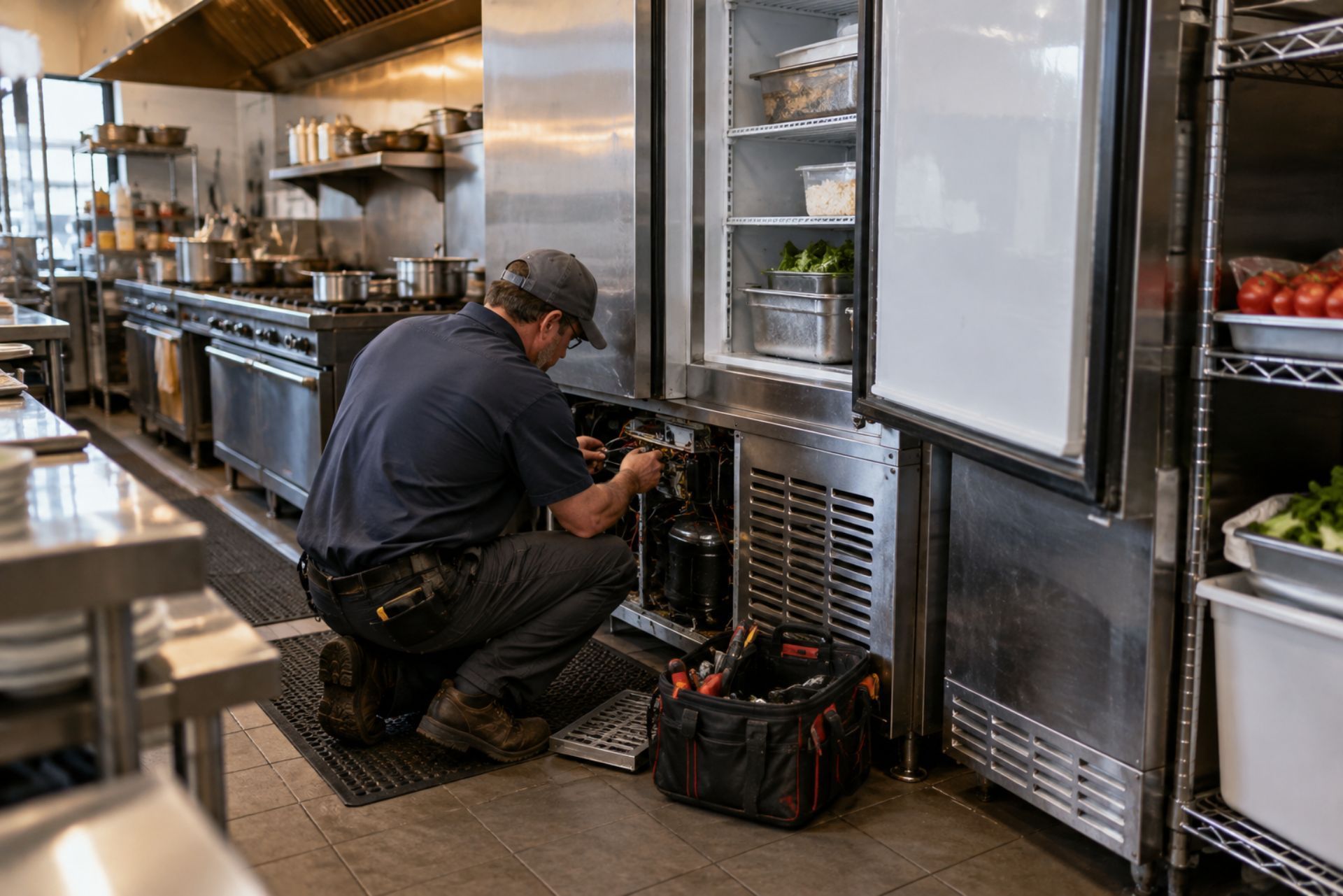
Kitchens, customers, and staff create daily exposure. We protect your property, equipment, liquor liability, and employees.

Manufacturers

From equipment breakdown to product liability, manufacturers face risk on the floor and beyond. We help cover property, machinery, and goods.

Healthcare Providers

Practices and clinics carry patient, property, and professional risk. We help cover liability, equipment, and the people who run your practice.

We compare several carriers to find a policy that fits you, not one company's products.

80+ years local experience

1939

Serving SC

Commercial Property

Protect the building, equipment, and inventory your business runs on, so a covered fire, theft, or storm doesn’t become a closed door.

Meet Richard View all business coverage Get a Quote

Commercial Auto

Get a Quote

Cars, trucks, and fleets used for work need more than a personal policy. This handles liability, damage, and your drivers.

How It Works

Getting covered is simple.

Four steps, one real person from start to finish.

Tell us about you

Share a few details about what you need to protect. A real person reviews it.

We compare carriers

We shop options across our carriers to find strong protection at a fair price.

We recommend coverage

We walk you through the policy in plain language and answer every question.

You get covered

Sign with confidence — and we stay on for changes, claims, and yearly reviews.

We compare several carriers to find a policy that fits you, not one company's products.

Multi-carrier choice

Claims advocacy

When a claim happens, we stand in your corner and help move it forward with your carrier.

Local SC roots

We live and work in Florence and understand the risks your community faces because we face them too.

Client Reviews

Why clients choose CSP.

Independent advice, real people, and decades of local roots.

We compare several carriers to find a policy that fits you, not one company's products.

80+ years local experience

1939

Serving SC

Insurance Sales

J. Roger Jordan, CIC

Meet Richard

[CONFIRM bio]

Get a Quote

Boat

Your association covers the building, but not what’s inside. Condo insurance protects your belongings, improvements, and liability.

Time on the water should be worry-free. Boat coverage protects your vessel, your passengers, and your liability on the lake or coast.

Condo

Get a Quote

Motorcycle

Riders need coverage built for the road. Motorcycle insurance protects your bike, your gear, and you after an accident.

Get a Quote

FAQs

Questions, answered.

Straight answers about working with an independent agency.

  • What does an independent insurance agency do?

    An independent agency represents several carriers instead of one. We compare coverage and pricing across companies, then recommend the policy that fits you best.

  • Do you cover both personal and business insurance?

    Yes. CSP writes personal lines like home and auto, and commercial lines for businesses across South Carolina.

  • How long has CSP been in business?

    CSP traces its roots to 1939, with more than 80 years serving South Carolina families and businesses.

  • Will I work with a real person?

    Always. No call centers and no chatbots — you work with a local team member who knows your account.

  • Which areas do you serve?

    We’re based in Florence and serve clients statewide, including Myrtle Beach, Rock Hill, and Columbia.

  • How do I get a quote?

    Request a quote online, call us, or stop by the office. A real person will review your needs and follow up.

How It Works

Insurance tips & updates.

Plain-language guidance to help you make confident decisions.

How Much Does Business Insurance Cost for a Small Business in Florence, SC?
6 August 2026
Learn how much small business insurance costs in Florence, SC, including GL, workers’ comp, property coverage, pricing factors, and ways to save.
What Insurance Does a Small Business in South Carolina Legally Need?
6 August 2026
Learn what insurance South Carolina small businesses legally need, including workers’ comp, commercial auto, and essential coverage beyond state requirements.
Group Health Insurance vs. Individual Plans: Which Is Right for SC Employers?
6 August 2026
Compare group health insurance vs. individual plans for SC employers. Learn costs, tax benefits, ICHRA options, and the best fit for your team.

We compare several carriers to find a policy that fits you, not one company's products.

80+ years local experience

1939

Serving SC

Insurance Sales

J. Roger Jordan, CIC

Meet Richard

[CONFIRM bio]

Get a Quote

Boat

Your association covers the building, but not what’s inside. Condo insurance protects your belongings, improvements, and liability.

Time on the water should be worry-free. Boat coverage protects your vessel, your passengers, and your liability on the lake or coast.

Condo

Get a Quote

Motorcycle

Riders need coverage built for the road. Motorcycle insurance protects your bike, your gear, and you after an accident.


Get a Quote

Get a Quote

Let's find your coverage.

Tell us a little about what you need to protect. A real person from our Florence team will review it and follow up.

2420 Hoffmeyer Road, Suite D
Florence, SC 29501

Mon–Fri 8:30am – 5:00pm