

CSP Insurance Services was founded in 1939, when Clifford Cormell joined Earnest Streett to sell insurance in Florence. More than 80 years later, we still answer the phone ourselves. No call centers, no chatbots — just a local team that knows your name and your policy.
We compare several carriers to find a policy that fits you, not one company's products.
◆
80+ years local experience
Hospital bills, treatment, and prescriptions for a work-related injury or illness.
Medical expenses
Claims history
Most employers spend hours agonizing over medical and dental plans, then tack vision coverage on as an afterthought. That's a mistake. Vision benefits are one of the most cost-effective perks you can offer, and they carry real compliance obligations that catch unprepared employers off guard. For every dollar invested in vision benefits, employers can see returns of up to $7 through lower medical claims and reduced presenteeism. That's not a rounding error: it's a meaningful impact on your bottom line and your team's wellbeing. If you're a South Carolina employer weighing whether to add or upgrade vision coverage, this guide walks through the plan structures, real costs, and compliance rules you need to understand before signing anything. Whether you run a manufacturing operation in Rock Hill or a restaurant group along the Grand Strand, the fundamentals are the same, but the details matter more than most people realize.
The Basics of Group Vision Insurance for Employers
Group vision insurance is a benefit an employer sponsors for its workforce, covering routine eye exams, prescription lenses, frames, and sometimes contacts. Unlike buying an individual policy off the open market, group plans pool risk across your entire employee base, which drives down per-person costs significantly.
The employer decides how much of the premium to cover (if any), selects the plan design, and handles enrollment. Employees gain access to a provider network and predictable copays instead of paying full retail for eye care. For small and mid-size businesses in South Carolina, offering vision coverage signals that you take employee health seriously without blowing up your benefits budget.
Employer-Paid vs. Voluntary Vision Plans
You have two basic funding models. With an employer-paid plan, the company covers all or most of the premium. This approach maximizes participation and simplifies administration, but it adds a fixed cost to your benefits spend.
Voluntary plans shift the premium entirely to employees, who elect coverage through payroll deduction. The employer's role is administrative: you set up the plan, manage enrollment, and deduct premiums. Most small businesses in South Carolina start with voluntary plans because there's zero direct cost, yet employees still get group pricing they can't access on their own.
How Group Rates Differ from Individual Policies
An individual vision policy purchased directly from a carrier might run $15 to $25 per month for one person. Group rates typically land between $5 and $12 per employee per month because the carrier spreads risk across the entire group.
The savings get even better with higher participation. Carriers price group plans based partly on how many eligible employees enroll, so a company with 80% participation will usually get a better rate than one hovering around 40%. This is one area where an independent agency like CSP Insurance Services earns its keep: comparing quotes across multiple carriers to find the best group rate for your specific workforce size and demographics.

Your CSP agent
Lawson Walker, CIC
Insurance Sales
On this page
CSP Insurance Services is a fully licensed independent insurance agency serving individuals, families, and businesses across South Carolina.
From our home in Florence, we proudly serve clients in Florence, Myrtle Beach, Rock Hill, Columbia, and communities throughout South Carolina. As an independent Trusted Choice agency, our team works with a wide range of top-rated carriers to provide personal and commercial coverage — home, auto, business, life, and more — tailored to the real needs of the people and businesses we protect.
Boat and Watercraft Coverage for Weekend Adventures
Your homeowners policy might cover a small kayak or canoe, but anything with a motor typically needs its own policy. Boat insurance covers physical damage to the vessel, liability for injuries or property damage you cause on the water, and sometimes towing and salvage costs.
Lake-specific risks differ from coastal ones. A boat kept at Myrtle Beach faces saltwater corrosion, hurricane exposure, and higher theft rates than one stored at a private dock on Lake Wateree. Your policy should reflect where you keep and operate the boat. An independent agency like CSP Insurance Services can compare quotes across multiple marine carriers to find coverage that actually matches your boating habits rather than forcing you into a one-size-fits-all plan.
| Feature | Admitted (Standard) Carriers | Non-Admitted (E&S) Carriers |
|---|---|---|
| State regulation | Fully regulated; rates filed with state | Exempt from rate filing; flexible pricing |
| Guaranty fund protection | Yes: state fund covers claims if carrier fails | No: no guaranty fund backstop |
| Policy forms | Standardized (ISO forms common) | Manuscript or custom forms |
| Risk appetite | Prefers low-to-moderate risk | Accepts high-risk and unusual exposures |
| Premium cost | Generally lower | Typically 20-75% higher |
| Surplus lines tax | Not applicable | Buyer pays state surplus lines tax (varies 2-5%) |
| Speed of placement | Standard timelines | Can be faster or slower depending on complexity |
Standard Coverage Options and Plan Structures
Most group vision plans fall into two categories: full-coverage insurance and discount-only plans. Understanding the difference saves you from buying something that looks good on paper but frustrates employees at the optometrist's office.
Core Benefits: Exams, Lenses, and Frames
A standard group vision plan covers three things: a comprehensive eye exam (usually once every 12 months), prescription lenses, and frames. Copays for exams typically range from $10 to $25. Lenses are covered in full or with a small copay after meeting the plan's frequency schedule. Frames come with an allowance, commonly $130 to $200, and the employee pays anything above that.
Contact lens coverage varies widely. Some plans offer a flat annual allowance ($150 is common), while others cover a fitting exam and a set number of boxes. Always check the contact lens terms before selecting a plan: this is the number one source of employee complaints.
Vision Discount Plans vs. Full Insurance
Discount plans aren't insurance at all. They give employees access to negotiated rates at participating providers, typically 20% to 40% off retail pricing. There's no claims process and no copays: just a reduced fee at checkout.
Full insurance plans involve actual claims adjudication, defined copays, and covered services. They cost more but deliver predictable out-of-pocket expenses for employees. For most employers, full insurance plans generate higher employee satisfaction and better utilization of preventive eye care.
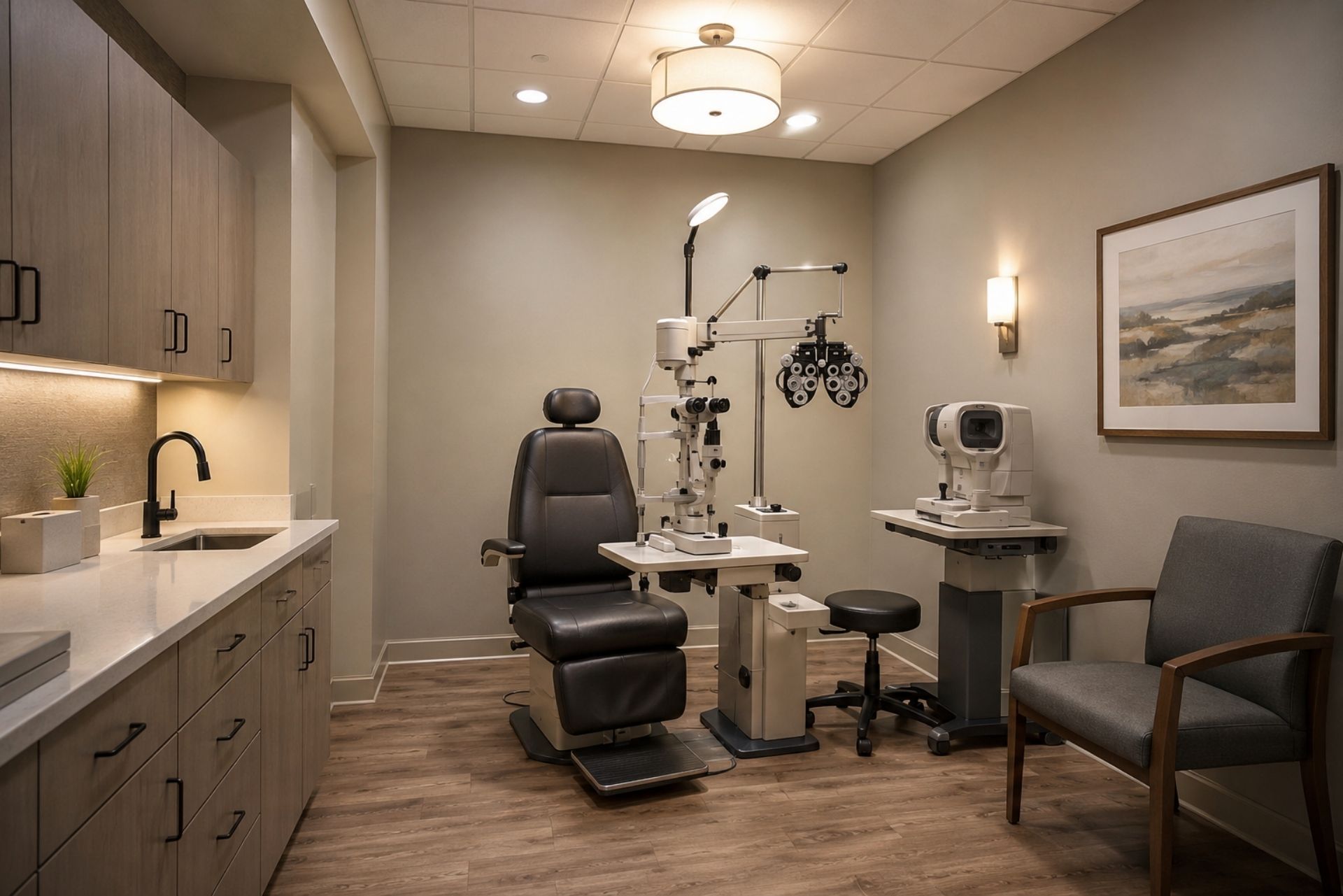
Comparison: Basic vs. Comprehensive Vision Plans
| Feature | Basic Plan | Comprehensive Plan |
|---|---|---|
| Eye Exam Copay | $15-$25 | $10-$15 |
| Frames Allowance | $100-$150 | $175-$250 |
| Lens Coverage | Single/bifocal only | Includes progressives |
| Contact Lens Allowance | $100-$130/year | $150-$200/year |
| Laser Surgery Discount | Rarely included | 15%-20% discount |
| Monthly Cost/Employee | $5-$7 | $9-$14 |
Basic plans work fine for employers who want to check the box on vision benefits at minimal cost. Comprehensive plans make more sense when you're competing for talent or your workforce skews older, since progressive lens coverage and higher frame allowances matter a lot to employees over 40. A 2026 SHRM benefits survey found that vision coverage ranks among the most valued voluntary benefits, so skimping on plan quality can undermine the whole point of offering it.
Boat and Watercraft Coverage for Weekend Adventures
Your homeowners policy might cover a small kayak or canoe, but anything with a motor typically needs its own policy. Boat insurance covers physical damage to the vessel, liability for injuries or property damage you cause on the water, and sometimes towing and salvage costs.
Lake-specific risks differ from coastal ones. A boat kept at Myrtle Beach faces saltwater corrosion, hurricane exposure, and higher theft rates than one stored at a private dock on Lake Wateree. Your policy should reflect where you keep and operate the boat. An independent agency like CSP Insurance Services can compare quotes across multiple marine carriers to find coverage that actually matches your boating habits rather than forcing you into a one-size-fits-all plan.
Boat and Watercraft Coverage for Weekend Adventures
Your homeowners policy might cover a small kayak or canoe, but anything with a motor typically needs its own policy. Boat insurance covers physical damage to the vessel, liability for injuries or property damage you cause on the water, and sometimes towing and salvage costs.
Lake-specific risks differ from coastal ones. A boat kept at Myrtle Beach faces saltwater corrosion, hurricane exposure, and higher theft rates than one stored at a private dock on Lake Wateree. Your policy should reflect where you keep and operate the boat. An independent agency like CSP Insurance Services can compare quotes across multiple marine carriers to find coverage that actually matches your boating habits rather than forcing you into a one-size-fits-all plan.
| Feature | Admitted (Standard) Carriers | Non-Admitted (E&S) Carriers |
|---|---|---|
| State regulation | Fully regulated; rates filed with state | Exempt from rate filing; flexible pricing |
| Guaranty fund protection | Yes: state fund covers claims if carrier fails | No: no guaranty fund backstop |
| Policy forms | Standardized (ISO forms common) | Manuscript or custom forms |
| Risk appetite | Prefers low-to-moderate risk | Accepts high-risk and unusual exposures |
| Premium cost | Generally lower | Typically 20-75% higher |
| Surplus lines tax | Not applicable | Buyer pays state surplus lines tax (varies 2-5%) |
| Speed of placement | Standard timelines | Can be faster or slower depending on complexity |
How Vision Benefits Affect Retention and Productivity
This is where the ROI conversation gets interesting. Vision problems don't just affect eyesight: they drive headaches, fatigue, and reduced concentration that quietly erode productivity. Employees dealing with uncorrected vision issues take more sick days and produce lower-quality work, a phenomenon researchers call presenteeism.
Routine eye exams also catch early signs of diabetes, hypertension, and high cholesterol. That's why vision benefits increasingly fit into a broader health strategy rather than sitting in a silo. For South Carolina manufacturers and healthcare employers running multiple shifts, even small improvements in alertness and focus translate into fewer errors and safer workplaces.
Retention matters too. A strong benefits package, even one anchored by relatively inexpensive perks like vision coverage, reduces turnover. Replacing an hourly employee costs roughly $4,000 to $7,000 when you factor in recruiting, training, and lost productivity. A $7/month vision plan looks pretty cheap by comparison.
Specialty Lines: Flood, Earthquake, and Valuable Items
Flood insurance is a separate policy, typically written through FEMA's National Flood Insurance Program or a private carrier. If your home sits in a designated flood zone anywhere along the SC coast or near inland rivers, your mortgage lender will require it. But even homes outside mapped flood zones can flood: roughly 25% of flood claims come from properties in low-to-moderate risk areas.
Earthquake coverage is less common in South Carolina, but the state sits near the Charleston fault zone, which produced a magnitude 7.3 quake in 1886. A rider or standalone earthquake policy is worth considering if you're in the Lowcountry.
Scheduled personal property endorsements cover high-value items like jewelry, art, firearms, or musical instruments that exceed standard policy sub-limits. Most homeowners policies cap jewelry coverage at $1,500-$2,500 per item. If your engagement ring is worth $8,000, you need a scheduled endorsement or inland marine floater to cover the difference.
Calculating the Cost of Vision Benefits
Budgeting for vision coverage is more straightforward than medical insurance, but a few variables can shift your costs meaningfully.
Average Monthly Premiums per Employee
For employee-only coverage, expect to pay $5 to $14 per month depending on plan richness and carrier. Family coverage runs $15 to $35. These numbers hold fairly steady across South Carolina, though your specific quote will depend on group size, industry, and the plan design you choose.
A 50-employee company offering a mid-tier voluntary plan with no employer contribution has essentially zero hard cost beyond the 15 to 30 minutes per month of administrative time for payroll deductions. If you decide to fund the premium, budget roughly $4,200 to $8,400 annually for employee-only coverage across that same 50-person group.
The Impact of Participation Requirements on Pricing
Most carriers require a minimum participation rate, often 50% to 75% of eligible employees, to issue a group policy. If you fall below the threshold, the carrier may decline to quote or charge a higher rate.
Here's a practical tip: bundling vision with dental or medical coverage from the same carrier often lowers participation requirements and unlocks better pricing. An independent agency can model these scenarios for you and identify where bundling makes financial sense versus where standalone policies win.
Boat and Watercraft Coverage for Weekend Adventures
Your homeowners policy might cover a small kayak or canoe, but anything with a motor typically needs its own policy. Boat insurance covers physical damage to the vessel, liability for injuries or property damage you cause on the water, and sometimes towing and salvage costs.
Lake-specific risks differ from coastal ones. A boat kept at Myrtle Beach faces saltwater corrosion, hurricane exposure, and higher theft rates than one stored at a private dock on Lake Wateree. Your policy should reflect where you keep and operate the boat. An independent agency like CSP Insurance Services can compare quotes across multiple marine carriers to find coverage that actually matches your boating habits rather than forcing you into a one-size-fits-all plan.
Boat and Watercraft Coverage for Weekend Adventures
Your homeowners policy might cover a small kayak or canoe, but anything with a motor typically needs its own policy. Boat insurance covers physical damage to the vessel, liability for injuries or property damage you cause on the water, and sometimes towing and salvage costs.
Lake-specific risks differ from coastal ones. A boat kept at Myrtle Beach faces saltwater corrosion, hurricane exposure, and higher theft rates than one stored at a private dock on Lake Wateree. Your policy should reflect where you keep and operate the boat. An independent agency like CSP Insurance Services can compare quotes across multiple marine carriers to find coverage that actually matches your boating habits rather than forcing you into a one-size-fits-all plan.
| Feature | Admitted (Standard) Carriers | Non-Admitted (E&S) Carriers |
|---|---|---|
| State regulation | Fully regulated; rates filed with state | Exempt from rate filing; flexible pricing |
| Guaranty fund protection | Yes: state fund covers claims if carrier fails | No: no guaranty fund backstop |
| Policy forms | Standardized (ISO forms common) | Manuscript or custom forms |
| Risk appetite | Prefers low-to-moderate risk | Accepts high-risk and unusual exposures |
| Premium cost | Generally lower | Typically 20-75% higher |
| Surplus lines tax | Not applicable | Buyer pays state surplus lines tax (varies 2-5%) |
| Speed of placement | Standard timelines | Can be faster or slower depending on complexity |
Navigating Compliance and Regulatory Requirements
Vision plans carry lighter regulatory burdens than medical insurance, but "lighter" doesn't mean "none." Employers who treat vision as compliance-free are setting themselves up for problems.
ERISA and COBRA Obligations for Vision Plans
If your group vision plan is employer-sponsored (even if employees pay 100% of the premium), it's generally subject to ERISA. That means you need a written plan document, a Summary Plan Description distributed to participants, and an annual Form 5500 filing if the plan covers 100 or more participants.
COBRA applies to vision plans offered by employers with 20 or more employees. When an employee loses coverage due to a qualifying event, you must offer continuation coverage for up to 18 months. South Carolina doesn't have a state-level mini-COBRA law that extends this to smaller employers, but federal compliance requirements still apply to any employer meeting the 20-employee threshold.
Section 125 Cafeteria Plan Integration
To let employees pay vision premiums with pre-tax dollars, you need a Section 125 cafeteria plan. This is standard practice and saves both the employer and employee money: the employee reduces taxable income, and the employer saves on FICA taxes for every dollar routed through the plan.
Setting up a Section 125 plan requires a written plan document and adherence to IRS rules around enrollment periods and qualifying life events. If you already have one in place for medical or dental premiums, adding vision is usually a simple amendment. If you don't have one yet, the setup cost is minimal and the tax savings typically pay for it within the first year.
Specialty Lines: Flood, Earthquake, and Valuable Items
Flood insurance is a separate policy, typically written through FEMA's National Flood Insurance Program or a private carrier. If your home sits in a designated flood zone anywhere along the SC coast or near inland rivers, your mortgage lender will require it. But even homes outside mapped flood zones can flood: roughly 25% of flood claims come from properties in low-to-moderate risk areas.
Earthquake coverage is less common in South Carolina, but the state sits near the Charleston fault zone, which produced a magnitude 7.3 quake in 1886. A rider or standalone earthquake policy is worth considering if you're in the Lowcountry.
Scheduled personal property endorsements cover high-value items like jewelry, art, firearms, or musical instruments that exceed standard policy sub-limits. Most homeowners policies cap jewelry coverage at $1,500-$2,500 per item. If your engagement ring is worth $8,000, you need a scheduled endorsement or inland marine floater to cover the difference.
Common Questions About Vision Insurance
Do I have to offer vision insurance in South Carolina? No. Vision coverage is not mandated for employers in South Carolina. It's a voluntary benefit, though offering it can help with recruitment and retention.
Can part-time employees be included? Yes, if you choose to include them. Most carriers let you define eligibility by hours worked per week, commonly 20 or 30 hours.
What happens if an employee needs surgery? Group vision plans cover routine care, not medical eye conditions. Cataracts, glaucoma treatment, and eye injuries are covered under medical insurance, not vision.
How often can employees use their benefits? Most plans operate on a 12-month benefit cycle. Exams are covered annually, while frames and lenses reset every 12 or 24 months depending on the plan.
Is vision insurance worth it for a small business? For most small employers, yes. The cost is low, the administrative burden is minimal, and employees consistently rank vision among their most appreciated benefits.
Boat and Watercraft Coverage for Weekend Adventures
Your homeowners policy might cover a small kayak or canoe, but anything with a motor typically needs its own policy. Boat insurance covers physical damage to the vessel, liability for injuries or property damage you cause on the water, and sometimes towing and salvage costs.
Lake-specific risks differ from coastal ones. A boat kept at Myrtle Beach faces saltwater corrosion, hurricane exposure, and higher theft rates than one stored at a private dock on Lake Wateree. Your policy should reflect where you keep and operate the boat. An independent agency like CSP Insurance Services can compare quotes across multiple marine carriers to find coverage that actually matches your boating habits rather than forcing you into a one-size-fits-all plan.
Boat and Watercraft Coverage for Weekend Adventures
Your homeowners policy might cover a small kayak or canoe, but anything with a motor typically needs its own policy. Boat insurance covers physical damage to the vessel, liability for injuries or property damage you cause on the water, and sometimes towing and salvage costs.
Lake-specific risks differ from coastal ones. A boat kept at Myrtle Beach faces saltwater corrosion, hurricane exposure, and higher theft rates than one stored at a private dock on Lake Wateree. Your policy should reflect where you keep and operate the boat. An independent agency like CSP Insurance Services can compare quotes across multiple marine carriers to find coverage that actually matches your boating habits rather than forcing you into a one-size-fits-all plan.
| Feature | Admitted (Standard) Carriers | Non-Admitted (E&S) Carriers |
|---|---|---|
| State regulation | Fully regulated; rates filed with state | Exempt from rate filing; flexible pricing |
| Guaranty fund protection | Yes: state fund covers claims if carrier fails | No: no guaranty fund backstop |
| Policy forms | Standardized (ISO forms common) | Manuscript or custom forms |
| Risk appetite | Prefers low-to-moderate risk | Accepts high-risk and unusual exposures |
| Premium cost | Generally lower | Typically 20-75% higher |
| Surplus lines tax | Not applicable | Buyer pays state surplus lines tax (varies 2-5%) |
| Speed of placement | Standard timelines | Can be faster or slower depending on complexity |
Section 125 Cafeteria Plan Integration
To let employees pay vision premiums with pre-tax dollars, you need a Section 125 cafeteria plan. This is standard practice and saves both the employer and employee money: the employee reduces taxable income, and the employer saves on FICA taxes for every dollar routed through the plan.
Setting up a Section 125 plan requires a written plan document and adherence to IRS rules around enrollment periods and qualifying life events. If you already have one in place for medical or dental premiums, adding vision is usually a simple amendment. If you don't have one yet, the setup cost is minimal and the tax savings typically pay for it within the first year.
Key Trends Shaping Vision Benefits in 2026
Telehealth eye exams gained traction during the pandemic and continue expanding. Several major vision carriers now cover virtual screenings for prescription renewals, which is especially useful for employees in rural parts of South Carolina where optometrists are scarce. Blue light lens coverage and digital eye strain programs are also emerging as standard plan features as screen time keeps climbing.
Carriers are also tightening network adequacy standards. If you operate across multiple South Carolina locations, from Florence to Columbia to Myrtle Beach, verify that your plan's provider network has adequate coverage in each area before committing.
Specialty Lines: Flood, Earthquake, and Valuable Items
Flood insurance is a separate policy, typically written through FEMA's National Flood Insurance Program or a private carrier. If your home sits in a designated flood zone anywhere along the SC coast or near inland rivers, your mortgage lender will require it. But even homes outside mapped flood zones can flood: roughly 25% of flood claims come from properties in low-to-moderate risk areas.
Earthquake coverage is less common in South Carolina, but the state sits near the Charleston fault zone, which produced a magnitude 7.3 quake in 1886. A rider or standalone earthquake policy is worth considering if you're in the Lowcountry.
Scheduled personal property endorsements cover high-value items like jewelry, art, firearms, or musical instruments that exceed standard policy sub-limits. Most homeowners policies cap jewelry coverage at $1,500-$2,500 per item. If your engagement ring is worth $8,000, you need a scheduled endorsement or inland marine floater to cover the difference.
Mistakes Employers Make with Vision Plans
The biggest one: choosing the cheapest plan without checking the provider network. A $5/month plan means nothing if employees can't find an in-network optometrist within 30 miles. Another common error is failing to update COBRA notices when adding vision to an existing benefits package. The IRS and DOL don't care that vision is "just a small plan": the compliance obligations are the same.
Some employers also forget to review plans annually. Carrier pricing, network changes, and new plan designs shift every year. A plan that was competitive in 2024 might be overpriced or outdated by 2026.
Boat and Watercraft Coverage for Weekend Adventures
Your homeowners policy might cover a small kayak or canoe, but anything with a motor typically needs its own policy. Boat insurance covers physical damage to the vessel, liability for injuries or property damage you cause on the water, and sometimes towing and salvage costs.
Lake-specific risks differ from coastal ones. A boat kept at Myrtle Beach faces saltwater corrosion, hurricane exposure, and higher theft rates than one stored at a private dock on Lake Wateree. Your policy should reflect where you keep and operate the boat. An independent agency like CSP Insurance Services can compare quotes across multiple marine carriers to find coverage that actually matches your boating habits rather than forcing you into a one-size-fits-all plan.
Boat and Watercraft Coverage for Weekend Adventures
Your homeowners policy might cover a small kayak or canoe, but anything with a motor typically needs its own policy. Boat insurance covers physical damage to the vessel, liability for injuries or property damage you cause on the water, and sometimes towing and salvage costs.
Lake-specific risks differ from coastal ones. A boat kept at Myrtle Beach faces saltwater corrosion, hurricane exposure, and higher theft rates than one stored at a private dock on Lake Wateree. Your policy should reflect where you keep and operate the boat. An independent agency like CSP Insurance Services can compare quotes across multiple marine carriers to find coverage that actually matches your boating habits rather than forcing you into a one-size-fits-all plan.
| Feature | Admitted (Standard) Carriers | Non-Admitted (E&S) Carriers |
|---|---|---|
| State regulation | Fully regulated; rates filed with state | Exempt from rate filing; flexible pricing |
| Guaranty fund protection | Yes: state fund covers claims if carrier fails | No: no guaranty fund backstop |
| Policy forms | Standardized (ISO forms common) | Manuscript or custom forms |
| Risk appetite | Prefers low-to-moderate risk | Accepts high-risk and unusual exposures |
| Premium cost | Generally lower | Typically 20-75% higher |
| Surplus lines tax | Not applicable | Buyer pays state surplus lines tax (varies 2-5%) |
| Speed of placement | Standard timelines | Can be faster or slower depending on complexity |
Section 125 Cafeteria Plan Integration
To let employees pay vision premiums with pre-tax dollars, you need a Section 125 cafeteria plan. This is standard practice and saves both the employer and employee money: the employee reduces taxable income, and the employer saves on FICA taxes for every dollar routed through the plan.
Setting up a Section 125 plan requires a written plan document and adherence to IRS rules around enrollment periods and qualifying life events. If you already have one in place for medical or dental premiums, adding vision is usually a simple amendment. If you don't have one yet, the setup cost is minimal and the tax savings typically pay for it within the first year.
How to Evaluate and Select a Vision Carrier
Start with three questions: Does the carrier's network cover the areas where your employees live and work? Are the plan designs flexible enough to match your budget? And what's the carrier's reputation for claims processing speed?
Request quotes from at least three carriers. Compare not just premiums but frame allowances, lens upgrade coverage, and contact lens benefits side by side. Pay attention to out-of-network reimbursement rates too: even with a strong network, some employees will prefer their current eye doctor.
Working with an independent agency like CSP Insurance Services gives you access to multiple carriers without having to run each quote yourself. That objectivity matters when carriers are pitching you hard on their own products.
Specialty Lines: Flood, Earthquake, and Valuable Items
Flood insurance is a separate policy, typically written through FEMA's National Flood Insurance Program or a private carrier. If your home sits in a designated flood zone anywhere along the SC coast or near inland rivers, your mortgage lender will require it. But even homes outside mapped flood zones can flood: roughly 25% of flood claims come from properties in low-to-moderate risk areas.
Earthquake coverage is less common in South Carolina, but the state sits near the Charleston fault zone, which produced a magnitude 7.3 quake in 1886. A rider or standalone earthquake policy is worth considering if you're in the Lowcountry.
Scheduled personal property endorsements cover high-value items like jewelry, art, firearms, or musical instruments that exceed standard policy sub-limits. Most homeowners policies cap jewelry coverage at $1,500-$2,500 per item. If your engagement ring is worth $8,000, you need a scheduled endorsement or inland marine floater to cover the difference.
Voluntary vs. Employer-Funded: Which Model Fits?
Voluntary plans work best when you want to offer vision as a perk without adding to your benefits expense. They're popular with South Carolina small businesses running on tight margins, and employees still benefit from group pricing.
Employer-funded plans make sense when you're trying to maximize participation and use vision as a genuine recruiting tool. Even covering 50% of the premium signals investment in employee health. The strategic benefits shifts happening in 2026 suggest that employers contributing to ancillary benefits see measurably higher engagement scores.
A hybrid approach, where the employer covers employee-only premiums and dependents pay their own way, splits the difference nicely.
Boat and Watercraft Coverage for Weekend Adventures
Your homeowners policy might cover a small kayak or canoe, but anything with a motor typically needs its own policy. Boat insurance covers physical damage to the vessel, liability for injuries or property damage you cause on the water, and sometimes towing and salvage costs.
Lake-specific risks differ from coastal ones. A boat kept at Myrtle Beach faces saltwater corrosion, hurricane exposure, and higher theft rates than one stored at a private dock on Lake Wateree. Your policy should reflect where you keep and operate the boat. An independent agency like CSP Insurance Services can compare quotes across multiple marine carriers to find coverage that actually matches your boating habits rather than forcing you into a one-size-fits-all plan.
Boat and Watercraft Coverage for Weekend Adventures
Your homeowners policy might cover a small kayak or canoe, but anything with a motor typically needs its own policy. Boat insurance covers physical damage to the vessel, liability for injuries or property damage you cause on the water, and sometimes towing and salvage costs.
Lake-specific risks differ from coastal ones. A boat kept at Myrtle Beach faces saltwater corrosion, hurricane exposure, and higher theft rates than one stored at a private dock on Lake Wateree. Your policy should reflect where you keep and operate the boat. An independent agency like CSP Insurance Services can compare quotes across multiple marine carriers to find coverage that actually matches your boating habits rather than forcing you into a one-size-fits-all plan.
| Feature | Admitted (Standard) Carriers | Non-Admitted (E&S) Carriers |
|---|---|---|
| State regulation | Fully regulated; rates filed with state | Exempt from rate filing; flexible pricing |
| Guaranty fund protection | Yes: state fund covers claims if carrier fails | No: no guaranty fund backstop |
| Policy forms | Standardized (ISO forms common) | Manuscript or custom forms |
| Risk appetite | Prefers low-to-moderate risk | Accepts high-risk and unusual exposures |
| Premium cost | Generally lower | Typically 20-75% higher |
| Surplus lines tax | Not applicable | Buyer pays state surplus lines tax (varies 2-5%) |
| Speed of placement | Standard timelines | Can be faster or slower depending on complexity |
Section 125 Cafeteria Plan Integration
To let employees pay vision premiums with pre-tax dollars, you need a Section 125 cafeteria plan. This is standard practice and saves both the employer and employee money: the employee reduces taxable income, and the employer saves on FICA taxes for every dollar routed through the plan.
Setting up a Section 125 plan requires a written plan document and adherence to IRS rules around enrollment periods and qualifying life events. If you already have one in place for medical or dental premiums, adding vision is usually a simple amendment. If you don't have one yet, the setup cost is minimal and the tax savings typically pay for it within the first year.
Making the Right Choice for Your Team
Group vision insurance is one of the simplest, most affordable benefits you can add to your package, but only if you pick the right plan structure, understand the compliance requirements, and actually compare carriers before committing. The cost is modest. The compliance obligations are manageable. And the return on employee satisfaction and productivity is real.
If you're a South Carolina employer ready to explore vision coverage or reevaluate what you're currently offering, CSP Insurance Services can pull quotes from multiple carriers and walk you through the options without any pressure. Request a quote to get a side-by-side comparison tailored to your team's size and needs: it takes a few minutes and could save you thousands over the life of the plan.
About the author
Lawson Walker, CIC
I'm proud to be part of an agency that's served Florence since 1939. CSP Insurance Services started as Cormell-Streett & Patterson, built by people who believed insurance should be personal — and more than eight decades later, that conviction still drives everything we do. Commitment, Service, Protection isn't just what CSP stands for; it's how I approach every client relationship.
As an independent, Trusted Choice agency, we aren't tied to any single carrier. That means I work for you — shopping multiple companies to match you with coverage that actually fits your family, your business, and your budget. No call centers, no chatbots. Just a local expert who takes the time to understand what matters to you and stands by you when it counts.
Whether you're protecting your home, your car, or a business you've spent years building, I'd be glad to help you find the right coverage.
We compare several carriers to find a policy that fits you, not one company's products.
◆
80+ years local experience
1939
Serving SC
Most Requested
Core business coverage.
The policies most South Carolina businesses start with.

Commercial Property
Protect the building, equipment, and inventory your business runs on, so a covered fire, theft, or storm doesn’t become a closed door.

Workers Compensation
Required for most South Carolina employers with staff. It covers medical bills and lost wages when an employee is hurt on the job.

Commercial Auto
Cars, trucks, and fleets used for work need more than a personal policy. This handles liability, damage, and your drivers.

General Liability
Accidents happen on the job and on your property. General liability covers third-party injury and property damage claims against your business.

Inland Marine
Tools, equipment, and goods on the move aren’t covered by standard property policies. Inland marine protects them wherever they travel.

Business Owners (BOP)
A business owners policy bundles property and liability coverage into one package, often at a better price for small businesses.
We compare several carriers to find a policy that fits you, not one company's products.
◆
80+ years local experience
1939
Serving SC

Insurance Sales
J. Roger Jordan, CIC
[CONFIRM bio]
Personal Insurance
Coverage for your home, vehicles, and family.
Protect what matters most with personal policies shopped across our carriers.
Home
Your house is likely your largest investment. Home insurance helps rebuild after covered damage and protects you from liability.
Auto
South Carolina drivers need real protection. Auto coverage handles liability, collision, medical costs, and uninsured drivers.
Umbrella
When a serious claim climbs past your home or auto limits, umbrella coverage adds an extra layer of liability protection.
Boat
Time on the water should be worry-free. Boat coverage protects your vessel, your passengers, and your liability on the lake or coast.
Motorcycle
Riders need coverage built for the road. Motorcycle insurance protects your bike, your gear, and you after an accident.
Condo
Your association covers the building, but not what’s inside. Condo insurance protects your belongings, improvements, and liability.
We compare several carriers to find a policy that fits you, not one company's products.
◆
80+ years local experience
1939
Serving SC
Insurance Sales
J. Roger Jordan, CIC
[CONFIRM bio]
Boat
Your association covers the building, but not what’s inside. Condo insurance protects your belongings, improvements, and liability.
Time on the water should be worry-free. Boat coverage protects your vessel, your passengers, and your liability on the lake or coast.
Condo
Motorcycle
Riders need coverage built for the road. Motorcycle insurance protects your bike, your gear, and you after an accident.
Industries We Serve
Specialized coverage for your industry.
Every industry carries its own risk. We help South Carolina businesses protect what they've built.

Restaurants
Kitchens, customers, and staff create daily exposure. We protect your property, equipment, liquor liability, and employees.

Manufacturers
From equipment breakdown to product liability, manufacturers face risk on the floor and beyond. We help cover property, machinery, and goods.

Healthcare Providers
Practices and clinics carry patient, property, and professional risk. We help cover liability, equipment, and the people who run your practice.
We compare several carriers to find a policy that fits you, not one company's products.
◆
80+ years local experience
1939
Serving SC
Commercial Property
Protect the building, equipment, and inventory your business runs on, so a covered fire, theft, or storm doesn’t become a closed door.
Commercial Auto
Cars, trucks, and fleets used for work need more than a personal policy. This handles liability, damage, and your drivers.
How It Works
Getting covered is simple.
Four steps, one real person from start to finish.
We compare carriers
We shop options across our carriers to find strong protection at a fair price.
We compare several carriers to find a policy that fits you, not one company's products.
Multi-carrier choice
Claims advocacy
When a claim happens, we stand in your corner and help move it forward with your carrier.
Local SC roots
We live and work in Florence and understand the risks your community faces because we face them too.
Client Reviews
Why clients choose CSP.
Independent advice, real people, and decades of local roots.
We compare several carriers to find a policy that fits you, not one company's products.
◆
80+ years local experience
1939
Serving SC
Insurance Sales
J. Roger Jordan, CIC
[CONFIRM bio]
Boat
Your association covers the building, but not what’s inside. Condo insurance protects your belongings, improvements, and liability.
Time on the water should be worry-free. Boat coverage protects your vessel, your passengers, and your liability on the lake or coast.
Condo
Motorcycle
Riders need coverage built for the road. Motorcycle insurance protects your bike, your gear, and you after an accident.
FAQs
Questions, answered.
Straight answers about working with an independent agency.

What does an independent insurance agency do?
An independent agency represents several carriers instead of one. We compare coverage and pricing across companies, then recommend the policy that fits you best.
Do you cover both personal and business insurance?
Yes. CSP writes personal lines like home and auto, and commercial lines for businesses across South Carolina.
How long has CSP been in business?
CSP traces its roots to 1939, with more than 80 years serving South Carolina families and businesses.
Will I work with a real person?
Always. No call centers and no chatbots — you work with a local team member who knows your account.
Which areas do you serve?
We’re based in Florence and serve clients statewide, including Myrtle Beach, Rock Hill, and Columbia.
How do I get a quote?
Request a quote online, call us, or stop by the office. A real person will review your needs and follow up.
How It Works
Insurance tips & updates.
Plain-language guidance to help you make confident decisions.


We compare several carriers to find a policy that fits you, not one company's products.
◆
80+ years local experience
1939
Serving SC
Insurance Sales
J. Roger Jordan, CIC
[CONFIRM bio]
Boat
Your association covers the building, but not what’s inside. Condo insurance protects your belongings, improvements, and liability.
Time on the water should be worry-free. Boat coverage protects your vessel, your passengers, and your liability on the lake or coast.
Condo
Motorcycle
Riders need coverage built for the road. Motorcycle insurance protects your bike, your gear, and you after an accident.
Get a Quote
Let's find your coverage.
Tell us a little about what you need to protect. A real person from our Florence team will review it and follow up.
2420 Hoffmeyer Road, Suite D
Florence, SC 29501
Mon–Fri 8:30am – 5:00pm