

Hilton Head Island, SC Home Insurance

CSP Insurance Services was founded in 1939, when Clifford Cormell joined Earnest Streett to sell insurance in Florence. More than 80 years later, we still answer the phone ourselves. No call centers, no chatbots — just a local team that knows your name and your policy.

We compare several carriers to find a policy that fits you, not one company's products.

80+ years local experience

Hospital bills, treatment, and prescriptions for a work-related injury or illness.

Medical expenses

Claims history

Feature Short-Term Disability Long-Term Disability
Waiting Period 7-14 days 90-180 days
Benefit Duration Up to 26 weeks 2 years to age 65+
Income Replacement 60%-70% 50%-60%
Common Claims Surgery recovery, pregnancy, fractures Cancer, heart disease, chronic conditions
Typical Cost $0.10-$0.50 per $100 of payroll $0.20-$0.60 per $100 of payroll
Best For Bridging short absences Protecting against career-ending events
General Liability Professional Liability
What it covers Bodily injury, property damage, personal injury on premises Errors in care, negligent supervision, failure to follow care plans
Example claim Visitor slips on wet floor Staff administers wrong medication dosage
Typical limits $1M per occurrence / $2M aggregate $1M per occurrence / $3M aggregate
Average cost ~$91/month for social service providers $100-$200/month depending on services
Who files claims Visitors, vendors, third parties Residents, families, guardians

General liability insurance for social service organizations currently averages about $91 per month for a $1M/$2M policy. Professional liability typically runs higher because the claims tend to be more complex and costly. Skipping either one is a mistake I've seen operators make, usually because they assume one policy covers everything.

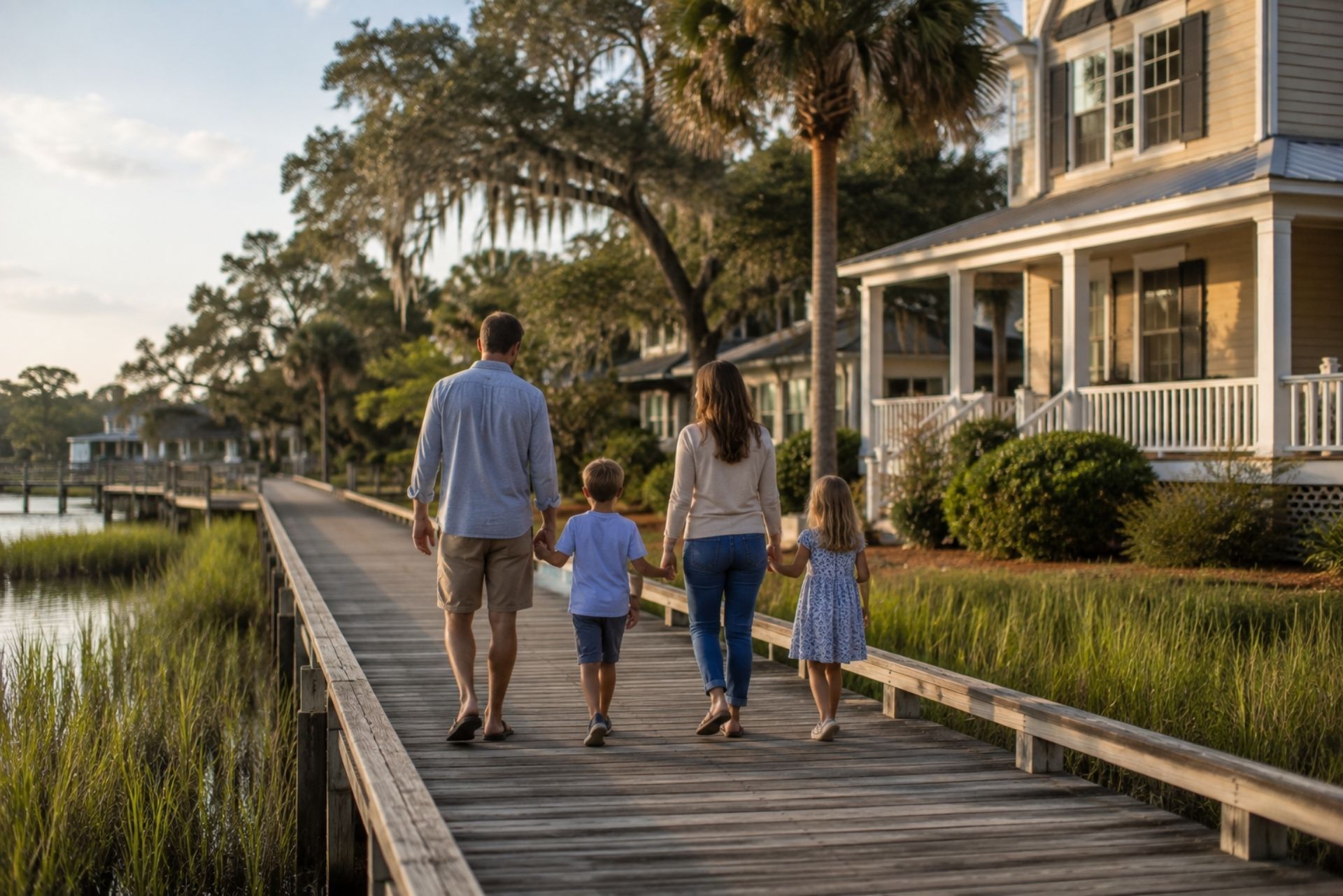
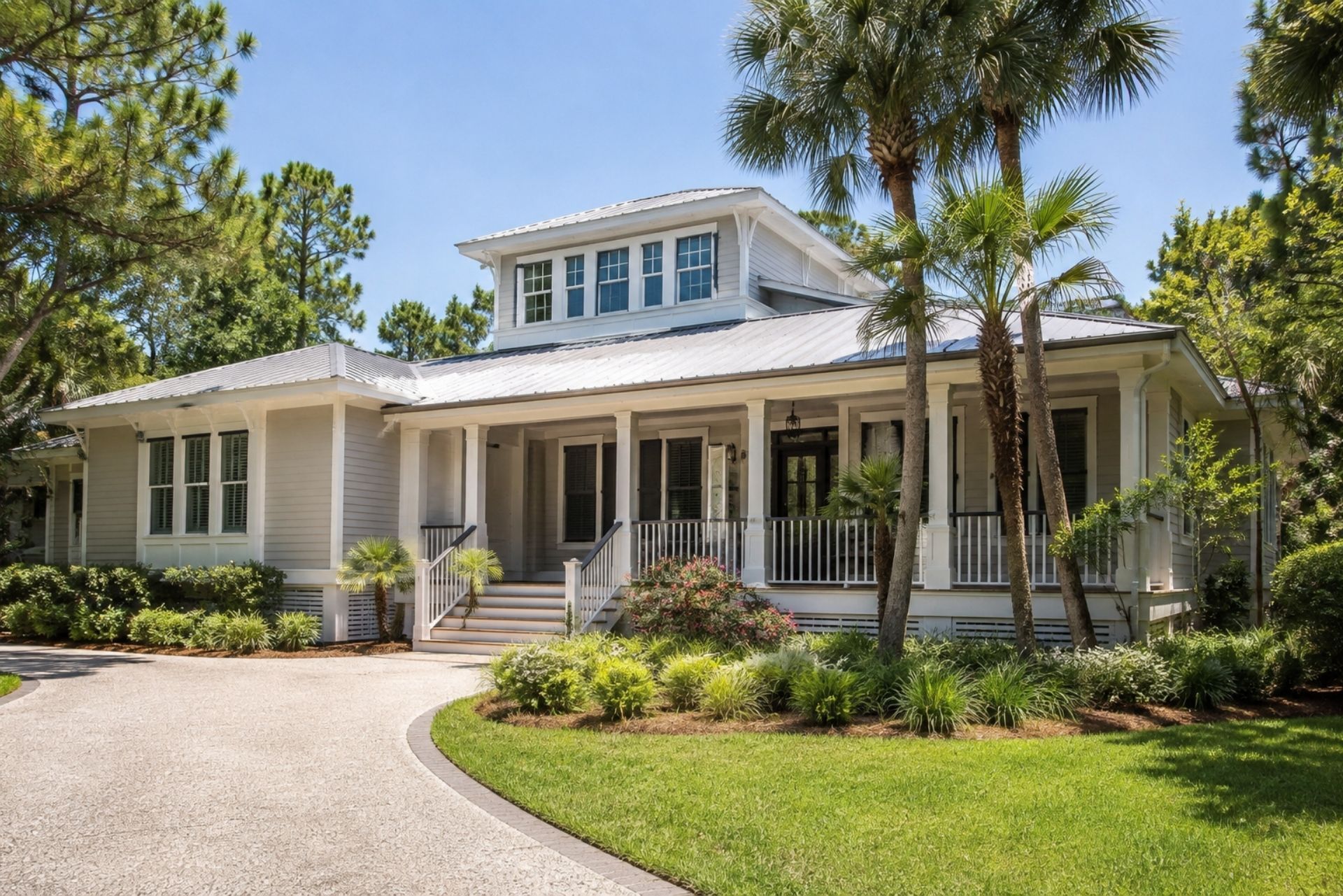
Owning a home on Hilton Head Island means waking up to salt air, live oaks draped in Spanish moss, and some of the best golf courses on the East Coast. It also means your property sits squarely in one of the most insurance-challenging zip codes in South Carolina. Hilton Head homeowners insurance averages $6,139 annually, nearly double the state average, and that number has been climbing steadily. The reasons are straightforward: hurricanes, flood exposure, and a shrinking pool of carriers willing to write policies on barrier islands. If you own property here or you're thinking about buying, understanding the local risks, which insurers are actually writing coverage, and how to structure your policy correctly isn't optional. It's the difference between being protected and being financially exposed after the next big storm. This guide breaks down what Hilton Head homeowners specifically need to know about coverage considerations, carrier appetite, and practical ways to manage costs in 2026.

Understanding Coastal Risks in Hilton Head Island

Hilton Head sits on a barrier island at the southern tip of South Carolina's coast, which makes it beautiful and vulnerable in equal measure. The combination of hurricane exposure, flood risk, and wind damage potential shapes every insurance decision you'll make here. Understanding these risks isn't academic: it directly determines what coverage you need and what you'll pay for it.

Hurricane and Tropical Storm Vulnerability

Hilton Head has been hit or brushed by multiple hurricanes over the past few decades, and the island's geography makes it particularly exposed. Hurricane Matthew in 2016 caused widespread damage, and the 2024 and 2025 seasons brought renewed attention to how quickly a tropical system can threaten the Lowcountry. The island's low elevation, typically between 5 and 15 feet above sea level, means storm surge is a major concern even from weaker storms.


What catches many homeowners off guard is that a Category 1 hurricane can still generate a 4- to 6-foot storm surge on Hilton Head. That's enough to flood ground-level living spaces in many neighborhoods, particularly in areas like Palmetto Dunes, Sea Pines, and along Broad Creek.

Flood Zones and Rising Sea Levels

A significant portion of Hilton Head Island falls within FEMA-designated flood zones, including high-risk Zone AE and coastal high-hazard Zone VE. Properties in these zones face mandatory flood insurance requirements if they carry a federally backed mortgage. Even homes outside the highest-risk zones can flood: roughly 25% of all flood claims nationally come from properties in moderate- or low-risk areas.


Rising sea levels add another layer of concern. Tidal flooding events on the island have increased noticeably over the past decade, and projections suggest this trend will accelerate. Your flood risk today may be measurably different from what it was when your home was built.

Wind and Hail Damage Potential

Wind is the other constant threat. Even tropical storms that don't make direct landfall can produce sustained winds of 50 to 70 mph on the island, enough to strip shingles, damage siding, and turn patio furniture into projectiles. Hail is less frequent than in the Upstate, but severe thunderstorms during spring and summer can produce damaging hailstones.


The age and construction of your roof matters enormously here. Homes with roofs older than 15 years often face higher premiums or outright coverage restrictions, because insurers know those roofs are more likely to fail in a wind event.

Your CSP agent

Lawson Walker, CIC

Insurance Sales

CSP Insurance Services is a fully licensed independent insurance agency serving individuals, families, and businesses across South Carolina.

From our home in Florence, we proudly serve clients in Florence, Myrtle Beach, Rock Hill, Columbia, and communities throughout South Carolina. As an independent Trusted Choice agency, our team works with a wide range of top-rated carriers to provide personal and commercial coverage — home, auto, business, life, and more — tailored to the real needs of the people and businesses we protect.

Fine Arts and High-Value Specialized Goods

Galleries, auction houses, and even corporate offices with art collections need specialized coverage. Standard property policies cap fine art at absurdly low limits, sometimes $2,500 per item. A fine arts floater provides agreed-value coverage, meaning you and the insurer agree on the item's worth upfront. If it's damaged or stolen, that's what you get paid.

Boat and Watercraft Coverage for Weekend Adventures

Your homeowners policy might cover a small kayak or canoe, but anything with a motor typically needs its own policy. Boat insurance covers physical damage to the vessel, liability for injuries or property damage you cause on the water, and sometimes towing and salvage costs.


Lake-specific risks differ from coastal ones. A boat kept at Myrtle Beach faces saltwater corrosion, hurricane exposure, and higher theft rates than one stored at a private dock on Lake Wateree. Your policy should reflect where you keep and operate the boat. An independent agency like CSP Insurance Services can compare quotes across multiple marine carriers to find coverage that actually matches your boating habits rather than forcing you into a one-size-fits-all plan.

Feature Admitted (Standard) Carriers Non-Admitted (E&S) Carriers
State regulation Fully regulated; rates filed with state Exempt from rate filing; flexible pricing
Guaranty fund protection Yes: state fund covers claims if carrier fails No: no guaranty fund backstop
Policy forms Standardized (ISO forms common) Manuscript or custom forms
Risk appetite Prefers low-to-moderate risk Accepts high-risk and unusual exposures
Premium cost Generally lower Typically 20-75% higher
Surplus lines tax Not applicable Buyer pays state surplus lines tax (varies 2-5%)
Speed of placement Standard timelines Can be faster or slower depending on complexity

Computer Equipment and Data Storage

Businesses increasingly rely on portable tech: laptops, tablets, external drives, and mobile servers. A computer equipment floater covers these items when employees take them off-site, whether that's a sales rep carrying a laptop to a client meeting in Columbia or a nonprofit transporting presentation equipment to a fundraiser. Some policies even cover the cost of data restoration, which can be more expensive than the hardware itself.
Essential Coverage Components for Lowcountry Homeowners

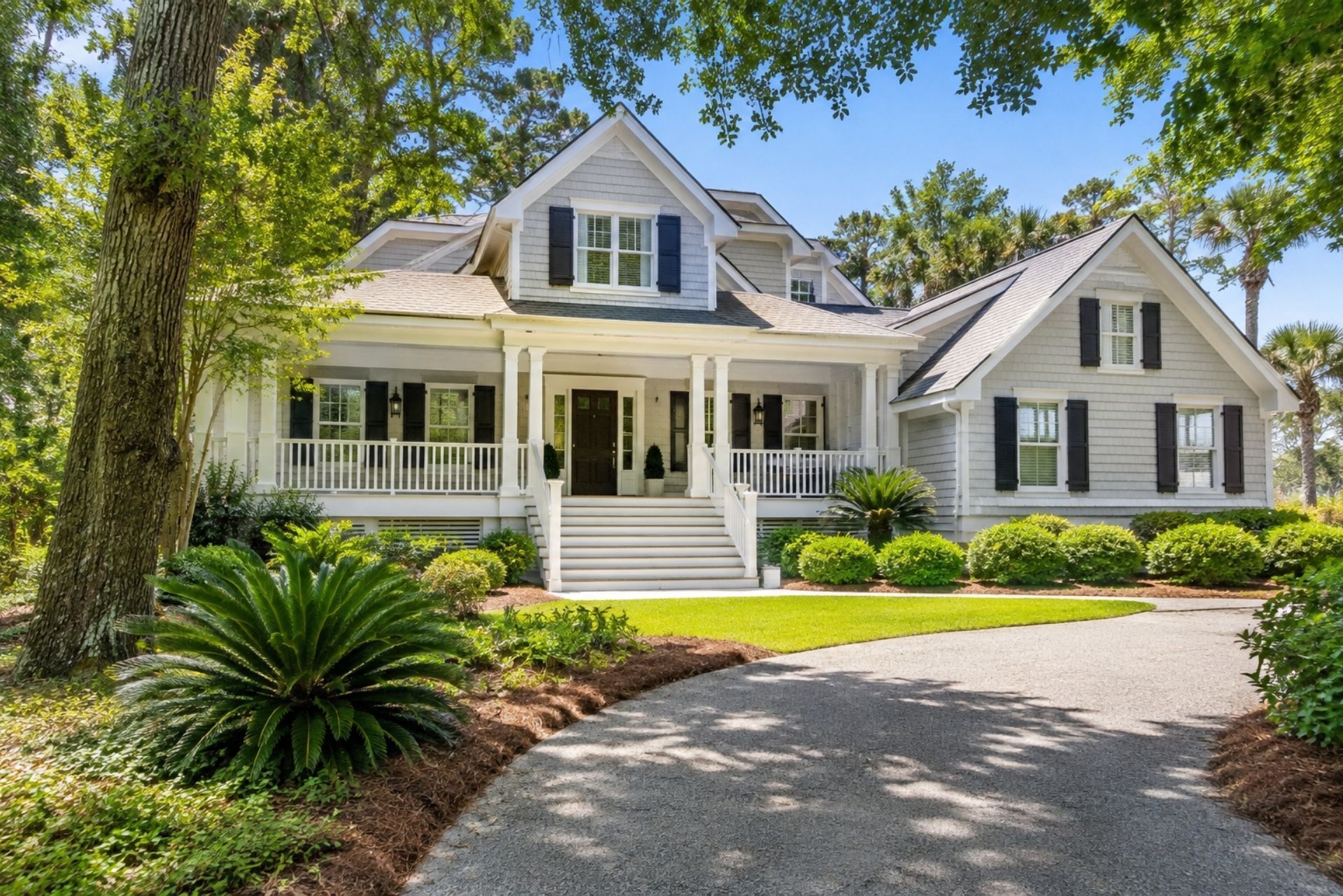
Getting the right coverage on Hilton Head means understanding that no single policy covers everything. You need to think about your insurance as a system of overlapping protections, each covering a specific type of loss.

Standard Homeowners vs. Flood Insurance

Your standard HO-3 homeowners policy covers wind damage, fire, theft, and liability, but it explicitly excludes flood damage. This is the single most misunderstood aspect of home insurance on the island. If a hurricane pushes water into your home, that's a flood claim, not a wind claim, and your homeowners policy won't pay for it.


You need a separate flood policy, either through the National Flood Insurance Program (NFIP) or a private flood carrier. NFIP policies cap dwelling coverage at $250,000, which won't fully protect many Hilton Head homes. Private flood insurance can offer higher limits and sometimes better pricing, but availability varies. An independent agency like CSP Insurance Services can compare options across multiple carriers to find the right fit, since they aren't locked into a single company's product.

The Importance of Replacement Cost for Island Properties

Construction costs on Hilton Head run significantly higher than mainland South Carolina. Between material transportation costs, contractor demand after storms, and local building codes that require hurricane-rated construction, rebuilding a home on the island can cost 20-40% more than the same home would cost to build in Columbia or Florence.


Make sure your dwelling coverage reflects actual replacement cost, not market value or your original purchase price. An outdated coverage amount is one of the most common mistakes we see. If your policy covers $350,000 but rebuilding would cost $500,000, you're carrying $150,000 in personal risk.

Factors That Influence Your Premium Costs

Several variables drive what you'll pay:


  • Specialty: Neurosurgeons pay far more than internists
  • Claims history: Prior claims increase your rates, sometimes dramatically
  • Location: Urban areas with higher jury awards tend to cost more
  • Policy type: Occurrence policies cost more than claims-made
  • Coverage limits: Higher limits mean higher premiums
  • Years in practice: New physicians sometimes pay less initially on claims-made policies (the "step" or "mature" rate system)


The trend line isn't encouraging. Malpractice claims data for 2026 shows continued growth in both claim frequency and severity, meaning premiums are likely to keep rising. Shopping your coverage through an independent agency that compares multiple carriers can save you thousands annually without sacrificing protection.

For most commercial projects, extended coverage with appropriate endorsements is the smarter choice. The premium difference is often modest compared to the potential gap in coverage.

Comparing Coverage Needs: Standard vs. Coastal Policies

Hilton Head homeowners face a different insurance equation than someone living in Rock Hill or Greenville. The table below highlights key differences between a standard inland policy and what a coastal homeowner typically needs.

Coverage Comparison Table

Coverage Element Standard Inland Policy Coastal Hilton Head Policy
Wind/Hurricane Included, standard deductible Included, separate named-storm deductible (2-5% of dwelling value)
Flood Not included, rarely needed Not included, essential separate policy
Dwelling Coverage Basis Replacement cost Replacement cost (higher per-sq-ft estimates)
Roof Coverage Full replacement common May be ACV for older roofs
Loss of Use Standard 20% of dwelling Critical: evacuation and extended displacement costs
Wind/Hail Deductible $1,000-$2,500 flat Percentage-based: 2-5% of Coverage A
Average Annual Premium ~$3,200 (SC average) ~$6,139 (Hilton Head average)

The percentage-based deductible is the detail that surprises most new island homeowners. On a home insured for $500,000, a 3% named-storm deductible means you're responsible for the first $15,000 of hurricane damage out of pocket.

Boat and Watercraft Coverage for Weekend Adventures

Your homeowners policy might cover a small kayak or canoe, but anything with a motor typically needs its own policy. Boat insurance covers physical damage to the vessel, liability for injuries or property damage you cause on the water, and sometimes towing and salvage costs.


Lake-specific risks differ from coastal ones. A boat kept at Myrtle Beach faces saltwater corrosion, hurricane exposure, and higher theft rates than one stored at a private dock on Lake Wateree. Your policy should reflect where you keep and operate the boat. An independent agency like CSP Insurance Services can compare quotes across multiple marine carriers to find coverage that actually matches your boating habits rather than forcing you into a one-size-fits-all plan.

Boat and Watercraft Coverage for Weekend Adventures

Your homeowners policy might cover a small kayak or canoe, but anything with a motor typically needs its own policy. Boat insurance covers physical damage to the vessel, liability for injuries or property damage you cause on the water, and sometimes towing and salvage costs.


Lake-specific risks differ from coastal ones. A boat kept at Myrtle Beach faces saltwater corrosion, hurricane exposure, and higher theft rates than one stored at a private dock on Lake Wateree. Your policy should reflect where you keep and operate the boat. An independent agency like CSP Insurance Services can compare quotes across multiple marine carriers to find coverage that actually matches your boating habits rather than forcing you into a one-size-fits-all plan.

Feature Admitted (Standard) Carriers Non-Admitted (E&S) Carriers
State regulation Fully regulated; rates filed with state Exempt from rate filing; flexible pricing
Guaranty fund protection Yes: state fund covers claims if carrier fails No: no guaranty fund backstop
Policy forms Standardized (ISO forms common) Manuscript or custom forms
Risk appetite Prefers low-to-moderate risk Accepts high-risk and unusual exposures
Premium cost Generally lower Typically 20-75% higher
Surplus lines tax Not applicable Buyer pays state surplus lines tax (varies 2-5%)
Speed of placement Standard timelines Can be faster or slower depending on complexity

This is a policy feature that doesn't get enough attention. A consent-to-settle clause gives you the right to approve or reject any settlement offer your insurer wants to make. Without it, your carrier can settle a claim you believe is meritless, and that settlement goes on your record.


Some policies include a "hammer clause" instead: if you refuse a settlement the insurer recommends and the case goes to trial with a worse outcome, you're responsible for the difference. Understanding this clause before you buy a policy is critical. At CSP Insurance Services, their team walks clients through these policy details line by line, which matters because the fine print in malpractice policies can have career-altering consequences.

The Role of Consent-to-Settle Clauses

Errors and Omissions (E&O) for Design Flaws

If your shop does any design work, engineering consultation, or CAD/CAM programming for clients, E&O insurance is essential. This covers claims where your professional judgment or technical expertise leads to a client's financial loss.


A common scenario: your shop designs a custom fixture based on a client's rough specifications, the fixture fails during production, and the client claims your design was flawed. Without E&O coverage, you're defending that claim and paying any settlement from your own funds. Product recall insurance trends in 2026 show that insurers are paying closer attention to design-related exposures, which means getting E&O in place now is smarter than waiting until underwriting tightens further.

Carrier Appetite and the South Carolina Insurance Market

The South Carolina insurance market has tightened considerably over the past three years. Hilton Head homeowners feel this more acutely than most, because many carriers have reduced their coastal exposure or stopped writing new policies on barrier islands entirely.

Admitted vs. Non-Admitted Carriers

Admitted carriers are licensed and regulated by the South Carolina Department of Insurance, and their policyholders are protected by the state guaranty fund if the carrier becomes insolvent. These are your preferred option when available. The challenge is that fewer admitted carriers are willing to write on Hilton Head in 2026 than five years ago.


Non-admitted (surplus lines) carriers fill the gap. They're legally allowed to write policies in South Carolina but aren't backed by the guaranty fund. They often charge higher premiums, but for some Hilton Head properties, especially older homes or those in the highest-risk flood zones, a surplus lines carrier may be the only option. Working with an independent agency that has access to both markets is critical here, because you need someone who can actually shop your risk across the carriers that are still writing on the island.

The Role of the South Carolina Wind and Hail Underwriting Association

When no private carrier will write wind and hail coverage for your property, the South Carolina Wind and Hail Underwriting Association serves as the insurer of last resort. This is a state-created pool, not a private company, and its coverage is limited to wind and hail damage only. You'd still need a separate policy for everything else: fire, theft, liability, and so on.


Premiums through the Wind Pool aren't cheap, and the coverage comes with restrictions. But for some Hilton Head properties, it's the only path to wind coverage, and mortgage lenders require it.

Specialty Lines: Flood, Earthquake, and Valuable Items

Flood insurance is a separate policy, typically written through FEMA's National Flood Insurance Program or a private carrier. If your home sits in a designated flood zone anywhere along the SC coast or near inland rivers, your mortgage lender will require it. But even homes outside mapped flood zones can flood: roughly 25% of flood claims come from properties in low-to-moderate risk areas.


Earthquake coverage is less common in South Carolina, but the state sits near the Charleston fault zone, which produced a magnitude 7.3 quake in 1886. A rider or standalone earthquake policy is worth considering if you're in the Lowcountry.


Scheduled personal property endorsements cover high-value items like jewelry, art, firearms, or musical instruments that exceed standard policy sub-limits. Most homeowners policies cap jewelry coverage at $1,500-$2,500 per item. If your engagement ring is worth $8,000, you need a scheduled endorsement or inland marine floater to cover the difference.

FAQ: What counts as a disability? Does it cover mental health? Are benefits taxable?

What qualifies as a disability under most group plans? Most policies define disability as the inability to perform the essential duties of your own occupation (for the first 1-2 years) and later shift to an "any occupation" standard. The exact definition varies by carrier and policy, so reading the contract language matters.


Does disability insurance cover mental health conditions? Yes, most modern group disability policies cover mental health conditions like depression, anxiety, and PTSD. However, many policies limit mental health claims to 24 months of benefits, even if the overall policy pays to age 65. Ask about this limitation before you buy.


Are disability benefits taxable? It depends on who pays the premium. If the employer pays, benefits are taxable to the employee. If the employee pays with after-tax dollars, benefits are received tax-free.


Can employees receive both workers' comp and disability benefits? Generally, no. Most disability policies include an offset provision that reduces benefits by the amount of workers' compensation received. The two programs are designed to complement each other, not stack.


Is there a waiting period before new employees can enroll? Most group plans allow employers to set an eligibility waiting period, commonly 30, 60, or 90 days. South Carolina doesn't regulate this waiting period for disability coverage, so it's up to the employer.


What happens if an employee is partially disabled? Many LTD policies include a partial or residual disability benefit that pays a reduced amount if the employee can work part-time but not full-time. This feature encourages return-to-work efforts while still providing financial support.

Factors That Influence Your Monthly Premiums

Several factors drive your builders risk premium. Project type matters: a wood-frame apartment complex costs more to insure than a concrete tilt-up warehouse. Location is significant, especially in South Carolina where coastal proximity affects wind/hail rates dramatically. A project in Florence will price very differently from one on the Grand Strand.


Other factors include project duration, the contractor's loss history, protective safeguards on-site (fencing, security cameras, fire extinguishers), and the deductible you choose. Premiums typically run between 1% and 4% of the total project value, though market conditions in early 2026 have pushed rates toward the lower end for well-managed projects.

Usually, yes. A single claim can increase your premiums by 10% to 30% or more, depending on the severity and outcome. Some carriers offer claims-free discounts that you'd lose. That said, a claim that's dismissed or results in no payout has less impact than one with a large settlement. Shopping your renewal through an independent agent can help offset rate increases by comparing offers from competing carriers.

FAQ: Will my rates go up if I have one claim?

Apartment complex insurance isn't a single policy: it's a coordinated set of coverages that work together to protect your buildings, your income, your employees, and your financial future. The right package includes general liability, commercial property, workers comp, commercial auto, and specialized add-ons like loss of rental income and equipment breakdown. Skipping any one of these creates a gap that a single bad claim can exploit.


The most effective approach is working with an independent agency that can compare options across multiple carriers. CSP Insurance Services has been helping South Carolina property owners build customized coverage programs since 1939, with direct access to real people who understand multifamily risk. If you're unsure whether your current coverage matches your actual exposure, or if you're purchasing a new complex and need to build a policy from scratch, request a quote to get a personalized analysis of your insurance needs. A 20-minute conversation now can save you six figures when a claim hits.

Does general liability cover fuel spills?

Usually not. Most GL policies contain pollution exclusions that specifically exclude fuel spills and environmental contamination. You need a separate pollution liability policy to cover cleanup costs, third-party damages, and regulatory fines from fuel releases.

Ways to Lower Your Hilton Head Premiums

You can't eliminate the island's risk profile, but you can take concrete steps to reduce what you pay.

Wind Mitigation and Fortified Roof Credits

South Carolina offers meaningful premium discounts for homes that meet wind mitigation standards. A wind mitigation inspection documents features like roof-to-wall connections, secondary water barriers, and impact-resistant openings. Homes that earn FORTIFIED designation through the Insurance Institute for Business & Home Safety can qualify for discounts of 20-40% on wind premiums.


The SC Safe Home Program provides grants to help homeowners retrofit their properties against hurricane damage. Grants can cover roof upgrades, opening protection, and other hardening measures. The program accepts applications periodically, and the investment in qualifying improvements often pays for itself through premium savings within a few years.

Managing Deductibles for Named Storms

Your named-storm deductible is one of the biggest levers affecting your premium. Choosing a higher percentage (say 5% instead of 2%) will lower your annual cost, but it increases your out-of-pocket exposure after a hurricane. On a $600,000 policy, that's the difference between a $12,000 and a $30,000 deductible.


Think carefully about what you can actually afford to pay after a storm. CSP Insurance Services helps clients run these scenarios so the decision is based on real numbers, not guesswork. The right deductible balances what you can handle financially against what you're willing to pay monthly.

Boat and Watercraft Coverage for Weekend Adventures

Your homeowners policy might cover a small kayak or canoe, but anything with a motor typically needs its own policy. Boat insurance covers physical damage to the vessel, liability for injuries or property damage you cause on the water, and sometimes towing and salvage costs.


Lake-specific risks differ from coastal ones. A boat kept at Myrtle Beach faces saltwater corrosion, hurricane exposure, and higher theft rates than one stored at a private dock on Lake Wateree. Your policy should reflect where you keep and operate the boat. An independent agency like CSP Insurance Services can compare quotes across multiple marine carriers to find coverage that actually matches your boating habits rather than forcing you into a one-size-fits-all plan.

Boat and Watercraft Coverage for Weekend Adventures

Your homeowners policy might cover a small kayak or canoe, but anything with a motor typically needs its own policy. Boat insurance covers physical damage to the vessel, liability for injuries or property damage you cause on the water, and sometimes towing and salvage costs.


Lake-specific risks differ from coastal ones. A boat kept at Myrtle Beach faces saltwater corrosion, hurricane exposure, and higher theft rates than one stored at a private dock on Lake Wateree. Your policy should reflect where you keep and operate the boat. An independent agency like CSP Insurance Services can compare quotes across multiple marine carriers to find coverage that actually matches your boating habits rather than forcing you into a one-size-fits-all plan.

Feature Admitted (Standard) Carriers Non-Admitted (E&S) Carriers
State regulation Fully regulated; rates filed with state Exempt from rate filing; flexible pricing
Guaranty fund protection Yes: state fund covers claims if carrier fails No: no guaranty fund backstop
Policy forms Standardized (ISO forms common) Manuscript or custom forms
Risk appetite Prefers low-to-moderate risk Accepts high-risk and unusual exposures
Premium cost Generally lower Typically 20-75% higher
Surplus lines tax Not applicable Buyer pays state surplus lines tax (varies 2-5%)
Speed of placement Standard timelines Can be faster or slower depending on complexity

This is a policy feature that doesn't get enough attention. A consent-to-settle clause gives you the right to approve or reject any settlement offer your insurer wants to make. Without it, your carrier can settle a claim you believe is meritless, and that settlement goes on your record.


Some policies include a "hammer clause" instead: if you refuse a settlement the insurer recommends and the case goes to trial with a worse outcome, you're responsible for the difference. Understanding this clause before you buy a policy is critical. At CSP Insurance Services, their team walks clients through these policy details line by line, which matters because the fine print in malpractice policies can have career-altering consequences.

The Role of Consent-to-Settle Clauses

Errors and Omissions (E&O) for Design Flaws

If your shop does any design work, engineering consultation, or CAD/CAM programming for clients, E&O insurance is essential. This covers claims where your professional judgment or technical expertise leads to a client's financial loss.


A common scenario: your shop designs a custom fixture based on a client's rough specifications, the fixture fails during production, and the client claims your design was flawed. Without E&O coverage, you're defending that claim and paying any settlement from your own funds. Product recall insurance trends in 2026 show that insurers are paying closer attention to design-related exposures, which means getting E&O in place now is smarter than waiting until underwriting tightens further.

Common Questions About Hilton Head Home Insurance

Do I need flood insurance if I'm not in a high-risk flood zone? Yes, strongly recommended. Flood damage isn't covered by your homeowners policy regardless of your zone, and lower-risk zones still experience flooding, especially during tropical events.


Will my insurance cover damage from a hurricane? Wind damage is covered by your homeowners policy, but water damage from storm surge or flooding requires a separate flood policy. This distinction catches many homeowners off guard after a storm.


How long does it take for flood insurance to go into effect? NFIP policies have a 30-day waiting period. Private flood policies sometimes have shorter waiting periods, but don't wait until a storm is in the forecast to buy coverage.


Can I get a single policy that covers everything on Hilton Head? Not really. Most Hilton Head homeowners need at minimum a homeowners policy and a flood policy, and some need a separate wind/hail policy through the Wind Pool. An independent agent can package these together so nothing falls through the cracks.


Why is my Hilton Head premium so much higher than my friend's home in Columbia? Coastal exposure. South Carolina's average homeowners premium is significantly lower than what barrier island properties pay because inland homes face far less hurricane, flood, and wind risk.


Does my condo association's master policy cover my unit? Partially. The master policy typically covers the building's structure, but you need an HO-6 condo policy for your personal property, interior finishes, and personal liability.

Specialty Lines: Flood, Earthquake, and Valuable Items

Flood insurance is a separate policy, typically written through FEMA's National Flood Insurance Program or a private carrier. If your home sits in a designated flood zone anywhere along the SC coast or near inland rivers, your mortgage lender will require it. But even homes outside mapped flood zones can flood: roughly 25% of flood claims come from properties in low-to-moderate risk areas.


Earthquake coverage is less common in South Carolina, but the state sits near the Charleston fault zone, which produced a magnitude 7.3 quake in 1886. A rider or standalone earthquake policy is worth considering if you're in the Lowcountry.


Scheduled personal property endorsements cover high-value items like jewelry, art, firearms, or musical instruments that exceed standard policy sub-limits. Most homeowners policies cap jewelry coverage at $1,500-$2,500 per item. If your engagement ring is worth $8,000, you need a scheduled endorsement or inland marine floater to cover the difference.

FAQ: What counts as a disability? Does it cover mental health? Are benefits taxable?

What qualifies as a disability under most group plans? Most policies define disability as the inability to perform the essential duties of your own occupation (for the first 1-2 years) and later shift to an "any occupation" standard. The exact definition varies by carrier and policy, so reading the contract language matters.


Does disability insurance cover mental health conditions? Yes, most modern group disability policies cover mental health conditions like depression, anxiety, and PTSD. However, many policies limit mental health claims to 24 months of benefits, even if the overall policy pays to age 65. Ask about this limitation before you buy.


Are disability benefits taxable? It depends on who pays the premium. If the employer pays, benefits are taxable to the employee. If the employee pays with after-tax dollars, benefits are received tax-free.


Can employees receive both workers' comp and disability benefits? Generally, no. Most disability policies include an offset provision that reduces benefits by the amount of workers' compensation received. The two programs are designed to complement each other, not stack.


Is there a waiting period before new employees can enroll? Most group plans allow employers to set an eligibility waiting period, commonly 30, 60, or 90 days. South Carolina doesn't regulate this waiting period for disability coverage, so it's up to the employer.


What happens if an employee is partially disabled? Many LTD policies include a partial or residual disability benefit that pays a reduced amount if the employee can work part-time but not full-time. This feature encourages return-to-work efforts while still providing financial support.

Factors That Influence Your Monthly Premiums

Several factors drive your builders risk premium. Project type matters: a wood-frame apartment complex costs more to insure than a concrete tilt-up warehouse. Location is significant, especially in South Carolina where coastal proximity affects wind/hail rates dramatically. A project in Florence will price very differently from one on the Grand Strand.


Other factors include project duration, the contractor's loss history, protective safeguards on-site (fencing, security cameras, fire extinguishers), and the deductible you choose. Premiums typically run between 1% and 4% of the total project value, though market conditions in early 2026 have pushed rates toward the lower end for well-managed projects.

Usually, yes. A single claim can increase your premiums by 10% to 30% or more, depending on the severity and outcome. Some carriers offer claims-free discounts that you'd lose. That said, a claim that's dismissed or results in no payout has less impact than one with a large settlement. Shopping your renewal through an independent agent can help offset rate increases by comparing offers from competing carriers.

FAQ: Will my rates go up if I have one claim?

Apartment complex insurance isn't a single policy: it's a coordinated set of coverages that work together to protect your buildings, your income, your employees, and your financial future. The right package includes general liability, commercial property, workers comp, commercial auto, and specialized add-ons like loss of rental income and equipment breakdown. Skipping any one of these creates a gap that a single bad claim can exploit.


The most effective approach is working with an independent agency that can compare options across multiple carriers. CSP Insurance Services has been helping South Carolina property owners build customized coverage programs since 1939, with direct access to real people who understand multifamily risk. If you're unsure whether your current coverage matches your actual exposure, or if you're purchasing a new complex and need to build a policy from scratch, request a quote to get a personalized analysis of your insurance needs. A 20-minute conversation now can save you six figures when a claim hits.

Does general liability cover fuel spills?

Usually not. Most GL policies contain pollution exclusions that specifically exclude fuel spills and environmental contamination. You need a separate pollution liability policy to cover cleanup costs, third-party damages, and regulatory fines from fuel releases.

Making the Right Choice for Your Island Property

Insuring a home on Hilton Head Island requires more thought than insuring a home almost anywhere else in South Carolina. Between the need for multiple policies, percentage-based deductibles, and a shrinking number of carriers willing to write on the island, the decisions you make about coverage directly affect your financial security.


The most important steps: make sure your dwelling coverage reflects true replacement cost, carry a separate flood policy even if your lender doesn't require one, and invest in wind mitigation improvements that both protect your home and lower your premiums. Don't assume your current policy is adequate just because you haven't had a claim.


If you're unsure whether your current coverage matches your actual risk, or if you're shopping for a new policy, it's worth getting a professional review from an independent agency that knows the Hilton Head market. You can request a quote from CSP Insurance Services to have your coverage evaluated against what the island's risk profile actually demands. Getting this right before hurricane season is always better than discovering gaps after a storm.

About the author

Lawson Walker, CIC

I'm proud to be part of an agency that's served Florence since 1939. CSP Insurance Services started as Cormell-Streett & Patterson, built by people who believed insurance should be personal — and more than eight decades later, that conviction still drives everything we do. Commitment, Service, Protection isn't just what CSP stands for; it's how I approach every client relationship.


As an independent, Trusted Choice agency, we aren't tied to any single carrier. That means I work for you — shopping multiple companies to match you with coverage that actually fits your family, your business, and your budget. No call centers, no chatbots. Just a local expert who takes the time to understand what matters to you and stands by you when it counts.


Whether you're protecting your home, your car, or a business you've spent years building, I'd be glad to help you find the right coverage.

We compare several carriers to find a policy that fits you, not one company's products.

80+ years local experience

1939

Serving SC

Meet Richard

Most Requested

Core business coverage.

The policies most South Carolina businesses start with.

Commercial Property

Protect the building, equipment, and inventory your business runs on, so a covered fire, theft, or storm doesn’t become a closed door.

Workers Compensation

Required for most South Carolina employers with staff. It covers medical bills and lost wages when an employee is hurt on the job.

Commercial Auto

Cars, trucks, and fleets used for work need more than a personal policy. This handles liability, damage, and your drivers.

General Liability

Accidents happen on the job and on your property. General liability covers third-party injury and property damage claims against your business.

Inland Marine

Tools, equipment, and goods on the move aren’t covered by standard property policies. Inland marine protects them wherever they travel.

Business Owners (BOP)

A business owners policy bundles property and liability coverage into one package, often at a better price for small businesses.

We compare several carriers to find a policy that fits you, not one company's products.

80+ years local experience

1939

Serving SC

Insurance Sales

J. Roger Jordan, CIC

Meet Richard

[CONFIRM bio]

Personal Insurance

Coverage for your home, vehicles, and family.

Protect what matters most with personal policies shopped across our carriers.

Home

Your house is likely your largest investment. Home insurance helps rebuild after covered damage and protects you from liability.

Auto

South Carolina drivers need real protection. Auto coverage handles liability, collision, medical costs, and uninsured drivers.

Umbrella

When a serious claim climbs past your home or auto limits, umbrella coverage adds an extra layer of liability protection.

Boat

Time on the water should be worry-free. Boat coverage protects your vessel, your passengers, and your liability on the lake or coast.

Motorcycle

Riders need coverage built for the road. Motorcycle insurance protects your bike, your gear, and you after an accident.

Condo

Your association covers the building, but not what’s inside. Condo insurance protects your belongings, improvements, and liability.

We compare several carriers to find a policy that fits you, not one company's products.

80+ years local experience

1939

Serving SC

Insurance Sales

J. Roger Jordan, CIC

Meet Richard

[CONFIRM bio]

Get a Quote

Boat

Your association covers the building, but not what’s inside. Condo insurance protects your belongings, improvements, and liability.

Time on the water should be worry-free. Boat coverage protects your vessel, your passengers, and your liability on the lake or coast.

Condo

Get a Quote

Motorcycle

Riders need coverage built for the road. Motorcycle insurance protects your bike, your gear, and you after an accident.

Get a Quote

Industries We Serve

Specialized coverage for your industry.

Every industry carries its own risk. We help South Carolina businesses protect what they've built.

Restaurants

Kitchens, customers, and staff create daily exposure. We protect your property, equipment, liquor liability, and employees.

Manufacturers

From equipment breakdown to product liability, manufacturers face risk on the floor and beyond. We help cover property, machinery, and goods.

Healthcare Providers

Practices and clinics carry patient, property, and professional risk. We help cover liability, equipment, and the people who run your practice.

We compare several carriers to find a policy that fits you, not one company's products.

80+ years local experience

1939

Serving SC

Commercial Property

Protect the building, equipment, and inventory your business runs on, so a covered fire, theft, or storm doesn’t become a closed door.

Meet Richard View all business coverage Get a Quote

Commercial Auto

Get a Quote

Cars, trucks, and fleets used for work need more than a personal policy. This handles liability, damage, and your drivers.

How It Works

Getting covered is simple.

Four steps, one real person from start to finish.

Tell us about you

Share a few details about what you need to protect. A real person reviews it.

We compare carriers

We shop options across our carriers to find strong protection at a fair price.

We recommend coverage

We walk you through the policy in plain language and answer every question.

You get covered

Sign with confidence — and we stay on for changes, claims, and yearly reviews.

We compare several carriers to find a policy that fits you, not one company's products.

Multi-carrier choice

Claims advocacy

When a claim happens, we stand in your corner and help move it forward with your carrier.

Local SC roots

We live and work in Florence and understand the risks your community faces because we face them too.

Client Reviews

Why clients choose CSP.

Independent advice, real people, and decades of local roots.

We compare several carriers to find a policy that fits you, not one company's products.

80+ years local experience

1939

Serving SC

Insurance Sales

J. Roger Jordan, CIC

Meet Richard

[CONFIRM bio]

Get a Quote

Boat

Your association covers the building, but not what’s inside. Condo insurance protects your belongings, improvements, and liability.

Time on the water should be worry-free. Boat coverage protects your vessel, your passengers, and your liability on the lake or coast.

Condo

Get a Quote

Motorcycle

Riders need coverage built for the road. Motorcycle insurance protects your bike, your gear, and you after an accident.

Get a Quote

FAQs

Questions, answered.

Straight answers about working with an independent agency.

  • What does an independent insurance agency do?

    An independent agency represents several carriers instead of one. We compare coverage and pricing across companies, then recommend the policy that fits you best.

  • Do you cover both personal and business insurance?

    Yes. CSP writes personal lines like home and auto, and commercial lines for businesses across South Carolina.

  • How long has CSP been in business?

    CSP traces its roots to 1939, with more than 80 years serving South Carolina families and businesses.

  • Will I work with a real person?

    Always. No call centers and no chatbots — you work with a local team member who knows your account.

  • Which areas do you serve?

    We’re based in Florence and serve clients statewide, including Myrtle Beach, Rock Hill, and Columbia.

  • How do I get a quote?

    Request a quote online, call us, or stop by the office. A real person will review your needs and follow up.

How It Works

Insurance tips & updates.

Plain-language guidance to help you make confident decisions.

How Much Does Business Insurance Cost for a Small Business in Florence, SC?
6 August 2026
Learn how much small business insurance costs in Florence, SC, including GL, workers’ comp, property coverage, pricing factors, and ways to save.
What Insurance Does a Small Business in South Carolina Legally Need?
6 August 2026
Learn what insurance South Carolina small businesses legally need, including workers’ comp, commercial auto, and essential coverage beyond state requirements.
Group Health Insurance vs. Individual Plans: Which Is Right for SC Employers?
6 August 2026
Compare group health insurance vs. individual plans for SC employers. Learn costs, tax benefits, ICHRA options, and the best fit for your team.

We compare several carriers to find a policy that fits you, not one company's products.

80+ years local experience

1939

Serving SC

Insurance Sales

J. Roger Jordan, CIC

Meet Richard

[CONFIRM bio]

Get a Quote

Boat

Your association covers the building, but not what’s inside. Condo insurance protects your belongings, improvements, and liability.

Time on the water should be worry-free. Boat coverage protects your vessel, your passengers, and your liability on the lake or coast.

Condo

Get a Quote

Motorcycle

Riders need coverage built for the road. Motorcycle insurance protects your bike, your gear, and you after an accident.


Get a Quote

Get a Quote

Let's find your coverage.

Tell us a little about what you need to protect. A real person from our Florence team will review it and follow up.

2420 Hoffmeyer Road, Suite D
Florence, SC 29501

Mon–Fri 8:30am – 5:00pm