

Pollution Liability Insurance

CSP Insurance Services was founded in 1939, when Clifford Cormell joined Earnest Streett to sell insurance in Florence. More than 80 years later, we still answer the phone ourselves. No call centers, no chatbots — just a local team that knows your name and your policy.

We compare several carriers to find a policy that fits you, not one company's products.

80+ years local experience

Hospital bills, treatment, and prescriptions for a work-related injury or illness.

Medical expenses

Claims history

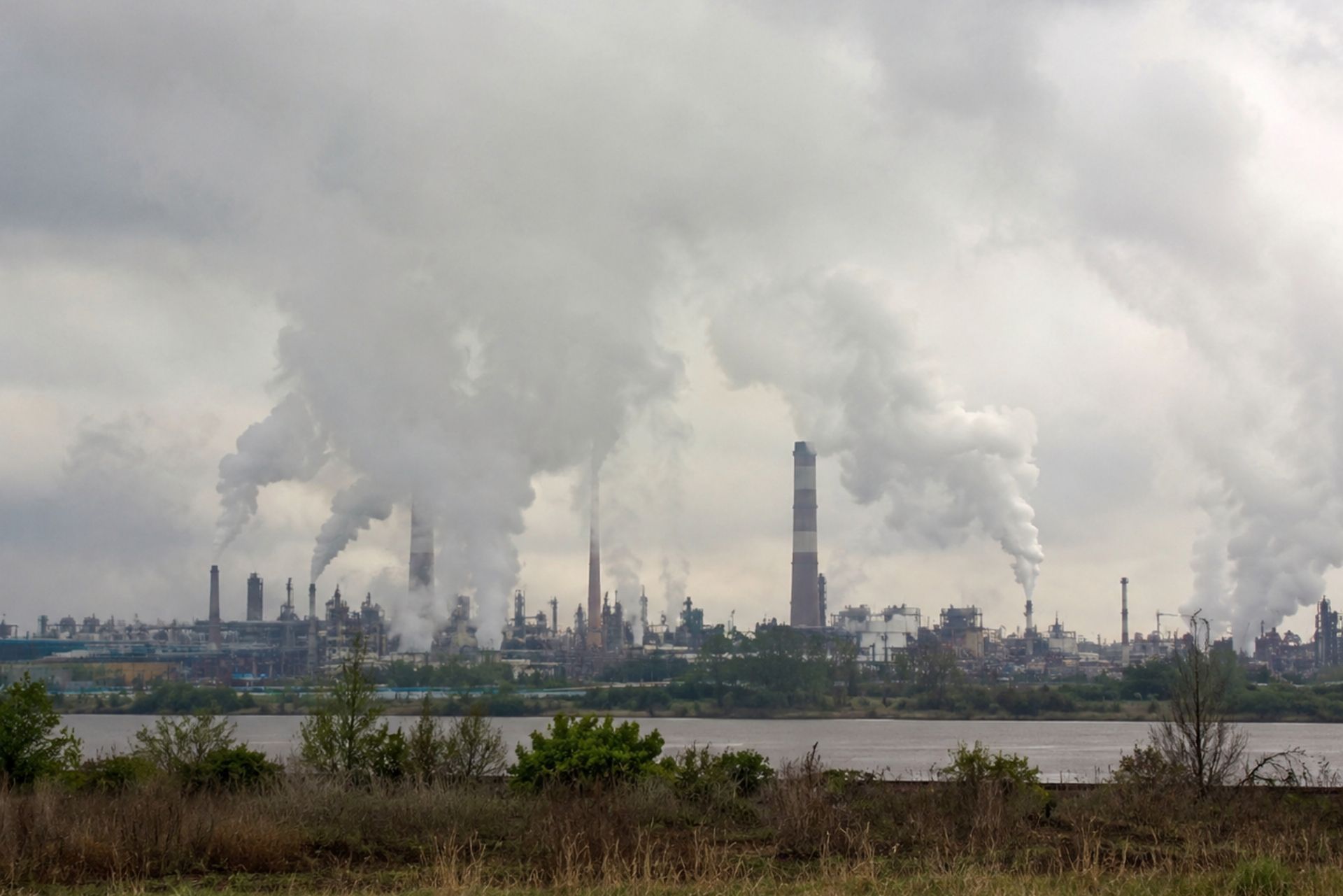
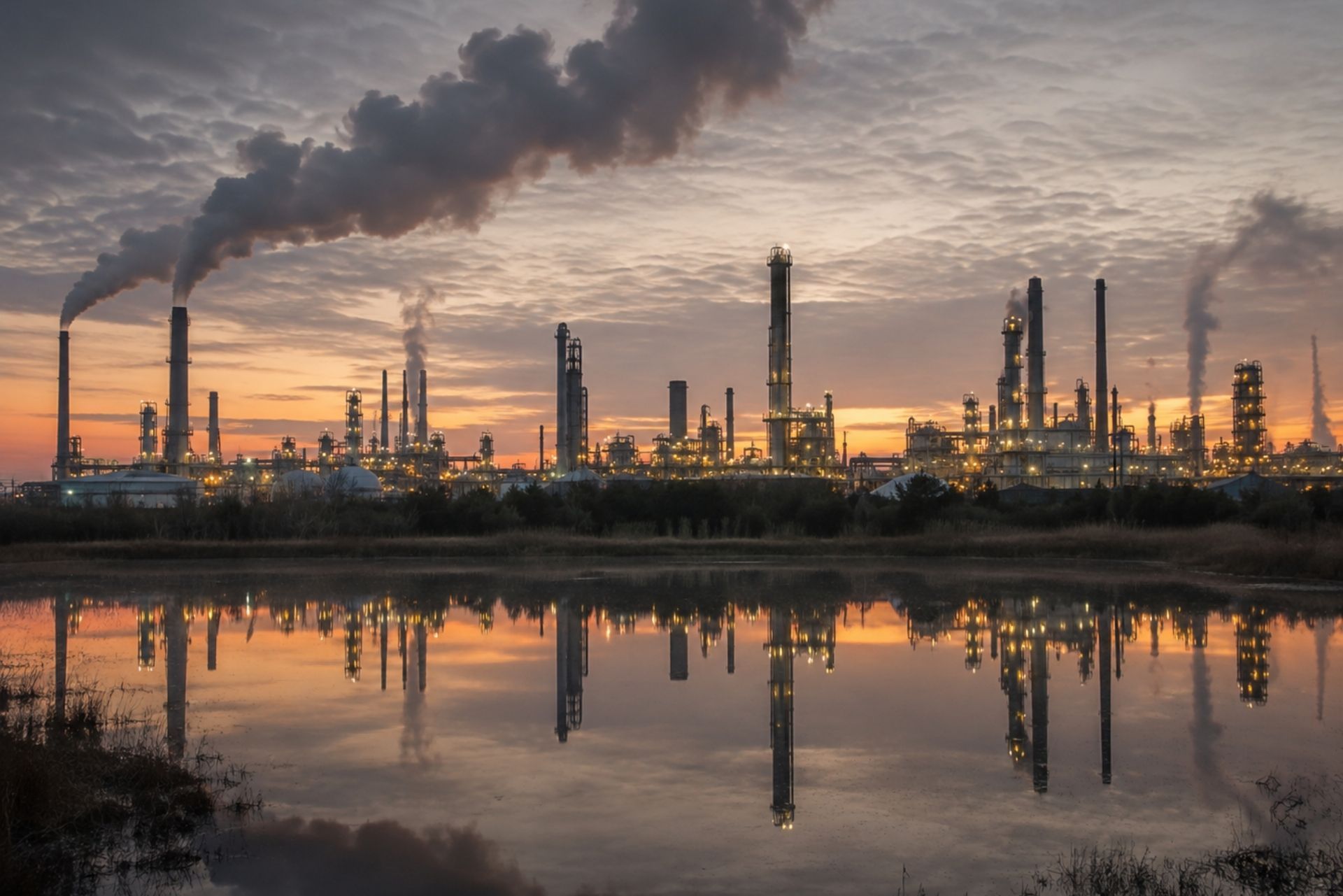
A chemical spill at a manufacturing plant in the Upstate. A fuel tank leak at a gas station near Myrtle Beach. A dry cleaner's solvents seeping into groundwater in Columbia. These aren't hypothetical scenarios: they're the kinds of environmental incidents that happen to South Carolina businesses every year, and they can cost hundreds of thousands of dollars in cleanup alone. The real shock for most business owners isn't the spill itself but the moment they discover their general liability policy won't cover a dime of it.


Pollution liability insurance exists specifically to fill that gap, covering cleanup costs, third-party bodily injury, property damage, and legal defense expenses tied to environmental contamination events. Yet most small and mid-sized businesses either don't carry it or don't understand how their policy actually works. The contractors pollution liability market alone is projected to reach $13.8 billion by 2034, reflecting just how much demand has grown as regulations tighten and environmental claims become more complex. If you own or operate a business that handles, stores, transports, or could inadvertently release pollutants, this is the coverage gap you can't afford to ignore.

Understanding Pollution Liability Insurance and Who Needs It

Pollution liability insurance provides financial protection when a business causes or contributes to environmental contamination. That contamination can be as dramatic as a chemical explosion or as subtle as years of slow groundwater contamination from a leaking underground storage tank. The policy typically covers remediation costs, third-party claims for bodily injury or property damage, legal defense, and sometimes even business interruption losses tied to the pollution event.


Who needs it? The short answer: more businesses than you'd think. Any company that uses, stores, manufactures, or transports chemicals, fuels, solvents, or waste products should seriously consider this coverage. But the need extends beyond obvious industrial operations. Landscapers applying pesticides, auto body shops using paint and solvents, even property owners with older buildings containing asbestos or lead paint all carry environmental exposure.

Why General Liability Policies Often Fall Short

Most commercial general liability (CGL) policies contain what's called a "total pollution exclusion." This exclusion was introduced in the 1980s after insurers faced massive asbestos and toxic waste claims. It essentially removes coverage for any bodily injury, property damage, or cleanup costs arising from the discharge, dispersal, or release of pollutants.


Some CGL policies include a narrow exception for "sudden and accidental" pollution events, but the definition of "sudden" has been litigated endlessly. In practice, if contamination took more than a few hours to manifest or wasn't truly unexpected, your CGL insurer will likely deny the claim. That leaves you holding the bill for remediation that can easily run into six or seven figures.

Industries with the Highest Environmental Risks

Certain sectors face outsized pollution exposure. Manufacturing facilities, chemical distributors, petroleum operations, and waste haulers sit at the top of the risk spectrum. But South Carolina's economy creates some specific pressure points worth noting.


  • Coastal hospitality and construction businesses face flood-related contamination risks, especially in FEMA-designated flood zones along the Grand Strand and Lowcountry.
  • Agricultural operations using fertilizers and pesticides can contaminate surface water and soil.
  • Healthcare facilities generate biohazardous waste that requires careful handling and disposal.
  • Auto repair shops and dry cleaners routinely use solvents classified as hazardous substances.
  • Real estate developers and property owners inheriting contaminated sites can be held liable under federal Superfund law regardless of who caused the original pollution.


The rise of PFAS ("forever chemicals") litigation has also created a new class of risk. Insurers are increasingly treating PFAS contamination as uninsurable under standard policies, which makes dedicated environmental coverage even more critical for businesses with any PFAS exposure.

Your CSP agent

Lawson Walker, CIC

Insurance Sales

CSP Insurance Services is a fully licensed independent insurance agency serving individuals, families, and businesses across South Carolina.

From our home in Florence, we proudly serve clients in Florence, Myrtle Beach, Rock Hill, Columbia, and communities throughout South Carolina. As an independent Trusted Choice agency, our team works with a wide range of top-rated carriers to provide personal and commercial coverage — home, auto, business, life, and more — tailored to the real needs of the people and businesses we protect.

Boat and Watercraft Coverage for Weekend Adventures

Your homeowners policy might cover a small kayak or canoe, but anything with a motor typically needs its own policy. Boat insurance covers physical damage to the vessel, liability for injuries or property damage you cause on the water, and sometimes towing and salvage costs.


Lake-specific risks differ from coastal ones. A boat kept at Myrtle Beach faces saltwater corrosion, hurricane exposure, and higher theft rates than one stored at a private dock on Lake Wateree. Your policy should reflect where you keep and operate the boat. An independent agency like CSP Insurance Services can compare quotes across multiple marine carriers to find coverage that actually matches your boating habits rather than forcing you into a one-size-fits-all plan.

Feature Admitted (Standard) Carriers Non-Admitted (E&S) Carriers
State regulation Fully regulated; rates filed with state Exempt from rate filing; flexible pricing
Guaranty fund protection Yes: state fund covers claims if carrier fails No: no guaranty fund backstop
Policy forms Standardized (ISO forms common) Manuscript or custom forms
Risk appetite Prefers low-to-moderate risk Accepts high-risk and unusual exposures
Premium cost Generally lower Typically 20-75% higher
Surplus lines tax Not applicable Buyer pays state surplus lines tax (varies 2-5%)
Speed of placement Standard timelines Can be faster or slower depending on complexity

Key Differences: General Liability vs. Pollution Liability

The distinction between these two policies isn't just academic: it determines whether your business survives a contamination event or faces financial ruin. A CGL policy is designed for slip-and-fall injuries, advertising claims, and general property damage. It was never built to handle environmental remediation, regulatory compliance costs, or long-tail contamination claims.


Pollution liability policies, by contrast, are purpose-built for environmental risk. They cover both first-party costs (cleaning up your own property) and third-party claims (damage to neighboring properties, injuries to nearby residents). Many also cover legal defense against regulatory actions from the EPA or SC DHEC, which can be just as expensive as the cleanup itself.

Comparison Chart: Coverage Gap Analysis

Coverage Element General Liability (CGL) Pollution Liability
Sudden chemical spill cleanup Usually excluded Covered
Gradual groundwater contamination Excluded Covered
Third-party bodily injury from pollutants Excluded Covered
EPA/DHEC regulatory defense costs Excluded Covered
Transportation pollution incidents Excluded Covered (operational policies)
Mold remediation Typically excluded Often covered
PFAS-related claims Excluded Varies by policy
Business interruption from contamination Excluded Available as endorsement
Pre-existing contamination on purchased property Excluded Available (site-specific)

This gap analysis makes one thing clear: if your business has any meaningful environmental exposure, a CGL policy alone leaves you dangerously uncovered. The 2026 environmental insurance market update shows that capacity remains strong for pollution coverage, meaning competitive options exist for businesses that shop the market properly.

Types of Pollution Coverage and Policy Limits

Not all pollution policies work the same way. The type of coverage you need depends on whether you're protecting a fixed location, mobile operations, or both. Getting this wrong means paying premiums for coverage that doesn't actually match your risk profile.

Site-Specific vs. Operational Coverage

Site-specific pollution liability covers contamination at a designated location: your manufacturing plant, warehouse, gas station, or commercial property. It protects against both on-site cleanup costs and off-site migration of pollutants to neighboring properties. This is the right fit for businesses with fixed facilities where chemicals are stored or used.


Operational coverage (often called contractor's pollution liability) follows your work wherever it happens. If your crew accidentally ruptures a fuel line during excavation or a pesticide application drifts onto a neighboring property, operational coverage responds. Contractors, landscapers, environmental consultants, and any business performing work at client sites need this type of policy.


Some businesses need both. A manufacturer with a fixed plant who also sends service technicians to client locations should carry site-specific coverage for the facility and operational coverage for field work.

Sudden and Accidental vs. Gradual Pollution

This distinction matters enormously for claims. Sudden and accidental pollution refers to events like a ruptured tank, a chemical spill during transport, or a fire releasing toxic fumes. These are discrete, identifiable events with a clear start point.


Gradual pollution is the slow, often invisible contamination that occurs over weeks, months, or years. A cracked underground storage tank leaking fuel into soil. Solvents migrating through concrete into groundwater. These claims are far more common than sudden events and typically far more expensive to remediate. A strong pollution liability policy covers both, but cheaper policies sometimes limit or exclude gradual contamination, so read the fine print carefully.

Determining Appropriate Coverage Limits for Your Business

Coverage limits for pollution policies typically range from $1 million to $25 million or more, depending on the risk. Choosing the right limit requires honest assessment of your worst-case scenario.


Consider these factors when setting limits:


  • The type and volume of pollutants you handle or store
  • Proximity to sensitive receptors like residential areas, schools, or waterways
  • Whether you're in a flood zone (common across coastal South Carolina)
  • Historical use of your property: previous owners may have left contamination behind
  • Your contractual obligations, since many commercial leases and government contracts now require minimum pollution coverage


An independent agency like CSP Insurance Services can help you compare limits and pricing across multiple carriers, which matters because pollution liability pricing varies significantly from one insurer to the next. Having someone who isn't locked into a single carrier's products means you're more likely to find coverage that actually fits your operation.

Boat and Watercraft Coverage for Weekend Adventures

Your homeowners policy might cover a small kayak or canoe, but anything with a motor typically needs its own policy. Boat insurance covers physical damage to the vessel, liability for injuries or property damage you cause on the water, and sometimes towing and salvage costs.


Lake-specific risks differ from coastal ones. A boat kept at Myrtle Beach faces saltwater corrosion, hurricane exposure, and higher theft rates than one stored at a private dock on Lake Wateree. Your policy should reflect where you keep and operate the boat. An independent agency like CSP Insurance Services can compare quotes across multiple marine carriers to find coverage that actually matches your boating habits rather than forcing you into a one-size-fits-all plan.

Boat and Watercraft Coverage for Weekend Adventures

Your homeowners policy might cover a small kayak or canoe, but anything with a motor typically needs its own policy. Boat insurance covers physical damage to the vessel, liability for injuries or property damage you cause on the water, and sometimes towing and salvage costs.


Lake-specific risks differ from coastal ones. A boat kept at Myrtle Beach faces saltwater corrosion, hurricane exposure, and higher theft rates than one stored at a private dock on Lake Wateree. Your policy should reflect where you keep and operate the boat. An independent agency like CSP Insurance Services can compare quotes across multiple marine carriers to find coverage that actually matches your boating habits rather than forcing you into a one-size-fits-all plan.

Feature Admitted (Standard) Carriers Non-Admitted (E&S) Carriers
State regulation Fully regulated; rates filed with state Exempt from rate filing; flexible pricing
Guaranty fund protection Yes: state fund covers claims if carrier fails No: no guaranty fund backstop
Policy forms Standardized (ISO forms common) Manuscript or custom forms
Risk appetite Prefers low-to-moderate risk Accepts high-risk and unusual exposures
Premium cost Generally lower Typically 20-75% higher
Surplus lines tax Not applicable Buyer pays state surplus lines tax (varies 2-5%)
Speed of placement Standard timelines Can be faster or slower depending on complexity

Filing a pollution liability claim isn't like reporting a fender bender. Environmental claims involve multiple agencies, specialized contractors, and timelines that can stretch for years. Understanding the process before you need it saves time, money, and a lot of stress.

Immediate Steps to Take Following a Release

The first 24 to 48 hours after discovering a pollution event are critical. Here's what to do:


  1. Stop the source of contamination if it's safe to do so.
  2. Notify your insurance carrier immediately: most policies have strict reporting requirements, and late notice can jeopardize coverage.
  3. Report the release to SC DHEC and, if applicable, the National Response Center (for federally reportable quantities).
  4. Document everything with photos, videos, and written notes about the timeline and conditions.
  5. Do not begin cleanup without insurer approval unless there's an immediate threat to human health: unauthorized remediation costs may not be reimbursed.


Extreme weather events, which South Carolina sees regularly during hurricane season, can trigger pollution releases from flooded facilities. Businesses in coastal areas should have pollution response plans that account for weather-driven contamination as part of their risk management strategy.

Common Costs Covered During Environmental Cleanup

Environmental remediation is expensive, and the costs add up in ways most business owners don't anticipate. A typical pollution liability policy covers:


  • Emergency response and containment
  • Soil excavation and disposal at licensed facilities
  • Groundwater monitoring and treatment
  • Air quality testing
  • Third-party property damage and bodily injury claims
  • Legal defense against regulatory enforcement actions
  • Business interruption losses if operations must cease during cleanup


A single underground storage tank leak can cost $100,000 to $500,000 or more to remediate, depending on how far contamination has spread. Larger industrial incidents can run into the millions. Without pollution coverage, those costs come directly out of your business's pocket.

Specialty Lines: Flood, Earthquake, and Valuable Items

Flood insurance is a separate policy, typically written through FEMA's National Flood Insurance Program or a private carrier. If your home sits in a designated flood zone anywhere along the SC coast or near inland rivers, your mortgage lender will require it. But even homes outside mapped flood zones can flood: roughly 25% of flood claims come from properties in low-to-moderate risk areas.


Earthquake coverage is less common in South Carolina, but the state sits near the Charleston fault zone, which produced a magnitude 7.3 quake in 1886. A rider or standalone earthquake policy is worth considering if you're in the Lowcountry.


Scheduled personal property endorsements cover high-value items like jewelry, art, firearms, or musical instruments that exceed standard policy sub-limits. Most homeowners policies cap jewelry coverage at $1,500-$2,500 per item. If your engagement ring is worth $8,000, you need a scheduled endorsement or inland marine floater to cover the difference.

Frequently Asked Questions About Pollution Insurance

Common Queries from Business Owners

Is pollution liability insurance required by law in South Carolina? Not universally, but SC DHEC requires financial assurance for certain operations like underground storage tank owners and hazardous waste facilities. Many commercial leases and government contracts also mandate it.


How much does a pollution liability policy cost? Premiums vary widely based on your industry, location, and risk profile. Small operations might pay $2,000 to $5,000 annually, while larger facilities with significant chemical exposure can see premiums of $15,000 to $50,000 or more.


Does my homeowners or commercial property policy cover mold? Almost never. Mold remediation is typically excluded from standard property policies. A pollution liability policy often covers mold, making it especially relevant for property owners and landlords.


Can I be held liable for contamination I didn't cause? Yes. Under CERCLA (the federal Superfund law), current property owners can be held responsible for pre-existing contamination regardless of fault. Site-specific pollution coverage can protect against this inherited liability.


What about PFAS contamination? PFAS claims are a rapidly evolving area. Some insurers are actively seeking court rulings to limit PFAS coverage under existing policies, which makes standalone pollution coverage with explicit PFAS provisions increasingly important.


Does EPA deregulation mean I need less coverage? Not necessarily. Federal regulatory rollbacks often shift enforcement responsibility to state agencies, and SC DHEC has historically maintained its own environmental standards. Your liability exposure doesn't shrink just because the federal government steps back.

Boat and Watercraft Coverage for Weekend Adventures

Your homeowners policy might cover a small kayak or canoe, but anything with a motor typically needs its own policy. Boat insurance covers physical damage to the vessel, liability for injuries or property damage you cause on the water, and sometimes towing and salvage costs.


Lake-specific risks differ from coastal ones. A boat kept at Myrtle Beach faces saltwater corrosion, hurricane exposure, and higher theft rates than one stored at a private dock on Lake Wateree. Your policy should reflect where you keep and operate the boat. An independent agency like CSP Insurance Services can compare quotes across multiple marine carriers to find coverage that actually matches your boating habits rather than forcing you into a one-size-fits-all plan.

Boat and Watercraft Coverage for Weekend Adventures

Your homeowners policy might cover a small kayak or canoe, but anything with a motor typically needs its own policy. Boat insurance covers physical damage to the vessel, liability for injuries or property damage you cause on the water, and sometimes towing and salvage costs.


Lake-specific risks differ from coastal ones. A boat kept at Myrtle Beach faces saltwater corrosion, hurricane exposure, and higher theft rates than one stored at a private dock on Lake Wateree. Your policy should reflect where you keep and operate the boat. An independent agency like CSP Insurance Services can compare quotes across multiple marine carriers to find coverage that actually matches your boating habits rather than forcing you into a one-size-fits-all plan.

Feature Admitted (Standard) Carriers Non-Admitted (E&S) Carriers
State regulation Fully regulated; rates filed with state Exempt from rate filing; flexible pricing
Guaranty fund protection Yes: state fund covers claims if carrier fails No: no guaranty fund backstop
Policy forms Standardized (ISO forms common) Manuscript or custom forms
Risk appetite Prefers low-to-moderate risk Accepts high-risk and unusual exposures
Premium cost Generally lower Typically 20-75% higher
Surplus lines tax Not applicable Buyer pays state surplus lines tax (varies 2-5%)
Speed of placement Standard timelines Can be faster or slower depending on complexity

Making the Right Choice for Your Business

Pollution liability coverage isn't a luxury product reserved for chemical plants and oil refineries. It's a practical necessity for any South Carolina business that handles materials capable of contaminating soil, water, or air. The coverage gap left by standard general liability policies is real, well-documented, and potentially devastating.


The smartest move is to have your current policies reviewed by someone who understands environmental risk and has access to multiple carriers. CSP Insurance Services has been helping South Carolina businesses find the right coverage since 1939, and their independent status means they can shop the market on your behalf rather than pushing a single insurer's products.


If you're unsure whether your business carries adequate pollution protection, or if you've been operating without any environmental coverage at all, now is the time to fix that. Request a quote from CSP's team, and get a clear picture of where you stand before a contamination event forces the question.

About the author

Lawson Walker, CIC

I'm proud to be part of an agency that's served Florence since 1939. CSP Insurance Services started as Cormell-Streett & Patterson, built by people who believed insurance should be personal — and more than eight decades later, that conviction still drives everything we do. Commitment, Service, Protection isn't just what CSP stands for; it's how I approach every client relationship.


As an independent, Trusted Choice agency, we aren't tied to any single carrier. That means I work for you — shopping multiple companies to match you with coverage that actually fits your family, your business, and your budget. No call centers, no chatbots. Just a local expert who takes the time to understand what matters to you and stands by you when it counts.


Whether you're protecting your home, your car, or a business you've spent years building, I'd be glad to help you find the right coverage.

We compare several carriers to find a policy that fits you, not one company's products.

80+ years local experience

1939

Serving SC

Meet Richard

Most Requested

Core business coverage.

The policies most South Carolina businesses start with.

Commercial Property

Protect the building, equipment, and inventory your business runs on, so a covered fire, theft, or storm doesn’t become a closed door.

Workers Compensation

Required for most South Carolina employers with staff. It covers medical bills and lost wages when an employee is hurt on the job.

Commercial Auto

Cars, trucks, and fleets used for work need more than a personal policy. This handles liability, damage, and your drivers.

General Liability

Accidents happen on the job and on your property. General liability covers third-party injury and property damage claims against your business.

Inland Marine

Tools, equipment, and goods on the move aren’t covered by standard property policies. Inland marine protects them wherever they travel.

Business Owners (BOP)

A business owners policy bundles property and liability coverage into one package, often at a better price for small businesses.

We compare several carriers to find a policy that fits you, not one company's products.

80+ years local experience

1939

Serving SC

Insurance Sales

J. Roger Jordan, CIC

Meet Richard

[CONFIRM bio]

Personal Insurance

Coverage for your home, vehicles, and family.

Protect what matters most with personal policies shopped across our carriers.

Home

Your house is likely your largest investment. Home insurance helps rebuild after covered damage and protects you from liability.

Auto

South Carolina drivers need real protection. Auto coverage handles liability, collision, medical costs, and uninsured drivers.

Umbrella

When a serious claim climbs past your home or auto limits, umbrella coverage adds an extra layer of liability protection.

Boat

Time on the water should be worry-free. Boat coverage protects your vessel, your passengers, and your liability on the lake or coast.

Motorcycle

Riders need coverage built for the road. Motorcycle insurance protects your bike, your gear, and you after an accident.

Condo

Your association covers the building, but not what’s inside. Condo insurance protects your belongings, improvements, and liability.

We compare several carriers to find a policy that fits you, not one company's products.

80+ years local experience

1939

Serving SC

Insurance Sales

J. Roger Jordan, CIC

Meet Richard

[CONFIRM bio]

Get a Quote

Boat

Your association covers the building, but not what’s inside. Condo insurance protects your belongings, improvements, and liability.

Time on the water should be worry-free. Boat coverage protects your vessel, your passengers, and your liability on the lake or coast.

Condo

Get a Quote

Motorcycle

Riders need coverage built for the road. Motorcycle insurance protects your bike, your gear, and you after an accident.

Get a Quote

Industries We Serve

Specialized coverage for your industry.

Every industry carries its own risk. We help South Carolina businesses protect what they've built.

Restaurants

Kitchens, customers, and staff create daily exposure. We protect your property, equipment, liquor liability, and employees.

Manufacturers

From equipment breakdown to product liability, manufacturers face risk on the floor and beyond. We help cover property, machinery, and goods.

Healthcare Providers

Practices and clinics carry patient, property, and professional risk. We help cover liability, equipment, and the people who run your practice.

We compare several carriers to find a policy that fits you, not one company's products.

80+ years local experience

1939

Serving SC

Commercial Property

Protect the building, equipment, and inventory your business runs on, so a covered fire, theft, or storm doesn’t become a closed door.

Meet Richard View all business coverage Get a Quote

Commercial Auto

Get a Quote

Cars, trucks, and fleets used for work need more than a personal policy. This handles liability, damage, and your drivers.

How It Works

Getting covered is simple.

Four steps, one real person from start to finish.

Tell us about you

Share a few details about what you need to protect. A real person reviews it.

We compare carriers

We shop options across our carriers to find strong protection at a fair price.

We recommend coverage

We walk you through the policy in plain language and answer every question.

You get covered

Sign with confidence — and we stay on for changes, claims, and yearly reviews.

We compare several carriers to find a policy that fits you, not one company's products.

Multi-carrier choice

Claims advocacy

When a claim happens, we stand in your corner and help move it forward with your carrier.

Local SC roots

We live and work in Florence and understand the risks your community faces because we face them too.

Client Reviews

Why clients choose CSP.

Independent advice, real people, and decades of local roots.

We compare several carriers to find a policy that fits you, not one company's products.

80+ years local experience

1939

Serving SC

Insurance Sales

J. Roger Jordan, CIC

Meet Richard

[CONFIRM bio]

Get a Quote

Boat

Your association covers the building, but not what’s inside. Condo insurance protects your belongings, improvements, and liability.

Time on the water should be worry-free. Boat coverage protects your vessel, your passengers, and your liability on the lake or coast.

Condo

Get a Quote

Motorcycle

Riders need coverage built for the road. Motorcycle insurance protects your bike, your gear, and you after an accident.

Get a Quote

FAQs

Questions, answered.

Straight answers about working with an independent agency.

  • What does an independent insurance agency do?

    An independent agency represents several carriers instead of one. We compare coverage and pricing across companies, then recommend the policy that fits you best.

  • Do you cover both personal and business insurance?

    Yes. CSP writes personal lines like home and auto, and commercial lines for businesses across South Carolina.

  • How long has CSP been in business?

    CSP traces its roots to 1939, with more than 80 years serving South Carolina families and businesses.

  • Will I work with a real person?

    Always. No call centers and no chatbots — you work with a local team member who knows your account.

  • Which areas do you serve?

    We’re based in Florence and serve clients statewide, including Myrtle Beach, Rock Hill, and Columbia.

  • How do I get a quote?

    Request a quote online, call us, or stop by the office. A real person will review your needs and follow up.

How It Works

Insurance tips & updates.

Plain-language guidance to help you make confident decisions.

How Much Does Business Insurance Cost for a Small Business in Florence, SC?
6 August 2026
Learn how much small business insurance costs in Florence, SC, including GL, workers’ comp, property coverage, pricing factors, and ways to save.
What Insurance Does a Small Business in South Carolina Legally Need?
6 August 2026
Learn what insurance South Carolina small businesses legally need, including workers’ comp, commercial auto, and essential coverage beyond state requirements.
Group Health Insurance vs. Individual Plans: Which Is Right for SC Employers?
6 August 2026
Compare group health insurance vs. individual plans for SC employers. Learn costs, tax benefits, ICHRA options, and the best fit for your team.

We compare several carriers to find a policy that fits you, not one company's products.

80+ years local experience

1939

Serving SC

Insurance Sales

J. Roger Jordan, CIC

Meet Richard

[CONFIRM bio]

Get a Quote

Boat

Your association covers the building, but not what’s inside. Condo insurance protects your belongings, improvements, and liability.

Time on the water should be worry-free. Boat coverage protects your vessel, your passengers, and your liability on the lake or coast.

Condo

Get a Quote

Motorcycle

Riders need coverage built for the road. Motorcycle insurance protects your bike, your gear, and you after an accident.


Get a Quote

Get a Quote

Let's find your coverage.

Tell us a little about what you need to protect. A real person from our Florence team will review it and follow up.

2420 Hoffmeyer Road, Suite D
Florence, SC 29501

Mon–Fri 8:30am – 5:00pm