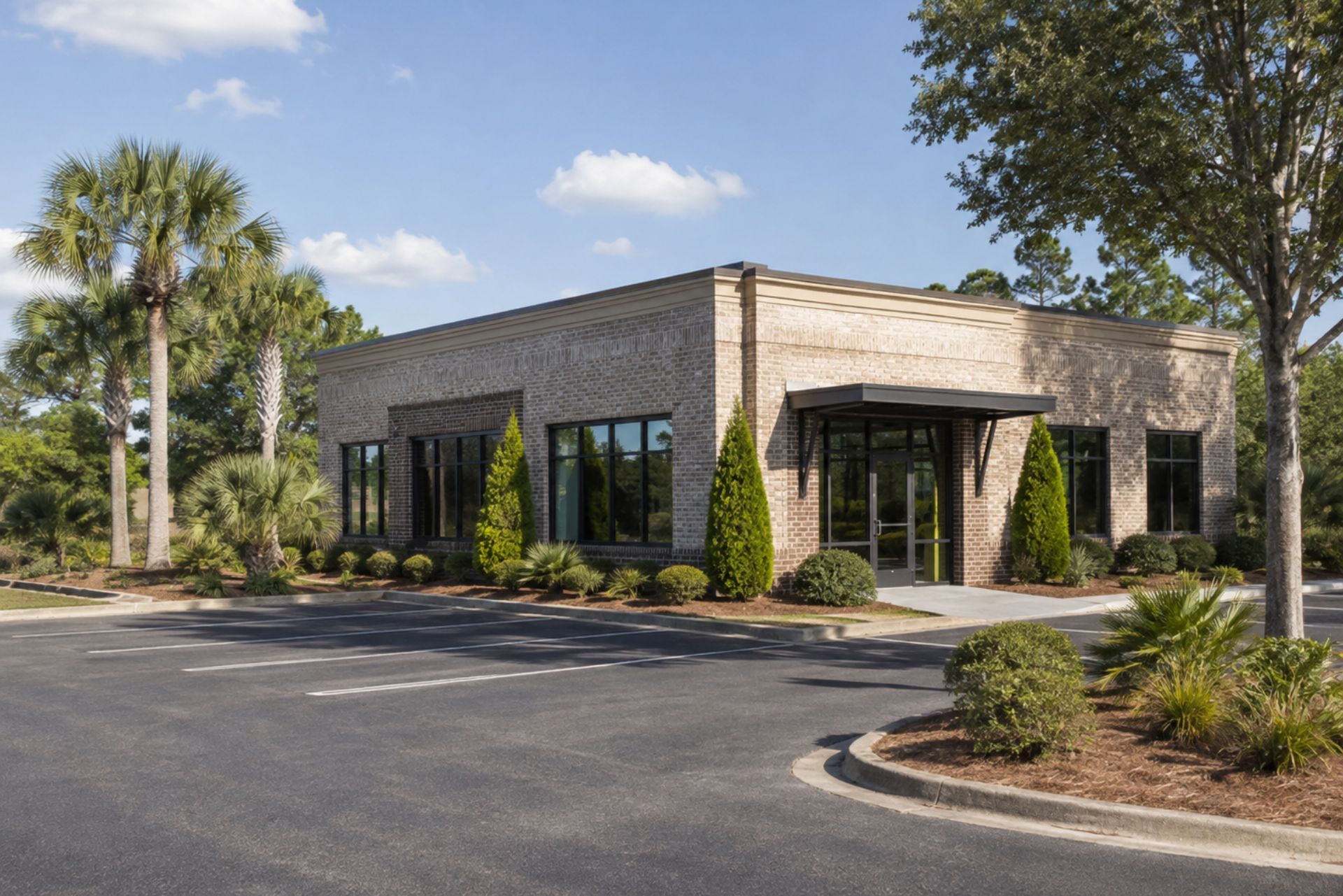



CSP Insurance Services was founded in 1939, when Clifford Cormell joined Earnest Streett to sell insurance in Florence. More than 80 years later, we still answer the phone ourselves. No call centers, no chatbots — just a local team that knows your name and your policy.

We compare several carriers to find a policy that fits you, not one company's products.

80+ years local experience

Hospital bills, treatment, and prescriptions for a work-related injury or illness.

Medical expenses

Claims history

A grease fire tears through a kitchen on a Friday night. A delivery driver rear-ends someone at a stoplight. A customer slips on a wet floor and breaks her wrist. These aren't hypothetical scenarios: they're the kinds of claims that South Carolina restaurant owners deal with every year, and any one of them can cost tens of thousands of dollars without the right insurance in place.


Restaurant insurance isn't a single policy. It's a collection of coverages tailored to the specific risks of running a food service business. From general liability and workers' comp to liquor liability and food spoilage, each piece addresses a different threat. The challenge is figuring out which policies you actually need, how much coverage to carry, and where you can save money without leaving dangerous gaps. Whether you run a seafood shack in Myrtle Beach or a fine dining spot in Columbia, understanding the full picture of restaurant coverage is the difference between surviving a bad claim and shutting your doors.

Core Insurance Policies Every Restaurant Needs

Every restaurant, regardless of size or concept, needs a foundation of three core policies. Think of these as the non-negotiables: skip any one of them, and you're gambling with your livelihood. South Carolina doesn't mandate all of these by law, but lenders, landlords, and common sense all demand them.

General Liability: Protecting Against Customer Injuries

General liability (GL) is the policy that responds when a customer gets hurt on your premises or claims your business caused them harm. Slip-and-fall injuries are the classic example, but GL also covers advertising injury, property damage to others, and legal defense costs if you're sued. Most restaurants carry $1 million per occurrence with a $2 million aggregate, though landlords in high-traffic areas like Florence or Rock Hill sometimes require higher limits.


One thing to keep in mind: GL doesn't cover everything people assume it does. It won't pay for employee injuries (that's workers' comp), damage to your own building (that's property insurance), or claims related to serving alcohol (that's liquor liability). The average restaurant GL premium varies significantly based on factors like revenue, location, and claims history, but expect to pay between $2,000 and $7,000 annually for a mid-sized operation.

Workers' Compensation: Covering Your Kitchen and Floor Staff

South Carolina requires workers' comp for any business with four or more employees, and restaurants are among the highest-risk industries for workplace injuries. Burns, cuts, repetitive strain injuries, and slips on greasy floors are daily hazards. Workers' comp pays for medical treatment, lost wages, and rehabilitation when an employee gets hurt on the job.


Here's what many restaurant owners miss: even if you have fewer than four employees, carrying workers' comp protects you from personal liability lawsuits by injured staff. Kitchen workers in particular face injury rates far above the state average. Your premium is calculated using your total payroll and a classification code specific to your operation type, so a fast-casual spot with three cooks will pay differently than a full-service restaurant with twenty staff.

Commercial Property: Securing Your Building and Equipment

Your commercial property policy covers the physical assets of your restaurant: the building itself (if you own it), kitchen equipment, furniture, signage, inventory, and sometimes even outdoor structures like patios. A single commercial oven can cost $15,000 to replace, and a full kitchen buildout often runs $100,000 or more.


The good news for 2026 is that property insurance rates are softening, with reductions of 5% to 10% for favorable risks, which means restaurants with clean claims histories may see lower premiums this year. South Carolina coastal restaurants, though, face a different reality: wind, hail, and hurricane exposure can drive property premiums significantly higher in places like Myrtle Beach. Make sure your policy addresses named storm deductibles, which are often calculated as a percentage of the insured value rather than a flat dollar amount.

Your CSP agent

Lawson Walker, CIC

Insurance Sales

CSP Insurance Services is a fully licensed independent insurance agency serving individuals, families, and businesses across South Carolina.

From our home in Florence, we proudly serve clients in Florence, Myrtle Beach, Rock Hill, Columbia, and communities throughout South Carolina. As an independent Trusted Choice agency, our team works with a wide range of top-rated carriers to provide personal and commercial coverage — home, auto, business, life, and more — tailored to the real needs of the people and businesses we protect.

Industry-Specific Coverage for Food and Beverage Risks

Beyond the basics, restaurants face risks that most other businesses don't. These industry-specific policies fill the gaps that general coverage leaves open.

Liquor Liability for Bars and Table Service

If you serve alcohol, you need liquor liability insurance. Period. South Carolina's dram shop laws can hold your restaurant responsible if an intoxicated patron causes injury or property damage after leaving your establishment. A single lawsuit from an alcohol-related car accident can easily exceed $500,000.


Liquor liability is typically written as a separate policy or endorsement, and the premium depends on your alcohol-to-food revenue ratio. A restaurant where drinks make up 15% of sales will pay much less than a bar where alcohol is 60% of revenue. Carriers also look at your service training practices: having staff complete responsible beverage service certification can lower your premium and reduce your exposure.

Food Contamination and Spoilage Protection

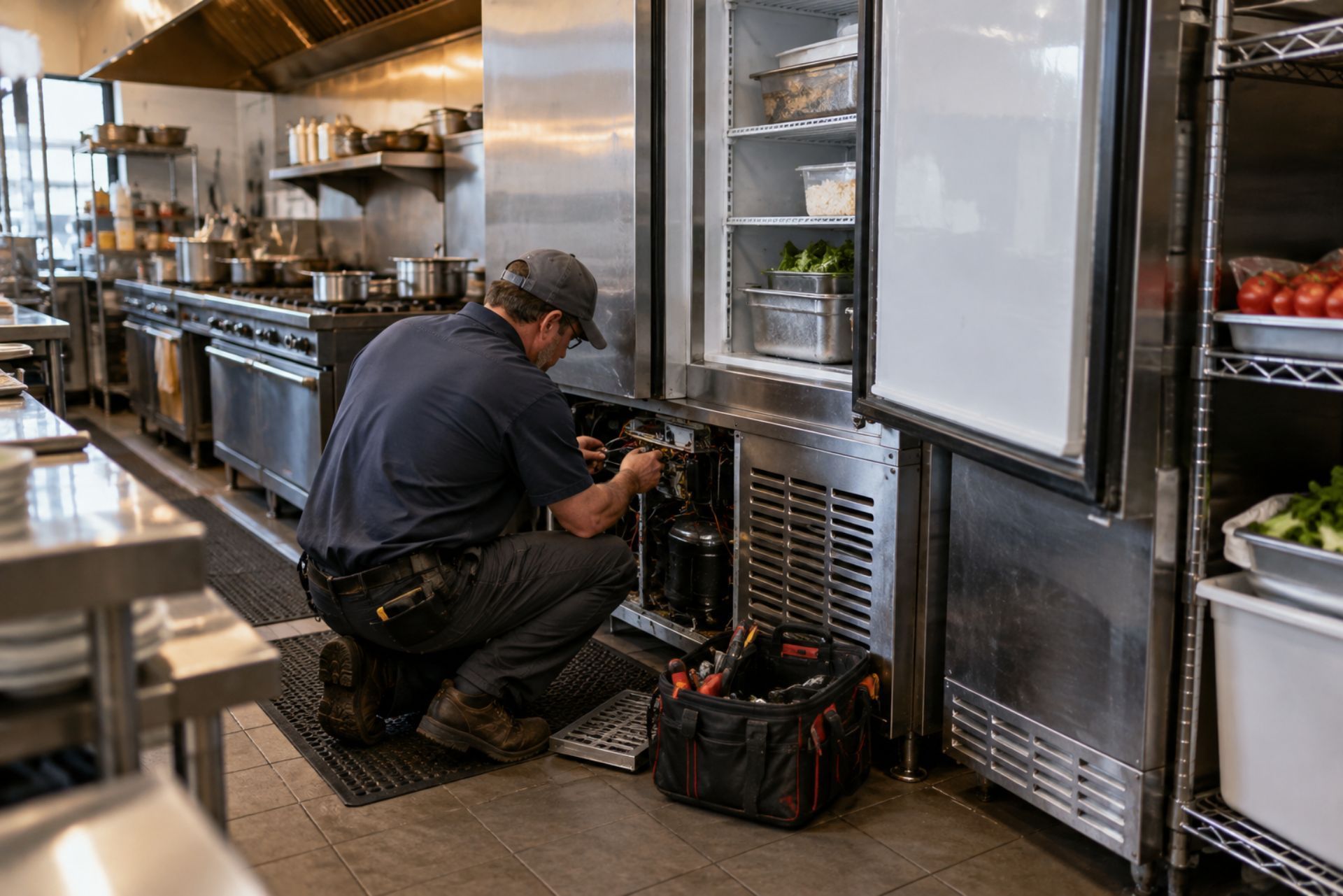
A power outage during a South Carolina summer can destroy thousands of dollars in perishable inventory within hours. Food contamination coverage, sometimes called food spoilage insurance, reimburses you for lost inventory due to equipment breakdown, power failure, or contamination events. Some policies also cover the cost of notifying customers and managing a recall if contaminated food reaches the public.


This coverage matters more than most owners realize. Hospitality-focused market reports show increasing carrier attention to contamination risks, partly driven by stricter DHEC enforcement in South Carolina and higher consumer expectations around food safety. A standalone spoilage endorsement typically costs between $100 and $500 annually: a small price for peace of mind when your walk-in cooler holds $10,000 in product.

Employment Practices Liability (EPLI)

Restaurants have notoriously high turnover, and that means more hiring, more firing, and more opportunities for employment-related claims. EPLI covers your business against allegations of wrongful termination, discrimination, harassment, and wage disputes. These claims don't require a court verdict to be expensive: legal defense alone can run $50,000 or more.


The restaurant industry sees a disproportionate number of EPLI claims compared to other sectors, largely because of the fast-paced hiring environment and the mix of young, part-time workers. If you manage a team of ten or more, EPLI should be on your radar. An independent agency like CSP Insurance Services can help you compare EPLI options across multiple carriers rather than locking you into a single insurer's terms.

Commercial Auto and Delivery Insurance

Delivery has become a permanent part of the restaurant business model, and it introduces a whole category of risk that your general liability policy won't touch.

Hired and Non-Owned Auto Coverage for Delivery Drivers

If your restaurant uses vehicles for delivery, catering, or supply runs, you need commercial auto insurance. South Carolina's minimum auto liability limits are 25/50/25 (that's $25,000 per person, $50,000 per accident for bodily injury, and $25,000 for property damage), but those minimums are dangerously low for a business. Most agents recommend at least $500,000 in combined single-limit coverage for commercial vehicles.


The wrinkle many restaurant owners miss is hired and non-owned auto (HNOA) coverage. If your delivery driver uses their personal car for work, your business can still be held liable in an accident. HNOA fills that gap. Commercial auto insurance trends in 2026 show rising premiums driven by distracted driving claims and higher vehicle repair costs, so getting this coverage right is more important than ever. If you use third-party delivery apps exclusively, you may have some coverage through the platform, but it's typically limited and full of exclusions.

Boat and Watercraft Coverage for Weekend Adventures

Your homeowners policy might cover a small kayak or canoe, but anything with a motor typically needs its own policy. Boat insurance covers physical damage to the vessel, liability for injuries or property damage you cause on the water, and sometimes towing and salvage costs.


Lake-specific risks differ from coastal ones. A boat kept at Myrtle Beach faces saltwater corrosion, hurricane exposure, and higher theft rates than one stored at a private dock on Lake Wateree. Your policy should reflect where you keep and operate the boat. An independent agency like CSP Insurance Services can compare quotes across multiple marine carriers to find coverage that actually matches your boating habits rather than forcing you into a one-size-fits-all plan.

Boat and Watercraft Coverage for Weekend Adventures

Your homeowners policy might cover a small kayak or canoe, but anything with a motor typically needs its own policy. Boat insurance covers physical damage to the vessel, liability for injuries or property damage you cause on the water, and sometimes towing and salvage costs.


Lake-specific risks differ from coastal ones. A boat kept at Myrtle Beach faces saltwater corrosion, hurricane exposure, and higher theft rates than one stored at a private dock on Lake Wateree. Your policy should reflect where you keep and operate the boat. An independent agency like CSP Insurance Services can compare quotes across multiple marine carriers to find coverage that actually matches your boating habits rather than forcing you into a one-size-fits-all plan.

Feature Admitted (Standard) Carriers Non-Admitted (E&S) Carriers
State regulation Fully regulated; rates filed with state Exempt from rate filing; flexible pricing
Guaranty fund protection Yes: state fund covers claims if carrier fails No: no guaranty fund backstop
Policy forms Standardized (ISO forms common) Manuscript or custom forms
Risk appetite Prefers low-to-moderate risk Accepts high-risk and unusual exposures
Premium cost Generally lower Typically 20-75% higher
Surplus lines tax Not applicable Buyer pays state surplus lines tax (varies 2-5%)
Speed of placement Standard timelines Can be faster or slower depending on complexity

Comparing Coverage: Basic vs. Comprehensive Protection

Understanding the difference between a bare-minimum insurance package and comprehensive coverage helps you make informed decisions about where to invest.

Coverage Area Basic Package Comprehensive Package
General Liability $1M per occurrence $1M/$2M with umbrella
Property Building and contents only Equipment breakdown, spoilage, business income
Workers' Comp State minimum State minimum plus return-to-work programs
Liquor Liability Not included Included with assault/battery
Commercial Auto 25/50/25 state minimum $500K+ combined single limit with HNOA
EPLI Not included $500K-$1M coverage
Food Contamination Not included Spoilage and recall coverage

A basic package might cost $5,000 to $8,000 annually for a small restaurant, while comprehensive coverage could run $12,000 to $25,000 depending on your size and risk profile. The gap between those numbers is where most catastrophic claims live.

Factors That Influence Your Insurance Premiums

Your restaurant's insurance cost isn't arbitrary. Carriers evaluate several specific factors when setting your premium:


  • Annual revenue and payroll: higher numbers mean higher premiums across nearly every policy type
  • Location and building age: a restaurant in a flood zone or an older building with outdated wiring will cost more to insure
  • Claims history: even one or two claims in the past five years can increase your rates by 15% to 30%
  • Alcohol sales percentage: the higher your liquor revenue ratio, the more you'll pay for liquor liability
  • Safety measures: fire suppression systems, security cameras, and employee training programs can earn discounts
  • Type of cuisine: operations involving open flames, deep fryers, or wood-fired ovens carry higher risk ratings


Liability lines in particular are facing upward pressure from rising litigation costs, so even restaurants with clean records may see modest increases on their GL and umbrella renewals in 2026. Working with an independent agency gives you the ability to shop across carriers and find the best combination of price and coverage rather than accepting whatever a single company offers.

Boat and Watercraft Coverage for Weekend Adventures

Your homeowners policy might cover a small kayak or canoe, but anything with a motor typically needs its own policy. Boat insurance covers physical damage to the vessel, liability for injuries or property damage you cause on the water, and sometimes towing and salvage costs.


Lake-specific risks differ from coastal ones. A boat kept at Myrtle Beach faces saltwater corrosion, hurricane exposure, and higher theft rates than one stored at a private dock on Lake Wateree. Your policy should reflect where you keep and operate the boat. An independent agency like CSP Insurance Services can compare quotes across multiple marine carriers to find coverage that actually matches your boating habits rather than forcing you into a one-size-fits-all plan.

Boat and Watercraft Coverage for Weekend Adventures

Your homeowners policy might cover a small kayak or canoe, but anything with a motor typically needs its own policy. Boat insurance covers physical damage to the vessel, liability for injuries or property damage you cause on the water, and sometimes towing and salvage costs.


Lake-specific risks differ from coastal ones. A boat kept at Myrtle Beach faces saltwater corrosion, hurricane exposure, and higher theft rates than one stored at a private dock on Lake Wateree. Your policy should reflect where you keep and operate the boat. An independent agency like CSP Insurance Services can compare quotes across multiple marine carriers to find coverage that actually matches your boating habits rather than forcing you into a one-size-fits-all plan.

Feature Admitted (Standard) Carriers Non-Admitted (E&S) Carriers
State regulation Fully regulated; rates filed with state Exempt from rate filing; flexible pricing
Guaranty fund protection Yes: state fund covers claims if carrier fails No: no guaranty fund backstop
Policy forms Standardized (ISO forms common) Manuscript or custom forms
Risk appetite Prefers low-to-moderate risk Accepts high-risk and unusual exposures
Premium cost Generally lower Typically 20-75% higher
Surplus lines tax Not applicable Buyer pays state surplus lines tax (varies 2-5%)
Speed of placement Standard timelines Can be faster or slower depending on complexity

Common Questions About Restaurant Insurance

How much does restaurant insurance cost in South Carolina? Most small to mid-sized restaurants pay between $5,000 and $15,000 per year for a well-rounded package. High-revenue establishments with bars can pay $20,000 or more.


Do I need insurance if I only do takeout and delivery? Yes. You still face general liability, property, workers' comp, and commercial auto exposures. Delivery operations actually add risk compared to dine-in only.


Can I bundle my restaurant policies into one package? A Business Owner's Policy (BOP) combines general liability and property coverage at a discount. You'll still need separate policies for workers' comp, liquor liability, and commercial auto.


Does my personal auto insurance cover delivery drivers? Almost never. Personal auto policies typically exclude commercial use, leaving both the driver and your business exposed. You need HNOA or a commercial auto policy.


What happens if I don't carry workers' comp in South Carolina? If you have four or more employees and skip workers' comp, you face fines, potential criminal penalties, and personal liability for any workplace injuries. The SC Workers' Compensation Commission takes enforcement seriously.


Is food truck insurance different from restaurant insurance? Yes. Food trucks need a commercial auto policy as a primary coverage, plus general liability and often a separate inland marine policy for equipment. The structure differs significantly from a brick-and-mortar restaurant.

Your Next Steps for Securing Coverage

Getting restaurant insurance right isn't about buying the cheapest policy you can find. It's about understanding your specific risks: your location, your menu, your staff size, your delivery model: and building coverage around those realities. A seafood restaurant on the Grand Strand faces different threats than a pizza shop in Rock Hill, and their insurance should reflect that.


The smartest move you can make is to work with an independent agency that can compare options across multiple carriers on your behalf. CSP Insurance Services has been helping South Carolina businesses build customized protection since 1939, and their team can walk you through every coverage option without the pressure of a single-carrier sales pitch. If you're opening a new restaurant, renewing an existing policy, or just not sure whether your current coverage has gaps, request a quote and get a clear picture of where you stand. A 20-minute conversation now can save you from a six-figure headache later.

About the author

Lawson Walker, CIC

I'm proud to be part of an agency that's served Florence since 1939. CSP Insurance Services started as Cormell-Streett & Patterson, built by people who believed insurance should be personal — and more than eight decades later, that conviction still drives everything we do. Commitment, Service, Protection isn't just what CSP stands for; it's how I approach every client relationship.


As an independent, Trusted Choice agency, we aren't tied to any single carrier. That means I work for you — shopping multiple companies to match you with coverage that actually fits your family, your business, and your budget. No call centers, no chatbots. Just a local expert who takes the time to understand what matters to you and stands by you when it counts.


Whether you're protecting your home, your car, or a business you've spent years building, I'd be glad to help you find the right coverage.

We compare several carriers to find a policy that fits you, not one company's products.

80+ years local experience

1939

Serving SC

Meet Richard

Most Requested

Core business coverage.

The policies most South Carolina businesses start with.

Commercial Property

Protect the building, equipment, and inventory your business runs on, so a covered fire, theft, or storm doesn’t become a closed door.

Workers Compensation

Required for most South Carolina employers with staff. It covers medical bills and lost wages when an employee is hurt on the job.

Commercial Auto

Cars, trucks, and fleets used for work need more than a personal policy. This handles liability, damage, and your drivers.

General Liability

Accidents happen on the job and on your property. General liability covers third-party injury and property damage claims against your business.

Inland Marine

Tools, equipment, and goods on the move aren’t covered by standard property policies. Inland marine protects them wherever they travel.

Business Owners (BOP)

A business owners policy bundles property and liability coverage into one package, often at a better price for small businesses.

We compare several carriers to find a policy that fits you, not one company's products.

80+ years local experience

1939

Serving SC

Insurance Sales

J. Roger Jordan, CIC

Meet Richard

[CONFIRM bio]

Personal Insurance

Coverage for your home, vehicles, and family.

Protect what matters most with personal policies shopped across our carriers.

Home

Your house is likely your largest investment. Home insurance helps rebuild after covered damage and protects you from liability.

Auto

South Carolina drivers need real protection. Auto coverage handles liability, collision, medical costs, and uninsured drivers.

Umbrella

When a serious claim climbs past your home or auto limits, umbrella coverage adds an extra layer of liability protection.

Boat

Time on the water should be worry-free. Boat coverage protects your vessel, your passengers, and your liability on the lake or coast.

Motorcycle

Riders need coverage built for the road. Motorcycle insurance protects your bike, your gear, and you after an accident.

Condo

Your association covers the building, but not what’s inside. Condo insurance protects your belongings, improvements, and liability.

We compare several carriers to find a policy that fits you, not one company's products.

80+ years local experience

1939

Serving SC

Insurance Sales

J. Roger Jordan, CIC

Meet Richard

[CONFIRM bio]

Get a Quote

Boat

Your association covers the building, but not what’s inside. Condo insurance protects your belongings, improvements, and liability.

Time on the water should be worry-free. Boat coverage protects your vessel, your passengers, and your liability on the lake or coast.

Condo

Get a Quote

Motorcycle

Riders need coverage built for the road. Motorcycle insurance protects your bike, your gear, and you after an accident.

Get a Quote

Industries We Serve

Specialized coverage for your industry.

Every industry carries its own risk. We help South Carolina businesses protect what they've built.

Restaurants

Kitchens, customers, and staff create daily exposure. We protect your property, equipment, liquor liability, and employees.

Manufacturers

From equipment breakdown to product liability, manufacturers face risk on the floor and beyond. We help cover property, machinery, and goods.

Healthcare Providers

Practices and clinics carry patient, property, and professional risk. We help cover liability, equipment, and the people who run your practice.

We compare several carriers to find a policy that fits you, not one company's products.

80+ years local experience

1939

Serving SC

Commercial Property

Protect the building, equipment, and inventory your business runs on, so a covered fire, theft, or storm doesn’t become a closed door.

Meet Richard View all business coverage Get a Quote

Commercial Auto

Get a Quote

Cars, trucks, and fleets used for work need more than a personal policy. This handles liability, damage, and your drivers.

How It Works

Getting covered is simple.

Four steps, one real person from start to finish.

Tell us about you

Share a few details about what you need to protect. A real person reviews it.

We compare carriers

We shop options across our carriers to find strong protection at a fair price.

We recommend coverage

We walk you through the policy in plain language and answer every question.

You get covered

Sign with confidence — and we stay on for changes, claims, and yearly reviews.

We compare several carriers to find a policy that fits you, not one company's products.

Multi-carrier choice

Claims advocacy

When a claim happens, we stand in your corner and help move it forward with your carrier.

Local SC roots

We live and work in Florence and understand the risks your community faces because we face them too.

Client Reviews

Why clients choose CSP.

Independent advice, real people, and decades of local roots.

We compare several carriers to find a policy that fits you, not one company's products.

80+ years local experience

1939

Serving SC

Insurance Sales

J. Roger Jordan, CIC

Meet Richard

[CONFIRM bio]

Get a Quote

Boat

Your association covers the building, but not what’s inside. Condo insurance protects your belongings, improvements, and liability.

Time on the water should be worry-free. Boat coverage protects your vessel, your passengers, and your liability on the lake or coast.

Condo

Get a Quote

Motorcycle

Riders need coverage built for the road. Motorcycle insurance protects your bike, your gear, and you after an accident.

Get a Quote

FAQs

Questions, answered.

Straight answers about working with an independent agency.

  • What does an independent insurance agency do?

    An independent agency represents several carriers instead of one. We compare coverage and pricing across companies, then recommend the policy that fits you best.

  • Do you cover both personal and business insurance?

    Yes. CSP writes personal lines like home and auto, and commercial lines for businesses across South Carolina.

  • How long has CSP been in business?

    CSP traces its roots to 1939, with more than 80 years serving South Carolina families and businesses.

  • Will I work with a real person?

    Always. No call centers and no chatbots — you work with a local team member who knows your account.

  • Which areas do you serve?

    We’re based in Florence and serve clients statewide, including Myrtle Beach, Rock Hill, and Columbia.

  • How do I get a quote?

    Request a quote online, call us, or stop by the office. A real person will review your needs and follow up.

How It Works

Insurance tips & updates.

Plain-language guidance to help you make confident decisions.

How Much Does Business Insurance Cost for a Small Business in Florence, SC?
6 August 2026
Learn how much small business insurance costs in Florence, SC, including GL, workers’ comp, property coverage, pricing factors, and ways to save.
What Insurance Does a Small Business in South Carolina Legally Need?
6 August 2026
Learn what insurance South Carolina small businesses legally need, including workers’ comp, commercial auto, and essential coverage beyond state requirements.
Group Health Insurance vs. Individual Plans: Which Is Right for SC Employers?
6 August 2026
Compare group health insurance vs. individual plans for SC employers. Learn costs, tax benefits, ICHRA options, and the best fit for your team.

We compare several carriers to find a policy that fits you, not one company's products.

80+ years local experience

1939

Serving SC

Insurance Sales

J. Roger Jordan, CIC

Meet Richard

[CONFIRM bio]

Get a Quote

Boat

Your association covers the building, but not what’s inside. Condo insurance protects your belongings, improvements, and liability.

Time on the water should be worry-free. Boat coverage protects your vessel, your passengers, and your liability on the lake or coast.

Condo

Get a Quote

Motorcycle

Riders need coverage built for the road. Motorcycle insurance protects your bike, your gear, and you after an accident.

Get a Quote

Get a Quote

Let's find your coverage.

Tell us a little about what you need to protect. A real person from our Florence team will review it and follow up.

2420 Hoffmeyer Road, Suite D
Florence, SC 29501

Mon–Fri 8:30am – 5:00pm